What Is Allantoin in Skincare? A Beginner’s Complete Guide(2026)

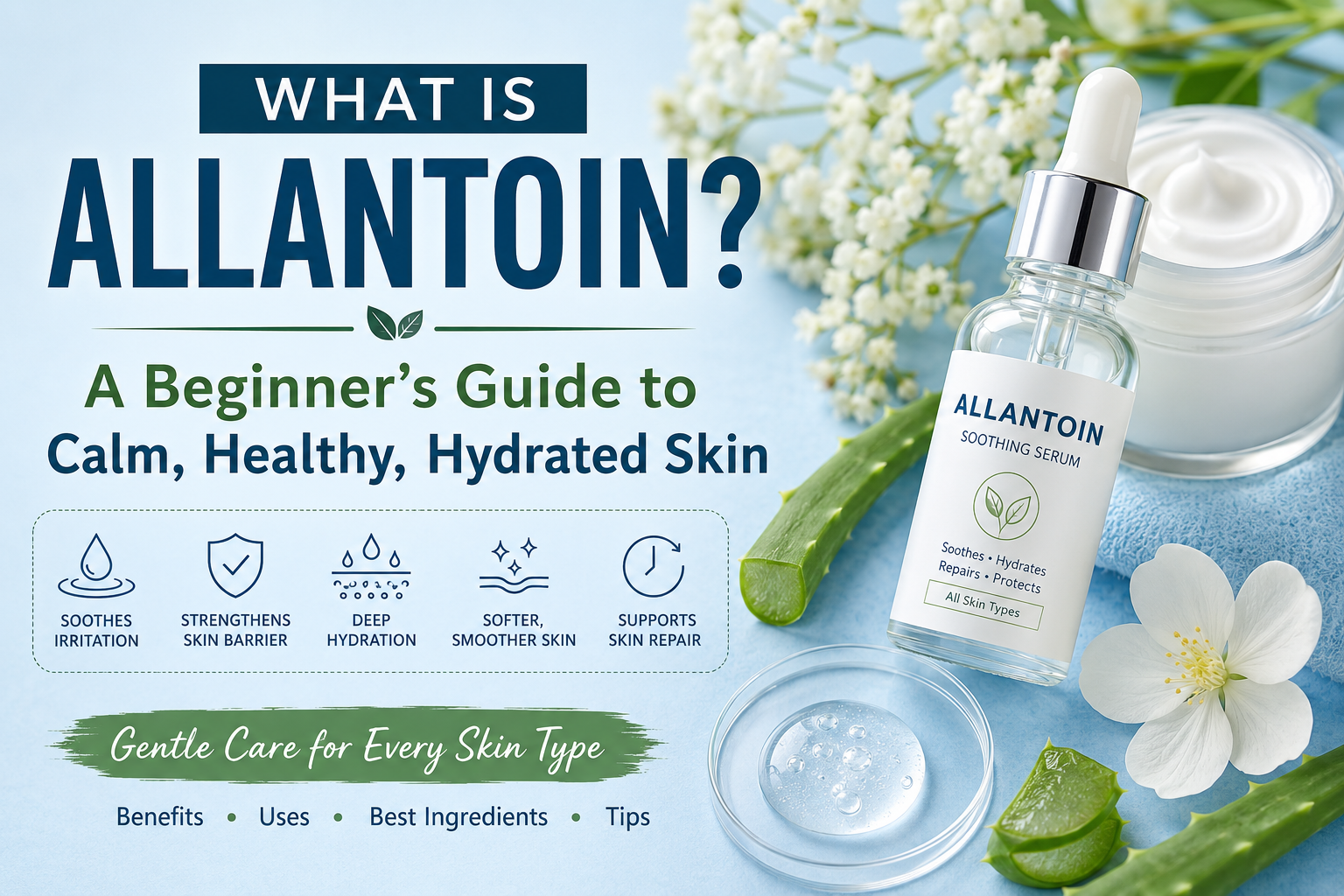
What Is Allantoin? Beginner's guide showing an Allantoin serum, moisturizer, aloe vera, and the key skincare benefits of Allantoin for healthy, hydrated skin.

Have you ever wondered why some moisturizers instantly make your skin feel softer and calmer? The answer is often hidden in the ingredient list. One ingredient that skincare experts trust for dry, irritated, and sensitive skin is Allantoin.

Although many beginners overlook it because of its scientific name, Allantoin is actually one of the gentlest and most effective skincare ingredients available today. It helps soothe irritated skin, supports healing, reduces roughness, and keeps the skin feeling comfortable without causing heaviness or irritation.

Many people even search for “Allantoin Acid,” but this creates confusion. Despite the common search term, Allantoin is not an acid. It belongs to a group of skin-conditioning ingredients that focus on repairing, moisturizing, and protecting the skin barrier rather than exfoliating it like glycolic acid or salicylic acid.

Because it is so gentle, you will find Allantoin in facial cleansers, moisturizers, serums, sunscreens, lip balms, body lotions, baby skincare products, and even products designed for sensitive skin after cosmetic treatments.

In this complete beginner’s guide, you’ll learn what Allantoin is, how it works, its benefits, who should use it, how to include it in your skincare routine, and why dermatologists recommend it for healthy-looking skin.

Read More: What Is Hyaluronic Acid? A Complete Beginner’s Guide (2026)

What Is Allantoin?

Allantoin is a skin-conditioning ingredient that helps keep the skin soft, smooth, hydrated, and protected. It is widely used in cosmetic and skincare products because of its soothing and healing properties.

Its main job is not to remove dead skin like exfoliating acids. Instead, it helps damaged or irritated skin recover faster while making the outer layer of the skin feel softer and healthier.

Today, almost all skincare brands use lab-made Allantoin, which is safe, stable, and environmentally friendly. Although Allantoin naturally exists in plants such as comfrey, modern cosmetic formulations usually rely on synthetic Allantoin because it provides consistent quality and purity.

One reason Allantoin has remained popular for decades is that it works well for almost every skin type without causing irritation.

Simple Example

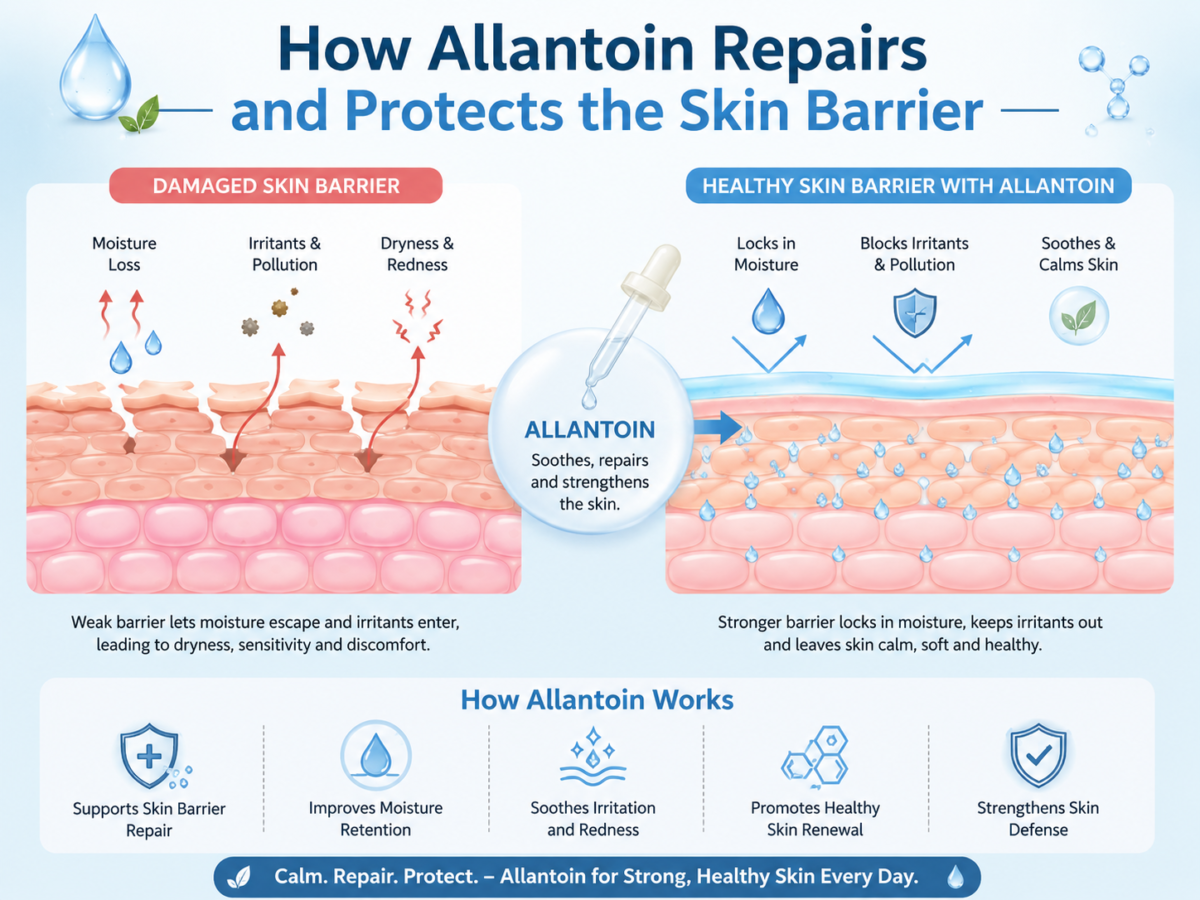
Imagine your skin is like a brick wall.

The skin cells are the bricks, while natural oils act like the cement holding everything together.

When the cement becomes weak because of harsh weather, over-cleansing, or strong skincare products, tiny gaps appear in the wall. Water escapes easily, and irritants enter more quickly.

Allantoin acts like a repair helper. It calms the damaged area, supports the skin’s natural repair process, and helps the surface become smoother and stronger.

Read More: What is Glycerin? A Beginner’s Complete Guide to Healthy and Hydrated Skin

This is why people often notice that their skin feels softer after using products containing Allantoin regularly.
Is Allantoin an Acid?

This is one of the most common questions beginners ask.

The simple answer is No.

Despite many online searches for “Allantoin Acid,” Allantoin is not an exfoliating acid.

Unlike Alpha Hydroxy Acids (AHAs) or Beta Hydroxy Acids (BHAs), Allantoin does not dissolve dead skin cells or increase skin peeling.

Instead, it focuses on:

  • Soothing irritation
  • Supporting skin repair
  • Softening rough skin
  • Improving moisture retention
  • Protecting the skin barrier

This makes it an excellent ingredient for people who cannot tolerate stronger active ingredients.

Where Does Allantoin Come From?

Historically, Allantoin was discovered in several natural sources, especially the comfrey plant, which has long been used in traditional skincare.

Today, cosmetic companies mostly produce Allantoin in laboratories. This method offers several advantages:

  • Better purity
  • Consistent quality
  • Vegan-friendly production
  • More stable skincare formulations
  • Environmentally sustainable manufacturing

Because of these benefits, synthetic Allantoin has become the standard ingredient used in modern skincare products around the world.

How Does Allantoin Work on the Skin?

Allantoin improves skin health in several ways at the same time.

Instead of targeting just one skin concern, it supports the skin’s overall condition.

When applied to the skin, Allantoin creates a comfortable environment that encourages natural repair while reducing dryness and discomfort.

Its gentle action makes it especially valuable for people whose skin barrier has been weakened by pollution, harsh weather, excessive cleansing, or active ingredients like retinol and exfoliating acids.

Here are the main ways Allantoin works:

It Softens Rough Skin

Dry skin often develops rough patches because dead skin cells accumulate on the surface.

Allantoin gently softens these areas without aggressive exfoliation, leaving the skin smoother over time.

It Supports Skin Renewal

Healthy skin naturally replaces old cells with new ones.

Allantoin supports this natural renewal process by creating favorable conditions for healthier-looking skin.

It Helps Reduce Moisture Loss

Hydrated skin looks healthier and feels more comfortable.

Allantoin helps improve moisture retention so that the skin stays soft for longer.

It Comforts Sensitive Skin

People with sensitive skin often experience tightness, redness, or irritation after washing their face.

Allantoin helps reduce this uncomfortable feeling by calming the skin surface.

It Strengthens the Skin Barrier

A healthy skin barrier protects against pollution, bacteria, and environmental damage.

By supporting barrier recovery, Allantoin helps skin become stronger and more resilient over time.

Why Is Allantoin So Popular in Modern Skincare?

Some skincare ingredients become popular for a few years before disappearing from the market.

Allantoin is different.

It has remained one of the most trusted cosmetic ingredients for decades because it delivers reliable results while being gentle enough for daily use.

Dermatologists and skincare formulators appreciate Allantoin because it can easily be combined with many other skincare ingredients without increasing irritation.
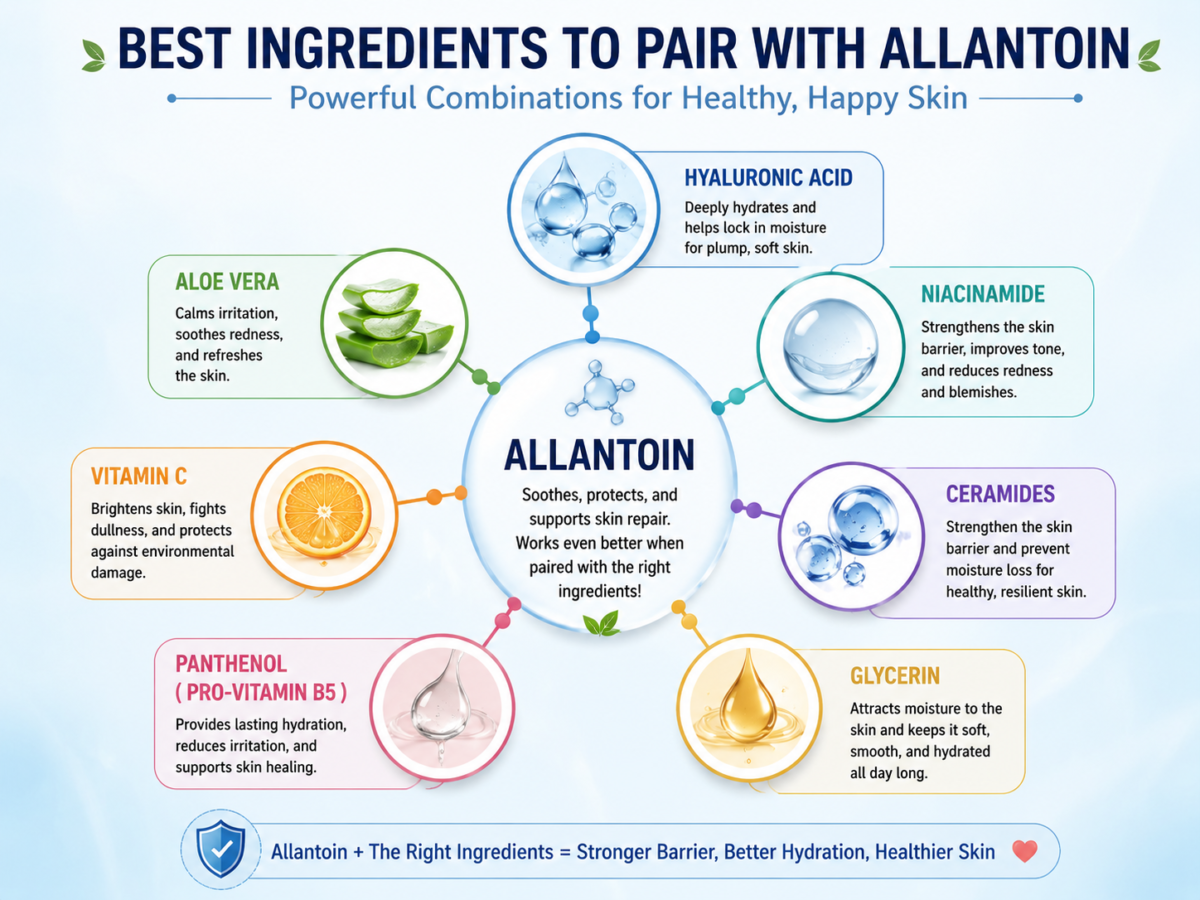
It is commonly included in products containing:

  • Hyaluronic Acid
  • Niacinamide
  • Ceramides
  • Glycerin
  • Panthenol
  • Aloe Vera
  • Vitamin E

These combinations create products that hydrate, soothe, and strengthen the skin at the same time, making them suitable for beginners as well as experienced skincare users.

Read More: Best Face Wash for Glowing Skin: A Complete Guide for Healthy and Radiant Skin

Top Benefits of Allantoin for Your Skin

One of the biggest reasons Allantoin is found in so many skincare products is that it offers multiple skin benefits without being harsh. Whether your skin is dry, oily, combination, or sensitive, this ingredient can improve your skin’s overall health when used regularly.

Unlike strong active ingredients that focus on a single concern, Allantoin supports your skin in several ways at once. It helps keep the skin comfortable, hydrated, and smooth while strengthening its natural protective barrier.

Let’s look at its benefits in detail.

1. Soothes Irritated Skin

If your skin often feels red, itchy, or uncomfortable, Allantoin can help calm it.

Daily exposure to pollution, sunlight, air conditioning, cold weather, and harsh cleansers can leave your skin feeling stressed. Allantoin helps reduce that uncomfortable feeling by supporting the skin’s natural recovery process.

This is one reason why many products designed for sensitive skin include Allantoin as a key ingredient.

Example

Imagine spending an entire day outdoors in hot weather. Your face may feel tight and slightly irritated by the evening. A moisturizer containing Allantoin can help restore comfort while reducing dryness.

2. Keeps Skin Soft and Smooth

Dry skin often feels rough because dead skin cells build up on the surface.

Instead of aggressively removing these cells, Allantoin gently softens them. Over time, your skin becomes smoother without excessive peeling.

This makes it especially useful during winter when skin tends to become flaky and uncomfortable.

3. Helps Maintain Healthy Hydration

Hydrated skin looks brighter, healthier, and more youthful.

Although Allantoin is not a heavy moisturizing ingredient by itself, it supports the skin’s ability to hold moisture for longer. When combined with ingredients such as Glycerin or Hyaluronic Acid, it helps create long-lasting hydration.

People with dehydrated skin often notice that their skin feels less tight after adding products containing Allantoin to their routine.

4. Supports the Skin Barrier

Your skin barrier acts like a protective shield.

It prevents moisture from escaping while keeping harmful environmental irritants out.

When this barrier becomes damaged, you may experience:

  • Dryness
  • Redness
  • Burning
  • Sensitivity
  • Rough patches

Allantoin supports the skin’s natural repair process, helping the barrier become stronger over time.

A stronger skin barrier usually means healthier, more comfortable skin.

5. Reduces Skin Roughness

Areas like the nose, forehead, elbows, knees, and heels often become rough due to dryness.

Regular use of products containing Allantoin helps soften these rough areas, making the skin feel smoother and look healthier.

Many body lotions include Allantoin for this reason.

6. Supports Natural Skin Renewal

Healthy skin naturally replaces old skin cells with new ones.

When this process slows down, the skin may appear dull and uneven.

Allantoin encourages healthy skin renewal by creating an environment where the skin can recover more effectively.

Over time, this contributes to smoother and fresher-looking skin.

7. Makes Active Ingredients Easier to Tolerate

Many beginners start using ingredients like Retinol, Vitamin C, Glycolic Acid, or Salicylic Acid and experience irritation during the first few weeks.

Products containing Allantoin can help reduce dryness and discomfort caused by these stronger ingredients.

For this reason, many skincare brands combine Allantoin with active ingredients to create more balanced formulations.

8. Suitable for Everyday Use

Some skincare ingredients need to be introduced slowly because they may cause irritation if used too often.

Allantoin is different.

It is gentle enough for daily use, making it an excellent choice for both morning and evening skincare routines.

Most people can use products containing Allantoin without worrying about overuse.

Who Should Use Allantoin?

One of Allantoin’s greatest strengths is its versatility.

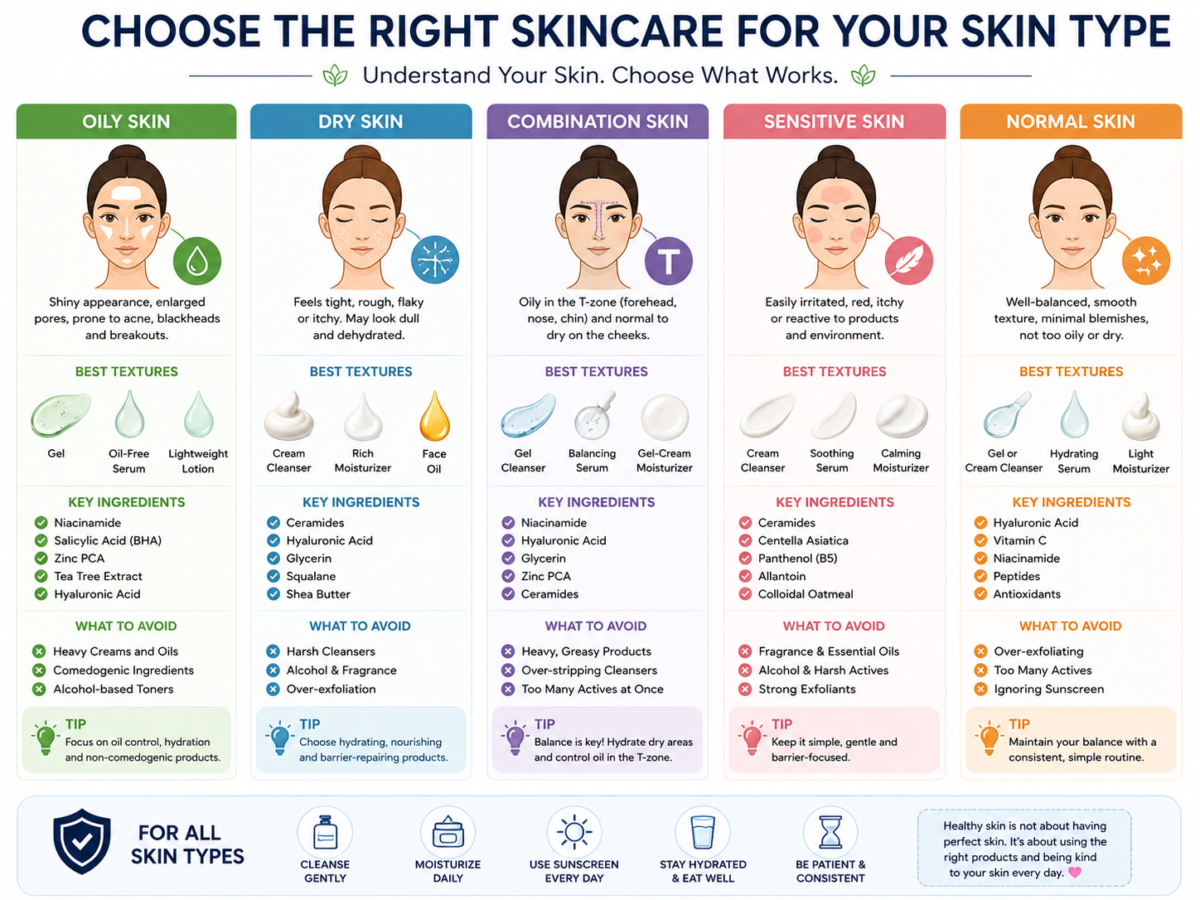
It works well for almost every skin type because its primary goal is to support healthy skin rather than aggressively changing it.

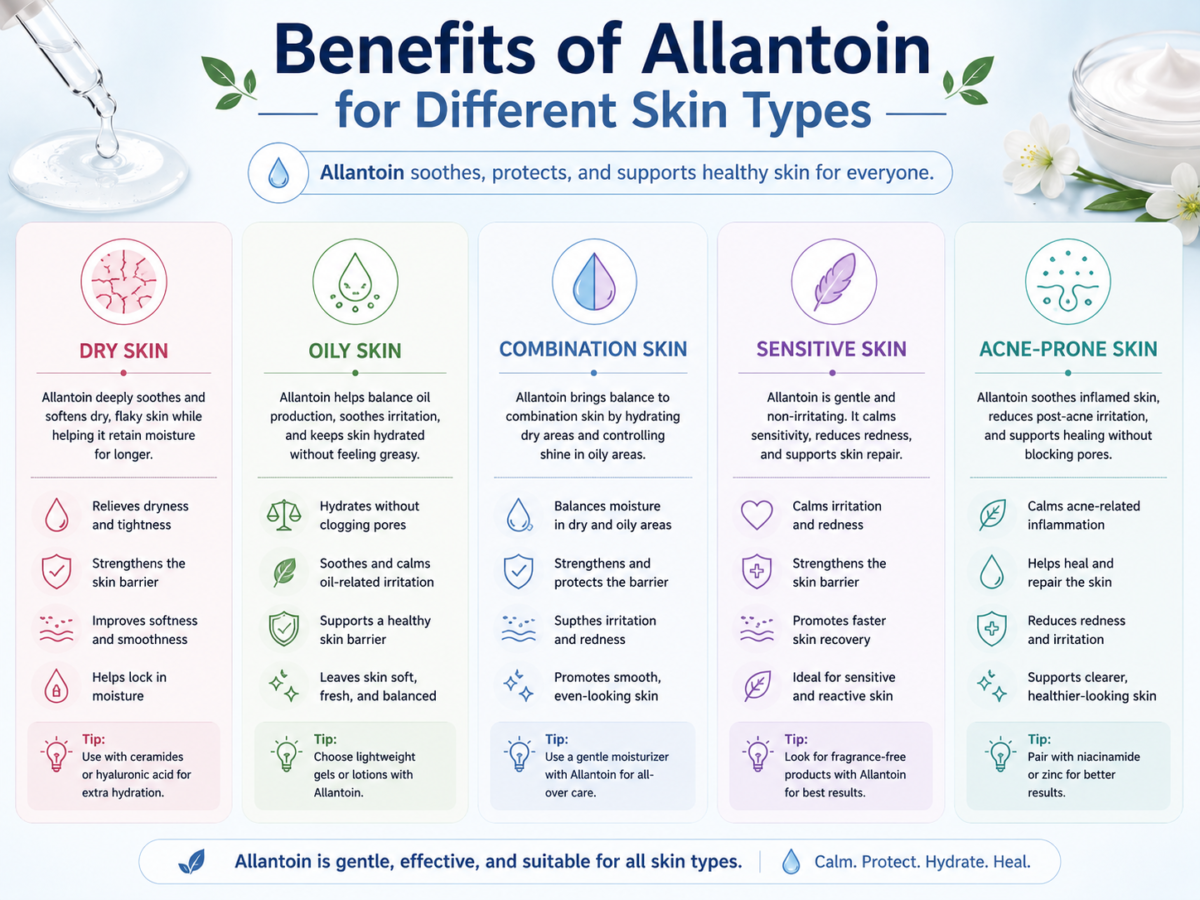
Dry Skin

Dry skin often lacks moisture and feels tight after cleansing.

Allantoin helps soften rough patches while supporting hydration, leaving the skin more comfortable throughout the day.

Sensitive Skin

People with sensitive skin usually react easily to harsh skincare products.

Because Allantoin is known for its calming properties, it is commonly included in products designed specifically for sensitive skin.

Oily Skin

Many people assume oily skin doesn’t need moisturizing ingredients.

In reality, oily skin can also become dehydrated.

Lightweight gel moisturizers containing Allantoin help maintain hydration without making the skin feel greasy.
Combination Skin

Combination skin includes both oily and dry areas.

Allantoin helps balance comfort across different parts of the face by supporting hydration wherever it’s needed.

Acne-Prone Skin

Although Allantoin does not directly treat acne, it helps calm the skin around blemishes and supports recovery after breakouts.

Many acne-friendly moisturizers include Allantoin because it reduces dryness caused by acne treatments.

Mature Skin

As we age, the skin naturally loses moisture and becomes thinner.

Allantoin helps improve softness while supporting smoother-looking skin, making it a useful ingredient in anti-aging skincare routines.

Which Skincare Products Usually Contain Allantoin?

Because it works well with many ingredients, Allantoin appears in a wide variety of skincare products.

You can commonly find it in:

  • Facial cleansers
  • Hydrating serums
  • Moisturizers
  • Face creams
  • Body lotions
  • Hand creams
  • Lip balms
  • Sunscreens
  • Face masks
  • After-sun gels
  • Shaving creams
  • Baby skincare products

Its versatility makes it one of the most widely used skin-conditioning ingredients in the cosmetic industry.

How to Use Allantoin in Your Skincare Routine

One of the best things about Allantoin is how easy it is to include in your daily skincare routine. Unlike some active ingredients that require careful planning, Allantoin is gentle enough for regular use and works well with almost every skin type.

Whether you are building your first skincare routine or improving your current one, products containing Allantoin can fit naturally into both morning and evening routines.

The key is to apply products in the correct order so your skin receives the maximum benefit.

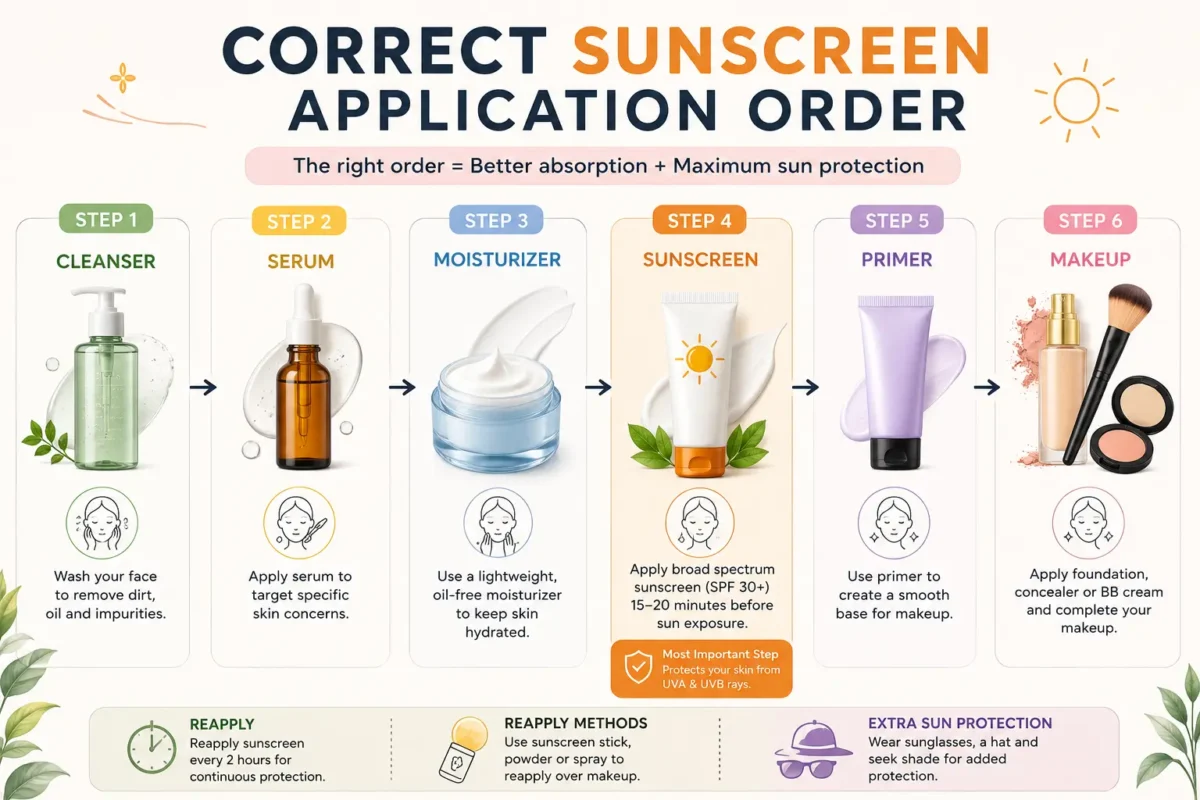
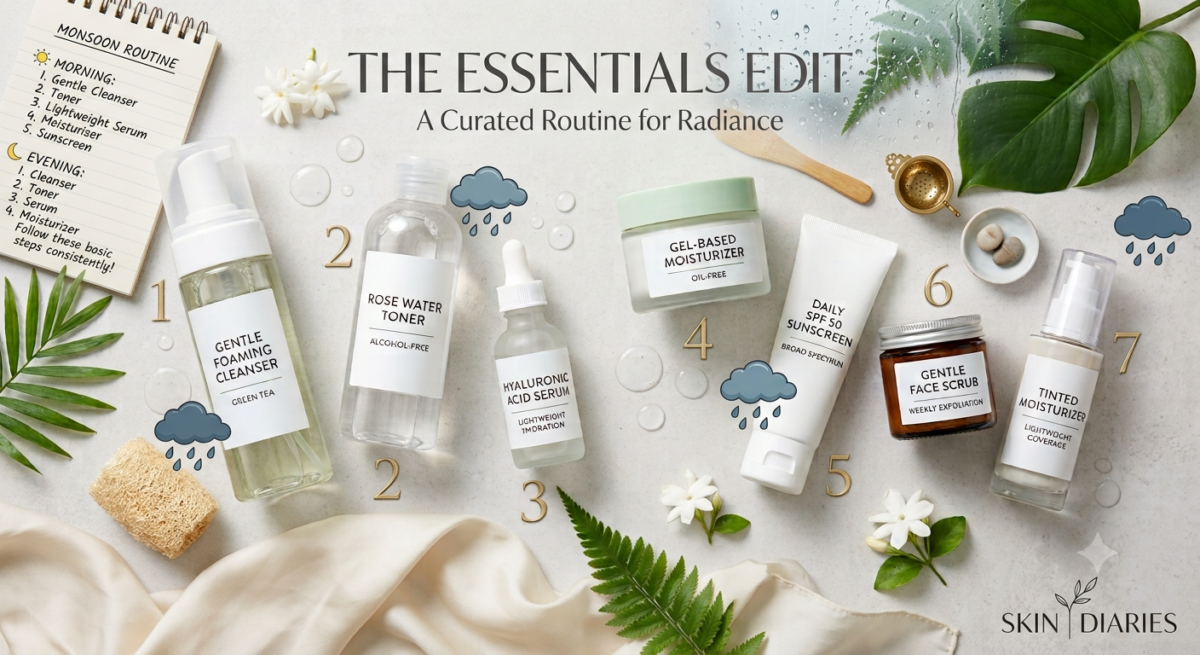
Morning Routine

A simple morning routine with Allantoin may look like this:

  1. Cleanse your face with a gentle cleanser.
  2. Apply a hydrating toner if you use one.
  3. Use an Allantoin serum or another hydrating serum containing Allantoin.
  4. Apply a moisturizer.
  5. Finish with a broad-spectrum sunscreen.

This routine helps keep your skin hydrated, calm, and protected throughout the day.

Evening Routine

At night, your skin naturally repairs itself while you sleep. Using Allantoin in your nighttime routine can support this process.
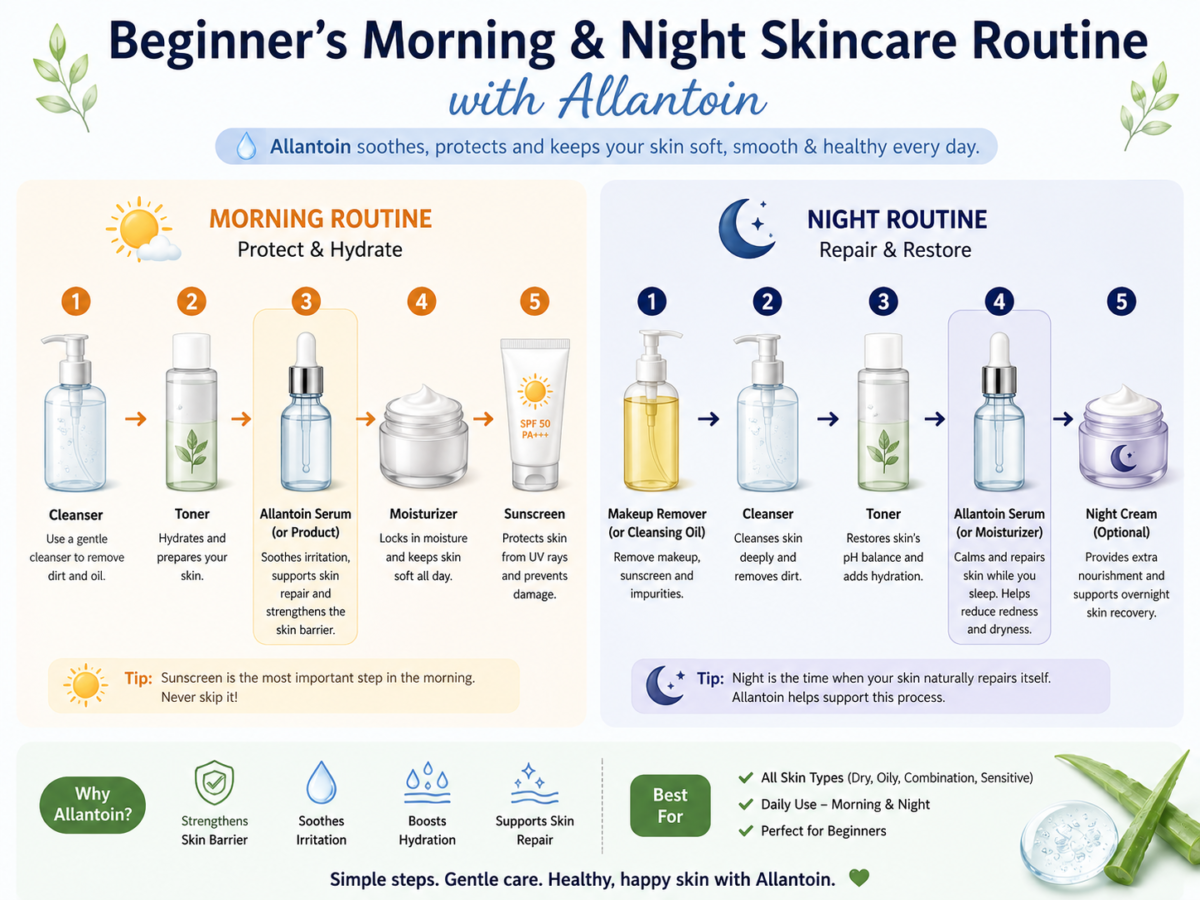
A beginner-friendly evening routine is:

  1. Remove makeup and sunscreen.
  2. Cleanse your face.
  3. Apply treatment products if needed.
  4. Use an Allantoin serum or moisturizer.
  5. Finish with a nourishing night cream if your skin feels dry.

Consistent use often leads to softer, healthier-looking skin over time.

Which Ingredients Work Well with Allantoin?

Another reason skincare experts love Allantoin is that it blends well with many popular skincare ingredients.

Instead of competing with other ingredients, it often helps balance their effects by reducing dryness and supporting the skin barrier.

Here are some of the best ingredient combinations.

Allantoin and Hyaluronic Acid

This is one of the most popular hydration combinations.

Hyaluronic Acid attracts water to the skin, while Allantoin helps keep the skin comfortable and supports moisture retention.

Together, they leave the skin feeling soft, plump, and refreshed.

Allantoin and Niacinamide

Niacinamide helps improve skin tone, strengthen the skin barrier, and reduce excess oil.

Adding Allantoin helps calm the skin, making this combination suitable for beginners and sensitive skin.

Allantoin and Ceramides

Ceramides strengthen the skin’s protective barrier.

When combined with Allantoin, they create an excellent moisturizing formula for dry or damaged skin.

This combination is commonly found in barrier repair creams.

Allantoin and Glycerin

Glycerin is a powerful humectant that attracts moisture.

Allantoin complements Glycerin by softening the skin and helping reduce roughness.

Many daily moisturizers use both ingredients together.

Allantoin and Aloe Vera

Both ingredients are known for their soothing properties.

Products containing Aloe Vera and Allantoin are often used after sun exposure or whenever the skin feels dry and irritated.

Allantoin and Panthenol

Panthenol, also known as Pro-Vitamin B5, helps improve hydration and skin softness.

When combined with Allantoin, it creates a highly soothing formula that supports skin recovery.

Allantoin and Retinol

Retinol is a powerful ingredient that can sometimes cause dryness and irritation, especially for beginners.

Allantoin helps reduce that discomfort by supporting the skin barrier and keeping the skin feeling calm.

Many beginner-friendly Retinol products include Allantoin for this reason.

Can Allantoin Be Used with Vitamin C?

Yes.

Allantoin works well with Vitamin C and can help reduce the feeling of dryness or tightness that some people experience when introducing Vitamin C into their routine.

Using both ingredients together can support brighter, healthier-looking skin while keeping it comfortable.

Can Allantoin Be Used with Exfoliating Acids?

Yes.

Allantoin pairs well with exfoliating ingredients such as:

  • Glycolic Acid
  • Lactic Acid
  • Mandelic Acid
  • Salicylic Acid

Since exfoliating acids remove dead skin cells, some people experience temporary dryness.

Allantoin helps balance the routine by calming and softening the skin after exfoliation.

Does Allantoin Have Any Side Effects?

For most people, Allantoin is considered one of the safest skincare ingredients available.

When used in cosmetic products at recommended concentrations, it is generally well tolerated by all skin types.

However, as with any skincare ingredient, individual reactions can vary.

In rare cases, some people may experience:

  • Mild irritation
  • Temporary redness
  • Itching
  • Skin sensitivity due to other ingredients in the product

Often, these reactions are caused by fragrances, preservatives, or other active ingredients rather than Allantoin itself.

If you have highly reactive skin, it’s always a good idea to perform a patch test before using a new product on your entire face.

How to Perform a Patch Test

A patch test is a simple way to check how your skin reacts to a new skincare product.

Follow these steps:

  1. Apply a small amount of the product behind your ear or on your inner forearm.
  2. Leave it on for 24 hours.
  3. Watch for signs of irritation such as redness, itching, or swelling.
  4. If your skin remains comfortable, you can begin using the product on your face.

This small step can help prevent unwanted reactions, especially if you have sensitive skin.

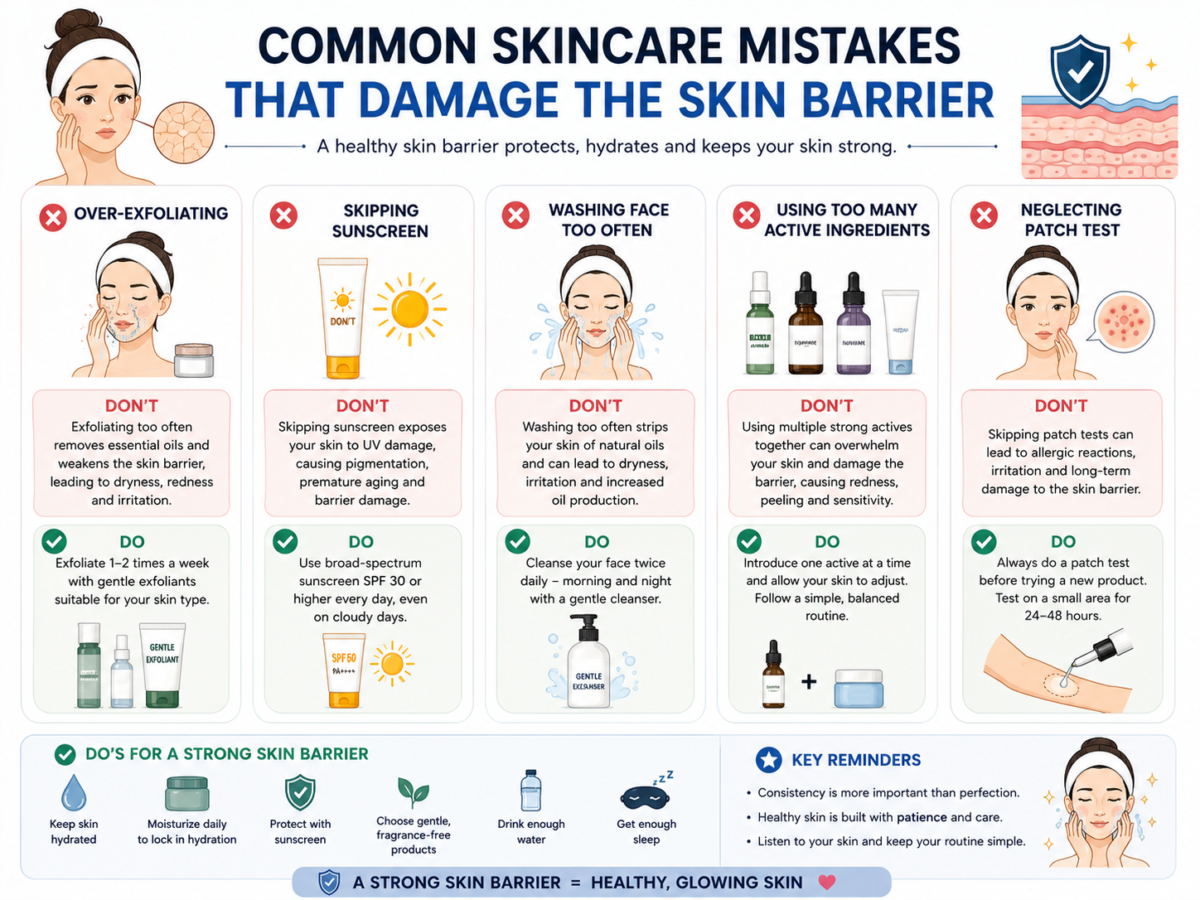
Common Mistakes Beginners Should Avoid

Even though Allantoin is easy to use, a few simple mistakes can reduce its benefits.

Expecting Instant Results

Allantoin improves skin gradually.

While your skin may feel softer after a few uses, noticeable improvements in texture and comfort usually require consistent use over several weeks.

Ignoring Moisturizer

Some people rely only on a serum.

To lock in hydration, it’s important to apply a moisturizer after your serum, especially if your skin is dry.

Overusing Strong Active Ingredients

If your routine already includes Retinol or exfoliating acids, avoid introducing too many new active ingredients at the same time.

Allantoin supports the skin, but giving your skin time to adjust is still important.

Skipping Sunscreen

Healthy skin needs daily sun protection.

Even if your routine contains soothing ingredients like Allantoin, applying sunscreen every morning helps protect your skin from UV damage and supports long-term skin health.

Is Allantoin Good for Acne-Prone Skin?

Yes, Allantoin can be a great addition to an acne-prone skincare routine. While it does not kill acne-causing bacteria or unclog pores like Salicylic Acid, it helps reduce the dryness and irritation that often come with acne treatments.

Many people use products containing ingredients such as Benzoyl Peroxide, Retinoids, or exfoliating acids to treat breakouts. These ingredients can sometimes leave the skin feeling tight, flaky, or uncomfortable. Allantoin helps soothe the skin and supports its natural repair process, making these treatments easier to tolerate.

If you have acne-prone skin, look for lightweight, non-comedogenic moisturizers or serums that include Allantoin along with ingredients like Niacinamide or Ceramides.

Is Allantoin Suitable for Sensitive Skin?

Absolutely.

Allantoin is one of the most recommended ingredients for sensitive skin because of its gentle nature. It helps calm irritation without causing additional stress to the skin.

People with sensitive skin often experience redness after cleansing, shaving, weather changes, or trying new skincare products. Using products that contain Allantoin can help keep the skin feeling comfortable and balanced.

For this reason, you’ll often find Allantoin in products made specifically for sensitive or easily irritated skin.

Can People with Dry Skin Benefit from Allantoin?

Yes.

Dry skin usually lacks both water and protective oils, which can lead to roughness, flaking, and tightness. Allantoin helps soften dry areas while supporting the skin’s ability to retain moisture.

When paired with hydrating ingredients such as Glycerin, Hyaluronic Acid, or Ceramides, it creates an excellent routine for maintaining soft and healthy-looking skin.

During colder months, switching to a richer moisturizer with Allantoin can help prevent seasonal dryness.

Allantoin vs. Hyaluronic Acid

Although these ingredients are often found together, they have different roles.

Allantoin

  • Soothes irritated skin
  • Softens rough patches
  • Supports the skin barrier
  • Helps improve skin comfort

Hyaluronic Acid

  • Attracts and holds water
  • Provides deep hydration
  • Helps skin appear plumper
  • Reduces the feeling of dryness

Which is better?

Neither is better than the other because they work in different ways. Using both together provides excellent hydration and skin-soothing benefits.

Allantoin vs. Aloe Vera

Both ingredients are known for calming the skin, but they are not identical.

Allantoin

  • Helps soften the skin
  • Supports skin repair
  • Strengthens the skin barrier
  • Works well in creams and serums

Aloe Vera

  • Provides a cooling sensation
  • Delivers lightweight hydration
  • Helps refresh the skin after sun exposure

Many skincare products combine these ingredients because they complement each other well.

Expert Tips to Get the Best Results from Allantoin

Using Allantoin correctly can make your skincare routine even more effective. These simple tips can help you get the most from this gentle ingredient.

  • Use Allantoin consistently rather than expecting overnight results.
  • Apply your moisturizer while the skin is slightly damp to help lock in hydration.
  • Pair Allantoin with Ceramides or Hyaluronic Acid for extra moisture.
  • Choose fragrance-free products if your skin is highly sensitive.
  • Always wear sunscreen during the day to protect your skin barrier.
  • Avoid over-cleansing, as it can strip away natural moisture.
  • Introduce only one new skincare product at a time so you can easily monitor how your skin responds.
  • Follow a simple routine instead of using too many active ingredients at once.

Small, consistent habits often lead to healthier skin than using a large number of products.

How to Choose the Best Allantoin Product

Not every product containing Allantoin is the same. Before buying one, consider the following points:

  • Check that Allantoin appears in the ingredient list.
  • Select a product designed for your skin type.
  • Choose fragrance-free options if your skin is sensitive.
  • Look for trusted skincare brands with transparent ingredient lists.
  • Avoid products that contain unnecessary irritants if your skin is easily reactive.

Remember, the overall formula matters more than a single ingredient.

Frequently Asked Questions (FAQs)

1. Is Allantoin an acid?

No. Despite the common search term “Allantoin Acid,” Allantoin is not an acid. It is a skin-conditioning ingredient that helps soothe, soften, and protect the skin.

2. Can I use Allantoin every day?

Yes. Allantoin is gentle enough for daily use in both morning and evening skincare routines.

3. Is Allantoin suitable for oily skin?

Yes. Lightweight products containing Allantoin can hydrate oily skin without making it feel greasy.

4. Does Allantoin help with acne?

Allantoin does not treat acne directly, but it helps calm irritated skin and supports recovery, especially when using acne treatments that may cause dryness.

5. Can Allantoin be used with Retinol?

Yes. Allantoin pairs well with Retinol and helps reduce the dryness and irritation that some people experience while using Retinol.

6. Is Allantoin safe for sensitive skin?

Yes. It is considered one of the gentlest skincare ingredients and is widely used in products formulated for sensitive skin.

7. Can Allantoin be used with Vitamin C?

Yes. These ingredients work well together. Vitamin C helps brighten the skin, while Allantoin keeps it calm and comfortable.

8. How long does it take to see results?

Many people notice softer skin within a few days, while improvements in skin texture and overall comfort usually become more noticeable after several weeks of consistent use.

Conclusion

Allantoin may not be the most talked-about skincare ingredient, but it is one of the most reliable. Its ability to soothe irritation, soften rough skin, support the skin barrier, and improve overall comfort makes it a valuable addition to almost any skincare routine.

Whether you have dry, oily, combination, acne-prone, or sensitive skin, Allantoin offers gentle care without the harshness associated with many active ingredients. It also works beautifully alongside popular ingredients like Hyaluronic Acid, Niacinamide, Ceramides, and Retinol, making it easy to include in both beginner and advanced skincare routines.

The most important thing to remember is that healthy skin is built through consistency, not quick fixes. Choosing well-formulated products, following a simple routine, and protecting your skin with daily sunscreen will help you get the best long-term results.
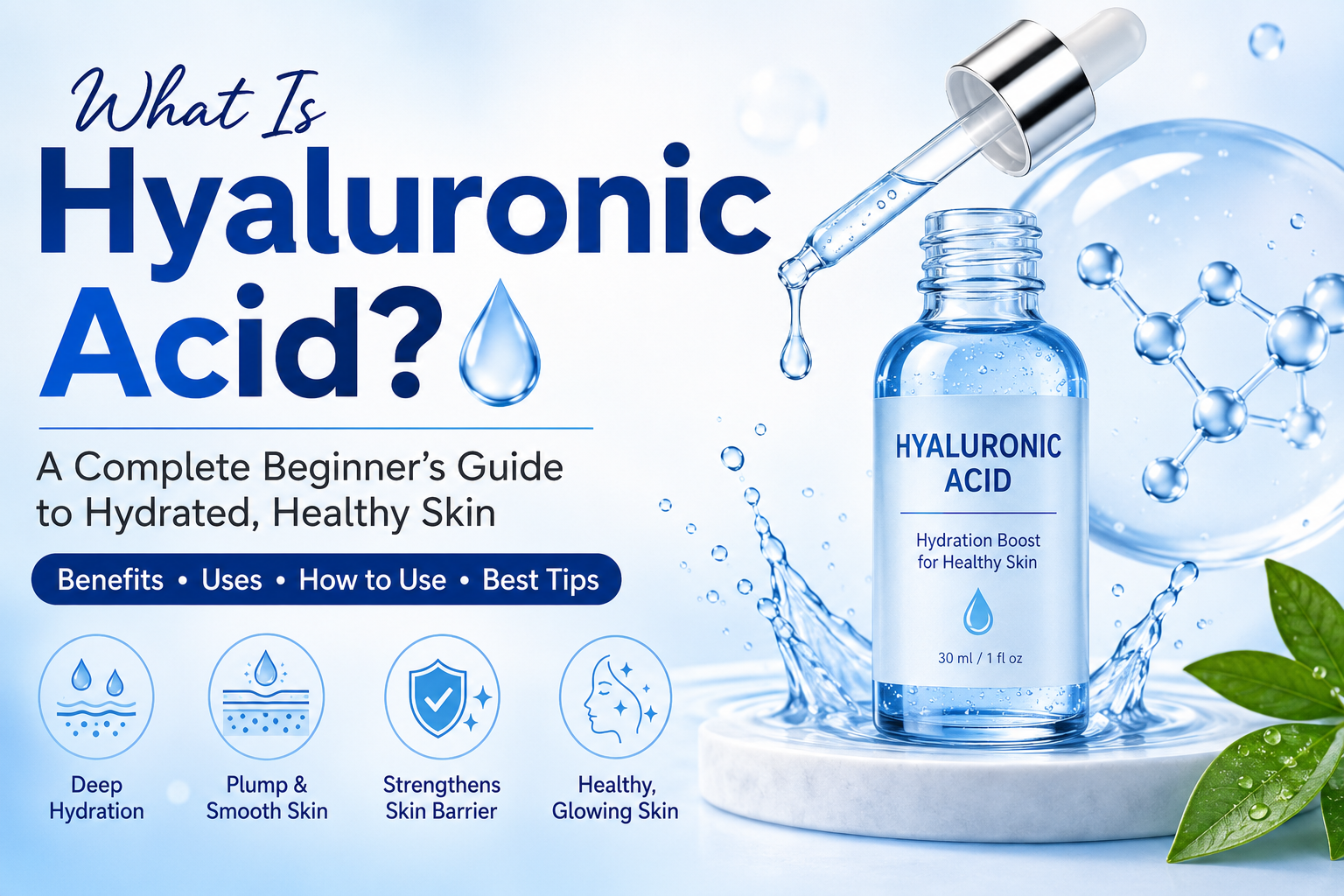
What Is Hyaluronic Acid? A Complete Beginner’s Guide (2026)

What Is Hyaluronic Acid? Beginner's guide showing Hyaluronic Acid serum, hydration benefits, and healthy glowing skin.

Have you ever wondered why some people have skin that looks fresh, soft, and naturally glowing? One of the biggest reasons could be proper skin hydration. While many skincare ingredients promise glowing skin, Hyaluronic Acid has earned a special place because it helps the skin stay hydrated without making it feel greasy.

If you are new to skincare, the name “Hyaluronic Acid” may sound harsh or confusing. Many beginners think it is an exfoliating acid that can damage the skin. In reality, it is one of the gentlest and most skin-friendly ingredients available today. Instead of removing skin layers, it works by attracting and holding moisture, helping your skin appear smoother, plumper, and healthier.

Whether you have dry, oily, combination, or sensitive skin, Hyaluronic Acid can become an important part of your skincare routine when used correctly. In this beginner’s guide, you will learn what Hyaluronic Acid is, how it works, its benefits, how to use it properly, common mistakes to avoid, and much more.

What Is Hyaluronic Acid?

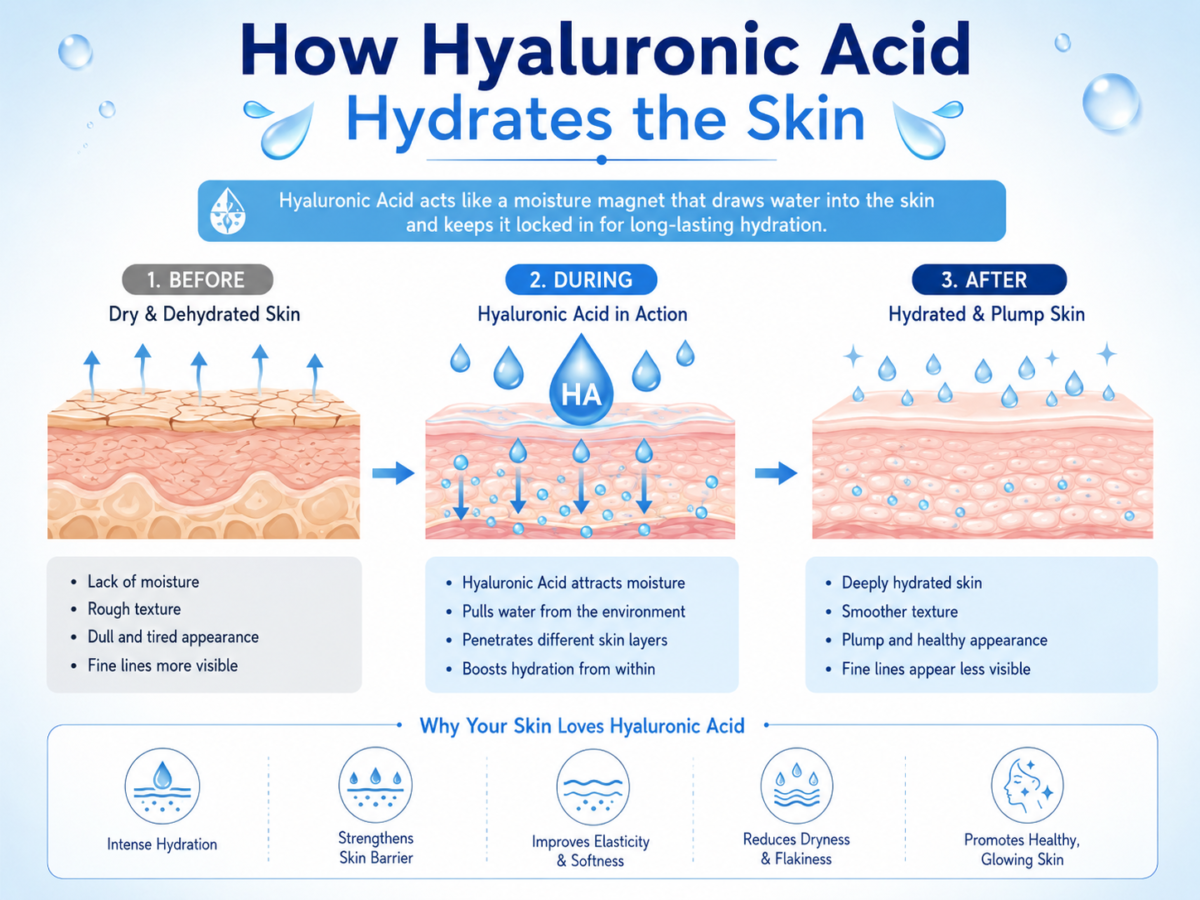
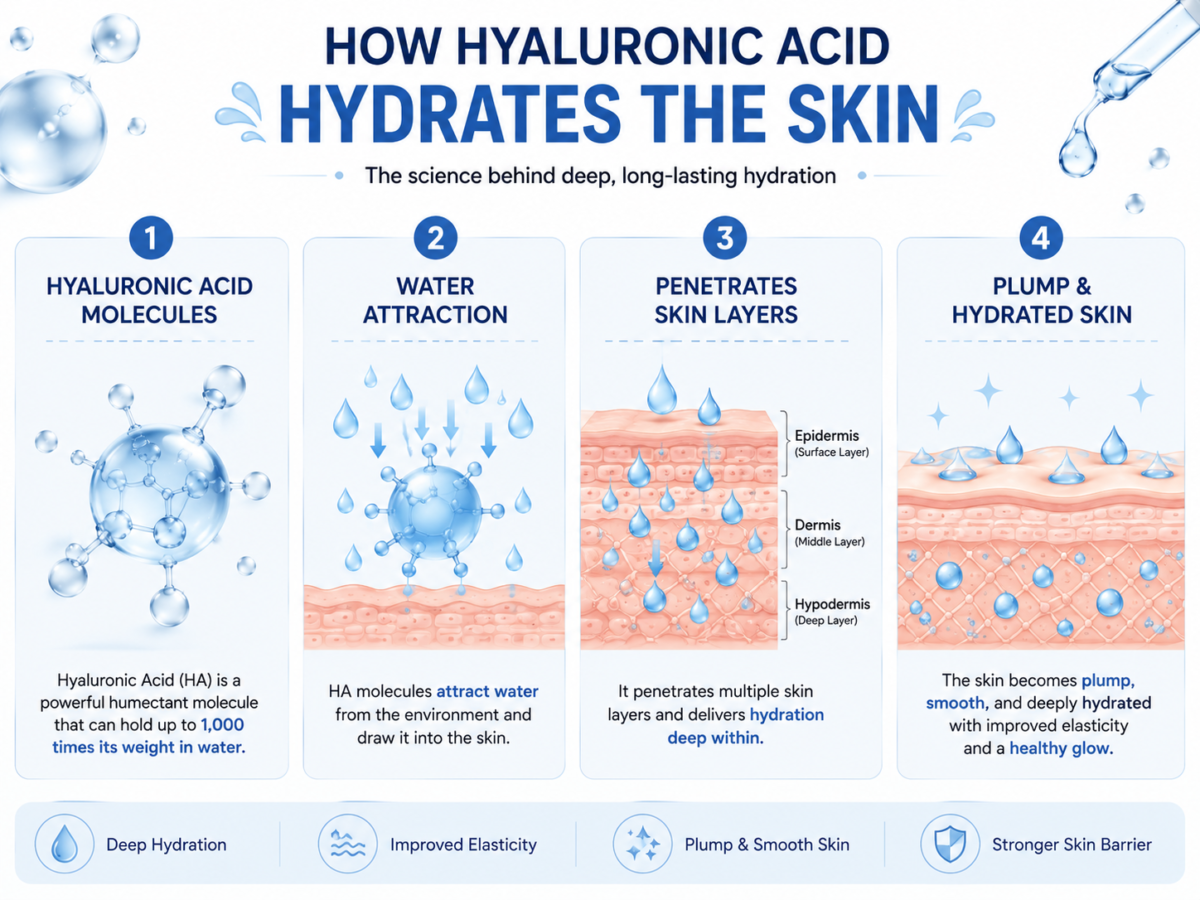
Hyaluronic Acid (often called HA) is a naturally occurring substance found in the human body. It is present in the skin, eyes, joints, and connective tissues. Its main job is to attract and hold water, keeping tissues hydrated and healthy.

Think of Hyaluronic Acid as a sponge.

Just like a sponge absorbs water and holds it, Hyaluronic Acid pulls moisture from the environment and locks it into the skin. This helps your skin stay soft, smooth, and flexible throughout the day.

Young skin naturally contains plenty of Hyaluronic Acid. However, as we age, our body’s natural production slowly decreases. Factors such as pollution, sun exposure, stress, lack of sleep, and an unhealthy lifestyle can reduce Hyaluronic Acid levels even faster.

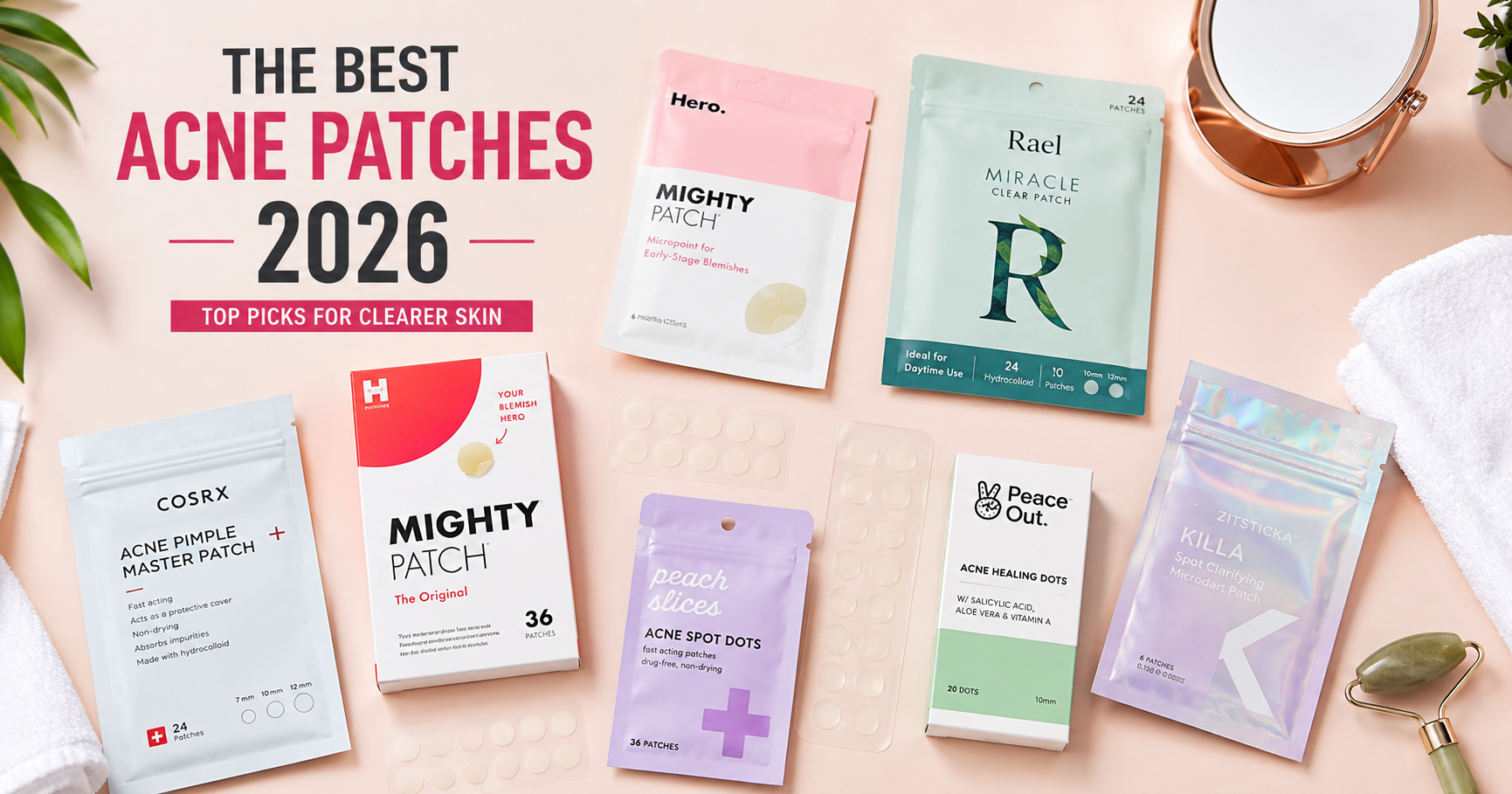
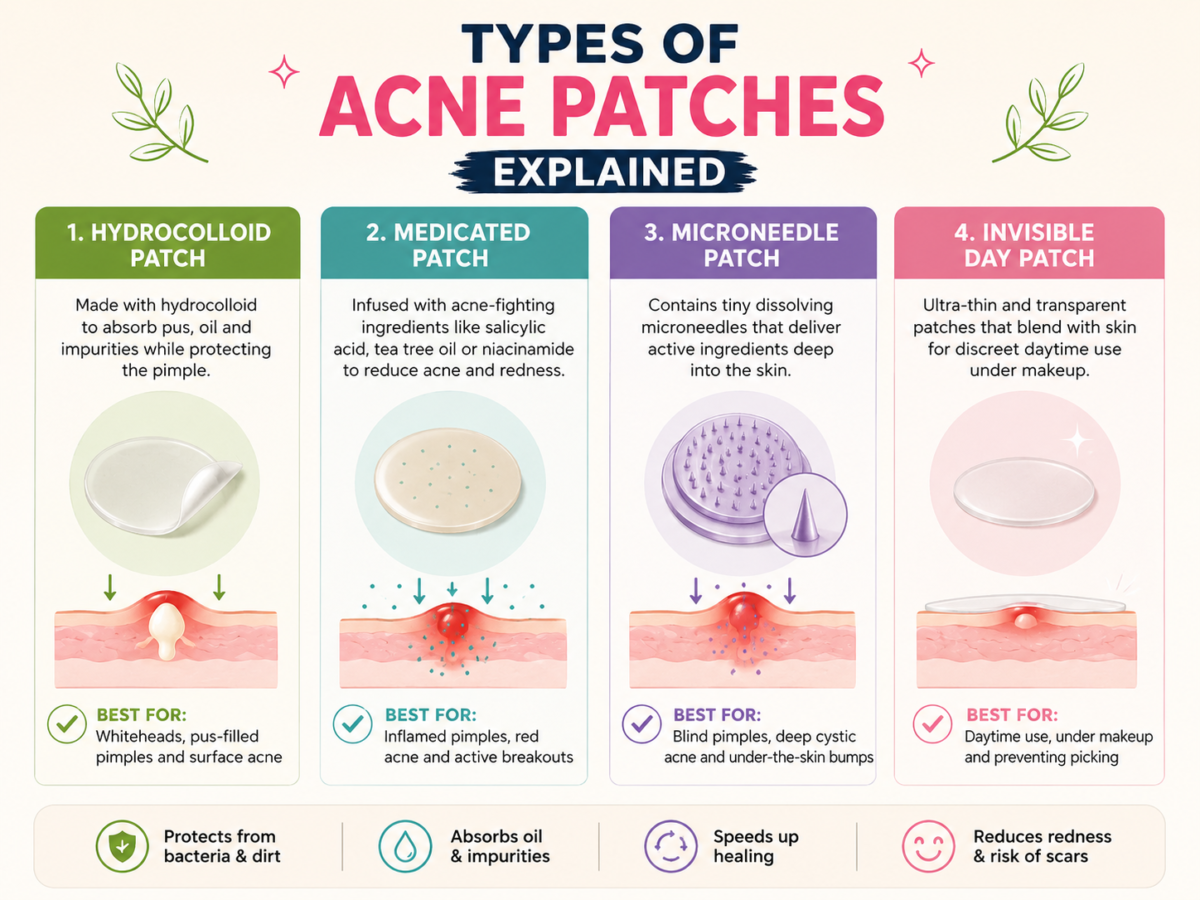
Read More: The Best Acne Patches 2026 : Your Complete Guide

When this happens, the skin may start showing signs like:

  • Dryness
  • Tightness
  • Fine lines
  • Rough texture
  • Dull appearance
  • Loss of elasticity

Using skincare products containing Hyaluronic Acid helps replace some of this lost hydration and supports a healthier skin barrier.

Unlike strong acids such as Glycolic Acid or Salicylic Acid, Hyaluronic Acid does not exfoliate the skin. Instead, it focuses entirely on hydration.


Why Is Hyaluronic Acid So Popular in Skincare?

Hyaluronic Acid has become one of the most recommended skincare ingredients by dermatologists and skincare experts because it works for almost every skin type.

Its popularity comes from its ability to provide hydration without making the skin oily or heavy.

Here are a few reasons why people love Hyaluronic Acid:

It Provides Deep Hydration

Hydrated skin looks healthier and feels more comfortable. Hyaluronic Acid attracts moisture and keeps the skin hydrated throughout the day.

It Works for Almost Everyone

Whether your skin is oily, dry, acne-prone, or sensitive, Hyaluronic Acid is usually well tolerated.

It Layers Well with Other Ingredients

It can be combined with ingredients like:

  • Vitamin C
  • Niacinamide
  • Ceramides
  • Peptides
  • Retinol (with proper moisturizing)

This makes it one of the easiest ingredients to include in a skincare routine.

It Gives Instant Results

Many people notice softer, smoother skin after just a few applications because hydration improves the skin’s appearance quickly.

Read More:What is Glycerin? A Beginner’s Complete Guide to Healthy and Hydrated Skin


How Does Hyaluronic Acid Work?

Understanding how Hyaluronic Acid works makes it much easier to use correctly.

Imagine your skin as a dry sponge.

When you pour water onto it, the sponge becomes soft, full, and flexible.

Hyaluronic Acid works in a similar way.

It attracts moisture and helps hold that water inside the upper layers of the skin. This extra hydration improves the appearance of the skin almost immediately.

The result is skin that looks:

  • More plump
  • More radiant
  • Less flaky
  • Softer to touch
  • Healthier overall

However, there is one important thing beginners often miss.

Hyaluronic Acid works best when there is moisture available.

This is why skincare experts recommend applying it to slightly damp skin, followed by a moisturizer that seals in the hydration.

Without a moisturizer, some of the moisture may evaporate, especially in very dry climates.


Different Types of Hyaluronic Acid in Skincare Products

Many skincare products contain different forms of Hyaluronic Acid. These forms are designed to hydrate different layers of the skin.

Here are the most common ones.

Sodium Hyaluronate

This is the most popular form found in skincare products.

It has smaller molecules than regular Hyaluronic Acid, allowing it to absorb more easily into the skin.

It provides long-lasting hydration without feeling sticky.

Read More: Best Face Wash for Glowing Skin: A Complete Guide for Healthy and Radiant Skin


Hydrolyzed Hyaluronic Acid

This version is broken into even smaller pieces.

It penetrates more easily and provides lightweight hydration.

It is commonly found in hydrating serums.


Sodium Acetylated Hyaluronate

Sometimes called “super Hyaluronic Acid,” this form stays on the skin longer and helps improve moisture retention.

It is especially helpful for dry skin.


Crosslinked Hyaluronic Acid

This type forms a breathable moisture layer over the skin.

It helps reduce water loss and keeps the skin hydrated for a longer period.


Many premium skincare products combine multiple forms of Hyaluronic Acid so the skin receives hydration at different levels.


Benefits of Hyaluronic Acid for the Skin

Hyaluronic Acid offers much more than simple hydration.

Here are some of its biggest skincare benefits.

1. Keeps Skin Hydrated

Hydration is the primary benefit.

Well-hydrated skin looks healthier, brighter, and more youthful.


2. Makes Skin Feel Softer

Dry skin often feels rough.

Regular use of Hyaluronic Acid helps improve softness and smoothness.


3. Reduces the Appearance of Fine Lines

When skin is properly hydrated, fine lines become less noticeable because the skin appears fuller.

Keep in mind that Hyaluronic Acid does not permanently remove wrinkles, but it can make them look less visible.


4. Supports a Healthy Skin Barrier

A strong skin barrier protects against pollution, irritation, and moisture loss.

Hydrated skin is generally better at maintaining this protective barrier.


5. Gives a Natural Glow

Skin often looks dull when it lacks moisture.

Adding hydration can make the complexion appear fresher and naturally radiant without looking oily.

Is Hyaluronic Acid Suitable for Every Skin Type?

One of the biggest reasons Hyaluronic Acid is loved by skincare experts is that it suits almost every skin type. Unlike some active ingredients that target only specific concerns, Hyaluronic Acid focuses on improving hydration, which every skin needs.

However, the way you use it may vary depending on your skin type.


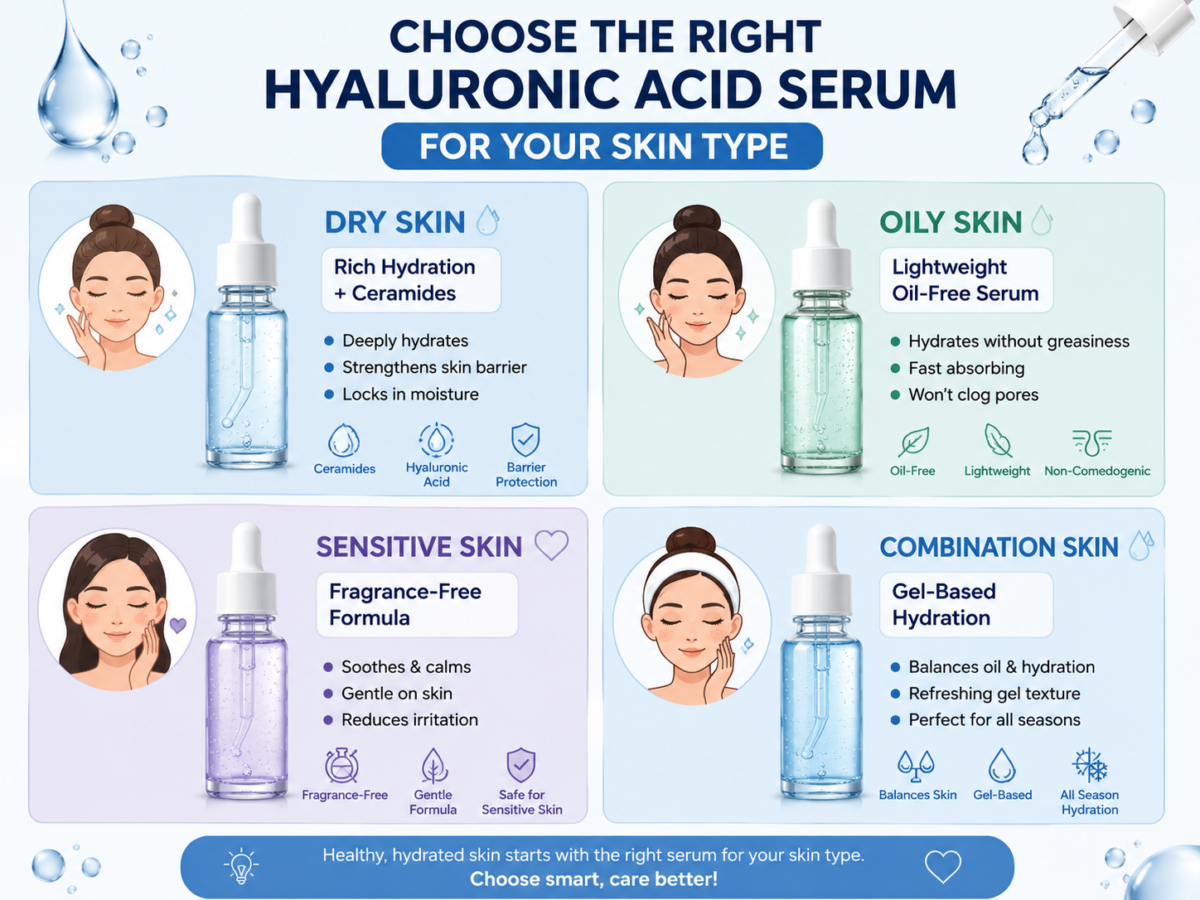
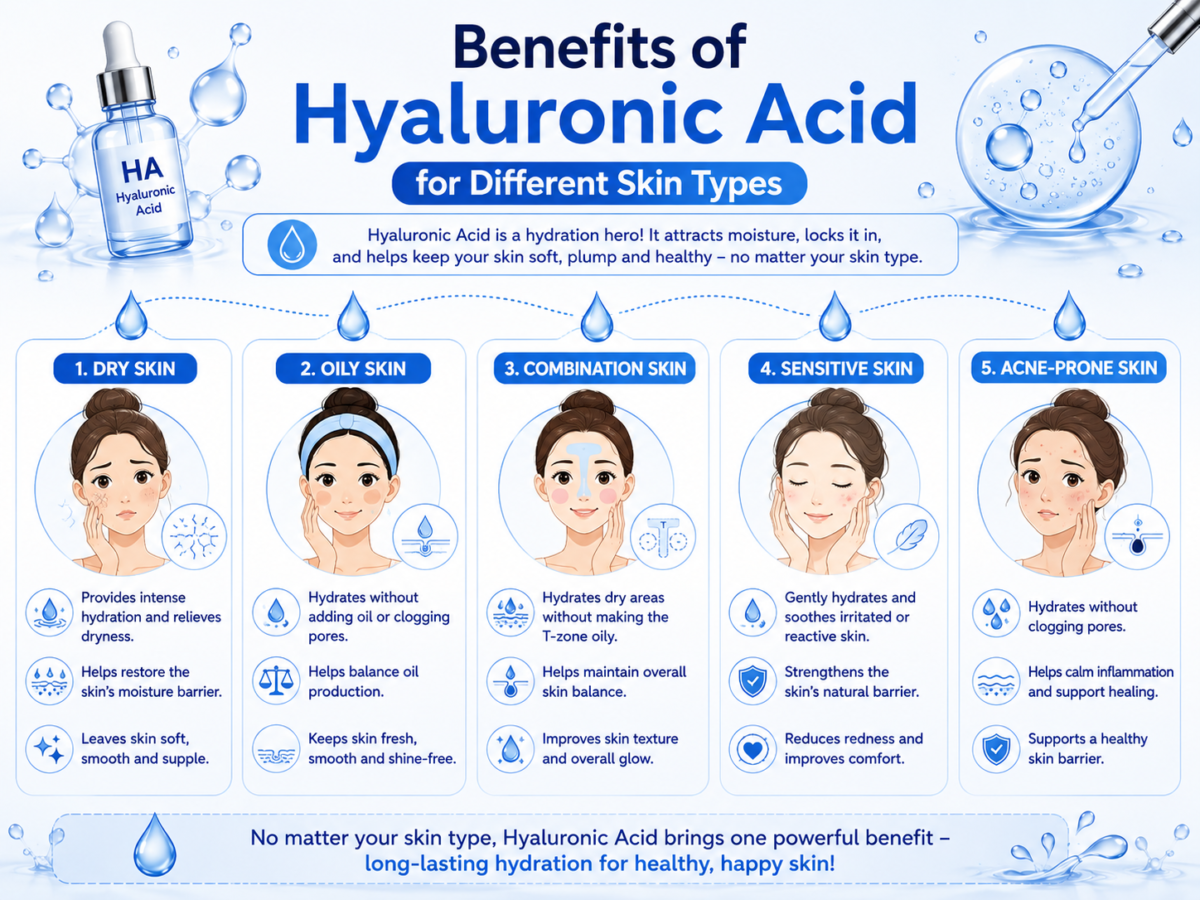
Hyaluronic Acid for Dry Skin

Dry skin lacks moisture, making it feel rough, flaky, or tight. Hyaluronic Acid helps attract water to the skin and reduces that uncomfortable dryness.

For best results:

  • Apply Hyaluronic Acid serum on slightly damp skin.
  • Follow with a rich moisturizer to lock in hydration.
  • Use it both morning and night if your skin feels very dry.

Example:
If your skin feels tight after washing your face, adding a Hyaluronic Acid serum before your moisturizer can make your skin feel softer and more comfortable throughout the day.


Hyaluronic Acid for Oily Skin

Many people with oily skin avoid moisturizing because they think it will make their face greasier. In reality, dehydrated skin may produce even more oil to compensate for the lack of moisture.

Hyaluronic Acid provides lightweight hydration without clogging pores or leaving a heavy feeling.

If you have oily skin:

  • Choose an oil-free Hyaluronic Acid serum.
  • Use a lightweight gel moisturizer afterward.
  • Avoid applying too many thick layers of skincare products.

Practical Tip:
Hydrated oily skin often appears more balanced and less shiny over time.


Hyaluronic Acid for Combination Skin

Combination skin usually has an oily T-zone (forehead, nose, and chin) with dry cheeks.

Hyaluronic Acid works well because it hydrates both oily and dry areas without making either side feel uncomfortable.

You can use:

  • Lightweight serum on the entire face.
  • Gel moisturizer on oily areas.
  • Cream moisturizer only where your skin feels dry.

Hyaluronic Acid for Sensitive Skin

Sensitive skin reacts easily to harsh ingredients, fragrances, or over-exfoliation.

The good news is that Hyaluronic Acid is generally considered gentle and non-irritating.

If you have sensitive skin:

  • Choose fragrance-free products.
  • Avoid products containing high amounts of alcohol.
  • Always perform a patch test before using a new skincare product.

Hyaluronic Acid for Acne-Prone Skin

People with acne often worry that hydrating products may cause more breakouts.

Pure Hyaluronic Acid itself is non-comedogenic, meaning it does not usually clog pores.

It can actually help because acne treatments like Benzoyl Peroxide or Retinoids may dry out the skin.

Adding Hyaluronic Acid helps restore moisture and improve skin comfort.


How to Use Hyaluronic Acid Correctly

Many beginners buy a Hyaluronic Acid serum but do not get the expected results because they apply it incorrectly.

Fortunately, using it the right way is simple.

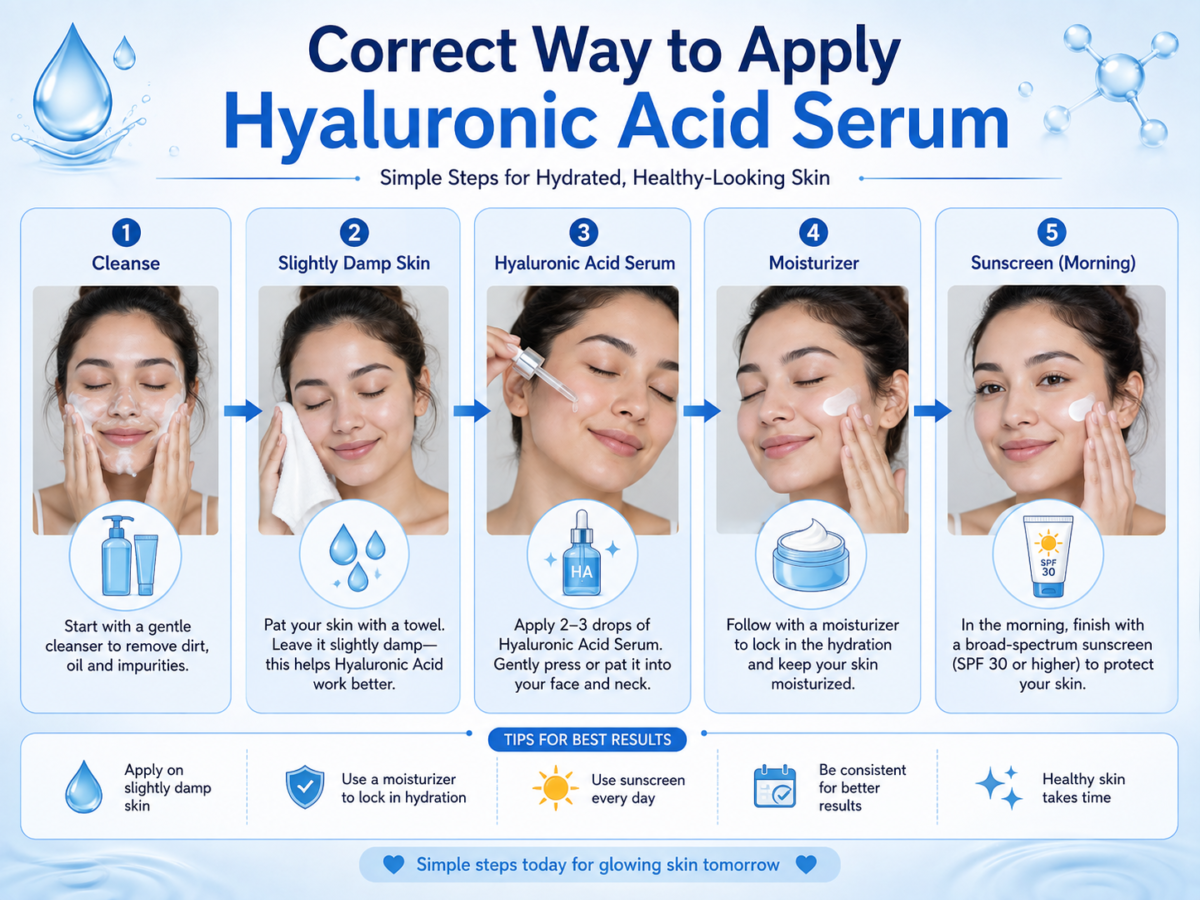
Step 1: Cleanse Your Face

Wash your face with a gentle cleanser suitable for your skin type.

Avoid harsh cleansers that leave your skin feeling extremely dry.


Step 2: Leave Your Skin Slightly Damp

Do not wait until your face becomes completely dry.

Instead, gently pat your skin with a towel so it remains slightly damp.

This moisture gives Hyaluronic Acid something to bind to.


Step 3: Apply Hyaluronic Acid Serum

Take 2–3 drops of serum and spread it evenly across your face and neck.

Do not rub aggressively.

Simply press or gently smooth it into the skin.


Step 4: Apply Moisturizer

This is one of the most important steps.

A moisturizer helps seal in the hydration that Hyaluronic Acid attracts.

Without moisturizer, some of the moisture may evaporate, especially in dry weather.


Step 5: Apply Sunscreen in the Morning

If you are using Hyaluronic Acid during the daytime, always finish with a broad-spectrum sunscreen (SPF 30 or higher).

Although Hyaluronic Acid itself does not make the skin more sensitive to sunlight, sunscreen protects your skin from UV damage and helps maintain overall skin health.


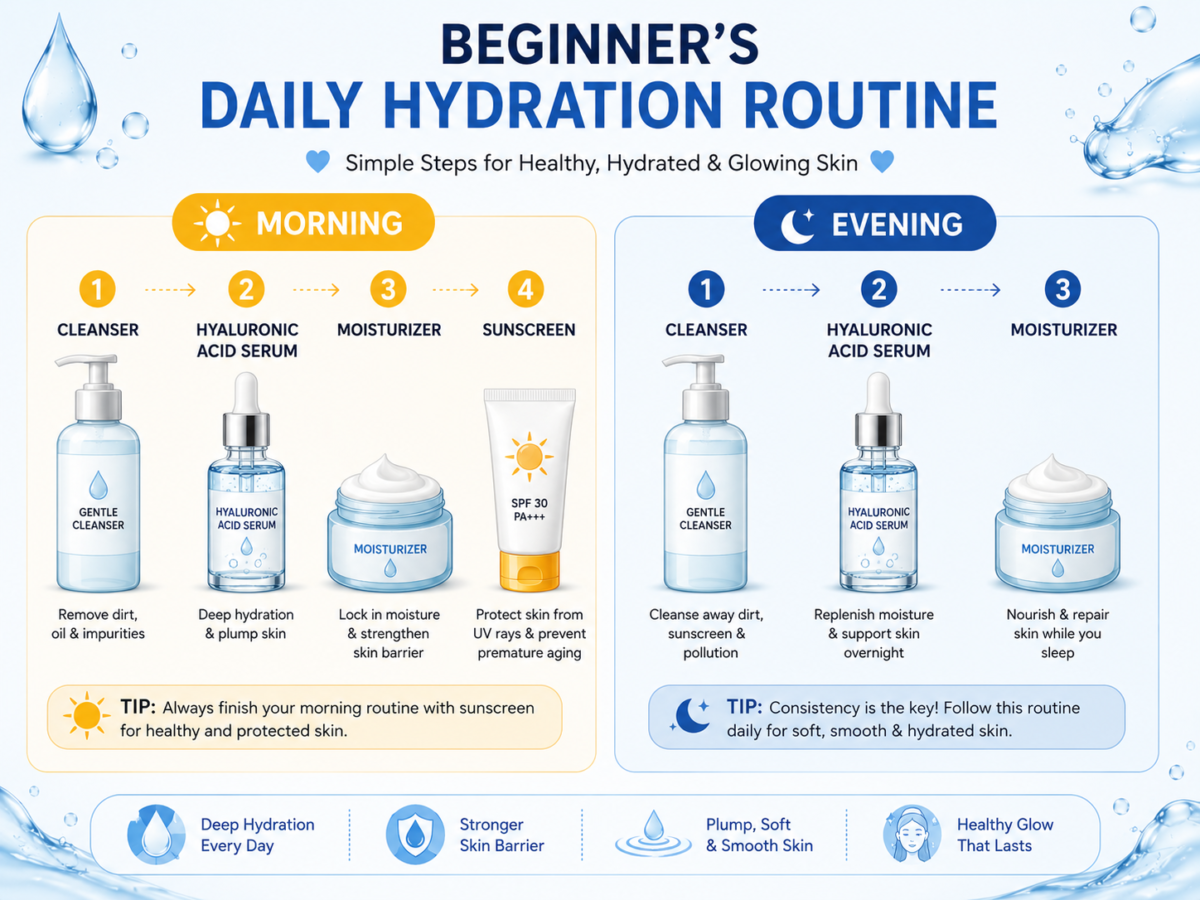
A Simple Beginner-Friendly Hyaluronic Acid Routine

If you are just starting skincare, you do not need a complicated routine.

Morning Routine

  1. Gentle cleanser
  2. Hyaluronic Acid serum
  3. Moisturizer
  4. Sunscreen

Night Routine

  1. Gentle cleanser
  2. Hyaluronic Acid serum
  3. Moisturizer

This routine is easy to follow and works well for most beginners.


Ingredients That Work Well with Hyaluronic Acid

One of the best things about Hyaluronic Acid is that it pairs well with many popular skincare ingredients.

Here are some excellent combinations.

Vitamin C + Hyaluronic Acid

Vitamin C helps brighten the skin and protect it from environmental damage.

Hyaluronic Acid adds hydration, reducing the dryness that some Vitamin C products may cause.

Together, they help create brighter and healthier-looking skin.

Niacinamide + Hyaluronic Acid

This combination is excellent for beginners.

Niacinamide helps:

  • Reduce excess oil
  • Improve skin texture
  • Strengthen the skin barrier
  • Minimize the appearance of pores

Hyaluronic Acid complements these benefits by keeping the skin hydrated and comfortable.

Ceramides + Hyaluronic Acid

Ceramides help repair the skin barrier, while Hyaluronic Acid provides hydration.

Together, they are especially helpful for dry and sensitive skin.

Peptides + Hyaluronic Acid

Peptides support firmer-looking skin.

When combined with Hyaluronic Acid, they create a routine focused on hydration and maintaining healthy-looking skin.

Retinol + Hyaluronic Acid

Retinol is known for improving skin texture and reducing visible signs of aging, but it can sometimes cause dryness.

Using Hyaluronic Acid before or after Retinol helps reduce dryness and improves comfort.

If you are new to Retinol:

  • Start slowly.
  • Use it only a few nights per week.
  • Always follow with a moisturizer.

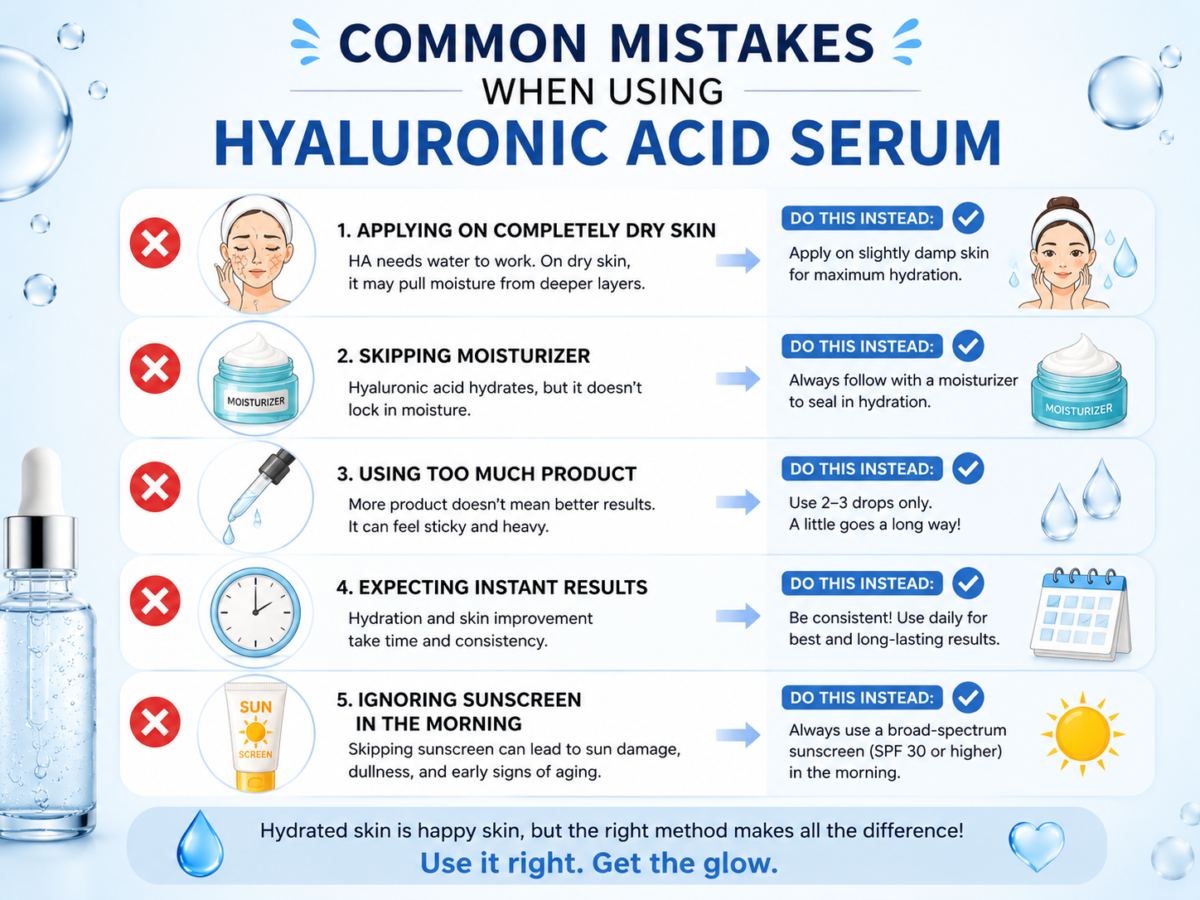
Common Mistakes When Using Hyaluronic Acid

Although Hyaluronic Acid is easy to use, beginners often make a few common mistakes.

Applying It to Completely Dry Skin

It works best when your skin is slightly damp.

This allows it to attract available moisture more effectively.

Skipping Moisturizer

Hyaluronic Acid is not a replacement for moisturizer.

Think of it as the ingredient that attracts water, while moisturizer helps keep that water inside the skin.

Using Too Much Product

More product does not always mean better results.

Usually, two or three drops are enough for the entire face.

Applying excessive amounts may leave the skin feeling sticky.

Expecting Overnight Miracles

Hydration improves quickly, but long-term skin health takes consistency.

Use Hyaluronic Acid daily for the best results.

Different Types of Hyaluronic Acid Skincare Products

Hyaluronic Acid is available in many skincare products, but each one serves a different purpose. Choosing the right product depends on your skin type, lifestyle, and skincare routine.

Let’s look at the most common options.


1. Hyaluronic Acid Serum

A serum is the most popular and effective way to use Hyaluronic Acid.

Serums usually contain a higher concentration of active ingredients and have a lightweight texture that absorbs quickly into the skin.

A Hyaluronic Acid serum is ideal if you want to:

  • Improve skin hydration
  • Reduce dryness
  • Achieve smoother-looking skin
  • Add moisture without feeling greasy

Best for: All skin types


2. Hyaluronic Acid Moisturizer

Many moisturizers now include Hyaluronic Acid along with ingredients like ceramides, glycerin, and natural oils.

These products not only provide hydration but also help lock moisture into the skin.

They are a great option if you prefer a simple skincare routine with fewer products.

Best for: Dry, normal, and combination skin


3. Hyaluronic Acid Face Mist

Face mists containing Hyaluronic Acid offer a quick refresh during the day.

While they shouldn’t replace your regular moisturizer, they can help your skin feel more comfortable in dry environments like air-conditioned offices or during travel.

Best for:

  • Office workers
  • Travelers
  • People with dehydrated skin

4. Hyaluronic Acid Sheet Masks

Sheet masks infused with Hyaluronic Acid provide an extra boost of hydration.

They are useful before special occasions when you want your skin to look fresh and plump.

Remember, sheet masks are an addition to your routine—not a replacement for daily skincare.


5. Hyaluronic Acid Eye Cream

The skin around the eyes is thinner than the rest of the face and tends to lose moisture more quickly.

Eye creams with Hyaluronic Acid help hydrate this delicate area, making it look smoother and less tired.


How to Choose the Best Hyaluronic Acid Product

Not all Hyaluronic Acid products are the same. Reading the ingredient list and understanding your skin’s needs can help you make a better choice.

Here are a few tips.

Look for Multiple Forms of Hyaluronic Acid

Many high-quality products combine different forms of Hyaluronic Acid, such as:

  • Sodium Hyaluronate
  • Hydrolyzed Hyaluronic Acid
  • Sodium Acetylated Hyaluronate

These ingredients hydrate different layers of the skin for longer-lasting moisture.


Choose Fragrance-Free Products for Sensitive Skin

Fragrance may irritate sensitive skin.

If your skin reacts easily, choose products labeled:

  • Fragrance-free
  • Alcohol-free
  • Dermatologist tested

Check for Helpful Supporting Ingredients

Some ingredients work particularly well with Hyaluronic Acid.

Look for products containing:

  • Ceramides
  • Glycerin
  • Panthenol (Vitamin B5)
  • Niacinamide

These ingredients strengthen the skin barrier while improving hydration.


Buy from Trusted Brands

Choose skincare products from reputable brands that clearly list their ingredients and provide transparent product information.

A well-formulated product is often more important than choosing the most expensive one.


Common Myths About Hyaluronic Acid

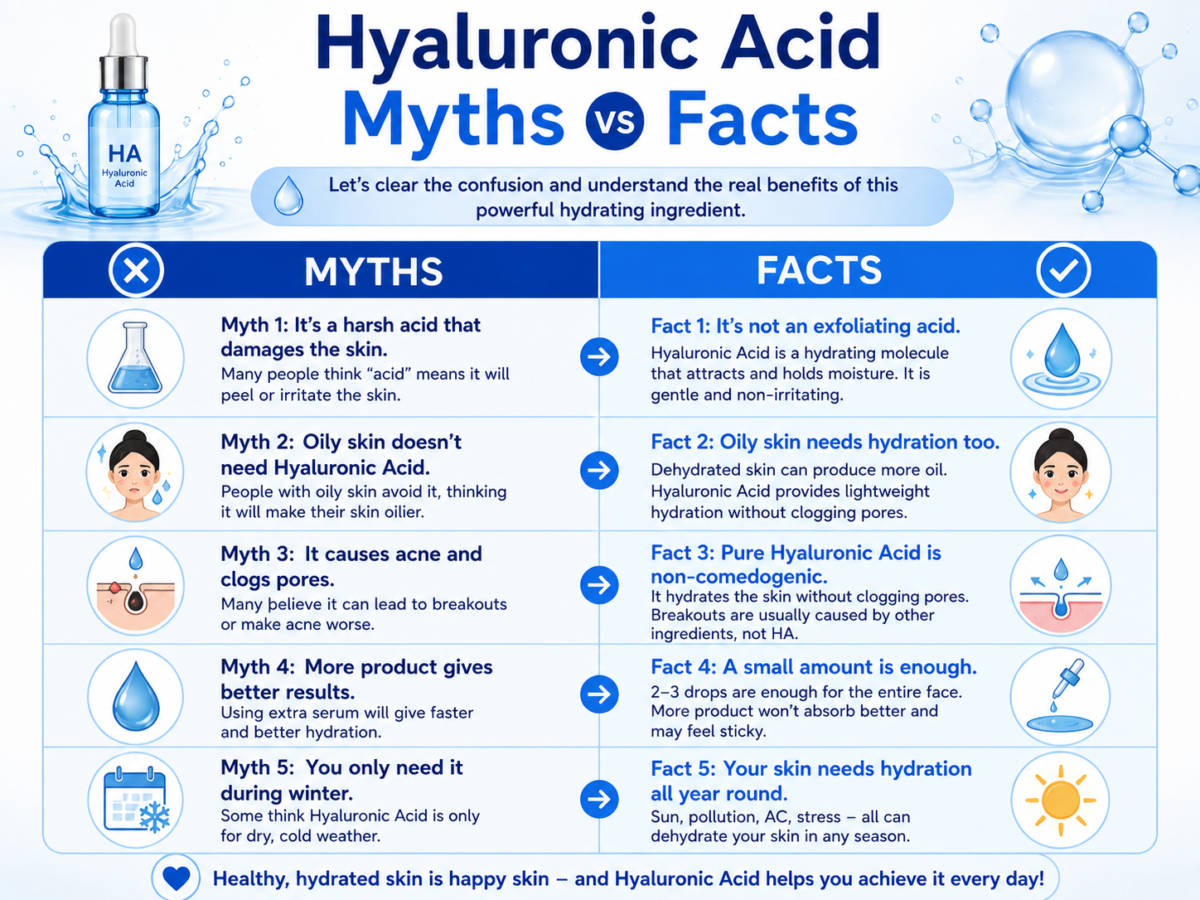
There are many misconceptions about this ingredient. Let’s separate the myths from the facts.


Myth 1: Hyaluronic Acid Is a Harsh Acid

Fact:

Despite its name, Hyaluronic Acid is not an exfoliating acid.

It does not peel the skin or remove dead skin cells.

Instead, it focuses on keeping the skin hydrated.


Myth 2: Oily Skin Doesn’t Need Hyaluronic Acid

Fact:

Oily skin can still become dehydrated.

Adding lightweight hydration may actually help balance oil production.


Myth 3: Hyaluronic Acid Causes Acne

Fact:

Pure Hyaluronic Acid is generally non-comedogenic.

Breakouts are more likely caused by other ingredients in a product rather than Hyaluronic Acid itself.


Myth 4: More Product Gives Better Results

Fact:

Using extra serum won’t make your skin more hydrated.

A small amount is enough because Hyaluronic Acid spreads easily across the skin.


Myth 5: You Only Need It During Winter

Fact:

Your skin loses moisture throughout the year.

Using Hyaluronic Acid during every season helps maintain healthy hydration levels.


Does Hyaluronic Acid Have Any Side Effects?

Hyaluronic Acid is considered one of the safest skincare ingredients.

Most people can use it daily without experiencing irritation.

However, some situations may cause minor problems.

Temporary Tightness

If you apply Hyaluronic Acid without following it with a moisturizer, your skin may feel slightly tight, especially in dry climates.


Product Sensitivity

Sometimes irritation is caused by added ingredients such as:

  • Artificial fragrance
  • Essential oils
  • Alcohol
  • Preservatives

If you notice redness or itching, stop using the product and check the ingredient list.


Allergic Reactions

True allergies to Hyaluronic Acid are rare.

If you experience severe redness, swelling, or difficulty breathing after using a skincare product, discontinue use immediately and seek medical attention.


Who Should Use Hyaluronic Acid?

Hyaluronic Acid is suitable for many people because hydration is important at every age.

It may be especially beneficial for:

Teenagers

Helps maintain healthy skin hydration, especially when using acne treatments that can dry out the skin.


Adults in Their 20s and 30s

Supports a healthy skin barrier and keeps the skin looking fresh and well-moisturized.


People Over 40

As natural Hyaluronic Acid levels decline with age, adding it to a skincare routine can help improve skin hydration and reduce the appearance of dryness and fine lines.


People with Dry or Dehydrated Skin

One of the best choices for restoring moisture and improving skin comfort.


People Living in Air-Conditioned Environments

Long hours in air-conditioned rooms can make the skin lose moisture more quickly.

Hyaluronic Acid helps replenish hydration.


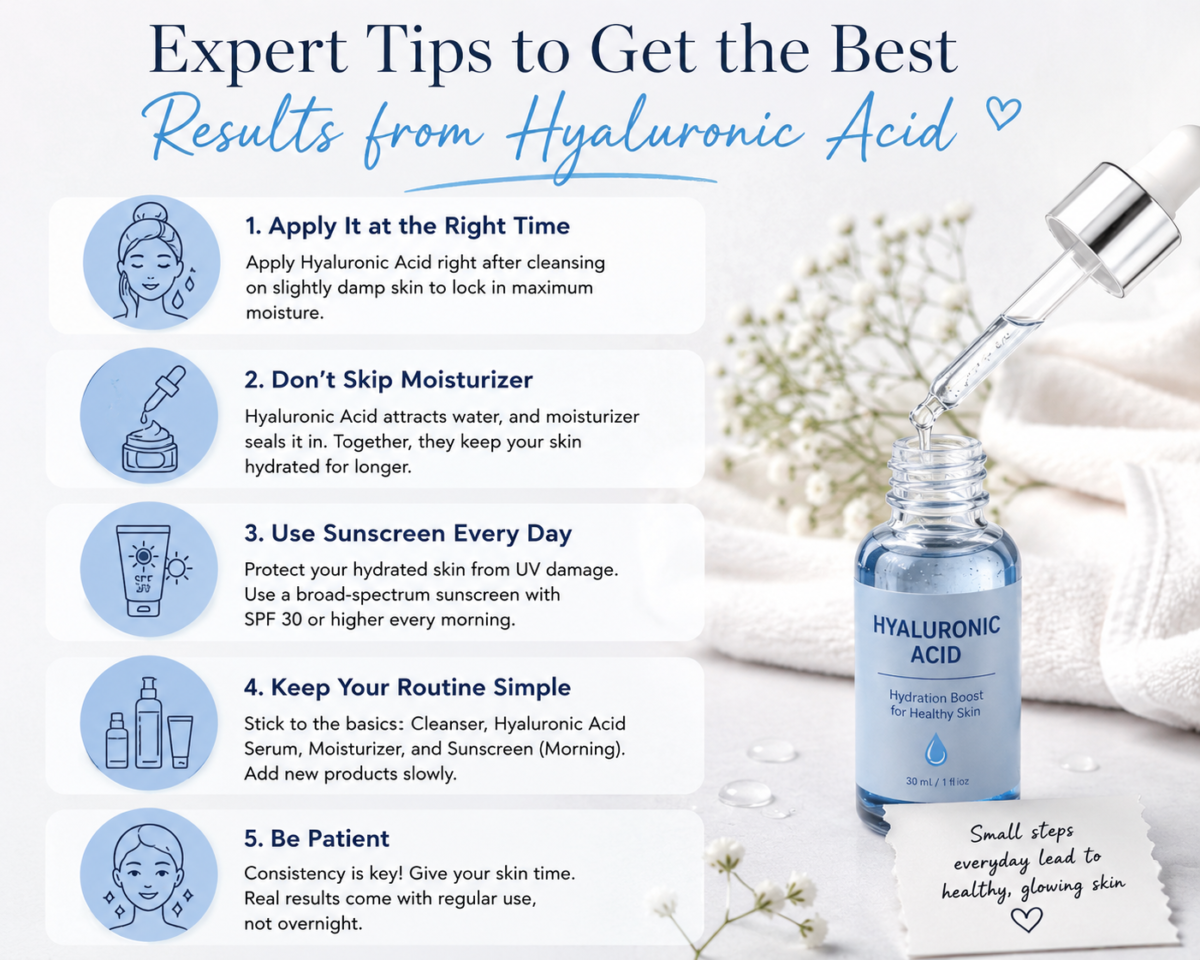
Expert Tips to Get the Best Results from Hyaluronic Acid

Adding Hyaluronic Acid to your skincare routine is easy, but using it the right way can make a noticeable difference. Small habits can improve how well your skin stays hydrated and healthy.

Here are some skincare expert tips for beginners:

Apply It at the Right Time

The best time to apply Hyaluronic Acid is immediately after cleansing your face while your skin is still slightly damp. This allows it to attract and hold more moisture.

If your skin has already dried completely, lightly mist your face with water before applying the serum.


Don’t Skip Moisturizer

Think of Hyaluronic Acid as a magnet for water and your moisturizer as the protective lid that keeps the water from escaping.

Using both together gives much better results than using either one alone.


Use Sunscreen Every Day

Hydrated skin still needs protection from the sun.

Daily use of a broad-spectrum sunscreen with SPF 30 or higher helps prevent sun damage, supports healthy skin, and protects your skincare results.


Keep Your Routine Simple

Many beginners buy too many products at once.

Instead, build a simple routine:

  • Gentle Cleanser
  • Hyaluronic Acid Serum
  • Moisturizer
  • Sunscreen (Morning)

Once your skin adjusts, you can slowly introduce other ingredients if needed.


Be Patient

Healthy skin doesn’t happen overnight.

Most people notice softer skin within a few days, but improvements in overall hydration and skin texture become more noticeable after several weeks of consistent use.

Consistency is always more important than using expensive products.


Quick Summary

Here’s a quick recap of what you’ve learned in this guide:

  • Hyaluronic Acid is a naturally occurring substance that helps keep the skin hydrated.
  • It attracts and holds moisture, making the skin look smoother and healthier.
  • It is suitable for almost all skin types, including dry, oily, combination, sensitive, and acne-prone skin.
  • It works best when applied to slightly damp skin and followed by a moisturizer.
  • It pairs well with ingredients such as Vitamin C, Niacinamide, Ceramides, Peptides, and Retinol.
  • It is available in serums, moisturizers, face mists, eye creams, and sheet masks.
  • Consistent use, along with sunscreen and a healthy skincare routine, delivers the best results.

Frequently Asked Questions (FAQs)

1. What is Hyaluronic Acid used for?

Hyaluronic Acid is mainly used to hydrate the skin. It helps attract and retain moisture, making the skin feel softer, smoother, and more supple. It can also reduce the appearance of fine lines caused by dehydration.


2. Can I use Hyaluronic Acid every day?

Yes. Hyaluronic Acid is gentle enough for daily use. Most people can apply it once or twice a day, depending on their skincare routine and skin’s hydration needs.


3. Is Hyaluronic Acid good for oily skin?

Yes. Oily skin also needs hydration. A lightweight Hyaluronic Acid serum can provide moisture without leaving the skin feeling greasy or clogging pores.


4. Should I apply Hyaluronic Acid before or after moisturizer?

Apply Hyaluronic Acid first on slightly damp skin, then follow with a moisturizer. This helps lock in the hydration and keeps your skin moisturized for longer.


5. Can I use Hyaluronic Acid with Vitamin C?

Absolutely. Vitamin C and Hyaluronic Acid complement each other well. Vitamin C helps brighten the skin, while Hyaluronic Acid provides hydration, making this combination a popular choice for a morning skincare routine.


6. Can Hyaluronic Acid be used with Retinol?

Yes. Hyaluronic Acid pairs well with Retinol and can help reduce the dryness or tightness that some people experience when using Retinol. Apply according to the instructions of your products and always use a moisturizer.


7. Does Hyaluronic Acid lighten the skin?

No. Hyaluronic Acid does not bleach or lighten the skin. However, by improving hydration, it can make the skin look fresher, healthier, and naturally more radiant.


8. Is Hyaluronic Acid safe for sensitive skin?

In most cases, yes. It is generally well tolerated by sensitive skin. To be safe, choose fragrance-free products and perform a patch test before using any new skincare product.


9. At what age should I start using Hyaluronic Acid?

There is no fixed age. Many people begin using Hyaluronic Acid in their late teens or early twenties as part of a basic skincare routine to maintain healthy, hydrated skin.


10. Can Hyaluronic Acid replace a moisturizer?

No. Hyaluronic Acid attracts moisture, but it does not seal it into the skin. A moisturizer is still necessary to lock in hydration and strengthen the skin barrier.


Final Thoughts

Hyaluronic Acid has earned its reputation as one of the most effective and beginner-friendly skincare ingredients—and for good reason. Instead of offering quick fixes or unrealistic promises, it supports your skin by providing the hydration it naturally needs.

Whether your goal is to reduce dryness, improve skin texture, achieve a healthy glow, or simply build a simple skincare routine, Hyaluronic Acid is a reliable ingredient that fits almost every skin type.

The secret to getting the best results isn’t using the most expensive product—it’s using the right product consistently. Apply it to slightly damp skin, follow with a moisturizer, wear sunscreen every day, and give your skin time to respond.

Healthy, glowing skin is built through daily care, and Hyaluronic Acid can be a valuable part of that journey.

What is Glycerin? A Beginner’s Complete Guide to Healthy and Hydrated Skin

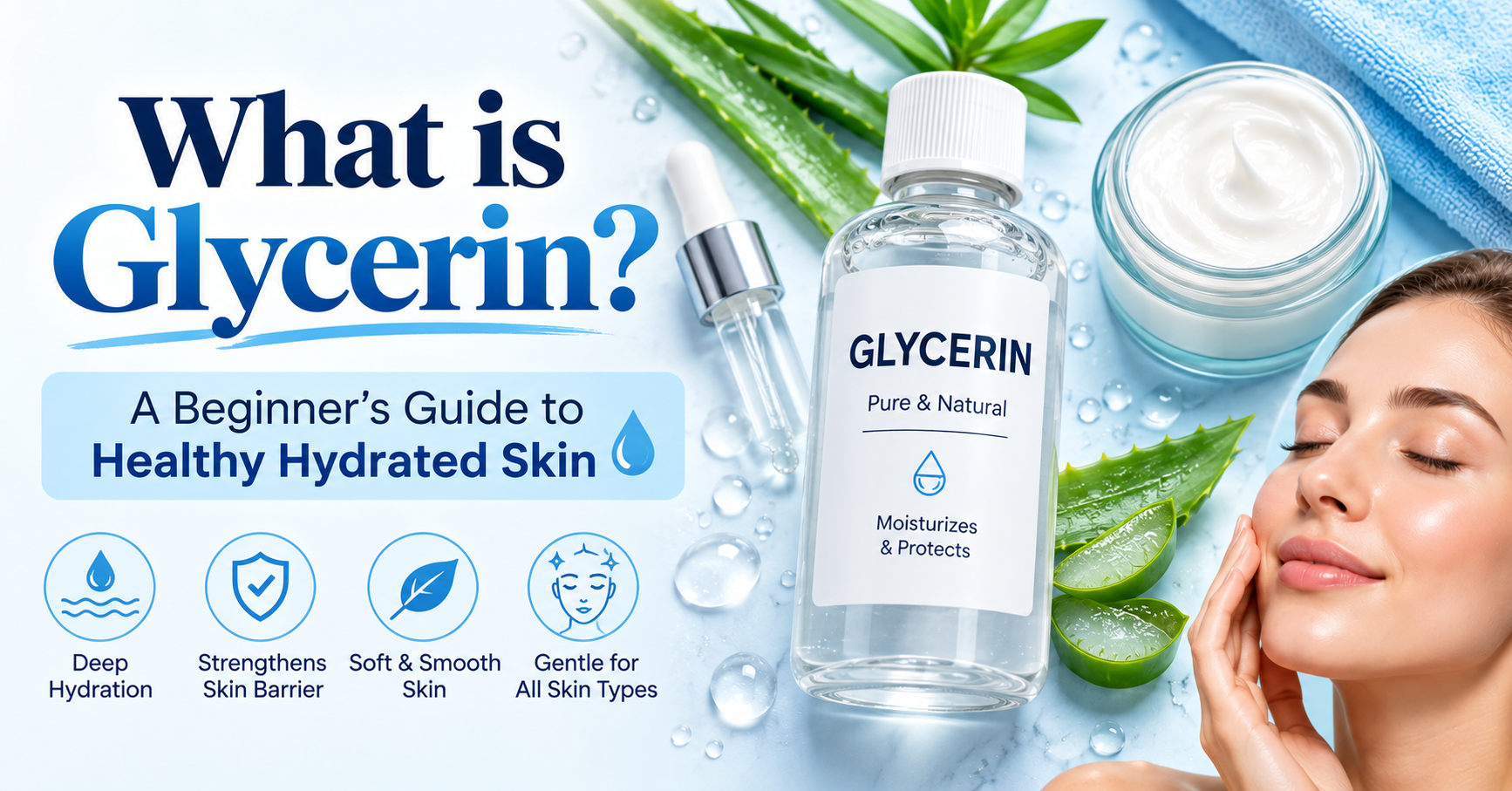
A transparent glycerin bottle with moisturizer, serum dropper, aloe vera leaves, and water droplets on a soft blue and white background, illustrating the skincare benefits of glycerin.

Have you ever looked at the ingredients list on your moisturizer, face wash, serum, or body lotion and noticed the word glycerin? It is one of the most common skincare ingredients in the world, yet many people don’t know what it actually does.

Some people believe glycerin is only meant for dry skin, while others think it is too sticky or can make the skin oily. The truth is very different. Glycerin is one of the safest, most effective, and most affordable skincare ingredients available today. Whether you have dry, oily, combination, or sensitive skin, glycerin can play an important role in keeping your skin healthy.

What makes glycerin special is its ability to attract water. Instead of simply sitting on the surface of your skin, it helps your skin hold on to moisture for longer. This makes the skin feel softer, smoother, and more comfortable throughout the day.

In this beginner-friendly guide, you’ll learn exactly what glycerin is, how it works, why skincare experts recommend it, and how to use it correctly for the best results.

Read More: What Is the Cosmetic Industry? A Beginner’s Complete Guide (2026)


What is Glycerin?

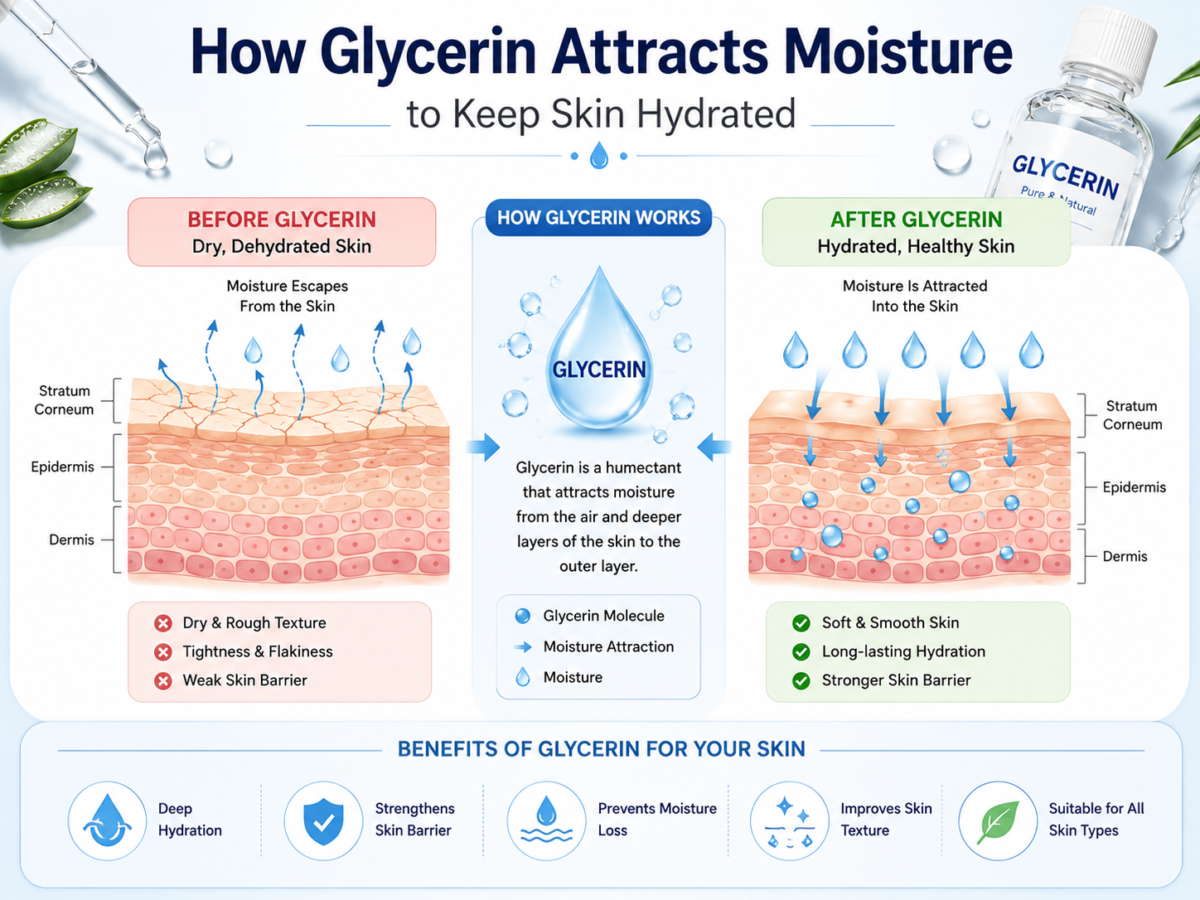
Glycerin, also called glycerol, is a clear, colorless, odorless liquid that has a slightly sweet taste. In skincare, it is mainly used as a humectant, which means it attracts moisture and helps keep the skin hydrated.

Imagine your skin as a sponge. When a sponge is dry, it becomes rough and stiff. But when it absorbs water, it becomes soft and flexible again. Glycerin works in a similar way. It attracts moisture and helps your skin stay hydrated, making it look healthier and feel smoother.

Because of this amazing property, glycerin is included in thousands of skincare and cosmetic products worldwide.

You can find glycerin in products such as:

  • Moisturizers
  • Face creams
  • Cleansers
  • Face serums
  • Toners
  • Body lotions
  • Lip balms
  • Hand creams
  • Sheet masks
  • Hair conditioners
  • Soaps
  • Sunscreens

Many dermatologists consider glycerin one of the most reliable ingredients because it works well for almost every skin type.


Where Does Glycerin Come From?

Glycerin can come from different natural and synthetic sources. Regardless of its source, purified cosmetic-grade glycerin works in the same way on the skin.

The most common sources include:

1. Vegetable Glycerin

Vegetable glycerin is produced from plant oils such as:

  • Coconut oil
  • Palm oil
  • Soybean oil
  • Sunflower oil

This is the type most commonly used in skincare products because it is gentle and suitable for daily use.

2. Animal-Based Glycerin

Some glycerin is obtained during the processing of animal fats. While it performs similarly on the skin, many modern skincare brands now prefer plant-based glycerin.

3. Synthetic Glycerin

Scientists can also produce glycerin in laboratories using chemical processes. It has the same moisturizing ability as natural glycerin and is commonly used in cosmetic manufacturing.


How Does Glycerin Work on the Skin?

To understand glycerin, think about watering a plant.

When a plant doesn’t receive enough water, its leaves become dry and weak. Once watered, the leaves become fresh and healthy again.

Your skin behaves in a similar way.

Every day, your skin loses moisture because of:

  • Sun exposure
  • Air conditioning
  • Cold weather
  • Hot showers
  • Harsh soaps
  • Pollution
  • Aging

When your skin loses too much water, it may become:

  • Dry
  • Rough
  • Tight
  • Flaky
  • Dull
  • Irritated

Glycerin helps solve this problem by attracting water from the surrounding environment and the deeper layers of your skin to the outer surface. This extra moisture keeps your skin soft and comfortable.

After applying a glycerin-based moisturizer, your skin often feels smoother within minutes.

Read More: BMR. What is Batch Manufacturing Record in the Cosmetic Industry?


Why is Glycerin So Popular in Skincare?

There are thousands of moisturizing ingredients available today, but glycerin continues to be one of the favorites among skincare experts.

Here are a few reasons why:

It Works for Almost Everyone

Unlike some active ingredients that may cause irritation, glycerin is generally well tolerated by most skin types.

It is Affordable

Many luxury skincare products contain glycerin, but even budget-friendly moisturizers use it because it is highly effective.

It Mixes Well with Other Ingredients

Glycerin works beautifully alongside ingredients like:

  • Hyaluronic acid
  • Ceramides
  • Niacinamide
  • Panthenol
  • Aloe vera

This makes it suitable for almost every skincare routine.

It Can Be Used Every Day

Most people can safely use glycerin-based skincare products both morning and night without worrying about overuse.


Top Benefits of Glycerin for Skin

1. Deeply Hydrates the Skin

Hydration is the biggest reason people use glycerin.

Instead of simply coating the skin with oil, glycerin attracts water and helps the skin maintain moisture.

As a result, your skin feels:

  • Softer
  • Plumper
  • Healthier
  • More comfortable

People with dehydrated skin often notice visible improvement after using glycerin consistently.


2. Helps Strengthen the Skin Barrier

Your skin has a protective barrier that keeps moisture inside while blocking harmful environmental irritants.

When this barrier becomes weak, your skin may become:

  • Sensitive
  • Dry
  • Red
  • Itchy

Glycerin supports the skin barrier by improving hydration levels, allowing the skin to repair itself more effectively over time.

A stronger skin barrier also helps reduce moisture loss throughout the day.


3. Reduces Dryness and Flakiness

Cold weather, frequent face washing, and harsh cleansers can leave your skin feeling dry.

Using products that contain glycerin helps reduce rough patches and flaky skin by restoring lost moisture.

Many winter moisturizers contain glycerin because it helps the skin stay comfortable even in dry weather.


4. Makes Skin Feel Softer

Healthy skin contains enough moisture to remain smooth and flexible.

When glycerin improves hydration, the skin naturally feels softer to the touch.

This is one reason why body lotions and hand creams often include glycerin as one of their main ingredients.

Is Glycerin Good for Every Skin Type?

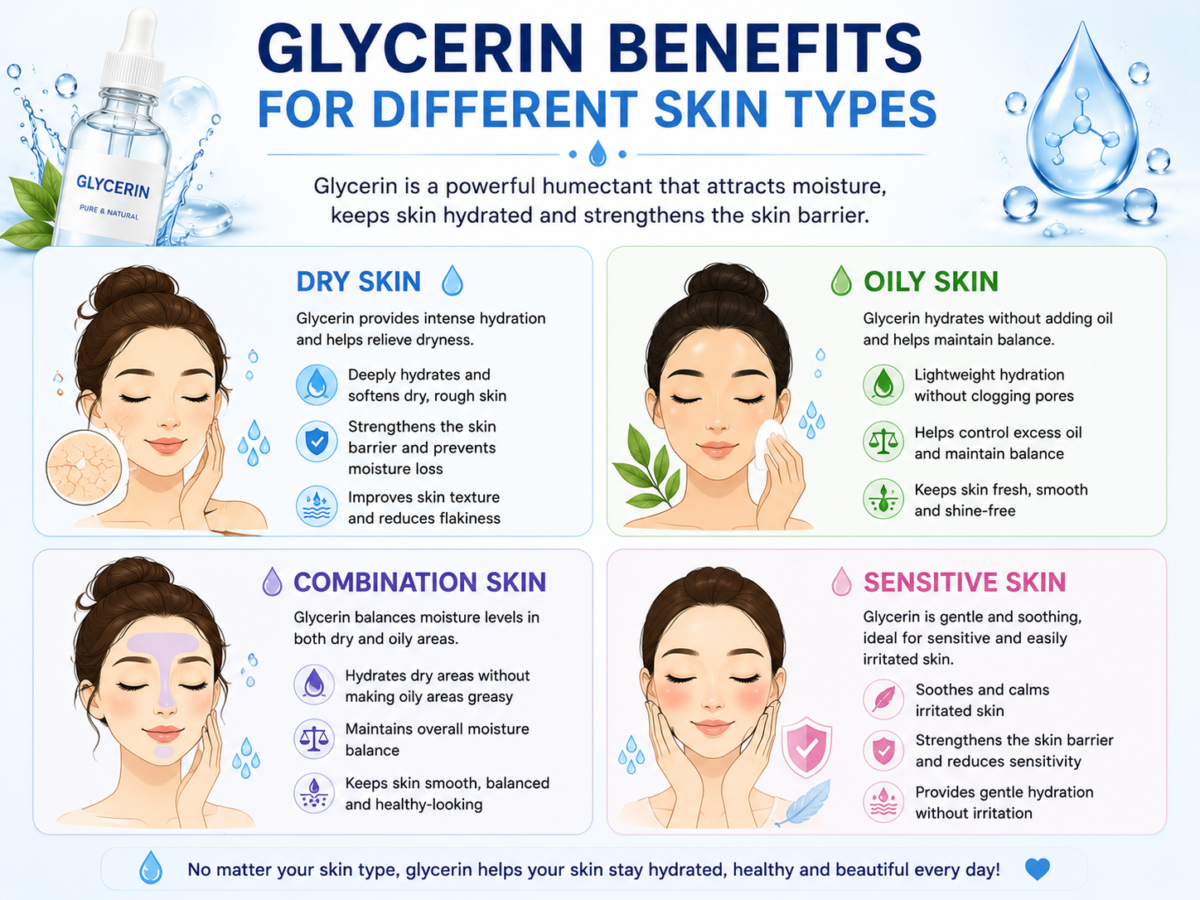
One of the biggest reasons glycerin is so popular is that it works well for almost every skin type. Unlike some active ingredients that target only one concern, glycerin focuses on improving the skin’s moisture balance. Healthy hydration benefits nearly everyone, whether your skin is dry, oily, or sensitive.

Let’s understand how glycerin works for different skin types.

Read More: The Best Acne Patches 2026 : Your Complete Guide


Glycerin for Dry Skin

Dry skin often feels rough, tight, or flaky because it lacks enough moisture. Cold weather, hot showers, harsh soaps, and aging can make dryness even worse.

Glycerin helps by attracting water to the skin, making it feel softer and more comfortable. When used regularly in a moisturizer, it can reduce the appearance of dry patches and improve overall skin texture.

Practical Tip

If you have dry skin:

  • Apply a glycerin-based moisturizer immediately after washing your face.
  • Use it while your skin is still slightly damp to help lock in moisture.
  • Follow with a richer cream during winter if your skin feels extra dry.

Glycerin for Oily Skin

Many people with oily skin avoid moisturizers because they think extra hydration will make their face oilier. In reality, oily skin can also become dehydrated.

When your skin lacks water, it may produce even more oil to compensate. This can lead to a shiny appearance and clogged pores.

Glycerin provides lightweight hydration without leaving a greasy feeling. That’s why many gel moisturizers for oily skin include glycerin as one of their main ingredients.

Practical Tip

Choose products labeled:

  • Oil-free
  • Non-comedogenic
  • Lightweight gel moisturizer

These formulas usually hydrate the skin without making it feel heavy.


Glycerin for Combination Skin

Combination skin has both oily and dry areas. For example:

  • Oily forehead, nose, and chin (T-zone)
  • Dry or normal cheeks

Finding products that suit both areas can be difficult.

Because glycerin is lightweight yet effective, it hydrates dry areas without overwhelming oily zones. This balanced hydration makes it an excellent everyday ingredient for combination skin.


Glycerin for Sensitive Skin

Sensitive skin can react easily to environmental changes, harsh skincare products, or strong fragrances.

Pure glycerin itself is generally gentle and is often recommended in skincare products designed for sensitive skin.

However, the overall formula matters. A moisturizer containing glycerin but also packed with alcohol or strong fragrance may still irritate sensitive skin.

Practical Tip

Look for products that are:

  • Fragrance-free
  • Alcohol-free
  • Dermatologist-tested
  • Suitable for sensitive skin

Always patch test a new product before applying it to your entire face.


Glycerin for Acne-Prone Skin

People with acne sometimes skip moisturizers because they worry about clogged pores.

The good news is that glycerin itself is non-comedogenic, meaning it does not typically clog pores.

Keeping acne-prone skin properly hydrated is important because many acne treatments, such as benzoyl peroxide and retinoids, can cause dryness.

A lightweight moisturizer containing glycerin can help reduce this dryness while supporting the skin barrier.

Read More: Dermatologist Skincare: A Complete Guide to Premium, Clinically Backed Skincare


Scientific Benefits of Glycerin

Beyond making the skin feel soft, glycerin offers several scientifically recognized skincare benefits.


1. Improves Skin Hydration

Hydration is the most well-known benefit of glycerin.

By attracting water to the outer layer of the skin, glycerin helps maintain a healthy moisture balance throughout the day.

Well-hydrated skin often looks:

  • Fresher
  • Smoother
  • More radiant
  • Healthier

2. Reduces Transepidermal Water Loss (TEWL)

Our skin naturally loses water every day through a process called Transepidermal Water Loss (TEWL).

Excessive water loss can make the skin:

  • Dry
  • Tight
  • Dull
  • Irritated

Glycerin helps reduce this moisture loss by improving the skin’s hydration and supporting its natural protective barrier.


3. Supports Skin Barrier Repair

A damaged skin barrier can cause:

  • Redness
  • Irritation
  • Dryness
  • Increased sensitivity

Hydrated skin repairs itself more effectively than dehydrated skin.

Because glycerin keeps the skin moisturized, it supports the skin’s natural recovery process and helps maintain a healthier barrier over time.


4. Makes Skin Look Healthier

Healthy hydration improves the overall appearance of the skin.

While glycerin is not a whitening or anti-aging ingredient, skin that is well hydrated often appears:

  • More even
  • More supple
  • Less rough
  • Naturally glowing

Many people mistake hydrated skin for “fairer” skin because it reflects light more evenly.


5. Enhances the Performance of Other Skincare Products

Many skincare routines combine glycerin with ingredients such as:

  • Hyaluronic acid
  • Niacinamide
  • Ceramides
  • Panthenol
  • Aloe vera

Together, these ingredients create products that hydrate, soothe, and strengthen the skin more effectively than using a single ingredient alone.


Common Skincare Products That Contain Glycerin

You may already be using glycerin without realizing it.

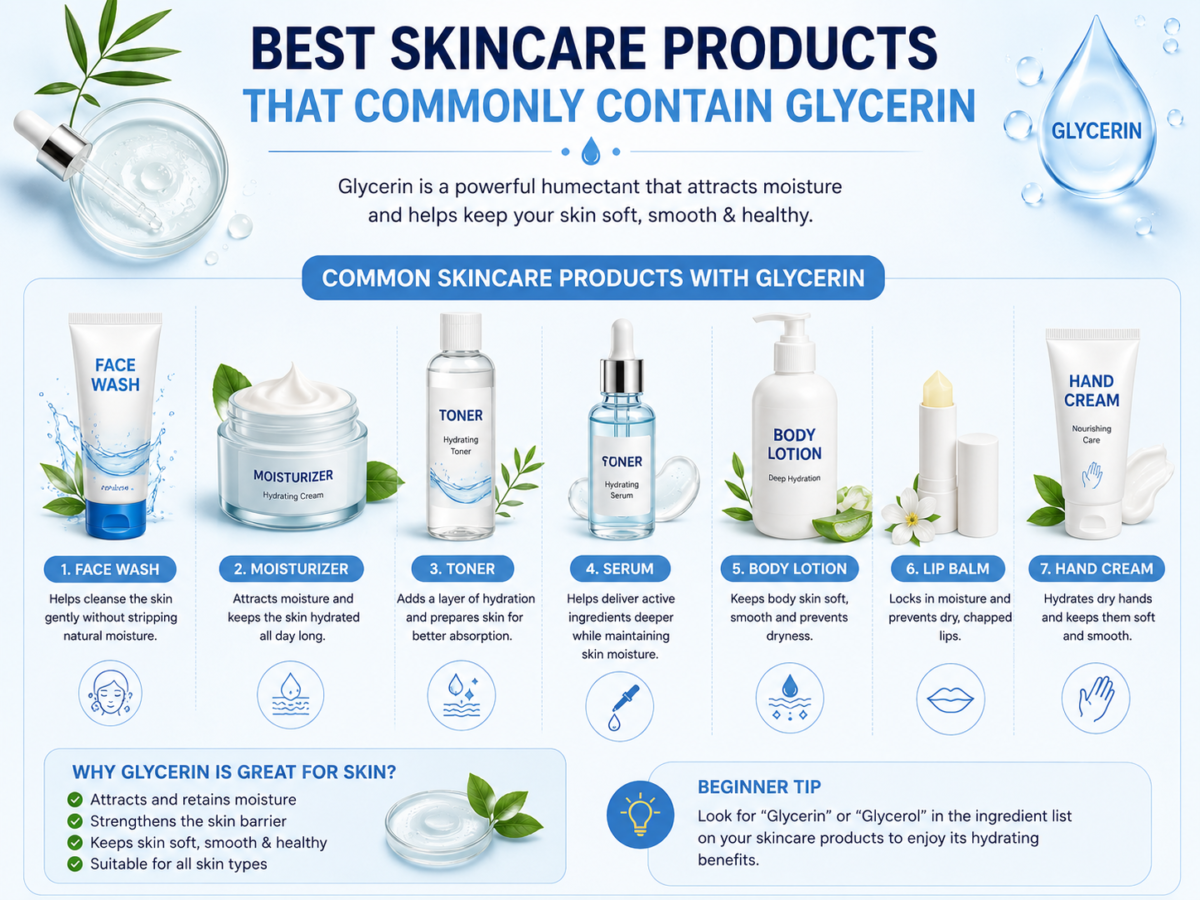
Here are some of the most common products that include glycerin.


Moisturizers

This is the most popular use of glycerin.

Whether you buy an affordable moisturizer or a premium cream, glycerin is often listed among the first few ingredients because it helps maintain skin hydration.


Face Washes

Many gentle cleansers include glycerin to prevent the skin from feeling tight after washing.

Instead of stripping away moisture, these cleansers help keep the skin comfortable.


Face Serums

Hydrating serums often combine glycerin with hyaluronic acid and panthenol for an extra boost of moisture.

These serums are especially useful if your skin feels dehydrated after cleansing.


Toners

Modern hydrating toners frequently contain glycerin.

Unlike older alcohol-based toners that could dry out the skin, hydrating toners prepare the skin for moisturizers and serums by adding a layer of moisture.


Body Lotions

The skin on the body loses moisture just like the face.

Body lotions containing glycerin help reduce roughness on areas such as:

  • Elbows
  • Knees
  • Hands
  • Feet

Regular use leaves the skin feeling smoother and more comfortable.


Lip Balms

Dry, cracked lips need moisture to heal.

Many lip balms include glycerin because it attracts water and helps keep lips soft throughout the day.


Hand Creams

Frequent handwashing can dry out the skin.

Hand creams with glycerin help restore moisture and protect the hands from becoming rough or cracked.


How to Choose the Right Glycerin Product

Not every glycerin product is the same. Choosing the right formula depends on your skin type and concerns.

Here are a few tips:

Read the Ingredient List

If glycerin appears near the top of the ingredient list, the product likely contains a useful amount.

Match the Product to Your Skin Type

  • Dry skin: Creams or rich moisturizers.
  • Oily skin: Lightweight gel moisturizers.
  • Sensitive skin: Fragrance-free and alcohol-free formulas.
  • Combination skin: Lightweight lotions or gel-creams.

Look for Helpful Ingredients

Glycerin works especially well when combined with:

  • Ceramides
  • Hyaluronic acid
  • Panthenol
  • Squalane
  • Aloe vera

These combinations provide hydration while supporting the skin barrier.

How to Use Glycerin Correctly

Glycerin is easy to use, but using it the right way makes a big difference. Many beginners think they should apply pure glycerin directly to their skin every day. In reality, the best method depends on the product you’re using and your skin type.

The safest and easiest option is to use skincare products that already contain glycerin in a balanced formula.


Using a Glycerin-Based Moisturizer

For most people, a moisturizer containing glycerin is the best choice.

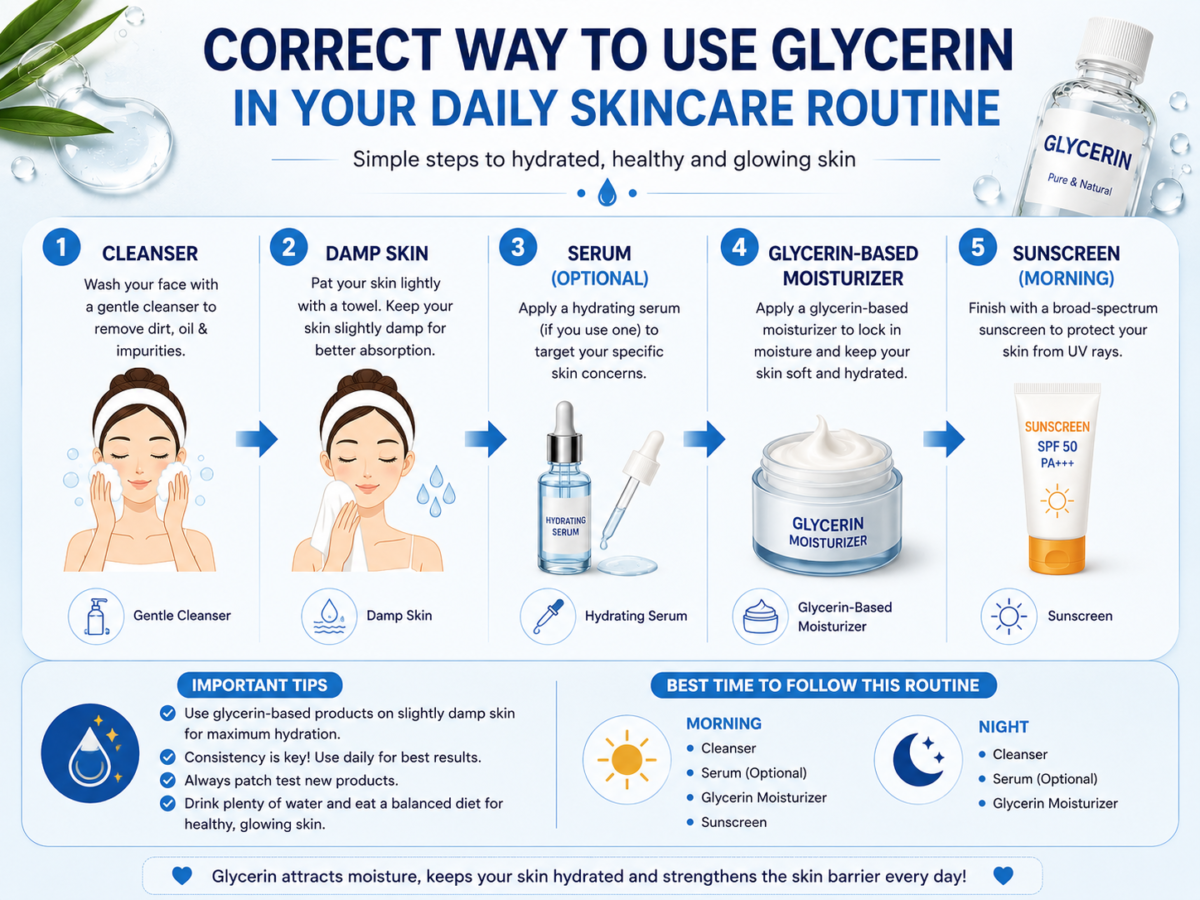
Step-by-Step Routine

Step 1: Wash your face with a gentle cleanser.

Step 2: Pat your skin lightly with a towel, leaving it slightly damp.

Step 3: Apply your serum (if you use one).

Step 4: Apply a glycerin-based moisturizer.

Step 5: In the morning, finish with sunscreen.

This simple routine helps your skin stay hydrated throughout the day.


When Should You Apply Glycerin?

Timing is important because glycerin works best when applied to slightly damp skin.

Morning Routine

  • Cleanser
  • Hydrating toner (optional)
  • Serum
  • Glycerin-based moisturizer
  • Sunscreen

Night Routine

  • Cleanser
  • Treatment serum (optional)
  • Glycerin-based moisturizer

Nighttime is when your skin naturally repairs itself, so applying a moisturizer before bed can help support overnight hydration.


Can You Apply Pure Glycerin Directly to Your Face?

This is one of the most common questions beginners ask.

The answer is yes, but with caution.

Pure glycerin is highly concentrated. Applying a large amount directly to the skin may leave it feeling sticky or uncomfortable. In very dry environments, it may even draw moisture from the deeper layers of the skin instead of the air, which can increase dryness if it’s not paired with other moisturizing ingredients.

Because of this, dermatologists usually recommend using formulated skincare products that contain glycerin rather than using pure glycerin on its own.


If You Want to Use Pure Glycerin

If you choose to use cosmetic-grade pure glycerin:

  • Mix a few drops with water or rose water before applying.
  • Use only a small amount.
  • Follow with a moisturizer to help seal in hydration.
  • Avoid applying thick layers.

If you notice irritation, discontinue use and switch to a ready-made moisturizer containing glycerin.


Common Mistakes to Avoid

Even though glycerin is beginner-friendly, a few common mistakes can reduce its effectiveness.

1. Applying Too Much

More is not always better.

Using excessive glycerin can leave the skin feeling sticky and uncomfortable.

Better approach: Use a thin, even layer.


2. Skipping Moisturizer

Some people apply diluted glycerin and stop there.

A moisturizer helps lock in hydration and supports the skin barrier, so it’s a good idea to apply one after glycerin if you’re using pure glycerin.


3. Forgetting Sunscreen

Hydrated skin still needs protection from UV rays.

Daily sunscreen helps prevent:

  • Premature aging
  • Sun damage
  • Dark spots
  • Uneven skin tone

A simple morning routine of moisturizer followed by sunscreen is one of the best habits for healthy skin.


4. Ignoring the Ingredient List

Not every product containing glycerin is suitable for everyone.

Some products may also include:

  • Strong fragrance
  • Drying alcohols
  • Harsh exfoliating ingredients

Always read the ingredient list, especially if you have sensitive skin.


5. Expecting Instant Results

Glycerin improves hydration quickly, but healthier-looking skin develops with consistent daily use.

Most people notice the best improvements after several weeks of regular skincare.


Possible Side Effects of Glycerin

Glycerin is considered one of the safest skincare ingredients, but no ingredient is perfect for everyone.

Possible side effects are uncommon but may include:

  • Mild irritation
  • Temporary stickiness
  • Redness (rare)
  • Allergic reaction (very rare)

If you experience persistent irritation, stop using the product and consult a dermatologist.


Who Should Be Careful?

Although glycerin is suitable for most people, extra care is recommended if you:

  • Have very sensitive skin.
  • Have a known allergy to a product ingredient.
  • Are using prescription acne or eczema treatments.

In these cases, introduce new products gradually and patch test first.


How to Patch Test a New Product

Before applying a new skincare product to your face:

  1. Apply a small amount behind your ear or on your inner forearm.
  2. Wait for 24 hours.
  3. Watch for redness, itching, burning, or swelling.
  4. If no reaction occurs, the product is generally safe to use on your face.

Patch testing is a simple habit that can help prevent unnecessary skin irritation.


Can Glycerin Be Used Every Day?

Yes.

Most people can safely use glycerin-containing skincare products every morning and every night.

Regular use helps maintain healthy hydration and supports the skin’s natural barrier over time.

Consistency is more important than using large amounts.


DIY Glycerin Skincare Tips

If you enjoy simple homemade skincare, glycerin can be used in easy DIY recipes. Always use cosmetic-grade glycerin, keep everything clean, and patch test before use.

1. Simple Hydrating Mist

Ingredients:

  • 1 tablespoon glycerin
  • 4 tablespoons rose water

Mix in a clean spray bottle and lightly mist your face before applying moisturizer.


2. Dry Hands Treatment

Before bed:

  • Wash your hands.
  • Apply a glycerin-rich hand cream.
  • Wear soft cotton gloves overnight.

This can help improve rough, dry hands with regular use.


3. Lip Care Routine

For dry lips:

  • Gently exfoliate with a soft, damp cloth.
  • Apply a lip balm containing glycerin.
  • Reapply throughout the day as needed.

This routine helps keep lips smooth and comfortable.

Common Myths About Glycerin

There are many misconceptions about glycerin. Let’s separate fact from fiction so you can use this ingredient with confidence.

Myth 1: Glycerin Is Only for Dry Skin

Fact: Glycerin benefits almost every skin type.

Whether your skin is oily, combination, sensitive, or dry, proper hydration is essential. Glycerin adds water to the skin without making it greasy, which is why it appears in products designed for all skin types.


Myth 2: Glycerin Makes Skin Oily

Fact: Glycerin hydrates, but it does not add oil.

Oil and water are different. Glycerin helps your skin hold moisture, but it doesn’t increase oil production. Many lightweight gel moisturizers for oily and acne-prone skin contain glycerin because it provides hydration without leaving a heavy finish.


Myth 3: Pure Glycerin Works Better Than Skincare Products

Fact: Not necessarily.

Most dermatologists recommend using well-formulated skincare products containing glycerin instead of applying pure glycerin directly. Professional formulations combine glycerin with ingredients that improve absorption, strengthen the skin barrier, and reduce stickiness.


Myth 4: Glycerin Can Replace a Moisturizer

Fact: Glycerin is only one part of a good moisturizing routine.

While glycerin attracts moisture, a moisturizer often contains additional ingredients such as ceramides, squalane, or nourishing oils that help keep that moisture in the skin.


Expert Tips for Getting the Best Results

If you want to make the most of glycerin, follow these simple skincare habits.

Apply on Slightly Damp Skin

After cleansing, gently pat your face with a towel but don’t let it dry completely. Applying a glycerin-based product to slightly damp skin helps improve hydration.


Use It Consistently

Healthy skin develops over time.

Instead of expecting overnight results, use glycerin-containing products every day as part of your regular skincare routine.


Choose Products Based on Your Skin Type

Different skin types need different textures.

  • Dry skin: Rich cream moisturizers.
  • Oily skin: Lightweight gel moisturizers.
  • Combination skin: Gel-cream formulas.
  • Sensitive skin: Fragrance-free, dermatologist-tested products.

Choosing the right formula is just as important as choosing the right ingredient.


Don’t Forget Sunscreen

Hydrated skin still needs protection from the sun.

Every morning, apply a broad-spectrum sunscreen with SPF 30 or higher after your moisturizer. This helps reduce sun damage, uneven skin tone, and premature signs of aging.


Drink Enough Water

Skincare products support hydration from the outside, while drinking enough fluids supports your body’s overall hydration. Although drinking more water alone won’t cure dry skin, staying well hydrated contributes to healthy skin function.


Who Should Use Glycerin?

Glycerin is a great choice for people who want to:

  • Improve skin hydration.
  • Reduce dryness and rough patches.
  • Support a healthy skin barrier.
  • Keep skin soft and comfortable.
  • Add a gentle moisturizing step to their skincare routine.

It is especially useful during winter, after frequent face washing, or whenever the skin feels dehydrated.


Final Thoughts

Glycerin may not be the trendiest skincare ingredient, but it has earned its place as one of the most trusted. Its ability to attract and retain moisture makes it a valuable addition to daily skincare routines for beginners and experienced users alike.

Unlike many ingredients that target a single concern, glycerin supports the skin’s overall health by improving hydration and helping maintain a strong skin barrier. It works well with other skincare ingredients, suits most skin types, and is found in everything from cleansers to moisturizers and lip balms.

If you’re building a skincare routine from scratch, choosing products that contain glycerin is a simple and effective way to keep your skin soft, comfortable, and healthy throughout the year. Consistent care, a gentle routine, and daily sun protection will always deliver better long-term results than chasing quick fixes.


Frequently Asked Questions (FAQs)

1. What is glycerin used for in skincare?

Glycerin is mainly used to attract moisture to the skin. It helps keep the skin hydrated, soft, smooth, and supports the natural skin barrier.


2. Is glycerin good for oily skin?

Yes. Glycerin provides lightweight hydration without adding oil, making it suitable for oily and acne-prone skin when used in non-comedogenic products.


3. Can I use glycerin every day?

Yes. Most people can safely use glycerin-containing skincare products every morning and evening as part of their daily routine.


4. Can glycerin help with dry skin?

Yes. Glycerin is one of the most effective moisturizing ingredients for reducing dryness, roughness, and flaky skin by helping the skin retain moisture.


5. Can glycerin be applied directly to the face?

Pure cosmetic-grade glycerin can be used carefully, but it is usually better to use skincare products that already contain glycerin in a balanced formula. If using pure glycerin, dilute it with water or rose water and apply only a small amount.


6. Is glycerin safe for sensitive skin?

Generally, yes. Glycerin is considered gentle and is commonly included in products for sensitive skin. However, always patch test a new product before full application.


7. Does glycerin clog pores?

No. Glycerin is generally considered non-comedogenic and does not typically clog pores.


8. Which ingredients work well with glycerin?

Glycerin pairs well with hyaluronic acid, ceramides, niacinamide, panthenol, aloe vera, and squalane to improve hydration and support the skin barrier.


9. Can glycerin brighten the skin?

Glycerin does not bleach or lighten the skin. However, well-hydrated skin often looks smoother, healthier, and naturally more radiant.


10. Is glycerin suitable for all seasons?

Yes. Glycerin can be used throughout the year. It helps protect against dryness in winter and maintains healthy hydration during warmer months when paired with a suitable moisturizer.

चेहरे पर चाहिए कांच जैसा ग्लो? घर में रखे इन 2 चीजों से बनाएं नेचुरल फेस जेल

आजकल हर कोई ऐसी त्वचा चाहता है जो साफ, मुलायम और कांच जैसी चमकदार दिखे। सोशल मीडिया पर “Glass Skin” का ट्रेंड काफी लोकप्रिय है। लेकिन अक्सर लोग इस ग्लो को पाने के लिए महंगे स्किनकेयर प्रोडक्ट्स खरीद लेते हैं। कई बार ये प्रोडक्ट्स सभी स्किन टाइप पर सूट भी नहीं करते और इनमें मौजूद कुछ केमिकल्स संवेदनशील त्वचा पर जलन या रिएक्शन पैदा कर सकते हैं।

अच्छी बात यह है कि आपकी रसोई और स्किनकेयर शेल्फ में मौजूद सिर्फ 2 आसान चीजें मिलकर एक ऐसा नेचुरल फेस जेल तैयार कर सकती हैं जो त्वचा को ठंडक, नमी और हेल्दी ग्लो देने में मदद करता है। यह जेल बनाना आसान है, बजट-फ्रेंडली है और शुरुआती लोग भी इसे बिना किसी परेशानी के तैयार कर सकते हैं।

इस लेख में हम जानेंगे कि यह नेचुरल फेस जेल कैसे बनाया जाता है, इसे लगाने का सही तरीका क्या है, किन लोगों के लिए यह फायदेमंद हो सकता है और किन बातों का ध्यान रखना जरूरी है।


Glass Skin क्या होती है?

Glass Skin का मतलब ऐसी त्वचा से है जो:

  • साफ और हेल्दी दिखाई दे।
  • पर्याप्त हाइड्रेटेड हो।
  • मुलायम और स्मूद महसूस हो।
  • प्राकृतिक रूप से चमकदार लगे।
  • जिस पर रूखापन कम और नमी अधिक हो।

ध्यान रखें कि Glass Skin का मतलब बहुत ज्यादा गोरी त्वचा नहीं होता। इसका संबंध त्वचा की हेल्थ और हाइड्रेशन से है।

अगर आपकी स्किन अच्छी तरह मॉइस्चराइज्ड है और आप नियमित स्किनकेयर करते हैं, तो आपकी त्वचा भी प्राकृतिक चमक दिखा सकती है।


सिर्फ 2 चीजों से बनाएं नेचुरल फेस जेल

इस DIY फेस जेल के लिए आपको केवल दो चीजों की जरूरत होगी।

1. एलोवेरा जेल

एलोवेरा को लंबे समय से त्वचा की देखभाल में इस्तेमाल किया जाता रहा है। इसमें पानी की मात्रा अधिक होती है, जिससे त्वचा को अच्छी हाइड्रेशन मिलती है।

एलोवेरा जेल के संभावित फायदे:

  • त्वचा को ठंडक देता है।
  • ड्राईनेस कम करने में मदद करता है।
  • त्वचा को मुलायम बनाता है।
  • हल्की सनबर्न के बाद आराम पहुंचा सकता है।
  • स्किन को फ्रेश महसूस कराता है।

अगर संभव हो तो ताजा एलोवेरा जेल इस्तेमाल करें। बाजार से खरीदा गया एलोवेरा जेल भी इस्तेमाल किया जा सकता है, लेकिन ऐसा प्रोडक्ट चुनें जिसमें कम से कम अतिरिक्त सुगंध और रंग मिले हों।


2. गुलाब जल

गुलाब जल त्वचा को ताजगी देने के लिए काफी लोकप्रिय है।

इसके संभावित फायदे:

  • त्वचा को फ्रेश महसूस कराता है।
  • हल्की हाइड्रेशन देता है।
  • स्किनकेयर रूटीन को आरामदायक बनाता है।
  • चेहरे को साफ और तरोताजा दिखाने में मदद करता है।

अगर आपकी त्वचा बहुत संवेदनशील है, तो बिना अतिरिक्त खुशबू वाला गुलाब जल चुनना बेहतर रहेगा।


नेचुरल फेस जेल बनाने की आसान विधि

सामग्री

  • 2 बड़े चम्मच एलोवेरा जेल
  • 1 बड़ा चम्मच गुलाब जल

बनाने का तरीका

सबसे पहले एक साफ कांच की कटोरी लें। उसमें एलोवेरा जेल डालें। अब धीरे-धीरे गुलाब जल मिलाएं और एक साफ चम्मच से अच्छी तरह फेंटें। कुछ मिनट बाद मिश्रण हल्का और स्मूद जेल जैसा बन जाएगा।

अब इसे एक साफ एयरटाइट कंटेनर में भर लें।

अगर आप ताजा एलोवेरा इस्तेमाल कर रहे हैं, तो इस जेल को फ्रिज में रखें और 3–5 दिनों के अंदर इस्तेमाल कर लें।

अगर बाजार वाला प्रिजर्वेटिव युक्त एलोवेरा जेल इस्तेमाल किया गया है, तब भी साफ कंटेनर में स्टोर करना जरूरी है।


यह फेस जेल त्वचा के लिए कैसे काम करता है?

जब एलोवेरा जेल और गुलाब जल साथ मिलते हैं, तो यह मिश्रण त्वचा की ऊपरी सतह पर हल्की नमी बनाए रखने में मदद करता है।

नियमित स्किनकेयर के साथ इसका उपयोग करने पर:

  • त्वचा अधिक हाइड्रेटेड महसूस हो सकती है।
  • चेहरा ताजा दिखाई दे सकता है।
  • मेकअप से पहले हल्का मॉइस्चराइजिंग बेस मिल सकता है।
  • रात की स्किनकेयर रूटीन में आरामदायक महसूस हो सकता है।

ध्यान रखें कि कोई भी घरेलू उपाय तुरंत “कांच जैसा ग्लो” नहीं देता। बेहतर परिणाम पाने के लिए संतुलित आहार, पर्याप्त पानी, अच्छी नींद और नियमित स्किनकेयर भी उतने ही जरूरी हैं।

नेचुरल फेस जेल लगाने का सही तरीका

सिर्फ अच्छा फेस जेल बनाना ही काफी नहीं होता। अगर आप उसे सही तरीके से इस्तेमाल करेंगे, तभी त्वचा को उसका पूरा फायदा मिल सकता है। कई लोग जेल को सीधे सूखे या गंदे चेहरे पर लगा लेते हैं, जिससे मनचाहा परिणाम नहीं मिलता।

आइए जानते हैं सही तरीका।


Step 1: सबसे पहले चेहरा अच्छी तरह साफ करें

फेस जेल लगाने से पहले चेहरे पर जमा धूल, तेल और पसीना हटाना जरूरी है।

इसके लिए अपनी स्किन टाइप के अनुसार एक हल्का फेस वॉश इस्तेमाल करें।

अगर चेहरा साफ नहीं होगा, तो जेल त्वचा पर अच्छी तरह काम नहीं कर पाएगा।

छोटी टिप:
बहुत गर्म पानी से चेहरा धोने की बजाय सामान्य या हल्के ठंडे पानी का इस्तेमाल करें। इससे त्वचा ज्यादा ड्राई नहीं होती।


Step 2: चेहरा पूरी तरह न सुखाएं

चेहरा धोने के बाद तौलिए से हल्के हाथों से थपथपाकर पानी हटाएं।

त्वचा पर हल्की नमी रहने दें।

हल्की नम त्वचा पर एलोवेरा और गुलाब जल का जेल ज्यादा अच्छी तरह फैलता है और त्वचा को हाइड्रेट महसूस कराता है।


Step 3: थोड़ी मात्रा ही लें

लगभग मटर के दाने जितना जेल पूरे चेहरे के लिए पर्याप्त होता है।

बहुत ज्यादा जेल लगाने से अतिरिक्त फायदा नहीं मिलता। जरूरत से ज्यादा मात्रा लगाने पर चेहरा चिपचिपा महसूस हो सकता है।


Step 4: हल्के हाथों से मसाज करें

जेल को उंगलियों की मदद से पूरे चेहरे और गर्दन पर धीरे-धीरे फैलाएं।

ऊपर की दिशा में हल्के गोल-गोल मूवमेंट में लगभग 1–2 मिनट तक मसाज करें।

तेज रगड़ने की जरूरत नहीं होती।


Step 5: जेल को त्वचा में सोखने दें

जेल लगाने के बाद तुरंत चेहरा धोने की जरूरत नहीं है।

इसे त्वचा में अपने आप सूखने दें।

अगर आप इसे रात में लगाते हैं, तो पूरी रात लगा रहने दें।

सुबह सामान्य फेस वॉश से चेहरा साफ कर सकते हैं।


इस फेस जेल को कब लगाना सबसे अच्छा रहता है?

हालांकि इसे दिन में कभी भी लगाया जा सकता है, लेकिन कुछ समय ऐसे हैं जब इसका उपयोग ज्यादा आरामदायक महसूस होता है।

सुबह

सुबह चेहरा धोने के बाद यह जेल लगाने से त्वचा फ्रेश महसूस कर सकती है।

इसके बाद मॉइस्चराइज़र और सनस्क्रीन जरूर लगाएं।


रात में

रात का समय त्वचा की देखभाल के लिए सबसे अच्छा माना जाता है।

सोने से पहले चेहरा साफ करके यह जेल लगाने से त्वचा पूरी रात हाइड्रेटेड महसूस कर सकती है।


धूप से आने के बाद

अगर आप लंबे समय तक बाहर रहे हैं और चेहरा गर्म महसूस हो रहा है, तो फ्रिज में रखा ठंडा फेस जेल त्वचा को आरामदायक महसूस करा सकता है।

ध्यान दें कि यदि त्वचा पर तेज सनबर्न या गंभीर जलन हो, तो घरेलू उपायों पर निर्भर रहने के बजाय डॉक्टर की सलाह लें।


कौन-कौन इस नेचुरल फेस जेल का इस्तेमाल कर सकता है?

हर स्किन टाइप अलग होती है। इसलिए पहले यह समझना जरूरी है कि यह जेल किसके लिए अधिक उपयुक्त हो सकता है।

1. ड्राई स्किन

अगर आपकी त्वचा बार-बार रूखी महसूस होती है, तो एलोवेरा और गुलाब जल का यह मिश्रण हल्की हाइड्रेशन देने में मदद कर सकता है।

हालांकि बहुत ज्यादा ड्राई स्किन वालों को इसके बाद मॉइस्चराइज़र भी लगाना चाहिए।


2. ऑयली स्किन

ऑयली स्किन वाले लोग अक्सर भारी क्रीम लगाने से बचते हैं।

यह हल्का जेल त्वचा को ताजगी देने में मदद कर सकता है और भारी महसूस नहीं होता।


3. कॉम्बिनेशन स्किन

अगर चेहरे का टी-ज़ोन ऑयली और बाकी हिस्सा ड्राई रहता है, तो यह जेल पूरे चेहरे पर आसानी से लगाया जा सकता है।

जरूरत के अनुसार बाद में मॉइस्चराइज़र का उपयोग करें।


4. सामान्य (Normal) स्किन

नॉर्मल स्किन वाले लोग इसे अपनी रोज़ की स्किनकेयर रूटीन का हिस्सा बना सकते हैं ताकि त्वचा हाइड्रेटेड और फ्रेश महसूस करे।


5. संवेदनशील (Sensitive) स्किन

अगर आपकी त्वचा जल्दी रिएक्ट करती है, तो पहले Patch Test जरूर करें।

कलाई या कान के पीछे थोड़ा जेल लगाकर 24 घंटे तक देखें।

अगर लालपन, खुजली, जलन या रैशेज़ नहीं होते, तभी चेहरे पर इस्तेमाल करें।


कितनी बार इस्तेमाल करना चाहिए?

अधिकांश लोगों के लिए:

  • दिन में 1–2 बार पर्याप्त है।
  • सुबह और रात दोनों समय लगाया जा सकता है।
  • अगर मौसम बहुत गर्म है, तो दोपहर में भी हल्की मात्रा इस्तेमाल की जा सकती है।

बहुत ज्यादा बार लगाने से जरूरी नहीं कि परिणाम जल्दी मिलें। नियमित और सही उपयोग ज्यादा महत्वपूर्ण है।


क्या यह फेस जेल मेकअप से पहले लगाया जा सकता है?

हाँ, लेकिन कुछ बातों का ध्यान रखें।

अगर आपकी स्किन ऑयली है, तो बहुत पतली परत लगाएं और 5–10 मिनट तक त्वचा में अच्छी तरह सोखने दें।

इसके बाद प्राइमर और मेकअप लगाएं।

अगर जेल पूरी तरह सूखा नहीं होगा, तो मेकअप पैची दिखाई दे सकता है।


इस फेस जेल का असर बढ़ाने के लिए आसान आदतें

केवल फेस जेल लगाने से ही ग्लो नहीं आता। आपकी रोज़मर्रा की आदतें भी उतनी ही जरूरी हैं।

  • दिनभर पर्याप्त पानी पिएं।
  • रोज़ सनस्क्रीन लगाएं।
  • 7–8 घंटे की अच्छी नींद लें।
  • ताजे फल और हरी सब्जियां खाएं।
  • चेहरा बार-बार हाथों से छूने से बचें।
  • सप्ताह में 1–2 बार हल्का एक्सफोलिएशन करें (यदि आपकी त्वचा के लिए उपयुक्त हो)।
  • तनाव कम रखने की कोशिश करें, क्योंकि इसका असर त्वचा पर भी दिखाई दे सकता है।

DIY फेस जेल इस्तेमाल करते समय होने वाली आम गलतियां

कई लोग घरेलू नुस्खे अपनाते समय छोटी-छोटी गलतियां कर बैठते हैं। इससे या तो मनचाहा परिणाम नहीं मिलता या त्वचा पर परेशानी हो सकती है। आइए जानते हैं किन बातों का ध्यान रखना चाहिए।


1. गंदे हाथों से जेल लगाना

अगर आप बिना हाथ धोए चेहरे पर जेल लगाते हैं, तो हाथों के बैक्टीरिया त्वचा तक पहुंच सकते हैं।

क्या करें?

फेस जेल लगाने से पहले हमेशा हाथों को साबुन से अच्छी तरह धो लें।


2. एक्सपायर्ड या खराब सामग्री का इस्तेमाल करना

ताजा एलोवेरा और अच्छी गुणवत्ता वाला गुलाब जल ही इस्तेमाल करें।

अगर एलोवेरा का रंग बदल गया हो, बदबू आ रही हो या जेल में फंगस दिखाई दे, तो उसे तुरंत फेंक दें।


3. बिना पैच टेस्ट किए सीधे चेहरे पर लगाना

हर व्यक्ति की त्वचा अलग होती है। किसी भी नई चीज़ को पहली बार इस्तेमाल करने से पहले पैच टेस्ट करना जरूरी है।

कैसे करें?

  • थोड़ा सा जेल कलाई या कान के पीछे लगाएं।
  • 24 घंटे तक इंतजार करें।
  • अगर खुजली, जलन या लालपन नहीं होता, तभी चेहरे पर लगाएं।

4. बहुत ज्यादा मात्रा लगाना

कुछ लोगों को लगता है कि ज्यादा जेल लगाने से जल्दी ग्लो मिलेगा।

असल में जरूरत से ज्यादा जेल लगाने से चेहरा चिपचिपा महसूस हो सकता है और मेकअप भी ठीक से नहीं बैठता।


5. सनस्क्रीन छोड़ देना

अगर आप दिन में यह जेल लगाते हैं, तो उसके बाद सनस्क्रीन जरूर लगाएं।

सिर्फ फेस जेल लगाने से त्वचा धूप से सुरक्षित नहीं होती।


6. तुरंत परिणाम की उम्मीद करना

घरेलू स्किनकेयर धीरे-धीरे असर दिखाती है।

अगर आप रोज़ सही तरीके से स्किनकेयर करेंगे, पर्याप्त पानी पिएंगे और संतुलित आहार लेंगे, तो समय के साथ त्वचा अधिक स्वस्थ और चमकदार दिख सकती है।


किन लोगों को सावधानी बरतनी चाहिए?

हालांकि यह DIY फेस जेल हल्का और आसान है, लेकिन हर किसी की त्वचा की जरूरतें अलग होती हैं।

इन स्थितियों में सावधानी रखें:

  • अगर त्वचा पर खुले घाव हैं।
  • अगर गंभीर एक्ने या संक्रमण है।
  • अगर एलोवेरा या गुलाब जल से पहले कभी एलर्जी हुई हो।
  • अगर किसी स्किन ट्रीटमेंट (जैसे केमिकल पील या लेज़र) के बाद डॉक्टर ने कुछ समय तक घरेलू नुस्खों से बचने की सलाह दी हो।

ऐसी स्थिति में त्वचा विशेषज्ञ से सलाह लेना बेहतर रहता है।


ग्लास स्किन पाने के लिए सिर्फ फेस जेल काफी नहीं

अगर आप सच में लंबे समय तक प्राकृतिक ग्लो चाहते हैं, तो केवल एक DIY जेल पर निर्भर न रहें। स्वस्थ त्वचा कई अच्छी आदतों का परिणाम होती है।

1. रोज़ पर्याप्त पानी पिएं

त्वचा को अंदर से हाइड्रेट रखने के लिए पूरे दिन पर्याप्त पानी पीना जरूरी है।

उदाहरण के लिए, अगर आप ऑफिस में काम करते हैं, तो अपनी डेस्क पर पानी की बोतल रखें ताकि समय-समय पर पानी पीना याद रहे।


2. संतुलित आहार लें

आपकी प्लेट में रंग-बिरंगे फल और सब्जियां शामिल हों।

जैसे:

  • खीरा
  • टमाटर
  • गाजर
  • संतरा
  • पपीता
  • मौसमी फल

ये त्वचा के लिए जरूरी पोषक तत्व प्रदान करने में मदद करते हैं।


3. अच्छी नींद लें

रोज़ 7–8 घंटे की नींद त्वचा की सामान्य रिपेयर प्रक्रिया को सपोर्ट करती है।

अगर आप देर रात तक जागते हैं, तो चेहरा थका हुआ और बेजान दिख सकता है।


4. तनाव कम करें

लगातार तनाव का असर त्वचा पर भी दिखाई दे सकता है।

रोज़ 15–20 मिनट टहलना, योग या गहरी सांस लेने जैसी आदतें अपनाना फायदेमंद हो सकता है।


5. चेहरा बार-बार न छुएं

दिनभर हाथों से चेहरा छूने की आदत से धूल और बैक्टीरिया त्वचा तक पहुंच सकते हैं।

यह छोटी-सी आदत बदलने से भी त्वचा साफ रखने में मदद मिल सकती है।


एक आसान Morning Skincare Routine

अगर आप शुरुआत कर रहे हैं, तो यह सरल रूटीन अपनाएं:

  1. हल्के फेस वॉश से चेहरा साफ करें।
  2. DIY एलोवेरा और गुलाब जल फेस जेल लगाएं।
  3. जरूरत हो तो हल्का मॉइस्चराइज़र लगाएं।
  4. SPF 30 या उससे अधिक वाला सनस्क्रीन लगाएं।

यह रूटीन ज्यादा समय भी नहीं लेती और रोज़ आसानी से अपनाई जा सकती है।


एक आसान Night Skincare Routine

रात में त्वचा को आराम देने के लिए यह रूटीन अपनाएं:

  1. चेहरे की अच्छी तरह सफाई करें।
  2. अगर मेकअप लगाया है, तो पहले उसे हटाएं।
  3. DIY फेस जेल की पतली परत लगाएं।
  4. जरूरत महसूस हो तो ऊपर से मॉइस्चराइज़र लगाएं।

रातभर त्वचा को आराम करने दें।


क्या यह फेस जेल रोज़ इस्तेमाल किया जा सकता है?

अगर आपकी त्वचा पर यह जेल अच्छी तरह सूट करता है और पैच टेस्ट सफल रहा है, तो इसे रोज़ इस्तेमाल किया जा सकता है।

फिर भी अगर इस्तेमाल के दौरान:

  • लगातार खुजली हो,
  • जलन महसूस हो,
  • लाल चकत्ते दिखाई दें,

तो इसका उपयोग बंद करें और जरूरत पड़ने पर त्वचा विशेषज्ञ से सलाह लें।

निष्कर्ष (Conclusion)

अगर आप बिना ज्यादा पैसे खर्च किए अपनी त्वचा की देखभाल करना चाहते हैं, तो एलोवेरा जेल और गुलाब जल से बना यह आसान DIY फेस जेल आपकी स्किनकेयर रूटीन का एक अच्छा हिस्सा बन सकता है। यह त्वचा को हल्की नमी देने, ताजगी महसूस कराने और हेल्दी ग्लो बनाए रखने में मदद कर सकता है।

हालांकि, यह समझना जरूरी है कि कोई भी घरेलू नुस्खा रातोंरात “कांच जैसा ग्लो” नहीं देता। असली ग्लो नियमित देखभाल, संतुलित आहार, पर्याप्त पानी, अच्छी नींद और रोज़ाना सनस्क्रीन लगाने जैसी आदतों से आता है।

अगर आपकी त्वचा बहुत संवेदनशील है, बार-बार एलर्जी होती है या कोई गंभीर स्किन समस्या है, तो किसी भी नए DIY उपाय को अपनाने से पहले त्वचा विशेषज्ञ की सलाह लेना बेहतर रहेगा।

छोटी-छोटी अच्छी आदतें लंबे समय में बड़ा बदलाव ला सकती हैं। इसलिए धैर्य रखें, नियमित रहें और अपनी त्वचा की जरूरतों को समझकर ही स्किनकेयर करें।


मुख्य बातें (Key Takeaways)

  • सिर्फ एलोवेरा जेल और गुलाब जल से आसान DIY फेस जेल बनाया जा सकता है।
  • यह त्वचा को हाइड्रेटेड और फ्रेश महसूस कराने में मदद कर सकता है।
  • जेल लगाने से पहले चेहरा अच्छी तरह साफ करें।
  • दिन में सनस्क्रीन लगाना न भूलें।
  • पहली बार इस्तेमाल करने से पहले Patch Test जरूर करें।
  • स्वस्थ खान-पान, पर्याप्त पानी और अच्छी नींद भी ग्लोइंग स्किन के लिए जरूरी हैं।
  • नियमित स्किनकेयर से ही लंबे समय तक बेहतर परिणाम मिलते हैं।

Frequently Asked Questions (FAQs)

1. क्या एलोवेरा और गुलाब जल का फेस जेल रोज़ लगाया जा सकता है?

हाँ, अगर आपकी त्वचा पर यह सूट करता है और पैच टेस्ट सफल रहा है, तो इसे दिन में 1–2 बार इस्तेमाल किया जा सकता है।


2. क्या यह फेस जेल ऑयली स्किन के लिए सही है?

हाँ, इसकी हल्की बनावट ऑयली स्किन वालों को भी पसंद आ सकती है। फिर भी हर व्यक्ति की त्वचा अलग होती है, इसलिए पहले पैच टेस्ट करें।


3. क्या इस DIY फेस जेल से पिंपल्स पूरी तरह ठीक हो जाएंगे?

नहीं। यह जेल त्वचा को हाइड्रेट और फ्रेश महसूस कराने में मदद कर सकता है, लेकिन पिंपल्स का इलाज नहीं है। लगातार या गंभीर एक्ने होने पर त्वचा विशेषज्ञ से सलाह लें।


4. क्या इसे रातभर चेहरे पर छोड़ सकते हैं?

अगर आपकी त्वचा इसे अच्छी तरह सहन करती है, तो इसे रात में लगाकर छोड़ सकते हैं। सुबह सामान्य फेस वॉश से चेहरा साफ कर लें।


5. ताजा एलोवेरा जेल कितने दिन तक सुरक्षित रहता है?

फ्रिज में रखने पर आमतौर पर 3–5 दिन तक इस्तेमाल करना बेहतर माना जाता है। अगर रंग, गंध या बनावट बदल जाए, तो उसे फेंक दें।


6. क्या इसे मेकअप से पहले लगाया जा सकता है?

हाँ। बस इसे लगाने के बाद 5–10 मिनट तक त्वचा में अच्छी तरह सोखने दें। इसके बाद प्राइमर और मेकअप लगाएं।


7. क्या संवेदनशील त्वचा वाले लोग इसका उपयोग कर सकते हैं?

हाँ, लेकिन पहले 24 घंटे का पैच टेस्ट जरूर करें। अगर जलन, खुजली या लालपन हो, तो इसका इस्तेमाल बंद कर दें।


8. क्या इससे सच में “Glass Skin” मिल सकती है?

Glass Skin केवल किसी एक फेस जेल से नहीं मिलती। नियमित स्किनकेयर, सनस्क्रीन, हाइड्रेशन, संतुलित आहार और अच्छी नींद मिलकर त्वचा को स्वस्थ और चमकदार बनाने में मदद करते हैं।


Dermatologist Skincare: A Complete Guide to Premium, Clinically Backed Skincare

Dermatologist skincare products backed by clinical research for healthy skin

Skin is the body’s largest organ, yet many people treat it using random products recommended by social media or friends. While some products may work temporarily, they often fail to address the real cause of skin concerns such as acne, pigmentation, dryness, sensitivity, or early signs of aging. This is where dermatologist skincare stands out.

Dermatologist skincare combines scientific research, clinical testing, and expert knowledge to create products that are both safe and effective. Instead of relying on trends or attractive packaging, these skincare products are formulated with ingredients that have been carefully studied and proven to deliver real results.

Premium dermatologist skincare is not simply about paying more for a product. It is about choosing skincare that is supported by clinical insight, contains high-quality ingredients, and is designed to improve your skin while protecting its natural barrier.

What Is Dermatologist Skincare?

Dermatologist skincare refers to skincare products that are developed, tested, or recommended by skin experts using scientific research and clinical evidence.

Unlike ordinary cosmetic products that mainly focus on appearance, dermatologist skincare aims to improve overall skin health by targeting the root cause of common skin concerns.

These products are often designed with:

  • Evidence-based ingredients
  • Clinically tested formulations
  • Safe concentrations of active ingredients
  • Skin barrier protection
  • Better ingredient stability
  • Lower risk of irritation

Many dermatologist skincare brands also perform extensive safety testing before launching products into the market.

Read More: The Ultimate Cosmetic Manufacturing Flow Chart for Beginners: Step-by-Step


What Does “Premium Skincare Backed by Clinical Insight” Mean?

This phrase is becoming increasingly popular, but many beginners do not fully understand it.

Let’s break it down.

Premium Skincare

Premium skincare does not simply mean luxury packaging or expensive pricing.

Instead, premium skincare usually offers:

  • Better quality ingredients
  • Advanced formulation technology
  • Higher ingredient purity
  • Improved absorption
  • Stable active ingredients
  • Better research and development
  • Consistent manufacturing standards

For example, two Vitamin C serums may contain the same percentage of Vitamin C, but the premium version may use a more stable form that remains effective for months instead of degrading quickly.


Backed by Clinical Insight

Clinical insight means the product has been developed using knowledge gained from:

  • Dermatology research
  • Clinical studies
  • Skin biology
  • Patient feedback
  • Laboratory testing
  • Medical expertise

Instead of following internet trends, these products are designed based on how skin actually functions.

For example, if research shows that people with acne also have a weakened skin barrier, a dermatologist-approved acne product may include hydrating ingredients alongside acne-fighting ingredients to reduce irritation.

This balanced approach often produces better long-term results.
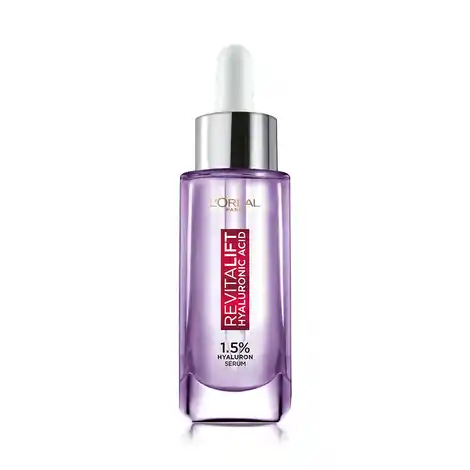

Why Dermatologist Skincare Is Different

Many beginners wonder why dermatologist skincare often performs better than ordinary skincare products.

The answer lies in formulation.

Instead of adding popular ingredients simply for marketing purposes, dermatologist skincare focuses on:

1. Evidence-Based Ingredients

Ingredients are selected because scientific studies have shown that they work.

Common dermatologist-approved ingredients include:

  • Niacinamide
  • Ceramides
  • Hyaluronic Acid
  • Glycerin
  • Retinol
  • Salicylic Acid
  • Azelaic Acid
  • Peptides
  • Vitamin C
  • Zinc PCA

Each ingredient has a specific role and is included in carefully measured amounts.


2. Better Ingredient Compatibility

A good skincare product is not only about individual ingredients.

It is also about how ingredients work together.

For example:

Instead of combining ingredients that increase irritation, dermatologist formulations balance active ingredients with soothing components like panthenol, allantoin, or ceramides.

This reduces redness while maintaining effectiveness.


3. Skin Barrier Protection

Healthy skin starts with a healthy skin barrier.

The skin barrier helps:

  • Lock in moisture
  • Prevent dehydration
  • Block bacteria
  • Protect against pollution
  • Reduce irritation

Many dermatologist skincare products include ingredients specifically designed to strengthen this barrier.

Read More: What Is Cosmetic Research And Development (R&D)? A Complete Guide


4. Less Fragrance and Unnecessary Additives

Many premium dermatologist products avoid ingredients that commonly trigger irritation, including:

  • Artificial fragrance
  • Harsh alcohols
  • Strong dyes
  • Essential oils in high concentrations

This makes them suitable for sensitive skin.


Benefits of Using Dermatologist Skincare

Switching to dermatologist skincare can improve both the appearance and health of your skin over time.

Some major benefits include:

Improves Skin Texture

Clinically proven ingredients gently encourage skin renewal, making rough skin feel smoother.


Helps Control Acne

Products containing ingredients like salicylic acid or benzoyl peroxide help reduce clogged pores and acne-causing bacteria while minimizing future breakouts.


Reduces Pigmentation

Ingredients such as niacinamide, azelaic acid, and Vitamin C gradually brighten dark spots and even out skin tone.


Supports Healthy Aging

Dermatologist skincare often includes ingredients that stimulate collagen production and reduce fine lines without damaging the skin barrier.


Protects Sensitive Skin

Sensitive skin requires gentle care.

Dermatologist-recommended moisturizers and cleansers usually contain fewer irritating ingredients, making them suitable for daily use.


Provides Long-Term Results

Unlike products that promise overnight miracles, dermatologist skincare focuses on gradual improvements that last longer.

Healthy skin develops through consistent care rather than quick fixes.


Common Skin Problems Dermatologist Skincare Can Help Treat

Different formulations target different skin concerns.

Some common issues include:

Acne

By controlling excess oil and reducing inflammation.

Dry Skin

By restoring moisture and repairing the skin barrier.

Oily Skin

By balancing oil production without stripping natural moisture.

Hyperpigmentation

By reducing excess melanin production over time.

Rosacea

With calming ingredients that reduce redness and irritation.

Sensitive Skin

Using fragrance-free and barrier-supporting formulas.

Early Aging

By boosting collagen and improving skin elasticity.

Even if you do not have a major skin concern, dermatologist skincare can help maintain healthy, balanced skin and prevent future damage.


Who Should Use Dermatologist Skincare?

A common misconception is that dermatologist skincare is only for people with serious skin diseases.

In reality, almost anyone can benefit from clinically backed skincare.

It is especially suitable for:

  • Beginners building their first skincare routine
  • People with acne-prone skin
  • Individuals with sensitive skin
  • Those dealing with pigmentation
  • People experiencing premature aging
  • Anyone with dry or dehydrated skin
  • People with oily or combination skin
  • Individuals looking for science-backed skincare instead of marketing trends

The key is choosing products that match your skin type and concerns rather than buying products simply because they are popular.

How Are Dermatologist Skincare Products Developed?

One of the biggest reasons dermatologist skincare is trusted worldwide is the careful process behind every product. Unlike many trend-based skincare products that quickly enter the market, clinically backed skincare goes through multiple stages of research, formulation, testing, and quality control.

The goal is simple: create products that are safe, effective, and suitable for long-term use.

A typical dermatologist skincare product follows these steps:

Step 1: Understanding the Skin Problem

Every product starts with identifying a specific skin concern.

For example:

  • Acne
  • Dry skin
  • Hyperpigmentation
  • Fine lines
  • Sensitive skin
  • Uneven skin tone

Researchers study why the problem occurs instead of simply treating the visible symptoms.

For instance, acne is not only caused by oily skin. It can also involve clogged pores, bacteria, inflammation, hormones, and a damaged skin barrier. Understanding these factors helps create a more effective treatment.


Step 2: Choosing Scientifically Proven Ingredients

Once the skin concern is identified, formulators select ingredients supported by scientific studies.

Instead of using ingredients because they are trendy, dermatologist skincare focuses on ingredients that consistently show positive results in clinical research.

For example:

  • Ceramides repair the skin barrier.
  • Niacinamide helps brighten skin and reduce oil production.
  • Hyaluronic Acid improves hydration.
  • Salicylic Acid unclogs pores.
  • Retinol supports collagen production and smooths fine lines.

The concentration of each ingredient is also carefully chosen to maximize benefits while minimizing irritation.


Step 3: Creating the Formula

A skincare product is much more than a list of ingredients.

Experts also consider:

  • Product texture
  • Skin absorption
  • Ingredient stability
  • pH balance
  • Packaging
  • Compatibility between ingredients

For example, Vitamin C is sensitive to light and air. Dermatologist skincare brands often use airtight, opaque bottles to help preserve its effectiveness.


Step 4: Safety and Stability Testing

Before reaching consumers, products undergo several tests.

These may include:

  • Stability testing
  • Irritation testing
  • Patch testing
  • Compatibility testing
  • Shelf-life evaluation

These tests help ensure the product remains safe and effective throughout its intended use.


Step 5: Continuous Improvement

Clinical skincare brands often update their formulas based on new scientific discoveries and user feedback.

This ongoing research helps improve product performance over time.


Key Ingredients Dermatologists Trust

You do not need dozens of ingredients for healthy skin.

In fact, many dermatologist-approved routines focus on a small number of well-researched ingredients that work together.

Let’s understand some of the most trusted ones.


Ceramides

Ceramides are natural fats found in your skin.

They help:

  • Repair the skin barrier
  • Prevent moisture loss
  • Reduce dryness
  • Protect against environmental damage

Ceramides are especially beneficial for dry and sensitive skin.


Niacinamide

Niacinamide (Vitamin B3) is one of the most versatile skincare ingredients.

Benefits include:

  • Brightens dull skin
  • Controls excess oil
  • Minimizes enlarged pores
  • Improves skin barrier function
  • Reduces redness
  • Helps fade acne marks

Because it is gentle, most skin types can use niacinamide daily.


Hyaluronic Acid

Despite its name, Hyaluronic Acid is a hydrating ingredient rather than an exfoliating acid.

It attracts water into the skin, helping it appear:

  • Softer
  • Plumper
  • Smoother
  • More hydrated

It works well for almost every skin type.


Vitamin C

Vitamin C is a powerful antioxidant.

It helps:

  • Brighten skin
  • Reduce pigmentation
  • Improve skin tone
  • Protect against environmental damage
  • Support collagen production

Morning application is generally recommended, followed by sunscreen.


Retinol

Retinol is a Vitamin A derivative known for its anti-aging benefits.

It can:

  • Reduce fine lines
  • Improve skin texture
  • Stimulate collagen
  • Treat acne
  • Fade pigmentation

Because retinol may initially cause dryness, beginners should start with a lower concentration and use it only a few nights each week.


Salicylic Acid

Salicylic Acid is ideal for oily and acne-prone skin.

It works by:

  • Removing excess oil
  • Unclogging pores
  • Reducing blackheads
  • Preventing acne breakouts

It penetrates inside pores, making it highly effective for oily skin.


Azelaic Acid

Azelaic Acid is a dermatologist favorite because it targets several skin concerns at once.

It helps reduce:

  • Acne
  • Redness
  • Pigmentation
  • Post-acne marks
  • Uneven skin tone

It is also considered suitable for many people with sensitive skin.


Peptides

Peptides are short chains of amino acids that support healthy skin.

They help:

  • Improve firmness
  • Strengthen the skin barrier
  • Support collagen production
  • Reduce visible signs of aging

They are commonly found in premium moisturizers and anti-aging serums.


Building a Dermatologist-Approved Skincare Routine

A good skincare routine does not need ten different products.

Most dermatologists recommend focusing on consistency rather than complexity.

A simple routine often delivers better long-term results than an overcrowded one.


Morning Skincare Routine

Step 1: Gentle Cleanser

Start by removing sweat, excess oil, and impurities that accumulate overnight.

Choose a cleanser suitable for your skin type.

For example:

  • Gel cleansers for oily skin
  • Cream cleansers for dry skin
  • Gentle foaming cleansers for combination skin

Step 2: Treatment Serum

Apply a serum based on your skin concern.

Examples include:

  • Vitamin C for brightness
  • Niacinamide for oil control
  • Hyaluronic Acid for hydration

Allow the serum to absorb before moving to the next step.


Step 3: Moisturizer

Moisturizer keeps the skin barrier healthy by locking in hydration.

Even oily skin benefits from using a lightweight moisturizer.

Skipping moisturizer can sometimes cause the skin to produce even more oil.


Step 4: Sunscreen

This is the most important step in any dermatologist skincare routine.

Daily sunscreen helps prevent:

  • Premature aging
  • Pigmentation
  • Sunburn
  • UV damage

Choose a broad-spectrum sunscreen with SPF 30 or higher and apply it every morning, even on cloudy days.


Night Skincare Routine

Nighttime is when your skin naturally repairs itself.

A simple evening routine may include:

Cleanser

Remove sunscreen, makeup, dirt, and pollutants before bed.

Double cleansing may be helpful if you wear heavy makeup or water-resistant sunscreen.


Treatment Product

Night is a good time to use active ingredients such as:

  • Retinol
  • Azelaic Acid
  • Peptides
  • Salicylic Acid (if recommended for your skin)

Introduce one active ingredient at a time to reduce the chance of irritation.


Moisturizer

Finish with a nourishing moisturizer to support overnight skin repair and reduce moisture loss.

How to Choose Dermatologist Skincare Based on Your Skin Type

One skincare product cannot meet everyone’s needs. Your skin type plays a major role in choosing products that deliver the best results. Even a clinically tested formula may not work well if it is not suitable for your skin.
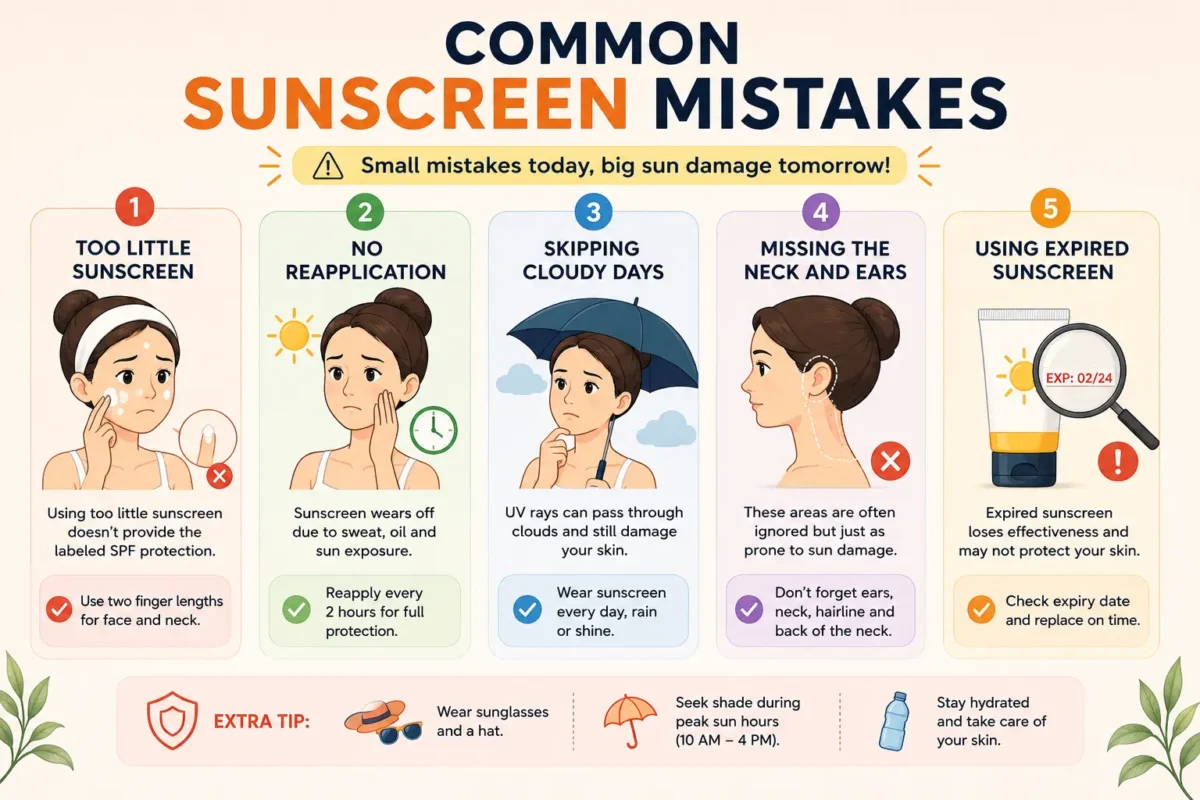
Before buying any skincare product, identify whether your skin is oily, dry, combination, sensitive, or normal.


Dermatologist Skincare for Oily Skin

Oily skin produces excess sebum, which can lead to enlarged pores, blackheads, and acne. The goal is not to remove all the oil but to maintain a healthy balance.

Look for ingredients like:

  • Salicylic Acid
  • Niacinamide
  • Zinc PCA
  • Green Tea Extract
  • Hyaluronic Acid (lightweight hydration)

Choose products that are:

  • Oil-free
  • Non-comedogenic
  • Lightweight
  • Gel-based
  • Fast absorbing

Avoid:

  • Heavy oils
  • Thick greasy creams
  • Over-cleansing, which may trigger even more oil production

Example: Imagine washing your face five times a day to remove oil. Instead of improving your skin, it may become dehydrated and respond by producing even more oil. A gentle cleanser used twice daily is usually a better approach.


Dermatologist Skincare for Dry Skin

Dry skin lacks moisture and natural oils. It often feels rough, tight, or flaky.

Look for ingredients such as:

  • Ceramides
  • Hyaluronic Acid
  • Glycerin
  • Squalane
  • Shea Butter
  • Panthenol

Choose products that are:

  • Cream-based
  • Fragrance-free
  • Rich in moisturizing ingredients
  • Barrier-repairing

Avoid:

  • Harsh soaps
  • Alcohol-heavy formulas
  • Excessive exfoliation

Using a moisturizer immediately after cleansing helps lock in hydration and reduces moisture loss.


Dermatologist Skincare for Combination Skin

Combination skin has both oily and dry areas, commonly an oily T-zone (forehead, nose, and chin) with normal or dry cheeks.

The best strategy is to maintain balance instead of treating your entire face as oily or dry.

Choose products that:

  • Hydrate without feeling heavy
  • Control shine in oily areas
  • Support the skin barrier
  • Contain gentle active ingredients

Many lightweight lotions and gel creams work well for combination skin.


Dermatologist Skincare for Sensitive Skin

Sensitive skin reacts easily to products and environmental changes.

Common symptoms include:

  • Redness
  • Burning
  • Itching
  • Dry patches
  • Stinging

Dermatologists often recommend simple routines with fewer products.

Look for:

  • Ceramides
  • Panthenol
  • Allantoin
  • Colloidal Oatmeal
  • Centella Asiatica

Avoid:

  • Strong fragrances
  • Essential oils in high concentrations
  • Harsh scrubs
  • High percentages of active ingredients when starting

Introducing products one at a time makes it easier to identify any ingredient that may cause irritation.


Dermatologist Skincare for Normal Skin

Normal skin is naturally balanced but still requires proper care.

A basic routine should include:

  • Gentle cleanser
  • Antioxidant serum
  • Moisturizer
  • Daily sunscreen

Maintaining healthy skin is often easier than treating problems after they develop.

Common Myths About Dermatologist Skincare

The skincare industry is full of misinformation. Let’s clear up some common myths.

Myth 1: Expensive Products Always Work Better

Reality:

A higher price does not automatically mean better results. Look at the ingredients, formulation, and clinical support rather than the price tag.
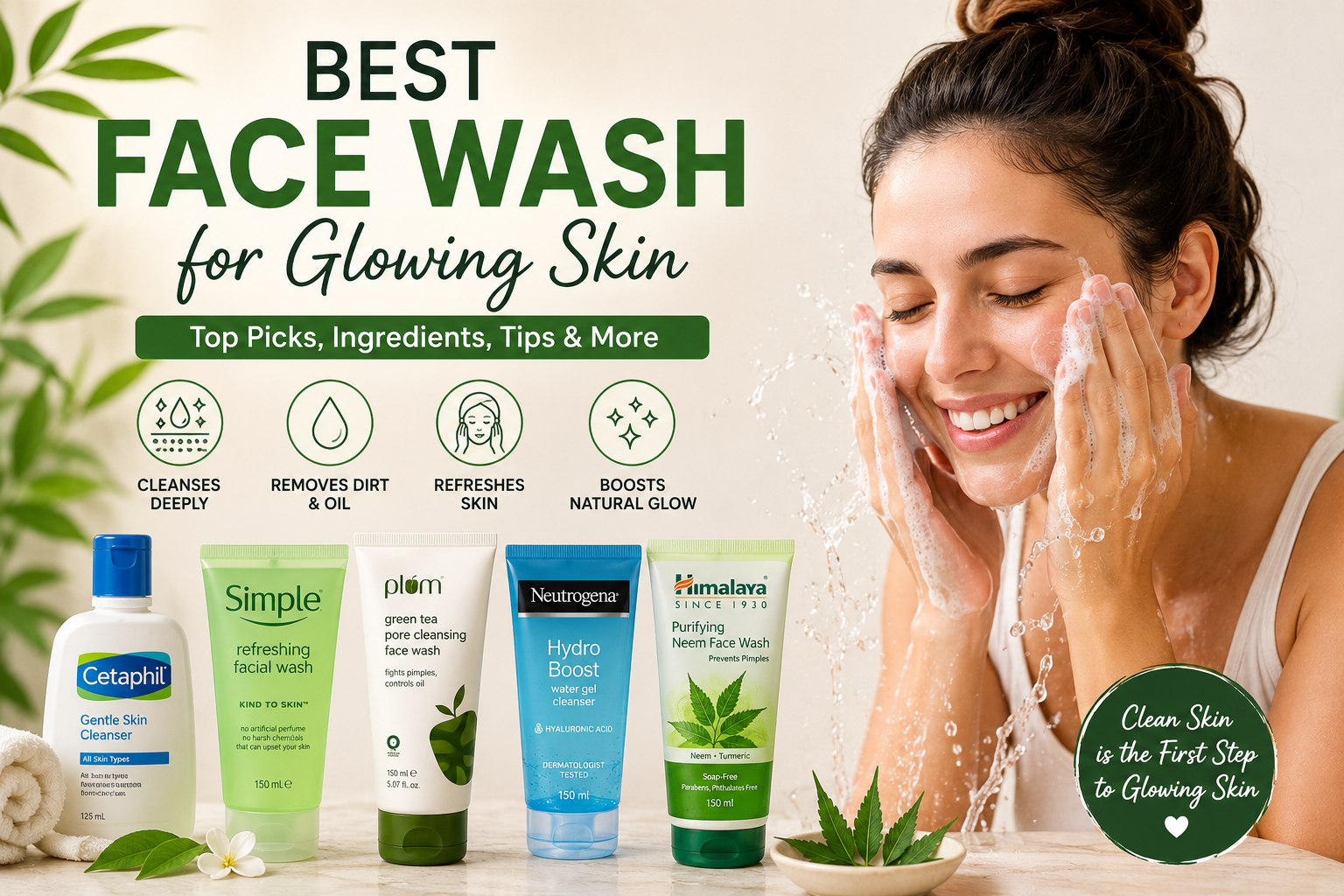

Myth 2: Natural Ingredients Are Always Safer

Reality:

Natural ingredients can also cause allergies or irritation.

For example, some essential oils and plant extracts may trigger reactions in sensitive skin.

Safety depends on the formulation, not whether an ingredient is natural or synthetic.


Myth 3: Oily Skin Doesn’t Need Moisturizer

Reality:

Every skin type needs hydration.

Skipping moisturizer may leave oily skin dehydrated, which can increase oil production.


Myth 4: More Products Mean Better Results

Reality:

Using too many products at once can overwhelm your skin and damage the skin barrier.

A simple routine is often more effective.


Myth 5: You Will See Results Overnight

Reality:

Healthy skin changes gradually.

Most dermatologist-approved products require several weeks of consistent use before noticeable improvements appear.

Patience is an important part of skincare.


Common Mistakes That Can Damage Your Skin Barrier

The skin barrier protects against moisture loss, pollution, and harmful microorganisms. Damaging it can lead to dryness, irritation, and increased sensitivity.

Avoid these common mistakes:

Washing Your Face Too Often

Cleansing more than necessary can remove the skin’s natural protective oils.


Over-Exfoliating

Using exfoliating acids or scrubs too frequently may cause redness, peeling, and irritation.


Skipping Sunscreen

Sun exposure can worsen pigmentation, accelerate aging, and weaken the skin barrier.

Daily sunscreen is one of the most effective ways to protect your skin.


Mixing Too Many Active Ingredients

Combining strong ingredients without guidance can increase irritation.

For example, beginners should be cautious when layering retinol with high-strength exfoliating acids unless advised by a skincare professional.


Ignoring Patch Tests

Even gentle products may not suit everyone.

Testing a small amount on a discreet area before full application can help identify unwanted reactions.


Professional Tips for Long-Term Healthy Skin

Healthy skin is built through consistent habits rather than occasional treatments.

Here are some dermatologist-inspired tips:

  • Cleanse gently twice a day.
  • Moisturize according to your skin type.
  • Wear sunscreen every morning.
  • Stay hydrated throughout the day.
  • Get enough sleep to support natural skin repair.
  • Eat a balanced diet rich in fruits, vegetables, and healthy fats.
  • Avoid picking pimples, as it may lead to scarring.
  • Replace skincare products if they expire or change in color, smell, or texture.
  • Store active ingredients like Vitamin C in a cool, dry place away from direct sunlight.
  • Give each new product enough time to work before deciding whether it suits your skin.

Building a healthy skincare routine is a long-term investment. Consistency, patience, and choosing clinically backed products can make a noticeable difference over time.

he Future of Dermatologist Skincare

Dermatologist skincare continues to evolve as new research helps experts better understand how skin functions. Instead of focusing only on treating visible problems, modern skincare aims to prevent damage, strengthen the skin barrier, and support long-term skin health.

Several exciting trends are shaping the future of clinically backed skincare.

Personalized Skincare

Everyone’s skin is unique. Factors such as age, climate, lifestyle, hormones, and genetics can affect how skin behaves.

Many premium skincare brands are now creating personalized routines based on individual skin concerns instead of offering a one-size-fits-all solution.

For example, two people with acne may receive different product recommendations if one has oily skin while the other has dry, sensitive skin.


Skin Barrier–Focused Formulas

In recent years, dermatologists have emphasized the importance of protecting the skin barrier.

Rather than using strong treatments every day, newer formulations combine active ingredients with nourishing ingredients like ceramides, cholesterol, and fatty acids to reduce irritation while maintaining effectiveness.

This balanced approach supports healthier skin over time.


Smarter Ingredient Combinations

Instead of relying on a single “hero ingredient,” many modern formulations combine complementary ingredients that work well together.

For example:

  • Niacinamide + Ceramides for barrier repair and oil balance
  • Vitamin C + Vitamin E for antioxidant support
  • Hyaluronic Acid + Glycerin for long-lasting hydration
  • Peptides + Moisturizers for improved skin firmness

These carefully designed combinations can deliver multiple benefits while remaining gentle on the skin.


Sustainable and Responsible Skincare

Consumers are becoming more aware of environmental responsibility.

Many premium skincare brands are now focusing on:

  • Recyclable packaging
  • Responsibly sourced ingredients
  • Reduced plastic waste
  • Cruelty-free product development
  • Environmentally conscious manufacturing

Choosing products that are both effective and responsibly made can support healthier skin and a healthier planet.


How to Build a Simple Dermatologist-Approved Routine

If you’re new to skincare, you don’t need a shelf full of products. A consistent routine with a few well-chosen essentials is often enough.

Morning Routine

  1. Gentle Cleanser
  2. Antioxidant or Hydrating Serum
  3. Moisturizer
  4. Broad-Spectrum Sunscreen (SPF 30 or higher)

Evening Routine

  1. Gentle Cleanser
  2. Treatment Product (if needed)
  3. Moisturizer

Once your skin adjusts to this basic routine, you can slowly introduce additional products based on your skin goals.


Final Thoughts

Healthy skin is not achieved through overnight miracles or viral skincare trends. It comes from understanding your skin, using products backed by science, and maintaining a routine that you can follow consistently.

Dermatologist skincare stands apart because it combines clinical research, carefully selected ingredients, and expert knowledge to support long-term skin health rather than offering temporary cosmetic improvements.

Whether your goal is clearer skin, better hydration, reduced pigmentation, or healthier aging, choosing clinically backed skincare can help you make informed decisions with greater confidence.

Remember that every skin type is different. The best routine is not the one with the most products but the one that suits your skin’s unique needs and is followed consistently.

With patience, daily sun protection, and evidence-based skincare, you can build healthier, stronger, and more resilient skin for years to come.


Frequently Asked Questions (FAQs)

1. What is dermatologist skincare?

Dermatologist skincare refers to skincare products that are developed, tested, or recommended using scientific research and clinical expertise. These products are designed to improve skin health safely and effectively.


2. Is dermatologist skincare suitable for all skin types?

Yes. There are dermatologist-developed products available for oily, dry, combination, sensitive, and normal skin. Choosing products that match your skin type is the key to achieving the best results.
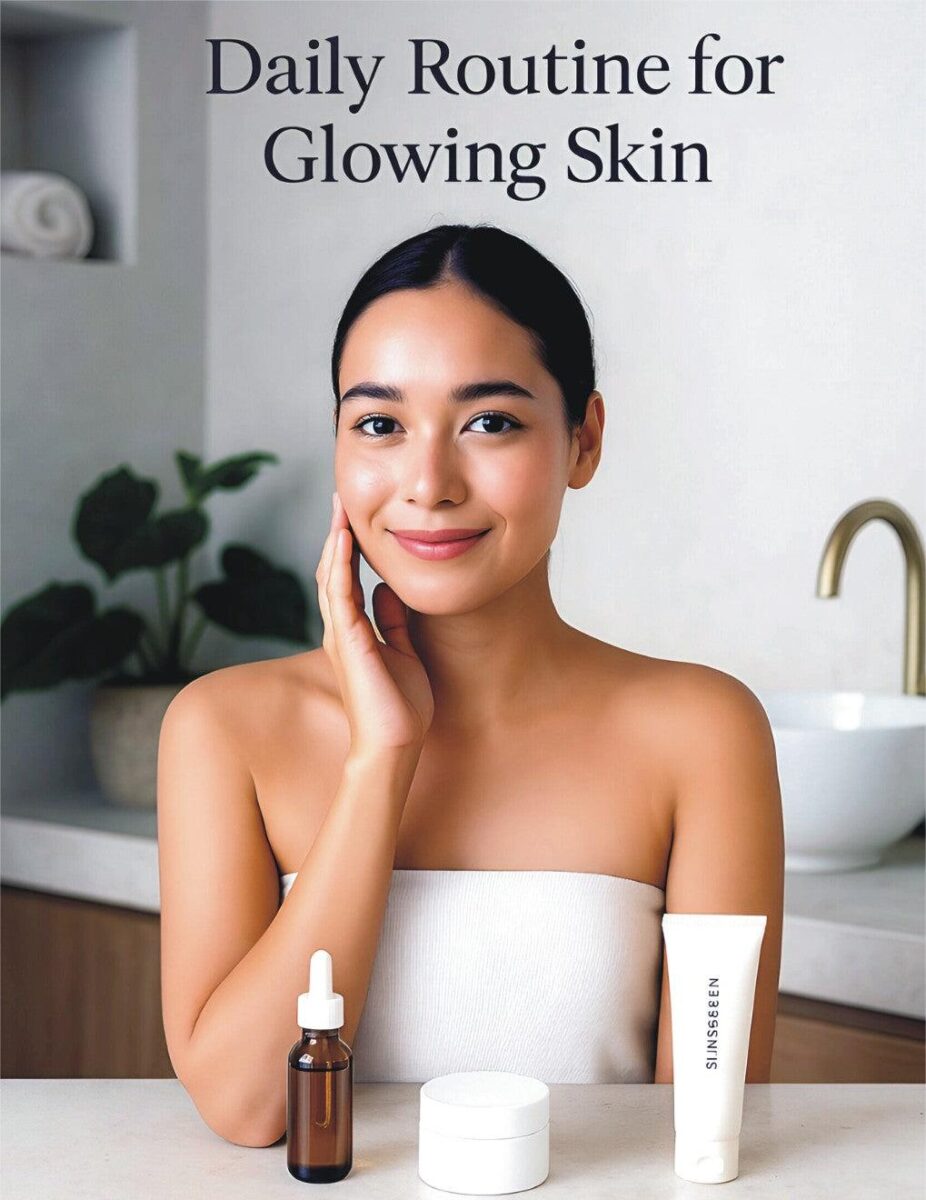

3. Is premium skincare worth the investment?

Premium skincare often offers higher-quality ingredients, advanced formulations, and better stability. While not every expensive product is superior, clinically backed premium skincare can provide reliable long-term benefits when selected appropriately.


4. How long does dermatologist skincare take to show results?

Results vary depending on the product and skin concern. Many people notice improvements within 4 to 12 weeks of consistent use, although hydration may improve sooner.


5. Can I use dermatologist skincare every day?

Most dermatologist-recommended cleansers, moisturizers, and sunscreens are designed for daily use. Active ingredients such as retinol or exfoliating acids should be introduced gradually according to product instructions.


6. Do I need sunscreen if I use dermatologist skincare?

Yes. Daily sunscreen is essential because many active ingredients can make the skin more sensitive to sunlight. Sunscreen also helps prevent pigmentation, premature aging, and UV damage.


7. Can beginners use active ingredients like retinol?

Yes, but beginners should start with a low concentration and use it only a few nights per week. Applying a moisturizer afterward can help reduce dryness and irritation.


8. What is the most important step in any skincare routine?

Daily sunscreen is widely considered one of the most important steps because it protects the skin from UV damage and helps preserve the benefits of your skincare routine.


The Best Acne Patches 2026 : Your Complete Guide

Best acne patches 2026 for treating pimples, reducing redness, and protecting acne-prone skin

Acne can appear when you least expect it. You may wake up with a painful pimple before an important meeting, a family function, or a special event. While there are many Pimple treatments available, Pimple patches have become one of the easiest and most effective skincare solutions in recent years. They are simple to use, work while you sleep, and help reduce the temptation to pick at your pimples.

In 2026, acne patches have become even more advanced. Many brands now offer hydrocolloid patches with ingredients like salicylic acid, tea tree oil, niacinamide, and centella asiatica to speed up healing and calm irritated skin. Whether you have oily skin, combination skin, or sensitive skin, there is an Pimple patch designed for your needs.

If you’re new to acne patches, this guide will explain everything in simple language. You’ll learn how acne patches work, who should use them, what ingredients to look for, and which products are worth buying in 2026.

What Are Pimple Patches?

Acne patches are small adhesive stickers that are placed directly over a pimple. Most acne patches are made from hydrocolloid, a moisture-absorbing material commonly used in wound care. Once applied, the patch creates a protective barrier over the blemish.

As the patch works, it absorbs excess oil, pus, and fluid from the pimple while protecting it from dirt, bacteria, and your fingers. This allows the skin to heal in a cleaner environment.

Unlike many Pimple creams that can dry out the surrounding skin, acne patches target only the affected area. This makes them suitable even for people with sensitive skin.

Modern Pimple patches are available in different shapes, sizes, and formulas. Some are almost invisible, allowing you to wear them during the day, while others are designed for overnight treatment.

Read More: What Is the Best Brand of Hyaluronic Acid Serum?


How Do Pimple Patches Work?

The main job of an acne patch is to create the perfect healing environment for your skin.

When placed over a whitehead or surface-level pimple, the hydrocolloid material gently absorbs fluids released from the blemish. This helps reduce swelling and speeds up recovery.

At the same time, the patch acts like a protective shield. It prevents bacteria, pollution, makeup, and your hands from touching the pimple.

This is important because many people unknowingly make Pimple worse by squeezing or picking at pimples. Picking can increase inflammation, delay healing, and leave behind dark spots or acne scars.

Some advanced Pimple patches also contain active ingredients that help reduce inflammation and fight acne-causing bacteria.

These may include:

  • Salicylic acid for unclogging pores
  • Tea tree oil for its antibacterial properties
  • Niacinamide for reducing redness
  • Centella asiatica for soothing irritated skin
  • Hyaluronic acid for maintaining skin hydration

Each ingredient offers different benefits depending on the type of Pimple you’re treating.

Read More: 10 Best Sunscreens for Oily Skin in India (2026)


Benefits of Using Pimple Patches

Acne patches have become popular because they are easy to use and offer several skincare benefits.

1. Faster Healing

By absorbing excess fluid and protecting the pimple, acne patches help blemishes heal more quickly than leaving them exposed.

2. Prevents Picking

Many people touch their face without realizing it. Pimple patches create a physical barrier that reduces the urge to pick or squeeze pimples.

3. Reduces Redness

Some patches contain calming ingredients that help reduce inflammation, making pimples appear less noticeable.

4. Protects Against Bacteria

The patch keeps dirt, sweat, and bacteria away from the affected area, lowering the risk of infection.

5. Less Chance of Pimple Scars

Since acne patches discourage picking, they can help reduce the likelihood of post-Pimple marks and scars.

6. Easy for Beginners

Unlike complicated skincare routines, acne patches require very little effort. Simply apply one to clean skin and let it work.

7. Suitable for Most Skin Types

Whether you have oily, dry, combination, or sensitive skin, there are acne patches available that suit your skin’s needs.


Different Types of Pimple Patches

Not every acne patch works the same way. Choosing the right type depends on the kind of blemish you have.

Hydrocolloid Pimple Patches

These are the most common type. They work best on whiteheads and pimples that have come to a head.

They absorb fluid and create a moist healing environment.

Best for:

  • Whiteheads
  • Small pimples
  • Healing acne

Medicated Acne Patches

These patches contain acne-fighting ingredients like salicylic acid or tea tree oil.

They help reduce inflammation while treating clogged pores.

Best for:

  • Mild acne
  • Inflamed pimples
  • Recurring breakouts

Micro needle Pimple Patches

These patches use tiny dissolving needles that deliver active ingredients deeper into the skin.

They’re especially useful for painful pimples that develop beneath the surface.

Best for:

  • Blind pimples
  • Cystic Pimple
  • Deep Pimple bumps

Invisible Daytime Patches

These ultra-thin patches blend into the skin and can even be worn under makeup.

They protect pimples throughout the day without being obvious.

Best for:

  • Office
  • School
  • Daily wear

Overnight Pimple Patches

These patches are usually thicker and designed to absorb more fluid while you sleep.

Many users notice visible improvement by morning.

Best for:

  • Whiteheads
  • Healing pimples overnight

Who Should Use Acne Patches?

Acne patches are suitable for many people, especially those who experience occasional breakouts.

They are ideal if:

  • You often get whiteheads.
  • You tend to touch or pick at pimples.
  • You want a quick solution before an event.
  • Your skin becomes irritated by strong acne creams.
  • You need targeted treatment instead of applying medication to your whole face.
  • You want an easy addition to your skincare routine.

However, acne patches are not a complete treatment for severe acne. If you regularly experience painful cystic acne or widespread breakouts, it’s best to combine acne patches with a dermatologist-recommended skincare routine.

Top 10 Best Pimple Patches of 2026

Choosing the right acne patch can make a noticeable difference in how quickly a pimple heals. The best acne patches stick well, protect the blemish, and help reduce redness without irritating the surrounding skin. Below are some of the best acne patches to consider in 2026.

1. COSRX Pimple Pimple Master Patch

The COSRX Acne Pimple Master Patch remains one of the most trusted options for treating whiteheads. Made with high-quality hydrocolloid material, these patches absorb excess fluid while protecting the pimple from bacteria and dirt.

They come in multiple sizes, making it easy to cover both small and larger blemishes. The strong adhesive stays in place overnight, even if you move during sleep.

Read More: Best Face Wash for Glowing Skin: A Complete Guide for Healthy and Radiant Skin

Best For: Whiteheads and surface pimples

Pros

  • Excellent overnight healing
  • Strong adhesion
  • Available in different sizes
  • Suitable for sensitive skin

Cons

  • Not ideal for deep cystic acne

2. Hero Mighty Patch Original

Hero Mighty Patch is another popular hydrocolloid patch known for reducing the appearance of pimples overnight. Its thin design blends well with the skin, making it comfortable to wear while sleeping.

Many users notice reduced swelling and less redness after one use.

Best For: Overnight pimple treatment

Pros

  • Easy to remove
  • Gentle on skin
  • Latex-free
  • Good for beginners

Cons

  • Works best only on pimples with visible fluid

3. Nexcare Pimple Absorbing Covers

If you’re looking for a budget-friendly option, Nexcare Acne Absorbing Covers offer excellent value. These patches absorb oil and protect the skin without adding harsh ingredients.

They are especially useful for people who occasionally experience small breakouts.

Best For: Everyday acne care

Pros

  • Affordable
  • Comfortable fit
  • Protects against dirt and bacteria

Cons

  • Limited size options

4. Peace Out Pimple Healing Dots

These medicated acne patches combine hydrocolloid technology with salicylic acid, aloe vera, and vitamin A to help reduce inflammation and unclog pores.

They’re suitable for people dealing with inflamed pimples that need more than basic protection.

Best For: Inflamed Pimple

Pros

  • Contains acne-fighting ingredients
  • Helps calm redness
  • Easy overnight use

Cons

  • Slightly more expensive than standard patches

5. Rael Miracle Patch

Rael Miracle Patch is designed for sensitive skin and offers excellent adhesion without causing irritation. The ultra-thin design also makes it suitable for daytime wear.

Many users appreciate that the patches remain almost invisible on the skin.

Best For: Sensitive skin

Pros

  • Thin and discreet
  • Gentle adhesive
  • Waterproof

Cons

  • Less effective on deep pimples

6. Avarelle Pimple Cover Patch

Avarelle combines hydrocolloid with tea tree oil, calendula oil, and centella asiatica to soothe irritated skin while protecting blemishes.

These ingredients make it an excellent choice for people whose acne becomes red and inflamed.

Best For: Red, irritated pimples

Pros

  • Soothes inflammation
  • Natural calming ingredients
  • Comfortable to wear

Cons

  • Slight herbal scent

7. ZitSticka KILLA Patch

Unlike regular hydrocolloid patches, ZitSticka KILLA uses dissolving microneedles to deliver acne-fighting ingredients below the skin’s surface.

This makes it one of the best options for painful blind pimples that haven’t developed a whitehead.

Best For: Blind pimples and early-stage Pimple

Pros

  • Targets deep blemishes
  • Helps reduce swelling
  • Innovative microneedle technology

Cons

  • Premium price

8. Skyn Iceland Blemish Dots

These patches contain salicylic acid and soothing botanical ingredients to reduce redness while treating blemishes.

They work particularly well for occasional hormonal breakouts.

Best For: Hormonal Pimple

Pros

  • Reduces redness
  • Comfortable fit
  • Easy to apply

Cons

  • Smaller pack size

9. Peach Slices Pimple Spot Dots

Peach Slices offers simple hydrocolloid patches without unnecessary fragrances or harsh ingredients.

They’re suitable for teenagers and adults looking for gentle acne care.

Best For: Everyday use

Pros

  • Fragrance-free
  • Affordable
  • Skin-friendly

Cons

  • Not designed for cystic acne

10. Some By Mi Clear Spot Patch

This Korean skincare favorite provides strong adhesion and effective fluid absorption. The patches are available in different sizes to suit various blemishes.

They’re also thin enough to wear during the day without being too noticeable.

Best For: Daily acne protection

Pros

  • Excellent adhesion
  • Multiple sizes
  • Nearly invisible

Cons

  • May require replacement during long wear

How to Choose the Best Pimple Patch

Not every acne patch works for every type of breakout. Before buying one, consider your skin type and the kind of acne you usually experience.

If you mainly get whiteheads, a standard hydrocolloid patch is usually enough. These patches absorb fluid and protect the pimple while it heals.

If your pimples are red and inflamed, choose a medicated patch containing ingredients like salicylic acid, niacinamide, or tea tree oil. These ingredients help calm inflammation and reduce bacteria.

For painful, deep pimples that stay under the skin, microneedle patches are often a better choice because they deliver active ingredients below the skin’s surface.

People with sensitive skin should look for fragrance-free and alcohol-free patches to reduce the risk of irritation.

It’s also worth checking the patch thickness. Thin patches are ideal for daytime use because they blend into the skin, while thicker patches generally absorb more fluid overnight.

Best Pimple Patches by Skin Type

Choosing according to your skin type can improve your results.
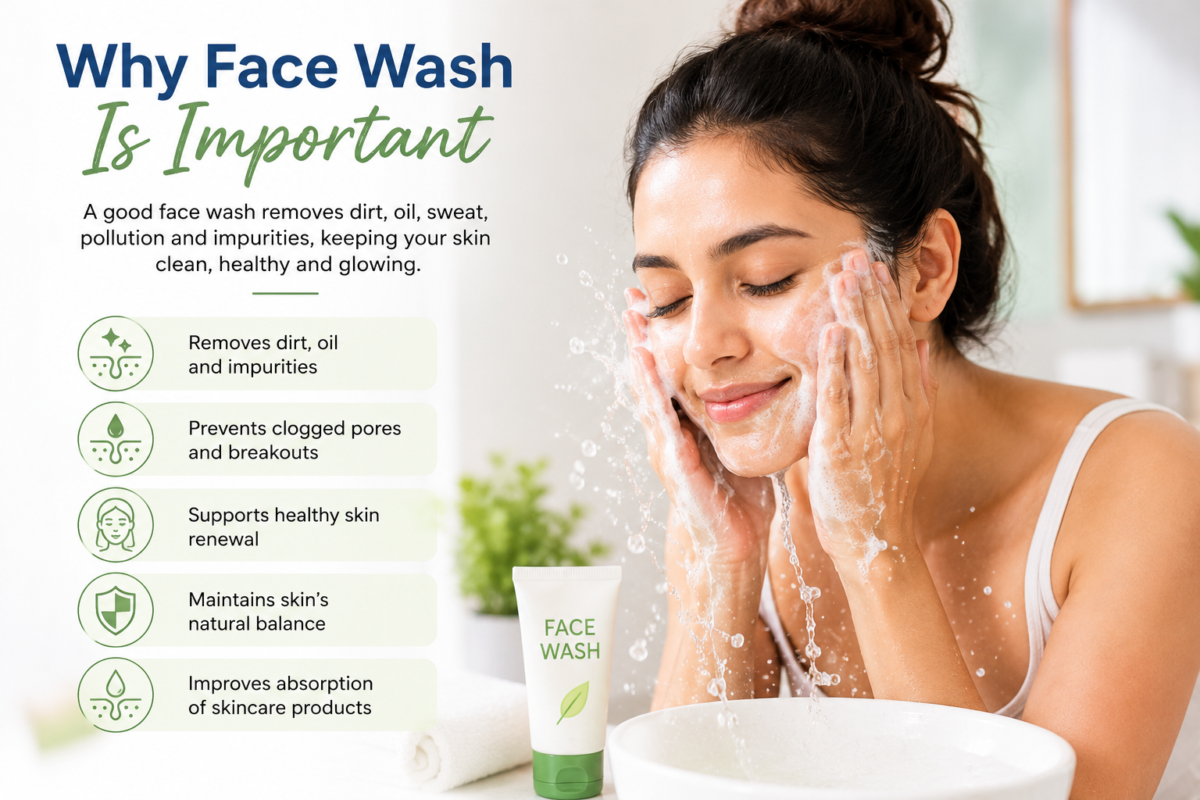
Oily Skin

If your skin produces excess oil, look for hydrocolloid patches with salicylic acid. They help absorb oil while keeping pores cleaner.

Dry Skin

People with dry skin should choose gentle hydrocolloid patches without drying ingredients. Products containing hyaluronic acid or centella asiatica can help maintain skin comfort.

Combination Skin

Combination skin benefits from standard hydrocolloid patches that provide balanced treatment without over-drying certain areas.

Sensitive Skin

Fragrance-free, dermatologist-tested patches with soothing ingredients such as centella asiatica are usually the safest option for sensitive skin.

Acne-Prone Skin

If you experience frequent breakouts, consider keeping both hydrocolloid patches and micro needle patches at home. This allows you to treat different types of pimples as soon as they appear.

How to Use Pimple Patches Correctly

Using an acne patch is simple, but applying it the right way can make a big difference in how well it works. A patch needs clean skin and enough time to absorb excess fluid from the pimple. Following these steps will help you get the best possible results.
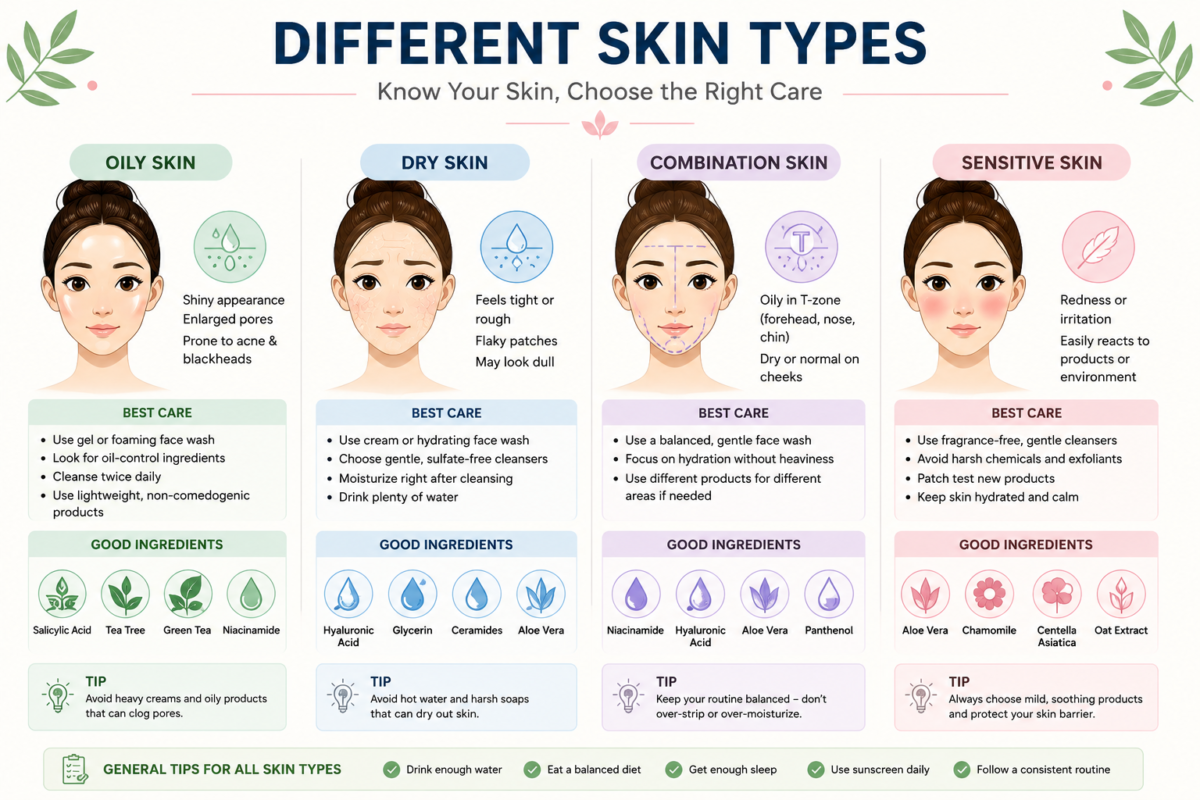
Step 1: Cleanse Your Face

Start by washing your face with a gentle cleanser to remove dirt, oil, sunscreen, and makeup. Pat your skin dry with a clean towel. Acne patches stick best to completely dry skin.

Step 2: Skip Heavy Skincare on the Pimple

Avoid applying moisturizer, facial oil, or Pimple cream directly on the pimple before using a hydrocolloid patch. These products can prevent the patch from sticking properly.

If you use a serum or moisturizer, apply it around the pimple instead of underneath the patch.

Step 3: Apply the Patch

Choose a patch that completely covers the blemish. Press it gently onto the skin for a few seconds to ensure good adhesion.

Avoid touching or adjusting the patch after it is in place.

Step 4: Leave It On

Most acne patches work best when left on for 6 to 12 hours. Many people prefer applying them before bedtime so they can work overnight.

Replace the patch once it turns white or cloudy, as this means it has absorbed fluid from the pimple.

Step 5: Remove Gently

Peel the patch off slowly without pulling the surrounding skin. Wash your face if needed and continue with your regular skincare routine.

If the pimple is still active, you can apply a fresh patch.


Common Mistakes to Avoid

Even the best Pimple patch cannot deliver great results if it is used incorrectly. Here are some common mistakes beginners should avoid.

Applying It to Dirty Skin

Oil, sweat, and makeup reduce the adhesive strength of the patch. Always apply it to freshly cleansed skin.

Using It on Every Type of Pimple

Standard hydrocolloid patches are most effective on whiteheads and surface pimples. They are less effective on blackheads or deep cystic acne.

For painful under-the-skin pimples, consider using micro needle Pimple patches instead.

Removing the Patch Too Early

Many people remove the patch after one or two hours because they don’t see immediate results. Hydrocolloid patches need several hours to absorb fluid and protect the blemish.
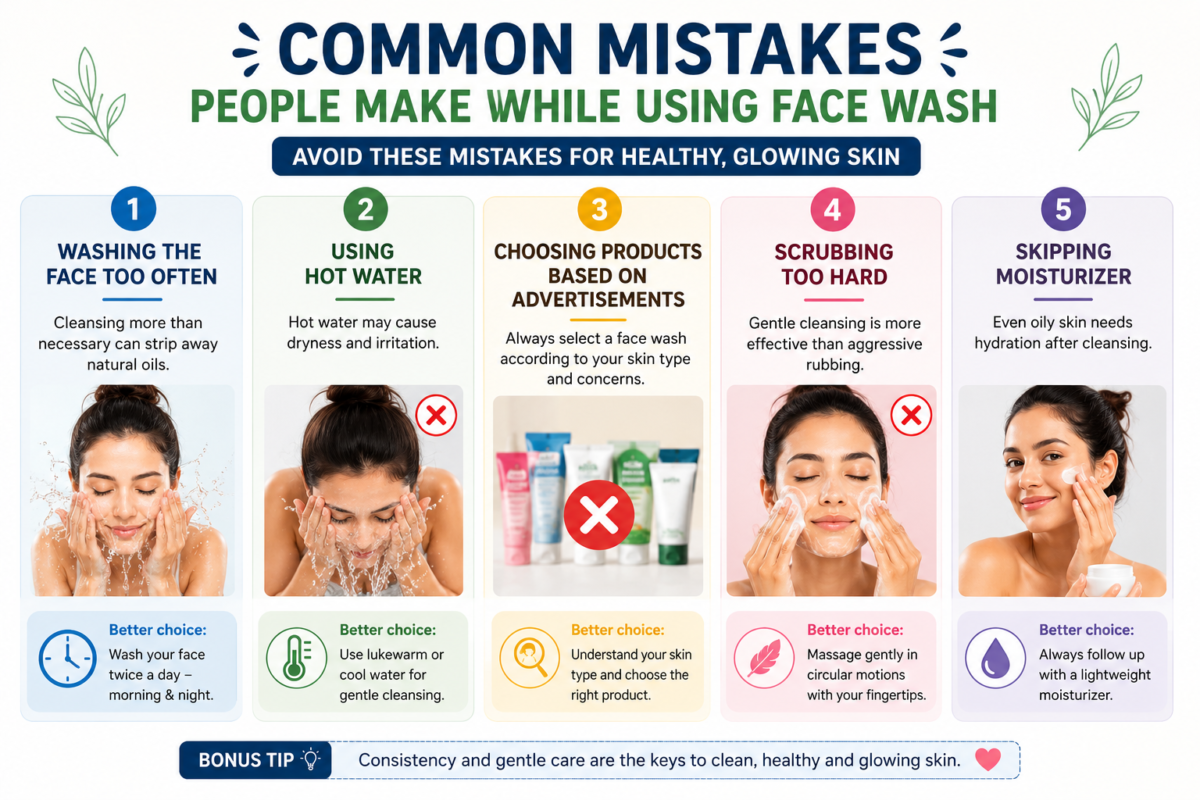
Patience leads to better healing.

Touching the Patch Frequently

Constantly pressing or lifting the patch introduces bacteria and weakens the adhesive.

Apply it once and let it do its job.

Picking the Pimple

Some people remove the patch and immediately squeeze the pimple. This can increase redness, slow healing, and raise the risk of Pimple scars.

Allow the skin to heal naturally.


Ingredients to Look for in Pimple Patches

Modern acne patches often include beneficial ingredients that provide additional skincare benefits beyond hydrocolloid technology.

Hydrocolloid

This is the key ingredient found in most acne patches. It absorbs excess fluid, protects the pimple, and creates an ideal healing environment.

Salicylic Acid

Salicylic acid helps unclog pores by removing excess oil and dead skin cells. It is especially useful for oily and acne-prone skin.

Niacinamide

Niacinamide helps reduce redness, supports the skin barrier, and may improve the appearance of post-acne marks over time.

Tea Tree Oil

Tea tree oil has natural antibacterial properties that may help reduce acne-causing bacteria. It is commonly used in medicated acne patches.

Centella Asiatica

Also known as Cica, this soothing ingredient helps calm irritated skin and reduce redness.

It is a good choice for people with sensitive skin.

Hyaluronic Acid

Hyaluronic acid provides hydration and supports skin healing without making the skin feel greasy.


Ingredients to Avoid If You Have Sensitive Skin

Not every acne patch is suitable for all skin types. If your skin is easily irritated, try to avoid patches containing:

  • Strong artificial fragrance
  • High amounts of alcohol
  • Harsh essential oils
  • Ingredients that have previously caused irritation on your skin

Before trying a new brand, it’s always a good idea to perform a small patch test if you have very sensitive skin.


Do Pimple Patches Really Work?

Yes, acne patches can be highly effective when used correctly and on the right type of blemish.

Hydrocolloid Pimple patches work especially well on pimples that have developed a visible whitehead. They absorb excess fluid, reduce inflammation, and prevent outside bacteria from entering the area.

Many people notice that their pimples appear flatter and less red after wearing a patch overnight.

However, it’s important to have realistic expectations. Pimple patches are not a permanent cure for acne. They treat individual pimples rather than preventing future breakouts.

If you regularly experience severe Pimple, cystic acne, or widespread breakouts, acne patches should be used alongside a complete skincare routine that may include a gentle cleanser, moisturizer, sunscreen, and dermatologist-recommended acne treatments.

Expert Tips for Better Results

Getting the most from acne patches involves more than simply applying one to a pimple. These practical tips can help improve your overall skincare routine.
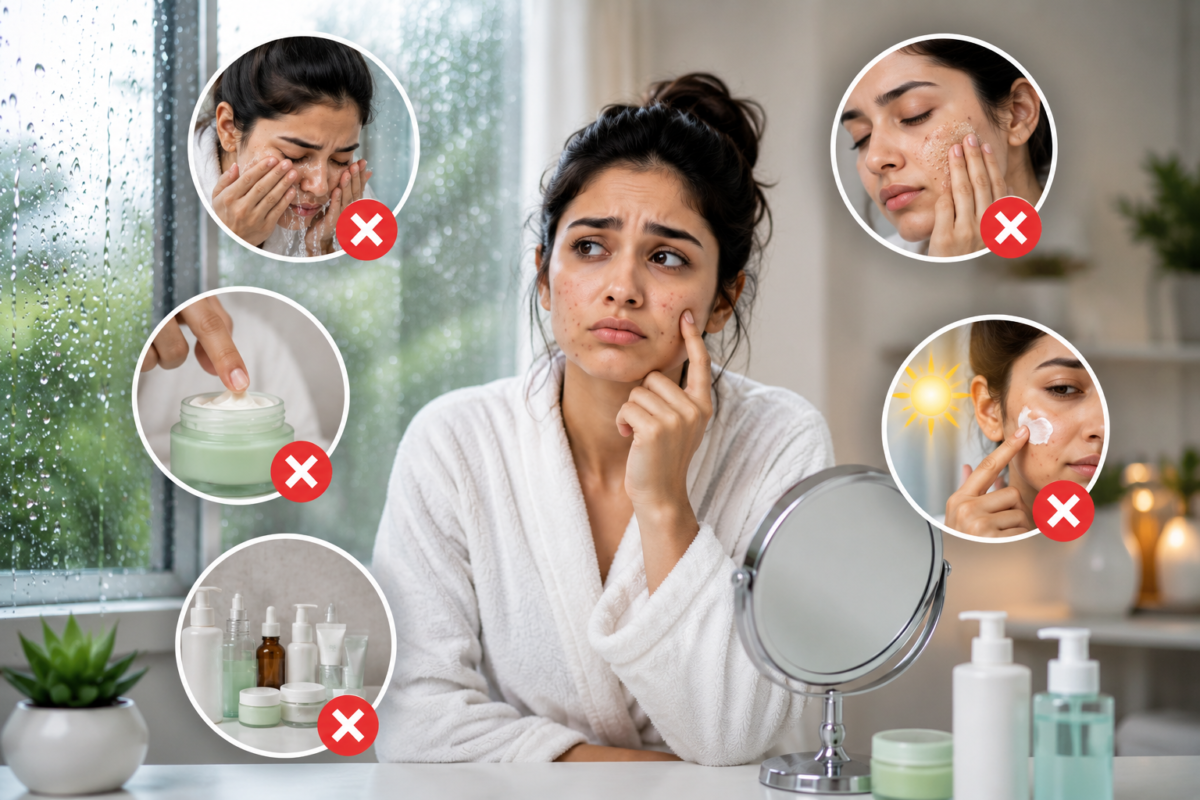
  • Apply acne patches as soon as you notice a whitehead forming.
  • Always wash your hands before touching your face.
  • Avoid popping pimples before using a patch.
  • Wear sunscreen daily to reduce the chance of post-acne dark spots.
  • Keep your pillowcases clean by washing them regularly.
  • Avoid sharing towels or makeup products with others.
  • Maintain a consistent skincare routine instead of changing products every week.
  • Drink enough water and eat a balanced diet to support healthy skin.
  • Be patient, as even small pimples need time to heal naturally.

Remember, healthy skin is built through consistent daily care rather than overnight miracles. Pimple patches are a helpful tool, but they work best when combined with good skincare habits.

Conclusion

Acne patches have become one of the easiest and most effective spot treatments for managing pimples in 2026. Whether you’re dealing with an unexpected whitehead before a special event or looking for a simple way to prevent picking at your skin, the right acne patch can help speed up healing while protecting the affected area.

The key to getting the best results is choosing a patch that matches your type of acne. Standard hydrocolloid patches are excellent for whiteheads and surface pimples, while medicated patches with ingredients like salicylic acid or tea tree oil can help calm inflamed breakouts. If you frequently experience painful blind pimples, microneedle patches are often the better choice.

Remember that acne patches are only one part of a healthy skincare routine. Cleansing your face gently, moisturizing regularly, wearing sunscreen every day, and avoiding the habit of picking your pimples will all contribute to clearer and healthier skin over time.

No skincare product can completely eliminate acne overnight, but acne patches can make individual blemishes heal faster, reduce redness, and lower the risk of acne scars when used correctly. With consistent skincare habits and the right products, achieving healthier-looking skin is possible for beginners and skincare enthusiasts alike.


Frequently Asked Questions (FAQs)

1. Do Pimple patches really work?

Yes. Hydrocolloid acne patches are effective for whiteheads and surface-level pimples. They absorb excess fluid, protect the blemish from bacteria, and help reduce redness and swelling.

2. Can I wear an Pimple patch overnight?

Absolutely. Overnight use is one of the best ways to use acne patches because they have enough time to absorb impurities while your skin naturally repairs itself.

3. Are Pimple patches safe for sensitive skin?

Most hydrocolloid patches are gentle and suitable for sensitive skin. If your skin is easily irritated, choose fragrance-free and alcohol-free patches with soothing ingredients like Centella Asiatica.

4. Can I wear makeup over an Pimple patch?

Yes. Ultra-thin or invisible acne patches can be worn under makeup. They help protect the pimple while creating a smoother surface for foundation or concealer.

5. How long should I leave an Pimple patch on?

Most acne patches should remain on the skin for 6 to 12 hours or until they turn white or cloudy, indicating they have absorbed fluid from the blemish.

6. Do acne patches help with cystic Pimple?

Regular hydrocolloid patches are less effective for deep cystic Pimple. Micro needle acne patches are a better option because they deliver active ingredients beneath the skin’s surface.

7. Can Pimple patches prevent acne scars?

They can help reduce the risk of acne scars by preventing you from picking or squeezing pimples, which is one of the leading causes of post-Pimple marks.

8. Should I apply Pimple cream before using an acne patch?

For standard hydrocolloid patches, apply them to clean, dry skin without cream underneath. Some medicated patches already contain active ingredients, making additional spot treatments unnecessary.

9. Can I use Pimple patches every day?

Yes. Acne patches are safe to use whenever a new pimple appears. However, if you experience frequent or severe acne, you should also follow a complete skincare routine and consult a dermatologist if needed.

10. Which Pimple patch is best for beginners?

Hydrocolloid acne patches are the best choice for beginners because they are simple to use, gentle on the skin, and highly effective for treating whiteheads and small pimples.

What Is the Best Brand of Hyaluronic Acid Serum?

Best hyaluronic acid serum brands for hydrated and healthy skin

Hyaluronic acid serum has become one of the most recommended skincare products for healthy, hydrated, and glowing skin. Whether your skin is dry, oily, combination, or sensitive, a good hyaluronic acid serum can improve your skin’s moisture levels without feeling heavy or greasy.

But with hundreds of brands available online and in stores, choosing the best hyaluronic acid serum can feel confusing. Every brand claims to be the best, making it difficult for beginners to know which one is actually worth buying.

The truth is that there isn’t one perfect serum for everyone. The best brand depends on your skin type, budget, ingredients, and skincare goals. Some formulas are made for deep hydration, while others also target fine lines, dullness, or damaged skin barriers.

What Is Hyaluronic Acid?

Hyaluronic acid is a naturally occurring substance found in your skin, eyes, and connective tissues. Its main job is to hold water and keep your skin hydrated.

One molecule of hyaluronic acid can attract and hold up to 1,000 times its weight in water, making it one of the most effective hydrating ingredients used in modern skincare.

As we age, our body’s natural hyaluronic acid levels gradually decrease. This can lead to:

  • Dry skin
  • Tightness
  • Fine lines
  • Loss of skin elasticity
  • Dull-looking complexion

Using a hyaluronic acid serum helps replace some of that lost hydration and supports healthier-looking skin.

Read More:Which Hair Mask is The Best for Frizzy and Dry

Why Is Hyaluronic Acid Serum So Popular?

Unlike heavy creams, hyaluronic acid serums are lightweight and absorb quickly into the skin.

People love them because they:

  • Instantly hydrate the skin
  • Improve skin softness
  • Make skin appear plumper
  • Reduce the appearance of fine lines caused by dehydration
  • Work well with almost every skincare routine

Another reason for its popularity is that hyaluronic acid is suitable for nearly all skin types, including oily and acne-prone skin.

What Makes a Hyaluronic Acid Serum the Best?

Not every serum delivers the same results. Some products contain only a small amount of hyaluronic acid, while others combine it with ingredients that improve hydration even more.

Here are the most important factors to consider.

1. Different Molecular Weights

A high-quality serum usually contains multiple molecular weights of hyaluronic acid.

This allows hydration at different levels of the skin instead of only on the surface.

Read More:Best Ayurvedic Skin Care Products in India (2026)

2. Added Hydrating Ingredients

Look for formulas that also contain ingredients such as:

  • Glycerin
  • Panthenol (Vitamin B5)
  • Aloe Vera
  • Ceramides
  • Beta-Glucan

These ingredients help strengthen the skin barrier and lock in moisture.

3. Fragrance-Free Formula

If you have sensitive skin, choose products without added fragrance or unnecessary essential oils.

Simple formulas usually cause less irritation.

4. Alcohol-Free

Avoid serums with high amounts of drying alcohol, especially if your skin is dry or sensitive.

5. Trusted Brand Reputation

Established skincare brands invest more in research, quality testing, and ingredient stability.

Reading genuine customer reviews can also help you make a better decision.

Read More: 10 Best Sunscreens for Oily Skin in India (2026)

Best Hyaluronic Acid Serum Brands

1. The Ordinary

The Ordinary is one of the most popular skincare brands worldwide because it offers effective products at affordable prices.

Why people like it

  • Budget-friendly
  • Fragrance-free
  • Lightweight texture
  • Suitable for beginners
  • Multiple forms of hyaluronic acid

Best for:

  • Dry skin
  • Combination skin
  • Normal skin

2. CeraVe

CeraVe combines hyaluronic acid with ceramides, making it excellent for repairing the skin barrier while providing long-lasting hydration.

Benefits

  • Dermatologist recommended
  • Contains ceramides
  • Non-comedogenic
  • Suitable for sensitive skin

Best for:

  • Dry skin
  • Sensitive skin
  • Compromised skin barrier

3. La Roche-Posay

Known for gentle skincare, La Roche-Posay offers premium-quality hydration with minimal irritation.

Its hyaluronic acid serum also contains Vitamin B5, which helps soothe and repair the skin.

Ideal for:

  • Sensitive skin
  • Mature skin
  • Dehydrated skin

4. Neutrogena

Neutrogena is well known for creating skincare products that are easy to use and suitable for everyday routines. Its hyaluronic acid serums focus on providing lightweight hydration without leaving a sticky feeling.

Why choose Neutrogena?

  • Fast-absorbing formula
  • Lightweight texture
  • Suitable for daily use
  • Works well under sunscreen and makeup

Best for:

  • Oily skin
  • Combination skin
  • Normal skin

5. L’Oréal Paris

L’Oréal Paris offers hyaluronic acid serums that combine hydration with anti-aging benefits. Their formulas are designed to improve skin smoothness and reduce the appearance of dehydration lines.

Benefits

  • Deep hydration
  • Leaves skin looking plump
  • Suitable for beginners
  • Easily available in many countries

Best for:

  • Dry skin
  • Early signs of aging
  • Dull skin

6. Vichy

Vichy is a premium skincare brand that combines hyaluronic acid with mineral-rich thermal water to support healthy-looking skin.

Why many skincare experts recommend it

  • Gentle formula
  • Strengthens the skin barrier
  • Provides long-lasting hydration
  • Suitable for sensitive skin

Best for:

  • Sensitive skin
  • Dehydrated skin
  • Mature skin

7. Minimalist

Minimalist has become one of the most trusted Indian skincare brands because of its ingredient-focused formulations.

Its hyaluronic acid serum usually contains multiple molecular weights along with Vitamin B5 for better hydration.

Advantages

  • Affordable pricing
  • Transparent ingredient list
  • Fragrance-free
  • Beginner-friendly

Best for:

  • All skin types
  • Budget-conscious buyers
  • First-time serum users

8. Cetaphil

Cetaphil is famous for making gentle skincare products that focus on protecting the skin barrier.

Its hydrating products are especially suitable for people whose skin becomes irritated easily.

Benefits

  • Mild formula
  • Dermatologist recommended
  • Gentle enough for daily use
  • Supports sensitive skin

Best for:

  • Dry skin
  • Sensitive skin
  • Barrier repair routines

How to Choose the Best Hyaluronic Acid Serum for Your Skin Type

Buying the most expensive serum doesn’t always mean you’ll get the best results. Your skin type plays a major role in choosing the right formula.

For Dry Skin

If your skin feels tight after washing or looks flaky, choose a serum that also contains:

  • Ceramides
  • Glycerin
  • Panthenol
  • Squalane

These ingredients help lock moisture into the skin for longer.

Read More:Best Long Lasting Lipstick Brands in India (2026)

For Oily Skin

People with oily skin often avoid hydrating products because they think hydration causes more oil.

In reality, dehydrated skin can sometimes produce even more oil to compensate for moisture loss.

Choose:

  • Lightweight formulas
  • Oil-free products
  • Non-comedogenic serums

Avoid thick or overly rich formulations.

For Sensitive Skin

Sensitive skin needs simple formulations.

Look for products that are:

  • Fragrance-free
  • Alcohol-free
  • Essential oil-free
  • Dermatologist tested

Always patch test before using a new serum on your entire face.

For Combination Skin

Combination skin benefits from lightweight hydration that doesn’t clog pores while keeping dry areas comfortable.

Gel-based serums are often a great choice because they hydrate evenly without feeling heavy.

For Mature Skin

As skin ages, it naturally loses moisture and elasticity.

Choose serums that combine hyaluronic acid with ingredients like:

  • Peptides
  • Vitamin B5
  • Ceramides
  • Niacinamide

These ingredients support hydration while improving the overall appearance of aging skin.

Common Mistakes People Make When Buying Hyaluronic Acid Serum

Many people purchase a serum based only on social media trends or attractive packaging. Instead, focus on the ingredient list and your skin’s needs.

Here are some common mistakes to avoid:

Buying Only Based on Price

An expensive serum isn’t automatically better. Many affordable brands offer excellent formulations with high-quality ingredients.

Ignoring the Ingredient List

The front label may highlight hyaluronic acid, but the rest of the formula matters too. Check for helpful ingredients and avoid unnecessary irritants if you have sensitive skin.

Choosing the Wrong Formula for Your Skin Type

A rich serum that works well for dry skin may feel too heavy for oily skin. Matching the product to your skin type improves comfort and results.

Expecting Overnight Results

Hyaluronic acid works by improving hydration. While your skin may feel softer after the first use, lasting improvements usually come with consistent daily use over several weeks.

Skipping Moisturizer

Hyaluronic acid attracts water but doesn’t seal it into the skin. Always apply a moisturizer afterward to help lock in hydration.

How to Use Hyaluronic Acid Serum Correctly, Ingredients That Work Well Together & Expert Tips

Choosing the best hyaluronic acid serum is only half the journey. Using it the right way is just as important. Even the highest-quality serum may not give the desired results if it is applied incorrectly.

The good news is that hyaluronic acid is one of the easiest skincare ingredients to use. It fits into almost every skincare routine and pairs well with many other active ingredients.

How to Apply Hyaluronic Acid Serum Step by Step

Following the correct order helps your skin absorb the serum more effectively.

Step 1: Cleanse Your Face

Start with a gentle cleanser to remove dirt, oil, sunscreen, and makeup.

Clean skin allows the serum to absorb evenly.

Step 2: Leave Your Skin Slightly Damp

This is one of the most important steps.

Instead of drying your face completely, gently pat it with a towel so it remains slightly damp.

Hyaluronic acid attracts water, so applying it to damp skin helps maximize hydration.

Step 3: Apply 2–3 Drops of Serum

Use only a small amount.

Spread the serum evenly over your face and neck using clean fingertips.

Avoid rubbing aggressively.

Step 4: Apply Moisturizer

Many beginners think hyaluronic acid replaces moisturizer.

It doesn’t.

A moisturizer helps lock the hydration into your skin and prevents moisture from evaporating.

Step 5: Finish with Sunscreen (Morning Routine)

If you’re using the serum during the day, always finish your skincare routine with a broad-spectrum sunscreen (SPF 30 or higher).

Hydrated skin still needs protection from UV damage.

Can You Use Hyaluronic Acid Every Day?

Yes.

Unlike some strong active ingredients, hyaluronic acid is gentle enough for daily use.

Regular application helps maintain healthy hydration levels and supports a stronger skin barrier over time.

Consistency is more important than using large amounts.

Ingredients That Work Well with Hyaluronic Acid

One reason skincare experts recommend hyaluronic acid is that it combines safely with many other ingredients.

Here are some of the best combinations.

1. Hyaluronic Acid + Vitamin C

This combination is excellent for people who want brighter, healthier-looking skin.

Benefits

  • Improves hydration
  • Supports a radiant complexion
  • Helps reduce dullness
  • Gives skin a fresh appearance

Example Routine (Morning):

  • Gentle cleanser
  • Vitamin C serum
  • Hyaluronic acid serum
  • Moisturizer
  • Sunscreen

2. Hyaluronic Acid + Niacinamide

Niacinamide helps balance oil production, improve skin texture, and strengthen the skin barrier.

Together, these ingredients provide hydration while supporting smoother-looking skin.

Ideal for:

  • Oily skin
  • Combination skin
  • Enlarged pores
  • Uneven skin texture

3. Hyaluronic Acid + Ceramides

This is one of the best combinations for dry or sensitive skin.Ceramides help repair the skin barrier, while hyaluronic acid attracts moisture.

Together they reduce dryness and improve long-lasting hydration.

4. Hyaluronic Acid + Peptides

Peptides support skin firmness and elasticity.

Combined with hyaluronic acid, they help the skin appear smoother and more refreshed.This combination is often recommended for mature skin.

5. Hyaluronic Acid + Retinol

Retinol can sometimes cause dryness, especially when you first start using it.Hyaluronic acid helps reduce that feeling of dryness by adding extra hydration.

Evening Routine Example:

  • Cleanser
  • Hyaluronic acid serum
  • Retinol
  • Moisturizer

If you’re new to retinol, start slowly and follow the product instructions.

Which Hyaluronic Acid Serum Brand Is the Best?

The best hyaluronic acid serum isn’t necessarily the most expensive one—it’s the one that matches your skin type, skincare goals, and budget.

Here’s a quick comparison to help you decide:

BrandBest ForKey Highlights
The OrdinaryBeginners, normal & combination skinAffordable, fragrance-free, multiple forms of hyaluronic acid
CeraVeDry & sensitive skinCeramides + hyaluronic acid for barrier support
La Roche-PosaySensitive & mature skinVitamin B5, gentle formula, dermatologist recommended
NeutrogenaOily & combination skinLightweight, fast-absorbing texture
L’Oréal ParisDry & dull skinHydration with anti-aging benefits
VichyDehydrated & sensitive skinMineral-rich hydration and skin barrier support
MinimalistBudget-conscious usersTransparent ingredients, fragrance-free
CetaphilSensitive & dry skinGentle daily hydration and skin comfort

Remember that skincare is personal. A product that works well for one person may not give the same results for someone else. Consider your skin type, read the ingredient list, and introduce new products gradually.

Final Thoughts

Hyaluronic acid serum is one of the most beginner-friendly skincare products because it focuses on a simple but essential need—hydration. Well-hydrated skin often feels softer, looks healthier, and supports the rest of your skincare routine.

Whether you’re dealing with dryness, dehydration, or simply want smoother-looking skin, a quality hyaluronic acid serum can be a valuable addition to your routine. The key is to choose a formula that suits your skin type, apply it correctly on slightly damp skin, and always follow with a moisturizer. During the day, finish with sunscreen to help protect your skin from UV damage.

You don’t need an expensive routine to see improvements. Consistency, gentle skincare habits, and choosing products with well-formulated ingredients are often more important than following every new trend.

Frequently Asked Questions (FAQs)

1. Which brand makes the best hyaluronic acid serum?

There isn’t one perfect brand for everyone. Popular choices include The Ordinary, CeraVe, La Roche-Posay, Minimalist, Vichy, Cetaphil, Neutrogena, and L’Oréal Paris. The best option depends on your skin type and skincare goals.


2. Can I use hyaluronic acid serum every day?

Yes. Hyaluronic acid is gentle enough for daily use and can be applied in the morning, evening, or both.


3. Should I apply hyaluronic acid serum before or after moisturizer?

Apply hyaluronic acid serum before your moisturizer. The moisturizer helps seal in the hydration provided by the serum.


4. Is hyaluronic acid suitable for oily skin?

Yes. Lightweight, oil-free hyaluronic acid serums hydrate without making the skin feel greasy and are suitable for oily and acne-prone skin.


5. Can sensitive skin use hyaluronic acid?

Most people with sensitive skin can use hyaluronic acid. Choosing a fragrance-free and alcohol-free formula is generally a good option, and it’s wise to patch test any new product first.


6. Can I use Vitamin C and hyaluronic acid together?

Yes. They work well together. Vitamin C helps brighten the skin, while hyaluronic acid improves hydration.


7. Does hyaluronic acid reduce wrinkles?

Hyaluronic acid mainly hydrates the skin, which can make fine dehydration lines appear less noticeable. It does not permanently remove wrinkles.


8. Can I use hyaluronic acid with retinol?

Yes. Many people use hyaluronic acid with retinol because it helps reduce dryness and supports skin comfort.


9. How long does it take to see results?

Many users notice softer, more hydrated skin within a few days. More visible improvements in skin texture often develop after several weeks of consistent use.


10. At what age should I start using hyaluronic acid serum?

There is no fixed age. Many people begin using it in their early 20s to maintain hydration, while others introduce it later when they notice dryness or dehydration.

10 Best Sunscreens for Oily Skin in India (2026)

Infographic showing the key features of the best sunscreen for oily skin including oil-free, non-comedogenic, SPF 30+, broad spectrum, matte finish, lightweight formula, and sweat resistance.

If you have oily skin, you probably know how difficult it can be to find a sunscreen that doesn’t make your face look greasy within an hour. Many people skip sunscreen because they think it causes pimples, makes their skin sticky, or leaves an unwanted white cast. Unfortunately, avoiding sunscreen can lead to bigger skin problems like tanning, pigmentation, premature aging, sunburn, and even long-term skin damage.

The good news is that sunscreen technology has improved a lot over the last few years. Today’s sunscreens are lighter, more comfortable, and specially designed for oily and acne-prone skin. Many modern formulas offer a matte finish, control excess oil, and protect your skin without clogging pores.

Whether you’re a college student, working professional, or someone who spends most of the day indoors, wearing sunscreen every morning should become a non-negotiable part of your skincare routine.

In this guide, you’ll learn exactly how to choose the right sunscreen for oily skin, understand which ingredients matter, compare chemical and mineral sunscreens, discover the best sunscreen options available in India in 2026, and learn the correct way to apply sunscreen for maximum protection.


Why Oily Skin Still Needs Sunscreen Every Day

Many people believe oily skin is naturally protected because it produces more sebum. This is a myth.

Oil does not protect your skin from harmful UV rays. In fact, oily skin can still experience:

  • Sunburn
  • Pigmentation
  • Acne marks becoming darker
  • Uneven skin tone
  • Premature wrinkles
  • Enlarged pores
  • Loss of skin elasticity

If you use ingredients like Niacinamide, Salicylic Acid, Vitamin C, Retinol, Benzoyl Peroxide, or AHA/BHA exfoliants, sunscreen becomes even more important because these ingredients can increase your skin’s sensitivity to sunlight.

Daily sunscreen helps maintain healthy skin while preventing future skin damage.

Read More:Best Serum for Pigmentation and Dark Spots: A Complete Guide


What Makes a Sunscreen Good for Skin? (Non-Negotiables)

Not every sunscreen works well for oily skin. Some heavy creams can leave your face shiny, clog pores, or trigger breakouts. Choosing the right formula makes a huge difference.

Here are the most important things to look for before buying a sunscreen.

1. Oil-Free Formula: An oil-free sunscreen is specially designed to protect your skin without adding excess oil or making your face feel greasy. It helps control shine, reduces the risk of clogged pores, and is ideal for oily and acne-prone skin. These lightweight formulas provide effective sun protection while keeping your skin fresh, matte, and comfortable throughout the day.


2. Non-Comedogenic Formula: A non-comedogenic sunscreen is formulated to minimize the risk of clogging pores, making it an excellent choice for oily, acne-prone, and combination skin. Clogged pores are one of the main causes of blackheads, whiteheads, and acne breakouts, so using a non-comedogenic product can help keep your skin clear while protecting it from harmful UV rays.

These formulas are made with lightweight ingredients that allow your skin to breathe without leaving a heavy or greasy residue. If you struggle with frequent pimples or enlarged pores, choosing a non-comedogenic sunscreen can help prevent new breakouts while providing daily sun protection.


3. Broad-Spectrum Protection: Broad-spectrum protection means a sunscreen shields your skin from both UVA and UVB rays. This is one of the most important features to look for when choosing a sunscreen, especially if you have oily skin. While UVB rays are responsible for sunburn, UVA rays penetrate deeper into the skin and contribute to premature aging, dark spots, hyperpigmentation, and wrinkles. Both types of UV radiation can increase the risk of skin cancer over time.

A broad-spectrum sunscreen provides complete daily protection by blocking or absorbing both UVA and UVB rays. Whether you’re outdoors, driving, or working near a window, applying a broad-spectrum sunscreen every day helps keep your skin healthy and protected.


4. SPF 30 or Higher: SPF (Sun Protection Factor) measures how well a sunscreen protects your skin from UVB rays, which are the primary cause of sunburn. For everyday use, dermatologists generally recommend choosing a sunscreen with at least SPF 30. It blocks about 97% of UVB rays, making it suitable for daily activities such as commuting, working indoors near windows, or running errands.

If you spend long hours outdoors, travel frequently, or have prolonged sun exposure, an SPF 50 sunscreen is a better option. It provides slightly higher protection by blocking about 98% of UVB rays. While the difference in protection may seem small, it can be beneficial during intense sun exposure.

Remember that no sunscreen can block 100% of UV rays. To stay protected, apply a generous amount of sunscreen 15–20 minutes before going outside and reapply every 2 hours, or more often if you’re sweating heavily or swimming.


5. Sweat and Water Resistance: If you spend time outdoors, exercise regularly, or live in a hot and humid climate, choosing a sweat- and water-resistant sunscreen is essential. Unlike regular sunscreens, these formulas are designed to stay on the skin longer, even when you sweat or come into contact with water. This helps maintain more consistent sun protection during physical activities and outdoor exposure.

However, water-resistant doesn’t mean waterproof. No sunscreen is completely waterproof, so it’s important to reapply it every 2 hours, or immediately after swimming, towel drying, or excessive sweating to maintain effective protection.

For oil free skin, many sweat-resistant sunscreens also have lightweight, non-greasy formulas that help control excess shine while providing long-lasting UV protection.


6. Lightweight Texture: A lightweight-texture sunscreen feels comfortable on the skin without being heavy, sticky, or greasy. This is especially important for people with oil free skin, as thick creams can make the face feel oily and uncomfortable throughout the day. Lightweight sunscreens absorb quickly into the skin, leaving little to no residue while providing effective sun protection.

These sunscreens are often available as gels, fluids, or lightweight lotions that spread easily and work well under makeup. They also help control excess shine, making them ideal for everyday use, even in hot and humid weather.

Choosing a sunscreen with a lightweight texture ensures you’ll be more likely to wear it consistently, which is the key to protecting your skin from harmful UV rays.

Read More: Best Face Wash for Glowing Skin: A Complete Guide for Healthy and Radiant Skin


7. Matte Finish: A matte-finish sunscreen is specially designed to control excess oil and reduce unwanted shine, making it an excellent choice for people with oily or combination skin. Unlike dewy or glossy formulas, matte sunscreens leave your skin with a smooth, non-greasy finish that looks fresh throughout the day.

Many matte sunscreens contain oil-absorbing ingredients that help keep the skin looking less shiny for longer. This makes them especially useful in hot and humid weather, where shiny skin tends to produce more sebum. A matte finish also creates a smooth base for makeup, helping foundation and other products stay in place without slipping.


8. Fragrance-Free (Optional but Helpful): A fragrance-free sunscreen does not contain added perfumes or artificial fragrances, making it a great option for people with sensitive, acne-prone, or easily irritated skin. While fragrance itself doesn’t provide any skincare benefits, it can sometimes trigger redness, itching, or irritation in people with sensitive skin.

If you have oily free skin without sensitivity, a sunscreen with a mild fragrance may not necessarily cause problems. However, if your skin is prone to breakouts, irritation, or conditions like eczema or rosacea, choosing a fragrance-free formula can help reduce the risk of unwanted reactions.

Although being fragrance-free isn’t essential for everyone, it’s an added advantage for those looking for a gentle sunscreen suitable for daily use.

Read More: Best Ayurvedic Skin Care Products in India


Chemical vs. Mineral Sunscreen: Which Is Better for shine-prone Skin?

Chemical Sunscreen

Chemical sunscreens use UV filters such as Avobenzone, Octinoxate, Octocrylene, Tinosorb S, and Tinosorb M to absorb harmful UV rays before they can damage the skin. These formulas are usually lightweight, fast-absorbing, and leave little to no white cast, making them an excellent choice for oily and combination skin.

Pros:

  • Lightweight and non-greasy texture
  • Absorbs quickly into the skin
  • No visible white cast on most skin tones
  • Comfortable to wear under makeup
  • Ideal for everyday use in hot and humid weather

Mineral Sunscreen

Mineral sunscreens contain physical UV filters such as Zinc Oxide and Titanium Dioxide. Instead of absorbing UV rays, they form a protective layer on the skin that reflects and scatters sunlight. They are often recommended for people with sensitive or easily irritated skin.

Pros:

  • Gentle on sensitive skin
  • Less likely to cause irritation
  • Suitable for acne-prone or post-treatment skin
  • Provides broad-spectrum UV protection

Which Sunscreen Is Best for Oily Skin?

For most people with oily skin in India, a hybrid sunscreen is often the best option. Hybrid sunscreens combine modern chemical UV filters with a small amount of mineral filters like Zinc Oxide. This combination offers effective broad-spectrum protection while maintaining a lightweight, non-greasy feel.

Hybrid formulas also reduce the chances of a noticeable white cast and are more comfortable to wear in India’s hot and humid climate. If you have oily, acne-prone, or combination skin, a lightweight hybrid sunscreen with an oil-free, non-comedogenic formula is usually the most practical choice for daily use.

Read More:Which Hair Mask is The Best for Frizzy and Dry

Best Sunscreen for Oil free Skin in India (2026) Top Picks

The Indian skincare market now offers many excellent sunscreens made especially for oily and acne-prone skin. Instead of choosing the most expensive product, focus on finding one that matches your skin type, daily routine, and budget.

Below are some of the most recommended sunscreens for oily skin in 2026.


1. Minimalist Light Fluid SPF 50 PA++++

Best For: Daily office use and oily skin

Minimalist’s Light Fluid Sunscreen has become popular because of its extremely lightweight texture. It spreads easily, absorbs quickly, and leaves almost no greasy feeling on the skin.

Why You’ll Like It

  • Lightweight fluid texture
  • Broad-spectrum SPF 50 PA++++
  • No visible white cast
  • Suitable for humid weather
  • Comfortable under makeup

2. Fixderma Shadow SPF 50+ Gel

Best For: Budget-friendly sun protection

Fixderma Shadow Gel is one of the most affordable dermatologist-recommended sunscreens available in India.

Its gel formula feels refreshing and works well for people whose face becomes oily quickly.

Why You’ll Like It

  • Gel texture
  • SPF 50+
  • Budget-friendly
  • Doesn’t feel heavy

3. Re’equil Ultra Matte Dry Touch Sunscreen Gel SPF 50 PA++++

Best For: oil free skin

This sunscreen is famous for its silky, matte finish. If your skin gets shiny within a few hours, this is one of the best options available.

Why You’ll Like It

  • Ultra matte finish
  • Sweat resistant
  • Water resistant
  • Great for Indian summers

4. La Shield Fisico SPF 50+

Best For: Sensitive and acne-prone skin

La Shield Fisico is a mineral sunscreen that provides strong sun protection while being gentle on sensitive skin.

It is often recommended by dermatologists for people with easily irritated skin.

Why You’ll Like It

  • Mineral filters
  • Broad-spectrum protection
  • Gentle formula
  • Suitable for sensitive skin

5. Acne-UV Gel SPF 50

Best For: Oily, acne-prone skin

Acne-UV Gel has been a trusted choice among dermatologists for years.

Its lightweight silicone gel texture provides a smooth finish without making the face greasy.

Why You’ll Like It

  • Matte finish
  • Oil control
  • Non-comedogenic
  • Suitable for acne-prone skin

6. UV Doux Silicone Sunscreen Gel SPF 50

Best For: Outdoor use

UV Doux offers excellent UV protection while maintaining a lightweight feel.

Its water-resistant formula makes it a good choice for outdoor activities.

Why You’ll Like It

  • SPF 50
  • Sweat resistant
  • Silicone gel texture
  • Broad-spectrum protection

7. Derma Co 1% Hyaluronic Sunscreen Aqua Gel SPF 50

Best For: Oil free skin with dehydration

Many people have oil freeskin but still experience dehydration. This sunscreen provides hydration without feeling greasy.

Why You’ll Like It

  • Aqua gel texture
  • Lightweight
  • Hydrating formula
  • Invisible finish

8. Aqualogica Glow+ Dewy Sunscreen SPF 50

Best For: Combination skin

Although it has a slightly dewy finish, many people with combination skin enjoy using it because of its comfortable texture.

Cons

  • People with extremely shiy skin may prefer a matte sunscreen instead.

How to Choose the Right Sunscreen for Your Skin

Not every shiny skin type is the same. Use this simple guide to find the best match.

If Your Skin Gets Extremely Oily

Choose:

  • Matte finish
  • Gel texture
  • Oil-free formula
  • Silicone gel sunscreen

If You Have Acne-Prone Skin

Look for:

  • Non-comedogenic
  • Fragrance-free
  • Lightweight gel
  • Dermatologist-tested formula

If You Wear Makeup Daily

Choose:

  • Invisible finish
  • Lightweight fluid sunscreen
  • No white cast
  • Fast-absorbing formula

If You Spend Hours Outdoors

Pick:

  • SPF 50 PA++++
  • Sweat-resistant
  • Water-resistant
  • Reapply every two hours

If You Have Sensitive Skin

Choose:

  • Mineral sunscreen
  • Zinc oxide-based formula
  • Fragrance-free
  • Alcohol-free if possible

How to Apply Sunscreen on shiny Skin (Most People Get This Wrong)

Buying a good sunscreen is only half the job. The way you apply it determines how well it protects your skin. Many people unknowingly use too little sunscreen or apply it at the wrong time, reducing its effectiveness.

Here’s the correct way to apply sunscreen if you have shiny skin.


Step 1: Start with a Clean Face

Always wash your face with a gentle cleanser before applying sunscreen.

This removes excess oil, sweat, and dirt so the sunscreen can form an even protective layer.

If your face is already oily before application, the sunscreen may not spread evenly.

Morning skincare order:

  1. Cleanser
  2. Toner (optional)
  3. Serum (if using)
  4. Lightweight moisturizer (if needed)
  5. Sunscreen

Step 2: Don’t Skip Moisturizer

Many people with oil free skin think they don’t need a moisturizer.

In reality, dehydrated skin can produce even more oil to compensate for the lack of moisture.

Choose a lightweight, oil-free gel moisturizer and let it absorb for a minute before applying sunscreen.

Tip: If your sunscreen is already moisturizing enough, you may be able to skip moisturizer, especially during humid weather.


Step 3: Use Enough Sunscreen

The biggest mistake is applying too little.

Most adults need approximately two finger lengths of sunscreen (index and middle finger) for the face and neck.

Using half the recommended amount significantly reduces the level of sun protection.

Quick Tip: Cover your face, ears, neck, and the back of your neck if they are exposed to sunlight.


Step 4: Apply It 15–20 Minutes Before Going Outdoors

If you’re using a chemical sunscreen, apply it about 15–20 minutes before sun exposure so it has time to form an effective protective layer.

Mineral sunscreens provide protection as soon as they are applied, but it’s still a good habit to apply sunscreen before leaving home.


Step 5: Spread Evenly

Instead of rubbing vigorously, dot the sunscreen across your face:

  • Forehead
  • Nose
  • Cheeks
  • Chin
  • Neck

Then gently spread it until it is evenly covered.

Avoid rubbing aggressively, as this can cause uneven coverage.


Step 6: Wait Before Applying Makeup

If you wear makeup, allow your sunscreen to settle for 3–5 minutes before applying primer or foundation.

This helps prevent pilling and gives the sunscreen time to form an even layer.

Correct Makeup Order:

Cleanser → Moisturizer → Sunscreen → Primer → Foundation → Concealer


Step 7: Reapply Every Two Hours

No sunscreen lasts all day.

Reapply every 2 hours if you are outdoors.

If you stay indoors most of the day, one morning application may be enough, but reapply if:

  • You sweat heavily
  • You wash your face
  • You towel-dry your skin
  • You spend time near windows with direct sunlight
  • You go outside again later in the day

Ingredients That Shiny Skin Usually Loves

Instead of focusing only on what to avoid, look for beneficial ingredients that work well with oily skin.

Niacinamide

Benefits:

  • Helps control excess oil
  • Supports the skin barrier
  • Improves uneven skin tone
  • Helps reduce the appearance of enlarged pores over time

Hyaluronic Acid

Despite the name, it is not an exfoliating acid.

It helps attract moisture to the skin without making it greasy, making it ideal for oily but dehydrated skin.

Read More:How to Use Lip Gloss: Steps, Benefits & Long-Lasting Tips (Complete Guide)


Zinc PCA

This ingredient is commonly used in products for oily skin because it helps manage excess sebum while keeping the skin comfortable.


Green Tea Extract

Green tea is rich in antioxidants and has soothing properties, making it a popular addition to sunscreens for acne-prone skin.


Vitamin E (in balanced amounts)

Vitamin E helps protect the skin from environmental stress. In lightweight formulations, it can support the skin without necessarily feeling heavy.

Common Sunscreen Mistakes to Avoid

Even after buying a good sunscreen, many people don’t get the full benefit because of simple mistakes in their daily routine. Avoiding these common errors will help keep your skin protected and healthier in the long run.


1. Skipping Sunscreen on Cloudy Days

Many people think sunscreen is only needed on sunny days.

In reality, UVA rays can pass through clouds and even glass windows. These rays contribute to premature aging, pigmentation, and uneven skin tone.

Tip: Apply sunscreen every morning, no matter the weather.


2. Applying Too Little Sunscreen

Using just a small drop of sunscreen is one of the biggest mistakes.

A thin layer cannot provide the SPF protection mentioned on the label.

For your face and neck, use approximately two finger lengths of sunscreen.


3. Applying Sunscreen Only Once a Day

A single morning application does not provide all-day protection.

If you are outdoors, sweating, or exposed to sunlight for long periods, reapply every two hours.


4. Choosing the Wrong Formula

Some people with oily skin buy rich moisturizing sunscreens designed for dry skin.

These heavier formulas can leave the face feeling greasy and uncomfortable.

Instead, choose products that are:

  • Oil-free
  • Non-comedogenic
  • Lightweight
  • Gel or fluid based
  • Matte finish

5. Forgetting Important Areas

People often apply sunscreen only to the center of the face.

Don’t forget to protect:

  • Ears
  • Neck
  • Hairline
  • Jawline
  • Back of the neck
  • Around the eyes (if your sunscreen is suitable for that area)

These areas are just as vulnerable to sun damage.


6. Not Waiting Before Makeup

Applying foundation immediately after sunscreen can cause pilling and uneven coverage.

Allow your sunscreen to settle for 3–5 minutes before applying makeup.


7. Using Expired Sunscreen

Sunscreen loses effectiveness over time.

Check:

  • Expiry date
  • Texture
  • Smell
  • Color

If the product has changed significantly, replace it with a new one.


8. Depending Only on Sunscreen

Sunscreen is your first line of defense, but it works best when combined with other sun protection habits.

For better protection:

  • Wear sunglasses.
  • Use a wide-brimmed hat when outdoors.
  • Carry an umbrella during peak sunlight.
  • Seek shade whenever possible.

A combination of these habits provides better protection than sunscreen alone.

Final Word

Finding the best sunscreen for oily skin in India doesn’t have to be confusing. The key is to choose a sunscreen that matches your skin type, feels comfortable, and is easy to wear every day.

Look for a lightweight, oil-free, non-comedogenic, broad-spectrum sunscreen with at least SPF 30. If you spend a lot of time outdoors, SPF 50 PA++++ offers extra protection against India’s strong sunlight.

Remember, even the best sunscreen won’t work if you apply too little or forget to reapply. Consistency is what protects your skin from tanning, pigmentation, premature aging, and long-term sun damage.

Healthy skin isn’t about using dozens of expensive products—it’s about building simple habits you can follow every day. A good sunscreen, applied correctly, is one of the most valuable investments you can make for your skin.


Frequently Asked Questions (FAQs)

Q1. Which type of sunscreen is best for oily skin?

Answer:
A lightweight gel, fluid, or aqua-gel sunscreen that is oil-free, non-comedogenic, and offers broad-spectrum SPF 30 or SPF 50 protection is the best choice for oily skin.


Q2. Is SPF 50 better than SPF 30 for oily skin?

Answer:
Both provide excellent protection. SPF 50 is recommended for long outdoor exposure, while SPF 30 is suitable for everyday indoor use with short periods outside.


Q3. Can sunscreen cause pimples?

Answer:
Not necessarily. Breakouts usually occur when a sunscreen is too heavy or clogs pores. Choosing a non-comedogenic sunscreen helps reduce this risk.


Q4. Should oily skin skip moisturizer before sunscreen?

Answer:
No. Oily skin still needs hydration. Use a lightweight, oil-free moisturizer before sunscreen if your skin feels dehydrated.


Q5. How often should I reapply sunscreen?

Answer:
Reapply sunscreen every two hours when outdoors and after sweating, swimming, or washing your face.


Q6. Can I use sunscreen indoors?

Answer:
Yes. UVA rays can pass through windows, so wearing sunscreen indoors is recommended if you sit near natural light or go outside during the day.


Q7. Does sunscreen help prevent acne marks from becoming darker?

Answer:
Yes. Daily sunscreen protects acne marks from UV exposure, helping prevent them from becoming darker and supporting a more even skin tone.


Q8. Is gel sunscreen better than cream sunscreen for oily skin?

Answer:
In most cases, yes. Gel sunscreens are lighter, absorb faster, and leave a less greasy finish than thick cream formulas.


Q9. Can people with oily skin wear sunscreen under makeup?

Answer:
Absolutely. Apply sunscreen first, wait 3–5 minutes for it to absorb, and then apply primer and makeup.


Q10. What should I look for on a sunscreen label?

Answer:
Look for Broad-Spectrum Protection, SPF 30 or SPF 50, PA+++ or PA++++, Oil-Free, Non-Comedogenic, Lightweight Formula, and a Matte Finish.

Best Face Wash for Glowing Skin: A Complete Guide for Healthy and Radiant Skin

best face wash for glowing skin.

Everyone wants healthy and glowing skin. While many people invest in expensive serums and creams, they often overlook one of the most important steps in skincare—cleansing.

A good face wash is the foundation of every skincare routine. It helps remove dirt, excess oil, sweat, pollution, and impurities that build up on your skin throughout the day. When your skin is properly cleansed, it looks fresher, feels smoother, and absorbs skincare products more effectively.

However, choosing the right face wash can be confusing. With hundreds of products available in the market, finding one that suits your skin type is not always easy. The wrong cleanser can leave your skin dry, irritated, or overly oily.

In this guide, you will learn how to choose the best face wash for glowing skin, which ingredients are beneficial, and the top face washes that can help you maintain a healthy and radiant complexion.

Why Is Face Wash Important for Glowing Skin?

daily routie for glowing skin

Your skin is exposed to dust, pollution, bacteria, and sunlight every day. These factors can make your skin look dull and tired.

A quality face wash helps by:

  • Removing dirt and impurities
  • Controlling excess oil
  • Preventing clogged pores
  • Keeping skin fresh and clean
  • Supporting healthy skin renewal
  • Improving the effectiveness of other skincare products

Think of cleansing as preparing the skin before applying any treatment products. Clean skin responds better to moisturizers, serums, and sunscreens.


How Does a Face Wash Help Your Skin Glow?

Many people believe glowing skin comes only from beauty products. In reality, healthy skin starts with cleanliness.

Removes Dead Skin Cells

Dead skin cells can make your face look rough and dull. Proper cleansing helps remove surface buildup and improves skin texture.

Keeps Pores Clean

When pores are blocked by dirt and oil, the skin may develop blackheads and pimples. A good cleanser helps prevent this problem.

Maintains Skin Balance

face wash
Face Wash

The right face wash removes impurities without stripping away natural moisture.

Supports Healthy Skin

Clean skin is less likely to experience irritation, breakouts, and uneven texture.

Read More: Which Hair Mask is The Best for Frizzy and Dry


How to Choose the Best Face Wash for Your Skin Type

Not all face washes work the same way. Your skin type should guide your choice.

For Oily Skin

Choose cleansers containing:

  • Salicylic Acid
  • Tea Tree Oil
  • Green Tea
  • Niacinamide

These ingredients help control excess oil and reduce clogged pores.

For Dry Skin

Look for:

skin type
  • Glycerin
  • Hyaluronic Acid
  • Aloe Vera
  • Ceramides

These ingredients help keep the skin hydrated after cleansing.

For Sensitive Skin

Choose products that are:

  • Fragrance-free
  • Soap-free
  • Gentle on the skin

Avoid harsh scrubs and strong fragrances.

For Combination Skin

A balanced cleanser that removes oil without causing dryness works best.


Ingredients That Support Glowing Skin

Aloe Vera

Aloe vera soothes the skin and provides hydration.

Green Tea

Rich in antioxidants, green tea helps protect the skin from environmental damage.

Neem

Neem is known for its cleansing and antibacterial properties.

Hyaluronic Acid

This ingredient helps maintain moisture and improves skin softness.

Glycerin

Glycerin attracts water and keeps the skin hydrated.

Salicylic Acid

Useful for oily and acne-prone skin because it helps keep pores clear.


Top 10 Best Face Washes for Glowing Skin

1. Cetaphil Gentle Skin Cleanser

Best for dry and sensitive skin.

Its mild formula cleanses without causing irritation or dryness.

2. Simple Refreshing Facial Wash

Best for sensitive skin.

This cleanser removes dirt while maintaining the skin’s natural moisture barrier.

3. Plum Green Tea Face Wash

Best for oily and acne-prone skin.

Green tea helps control excess oil and refreshes the skin.

4. Neutrogena Hydro Boost Cleanser

Best for dry skin.

Contains hydrating ingredients that leave skin soft and comfortable.

5. Minimalist Salicylic Acid Cleanser

Best for blackheads and acne.

Helps clean pores deeply and reduce excess oil.

6. Himalaya Neem Face Wash

Best for oily skin.

Neem helps remove impurities and supports clearer-looking skin.

7. Mamaearth Ubtan Face Wash

Best for dull skin.

Turmeric and saffron help improve the appearance of tired-looking skin.

8. Sebamed Clear Face Cleansing Foam

Best for acne-prone skin.

Maintains the skin’s natural pH while cleansing effectively.

9. Pears Pure & Gentle Face Wash

Best for everyday use.

A gentle formula suitable for most skin types.

10. Forest Essentials Saffron & Neem Cleanser

Best for normal skin.

Combines traditional ingredients with gentle cleansing.

Read More: Is It Better to Use Perfume or Deodorant? Guide (2026)


Common Mistakes People Make While Using Face Wash

comma mistake
Comma Mistake

Washing the Face Too Often

Cleansing more than necessary can strip away natural oils.

Using Hot Water

Hot water may cause dryness and irritation.

Choosing Products Based on Advertisements

Always select a face wash according to your skin type and concerns.

Scrubbing Too Hard

Gentle cleansing is more effective than aggressive rubbing.

Skipping Moisturizer

Even oily skin needs hydration after cleansing.


Practical Tips for Naturally Glowing Skin

Drink More Water

Hydrated skin often looks healthier and fresher.

Wear Sunscreen Daily

Sun protection helps prevent dullness and premature aging.

Get Enough Sleep

Lack of sleep can make skin appear tired and lifeless.

Eat Healthy Foods

Include fruits, vegetables, nuts, and whole grains in your diet.

Clean Your Face Before Bed

Sleeping with dirt or makeup on your skin can lead to breakouts.

Avoid Touching Your Face Frequently

This reduces the transfer of bacteria and dirt.

Read More: What Is the Best Brand of Hyaluronic Acid Serum?


Simple Daily Skincare Routine for Beginners

wash

Morning Routine

  1. Cleanse with a gentle face wash.
  2. Apply moisturizer.
  3. Use sunscreen.

Night Routine

  1. Wash your face thoroughly.
  2. Apply treatment products if needed.
  3. Use a moisturizer.

Consistency is more important than using many products.


Conclusion

Glowing skin starts with proper cleansing. A face wash may seem like a simple product, but it plays a major role in keeping your skin healthy, fresh, and balanced. The best cleanser is not necessarily the most expensive one—it is the one that matches your skin type and concerns.

By choosing the right face wash, following a consistent skincare routine, staying hydrated, and protecting your skin from the sun, you can achieve naturally healthy-looking skin over time. Small daily habits often make the biggest difference in long-term skin health.


FAQs

1. Which face wash is best for glowing skin?

The best face wash depends on your skin type. Cetaphil works well for sensitive skin, while Plum Green Tea and Minimalist Salicylic Acid Cleanser are suitable for oily skin.

2. Can face wash make skin glow instantly?

A face wash can make skin look fresh immediately, but long-term glow comes from consistent skincare and healthy habits.

3. How many times should I wash my face daily?

Most experts recommend washing your face twice a day—once in the morning and once before sleeping.

4. Which ingredients help improve skin brightness?

Ingredients like green tea, aloe vera, glycerin, hyaluronic acid, and neem can support healthier-looking skin.

5. Is face wash necessary if I stay indoors?

Yes. Sweat, oil, and bacteria still accumulate on the skin even when you remain indoors.

Monsoon Skincare Guide: How to Maintain Healthy Skin During the Rainy Season

Woman following a monsoon skincare routine to maintain healthy and glowing skin during the rainy season

The arrival of monsoon brings cooler temperatures, refreshing rain, and relief from intense summer heat. However, the rainy season can also create challenges for your skin. Increased humidity, environmental pollutants, and constant changes in weather can affect the skin’s balance, making it prone to excess oil, clogged pores, breakouts, and irritation.

A seasonal skincare routine can help your skin adapt to these conditions and maintain a healthy appearance. Instead of using heavy products or complicated treatments, focusing on gentle cleansing, proper hydration, and skin protection can make a noticeable difference.

Understanding How Monsoon Weather Affects Your Skin

Unlike dry summer heat, monsoon weather is characterized by high humidity. While humidity can make the skin feel hydrated on the surface, it may also increase sebum production and create a sticky environment where dirt and impurities can accumulate more easily.

Some common skin concerns during monsoon include:

  • Greasy or shiny skin
  • Frequent acne breakouts
  • Uneven skin texture
  • Congested pores
  • Redness and sensitivity
  • Dull complexion

Adjusting your skincare routine according to seasonal changes can help minimize these concerns.

Read More: Best Face Wash for Glowing Skin: A Complete Guide for Healthy and Radiant Skin


Begin Your Day with Proper Cleansing

A clean face is the foundation of healthy skin. During monsoon, sweat, oil, and airborne particles can settle on the skin more quickly than usual.

Choose a face cleanser that suits your skin type and gently removes impurities without causing excessive dryness.

Recommended Cleansers

For Oily Skin

  • Lightweight foaming cleansers
  • Products formulated for oil control

For Dry Skin

  • Cream-based cleansers
  • Moisture-supporting formulas

For Combination Skin

  • Mild balancing cleansers

For Sensitive Skin

  • Soap-free, fragrance-free options

Cleansing twice daily is usually enough to maintain skin freshness.


Refresh the Skin with a Hydrating Toner

After cleansing, a toner can help refresh the skin and prepare it for the next steps in your routine.

Ingredients commonly found in gentle toners include:

  • Rose extracts
  • Aloe vera
  • Niacinamide
  • Cucumber extracts

These ingredients can help provide a soothing and refreshed feeling without making the skin feel heavy.


Hydration Remains Essential

Many people believe humid weather eliminates the need for moisturizer. In reality, skin still requires hydration to support its natural protective barrier.

Skipping moisturizer may cause the skin to feel unbalanced, which can sometimes contribute to excess oil production.

Choosing the Right Moisturizer

Oily Skin

  • Gel-based hydration products

Dry Skin

  • Lightweight moisturizing creams

Combination Skin

  • Water-based moisturizers

Sensitive Skin

  • Fragrance-free moisturizing formulas

The goal is to keep the skin comfortable without creating a greasy feeling.


Protect Your Skin from Daily Sun Exposure

Rainy weather often creates the impression that sun protection is unnecessary. However, ultraviolet rays can still reach the skin through cloud cover.

Daily sunscreen use remains one of the most important skincare habits throughout the year.

When selecting sunscreen, consider:

  • SPF 30 or above
  • Broad-spectrum protection
  • Lightweight texture
  • Non-greasy finish

Apply sunscreen as the final step of your morning skincare routine.


Exfoliate in Moderation

Environmental exposure and excess oil can contribute to the buildup of dead skin cells.

Gentle exfoliation may help improve skin texture and maintain a smoother appearance.

Benefits of controlled exfoliation include:

  • Cleaner-looking pores
  • Improved skin texture
  • Better absorption of skincare products
  • A brighter-looking complexion

Limiting exfoliation to one or two times per week is generally sufficient for most skin types.

Read More: Best Way to Apply Sunscreen on Face: A Simple Guide for Healthy, Protected Skin


Add Skin-Friendly Serums to Your Routine

Serums can provide focused skincare support without adding heaviness to the skin.

Popular Monsoon-Friendly Ingredients

Niacinamide

Known for supporting balanced-looking skin and improving overall skin appearance.

Hyaluronic Acid

Provides lightweight hydration and helps maintain skin comfort.

Vitamin C

Often included in routines designed to support a brighter and more even-looking complexion.

Choose products based on your skin’s individual needs and concerns.


Tips for Managing Oily Skin During Monsoon

Humidity often makes oily skin feel even greasier.

Helpful habits include:

  • Using lightweight skincare products
  • Avoiding overly rich creams
  • Washing the face with a gentle cleanser
  • Keeping makeup minimal when possible

Maintaining balance is more effective than trying to remove every trace of oil from the skin.

Read More:Best Sunscreen for Oily Skin: Your Complete Guide to Matte, Protected Skin


Caring for Dry Skin During the Rainy Season

Although the environment may feel humid, dry skin can still experience discomfort and dehydration.

To support dry skin:

  • Apply moisturizer consistently
  • Avoid hot water when washing your face
  • Use hydrating skincare ingredients
  • Drink sufficient water throughout the day

Healthy hydration begins both inside and outside the body.


Keep Your Skin Healthy Through Daily Habits

Skincare products are important, but lifestyle habits also influence skin appearance.

Eat a Balanced Diet

Include foods rich in vitamins, minerals, and antioxidants such as:

  • Fresh fruits
  • Green vegetables
  • Nuts and seeds
  • Whole grains

Stay Hydrated

Water supports overall wellness and helps maintain healthy-looking skin.

Get Quality Sleep

Adequate rest allows the skin to recover from daily environmental stress.

Maintain Good Hygiene

Regularly cleaning items that come into contact with your skin, such as towels and pillowcases, can help support a cleaner skincare environment.


Common Monsoon Skincare Mistakes to Avoid

Many seasonal skin issues result from simple mistakes.

Try to avoid:

  • Over-cleansing the face
  • Using excessively heavy products
  • Neglecting sunscreen
  • Frequently touching your face
  • Trying too many new products at once

A simple and consistent routine is often more effective than a complicated one.


Creating a Simple Monsoon Routine

A practical rainy-season skincare routine may include:

Morning

  1. Gentle Cleanser
  2. Toner
  3. Lightweight Serum
  4. Moisturizer
  5. Sunscreen

Evening

  1. Cleanser
  2. Toner
  3. Serum
  4. Moisturizer

Following these basic steps consistently can help maintain a fresh and healthy complexion.


How to Build the Perfect Monsoon Skincare Routine

The monsoon season brings cooler temperatures, refreshing showers, and relief from the summer heat. While the weather feels pleasant, the increased humidity and moisture in the air can create unique challenges for your skin. Many people notice oily skin, clogged pores, unexpected breakouts, and a dull complexion during the rainy season.

The good news is that you don’t need an extensive collection of skincare products to keep your skin looking its best. A simple and consistent routine tailored to monsoon conditions can help maintain healthy, balanced, and refreshed skin.

In this guide, you’ll learn how to build the perfect monsoon skincare routine that works for most skin types and helps protect your skin throughout the rainy season.


Why Your Skin Needs a Different Routine During Monsoon

Seasonal changes can affect how your skin behaves. During monsoon, humidity levels rise significantly, which may lead to increased oil production and a higher chance of clogged pores.

Some common rainy-season skin concerns include:

  • Excess facial oil
  • Acne and blemishes
  • Enlarged pores
  • Skin congestion
  • Uneven texture
  • Increased sensitivity
  • Fungal infections in humid conditions

Adapting your skincare routine to these seasonal changes can help your skin remain comfortable and healthy.


Step 1: Start with a Gentle Cleanser

Cleansing is the foundation of every effective skincare routine. Throughout the day, sweat, dirt, pollution, and excess oil can accumulate on the skin’s surface.

Using a gentle cleanser helps remove impurities without disrupting the skin’s natural barrier.

How to Choose the Right Cleanser

For Oily Skin
Choose lightweight gel or foaming cleansers that help remove excess oil without over-drying.

For Dry Skin
Look for hydrating cleansers that support moisture retention.

For Combination Skin
Use a balanced cleanser that effectively cleans without causing dryness.

For Sensitive Skin
Select fragrance-free and mild formulations designed for delicate skin.

Cleanse your face twice daily—once in the morning and once before bedtime.


Step 2: Use a Refreshing Toner

A toner can help remove any remaining traces of dirt while providing a refreshed feeling after cleansing.

During monsoon, lightweight toners containing soothing ingredients can help maintain skin comfort.

Popular toner ingredients include:

  • Rose water
  • Aloe vera
  • Green tea extract
  • Niacinamide

Choose alcohol-free formulas to avoid unnecessary dryness.


Step 3: Apply a Lightweight Serum

Serums can provide targeted skincare benefits while feeling light on the skin.

Best Serum Ingredients for Monsoon

Niacinamide

Helps improve the appearance of pores and supports balanced-looking skin.

Hyaluronic Acid

Provides hydration without creating a heavy or greasy feeling.

Vitamin C

Supports a brighter-looking complexion and helps protect against environmental stressors.

Apply a few drops after toner and allow the serum to absorb before moving to the next step.


Step 4: Never Skip Moisturizer

One of the most common skincare mistakes during monsoon is skipping moisturizer because the skin feels oily.

However, hydration remains essential regardless of the weather.

When skin lacks moisture, it may produce additional oil to compensate, leading to an imbalanced appearance.

Choosing a Monsoon-Friendly Moisturizer

Oily Skin

  • Gel moisturizers
  • Water-based formulas

Dry Skin

  • Lightweight creams
  • Hydrating lotions

Combination Skin

  • Non-greasy moisturizers

A suitable moisturizer helps maintain a healthy skin barrier and improves overall comfort.


Step 5: Protect Your Skin with Sunscreen

Even when the sky is cloudy, ultraviolet rays can still reach your skin.

Daily sunscreen use remains one of the most important steps in any skincare routine.

What to Look for in a Sunscreen

  • SPF 30 or higher
  • Broad-spectrum protection
  • Lightweight texture
  • Non-comedogenic formula

Apply sunscreen every morning as the final step of your skincare routine.


Step 6: Exfoliate Once or Twice Weekly

Dead skin cells can build up on the skin’s surface, making the complexion appear dull and uneven.

Gentle exfoliation helps support smoother-looking skin by removing surface buildup.

Benefits of regular exfoliation include:

  • Improved skin texture
  • Cleaner-looking pores
  • Better absorption of skincare products
  • A fresher appearance

Limit exfoliation to one or two times per week to avoid irritation.


Step 7: Keep Makeup Light During Monsoon

Heavy makeup can mix with sweat and excess oil, increasing the likelihood of clogged pores.

For everyday wear, consider:

  • Lightweight foundations
  • Tinted moisturizers
  • Waterproof makeup products
  • Minimal layering

Allowing the skin to breathe can help maintain a fresher appearance throughout the day.


Lifestyle Habits That Support Healthy Skin

A good skincare routine works best when combined with healthy daily habits.

Stay Hydrated

Although the weather feels cooler, your body still requires adequate hydration.

Eat Nutrient-Rich Foods

Include foods such as:

  • Fresh fruits
  • Vegetables
  • Nuts and seeds
  • Whole grains

Prioritize Sleep

Quality sleep supports the skin’s natural recovery processes.

Maintain Hygiene

Regularly wash towels, pillowcases, and makeup brushes to help keep your skincare environment clean.


Final Thoughts

Building the perfect monsoon skincare routine doesn’t require complicated steps or expensive products. The key is understanding how seasonal humidity affects your skin and choosing lightweight, effective skincare products that support balance and hydration.

By cleansing regularly, moisturizing appropriately, protecting your skin from UV exposure, and maintaining healthy lifestyle habits, you can enjoy fresh, comfortable, and healthy-looking skin throughout the rainy season.

A simple routine followed consistently can make all the difference in helping your skin look and feel its best during monsoon.

1. Why is skincare important during the monsoon?

The monsoon season increases humidity, which can lead to excess oil, clogged pores, acne, and fungal infections. A proper skincare routine helps keep your skin clean, balanced, and healthy.

2. What is the best skincare routine for the rainy season?

A simple routine includes cleansing twice daily, using a lightweight moisturizer, applying sunscreen every morning, and exfoliating once or twice a week. Choose products that suit your skin type.

3. Should I use sunscreen during the monsoon?

Yes. UV rays can penetrate clouds, so sunscreen is essential even on rainy or cloudy days. Use a broad-spectrum sunscreen with at least SPF 30.

4. Which moisturizer is best for monsoon skincare?

A lightweight, non-greasy gel or water-based moisturizer is ideal during the monsoon, especially for oily and combination skin.

5. How can I prevent acne during the rainy season?

Cleanse your face regularly, avoid touching your face with dirty hands, use non-comedogenic skincare products, and remove makeup before sleeping.

6. Can humidity damage the skin?

High humidity can increase oil production, clog pores, and make acne worse. It can also lead to fungal infections if the skin is not kept clean and dry.

7. Is exfoliation necessary during the monsoon?

Yes, but only once or twice a week. Gentle exfoliation removes dead skin cells, prevents clogged pores, and keeps your skin smooth without causing irritation.

8. What foods help keep skin healthy during the rainy season?

Eat fresh fruits, green vegetables, nuts, seeds, and drink plenty of water. Foods rich in vitamins A, C, and E support healthy and glowing skin.

9. Can people with oily skin skip moisturizer during the monsoon?

No. Even oily skin needs hydration. Choose a lightweight, oil-free moisturizer to maintain the skin barrier without making your skin greasy.

10. What are the most common monsoon skincare mistakes?

Common mistakes include skipping sunscreen, using heavy creams, not cleansing properly, over-exfoliating, sleeping with makeup on, and not keeping the skin dry after getting wet.