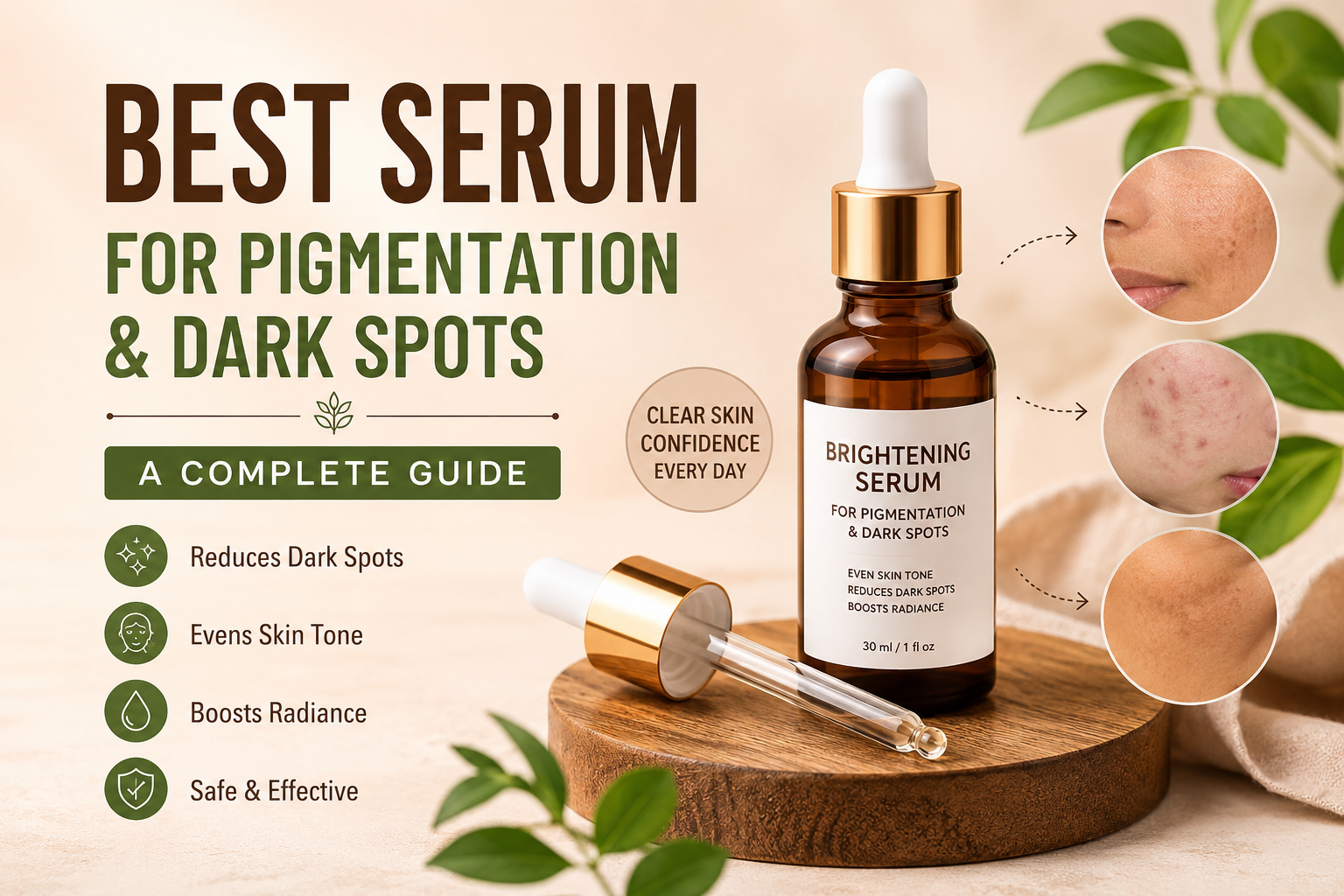
Best Serum for Pigmentation and Dark Spots: A Complete Guide

Best serum for pigmentation and dark spots to achieve brighter, even-toned, and healthy-looking skin

Pigmentation and dark spots are among the most common skin concerns faced by people of all ages. Whether caused by sun exposure, acne scars, hormonal changes, aging, or environmental damage, these marks can make the skin look uneven and dull. While there are many skincare products available in the market, serums are often considered one of the most effective solutions for reducing pigmentation and improving skin tone.

A serum contains concentrated active ingredients that penetrate deeper into the skin than regular creams. The right serum can help fade dark spots, brighten the complexion, and support healthy skin renewal.

In this complete guide, you will learn everything about choosing the best serum for pigmentation and dark spots, the ingredients that work best, how to use serums correctly, and practical tips to achieve clearer and healthier skin.

What Is Pigmentation?

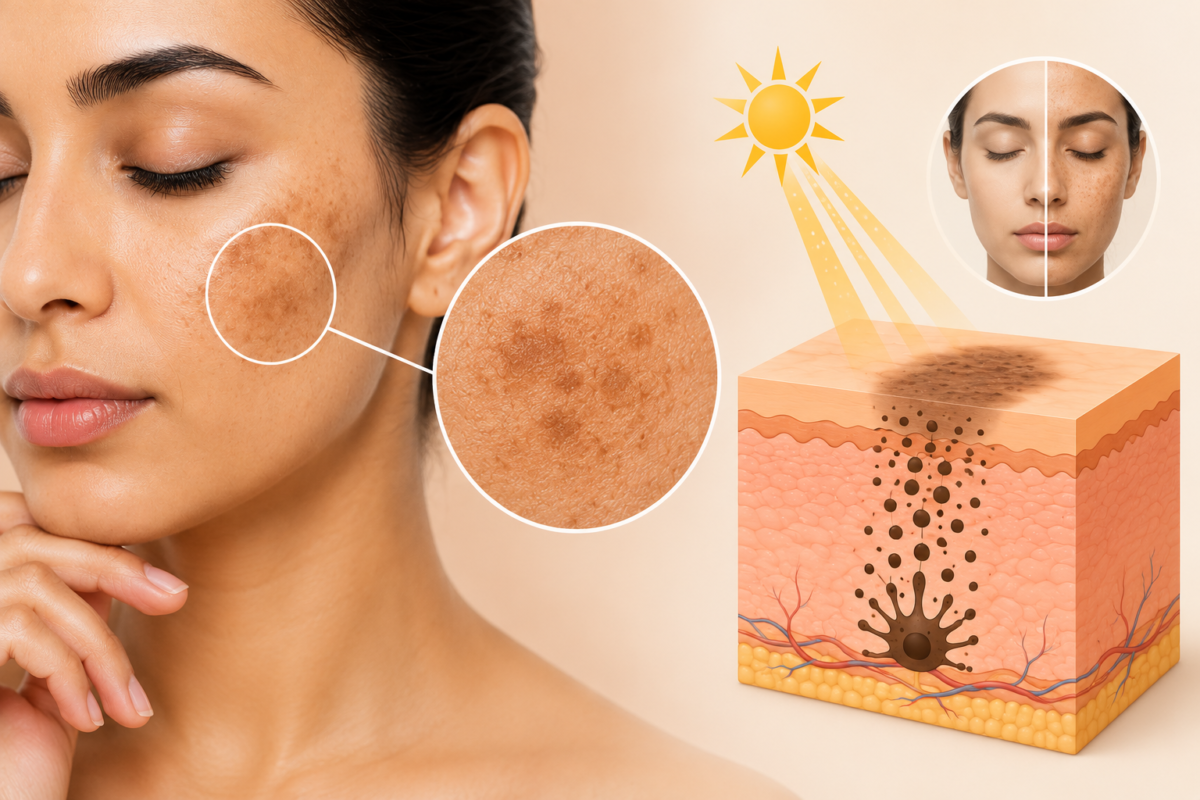
Pigmentation refers to the coloring of the skin. The color of our skin comes from a natural pigment called melanin. When melanin production becomes uneven, certain areas of the skin become darker than the surrounding skin.

These darker areas are commonly known as pigmentation, hyperpigmentation, or dark spots.
chatgpt image jun 25, 2026, 04 57 59 am

Common Types of Pigmentation

1. Sunspots

These spots develop due to excessive exposure to sunlight over time. They usually appear on the face, hands, neck, and shoulders.

2. Post-Inflammatory Hyperpigmentation

These dark marks appear after acne, pimples, burns, cuts, or skin irritation.

3. Melasma

Melasma causes larger patches of dark skin, usually on the cheeks, forehead, and upper lip. It is often linked to hormonal changes.

4. Age Spots

These spots become more common as people grow older and are often caused by long-term sun exposure.


Why Use a Serum for Pigmentation?

Unlike regular moisturizers, serums are designed to deliver powerful ingredients directly into the skin.

Benefits of Using a Serum

  • Helps reduce dark spots
  • Improves uneven skin tone
  • Brightens dull skin
  • Supports skin renewal
  • Hydrates the skin
  • Works faster than many creams
  • Can target specific skin concerns

When used consistently, a good serum can significantly improve skin appearance within a few weeks or months.

Read More :Best Long Lasting Lipstick Brands in India (2026)

Key Ingredients to Look for in a Pigmentation Serum

Not all serums are created equal. The effectiveness of a serum depends largely on its ingredients.

Vitamin C

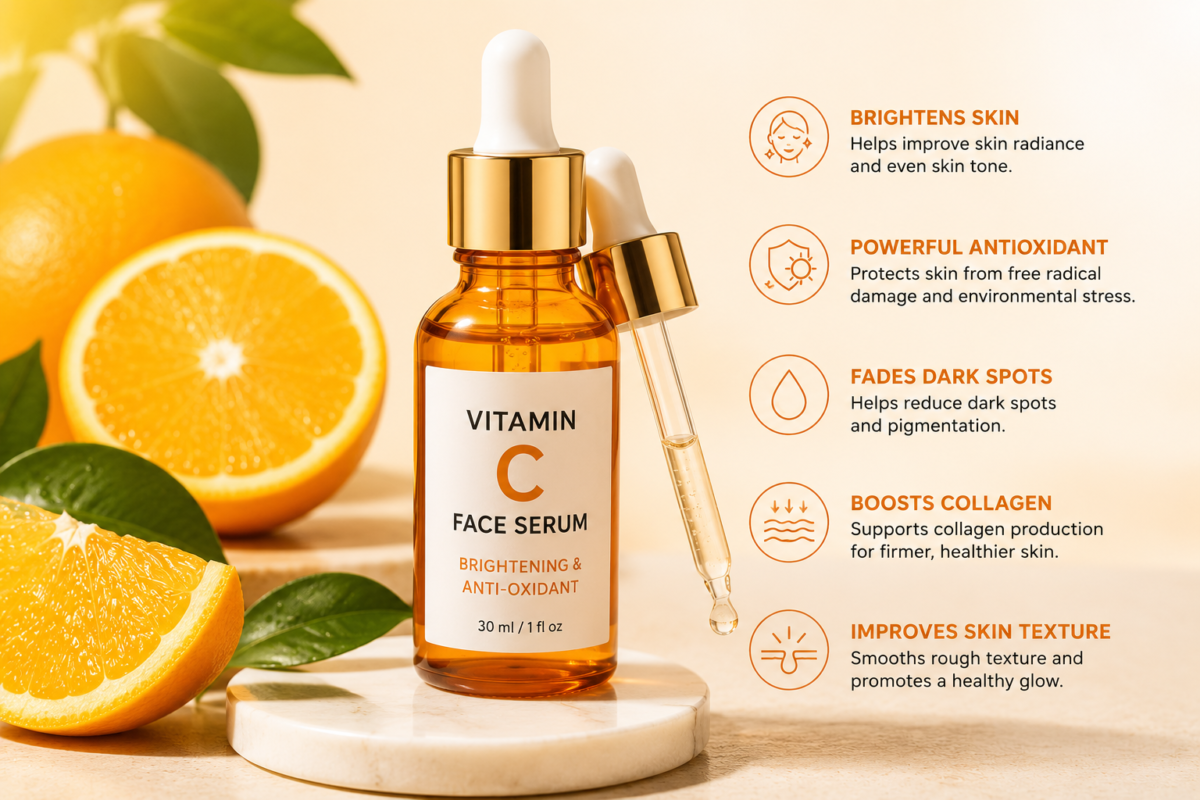
Vitamin C is one of the most popular ingredients for brightening the skin.
chatgpt image jun 25, 2026, 05 02 54 am

Benefits of Vitamin C

  • Reduces dark spots
  • Protects against environmental damage
  • Improves skin radiance
  • Supports collagen production

Vitamin C is ideal for people who want brighter and more youthful-looking skin.

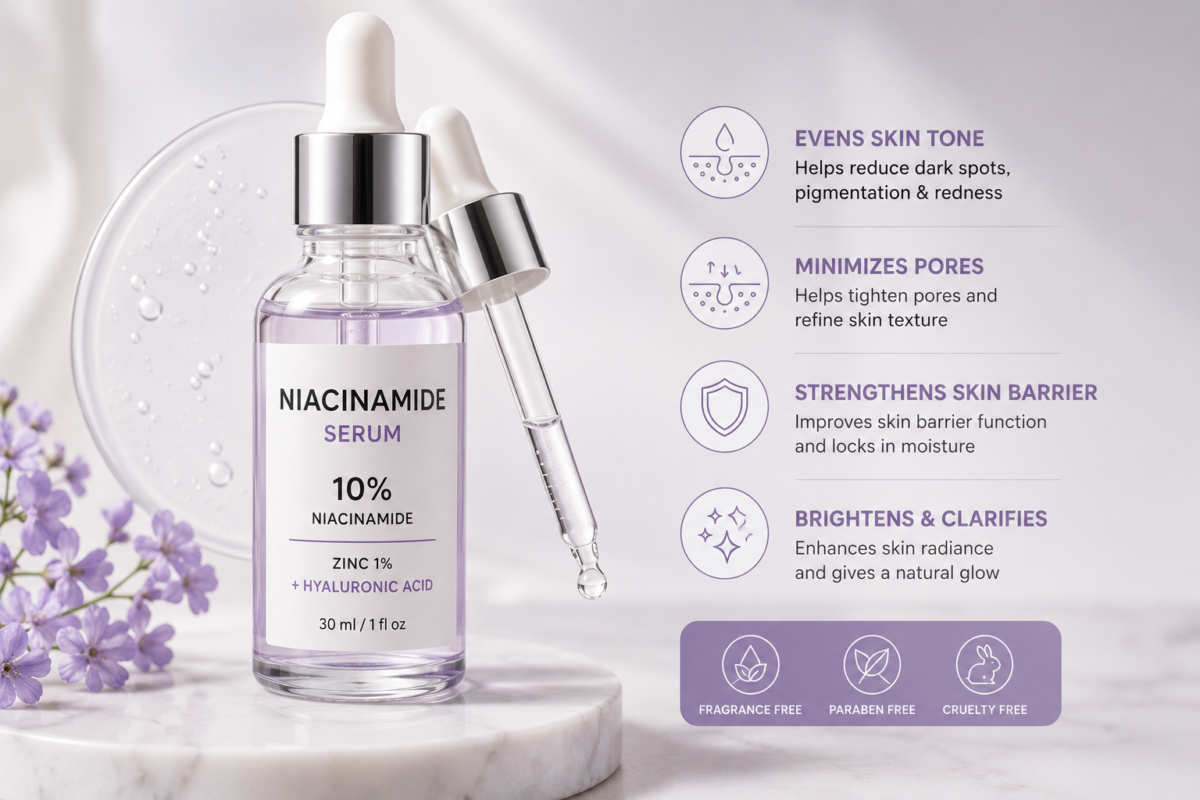
Niacinamide

Niacinamide is a form of Vitamin B3 that helps improve skin tone.
chatgpt image jun 25, 2026, 05 04 20 am

Benefits of Niacinamide

  • Reduces pigmentation
  • Controls excess oil
  • Minimizes pores
  • Strengthens the skin barrier

It is suitable for most skin types, including sensitive skin.

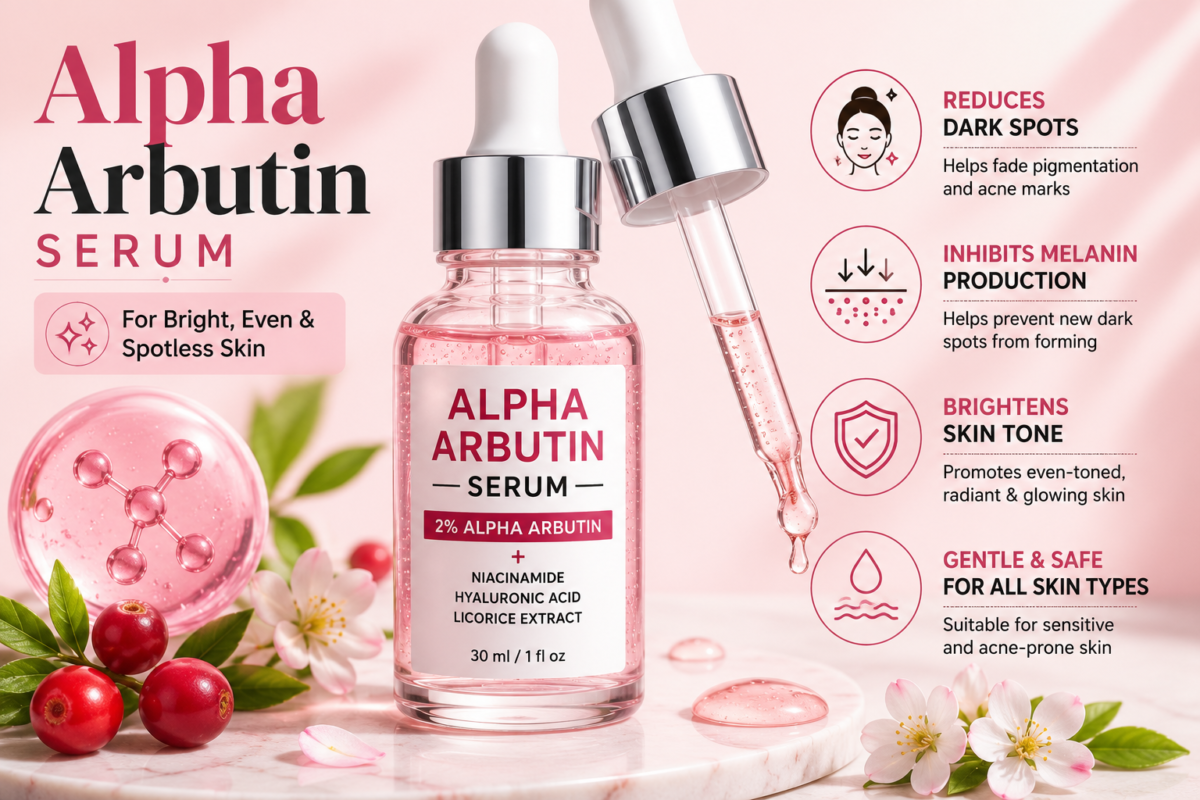
Alpha Arbutin

Alpha Arbutin is known for its ability to reduce excess melanin production.
chatgpt image jun 25, 2026, 05 07 23 am

Benefits of Alpha Arbutin

  • Targets dark spots
  • Improves skin brightness
  • Helps fade acne marks
  • Gentle on the skin

Many dermatologists recommend Alpha Arbutin for hyperpigmentation.

Read More :Monsoon Skincare Guide: How to Maintain Healthy Skin During the Rainy Season


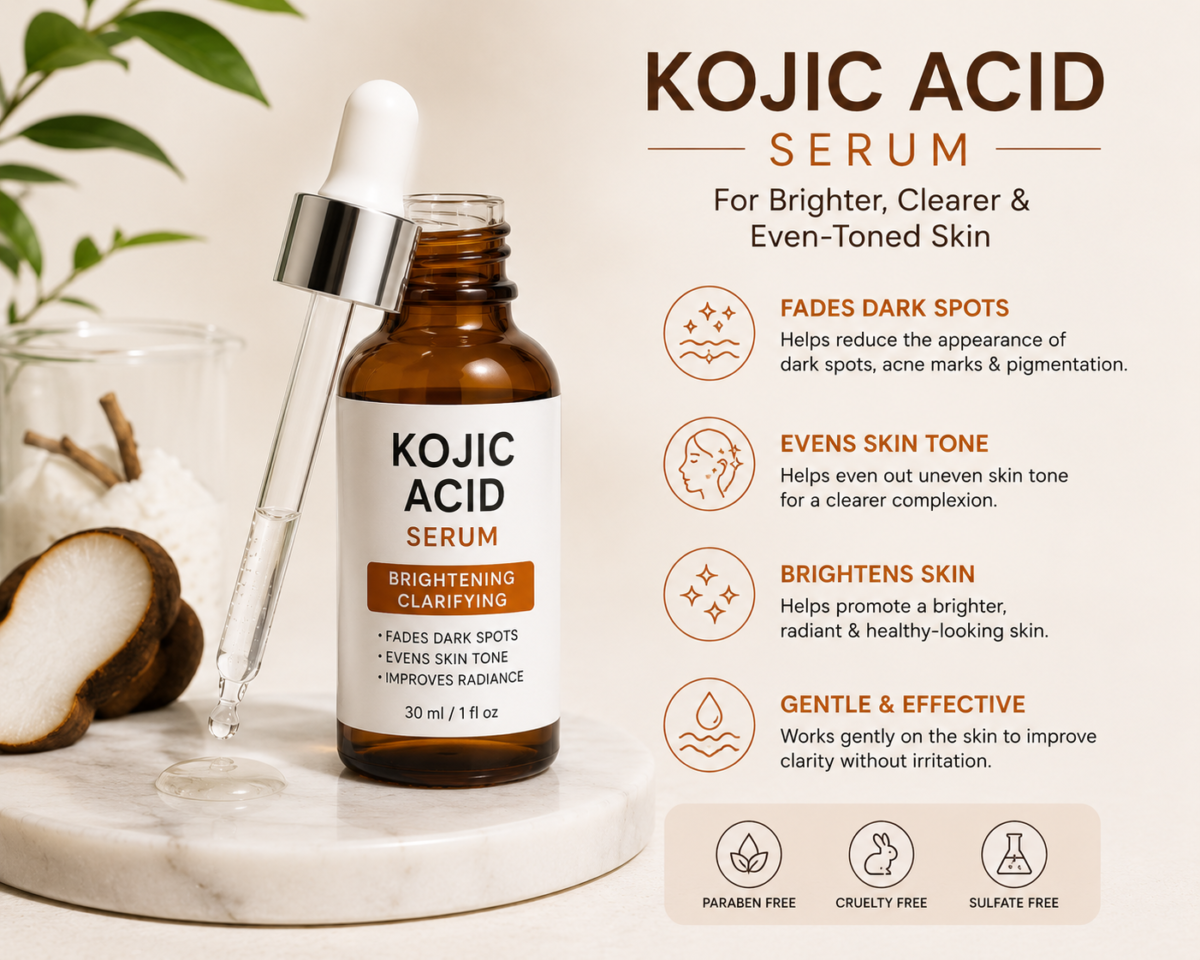
Kojic Acid

Kojic Acid is commonly used in brightening products.
chatgpt image jun 25, 2026, 05 18 35 am

Benefits of Kojic Acid

  • Reduces melanin formation
  • Lightens pigmentation
  • Improves uneven skin tone

Regular use may help fade stubborn dark spots.

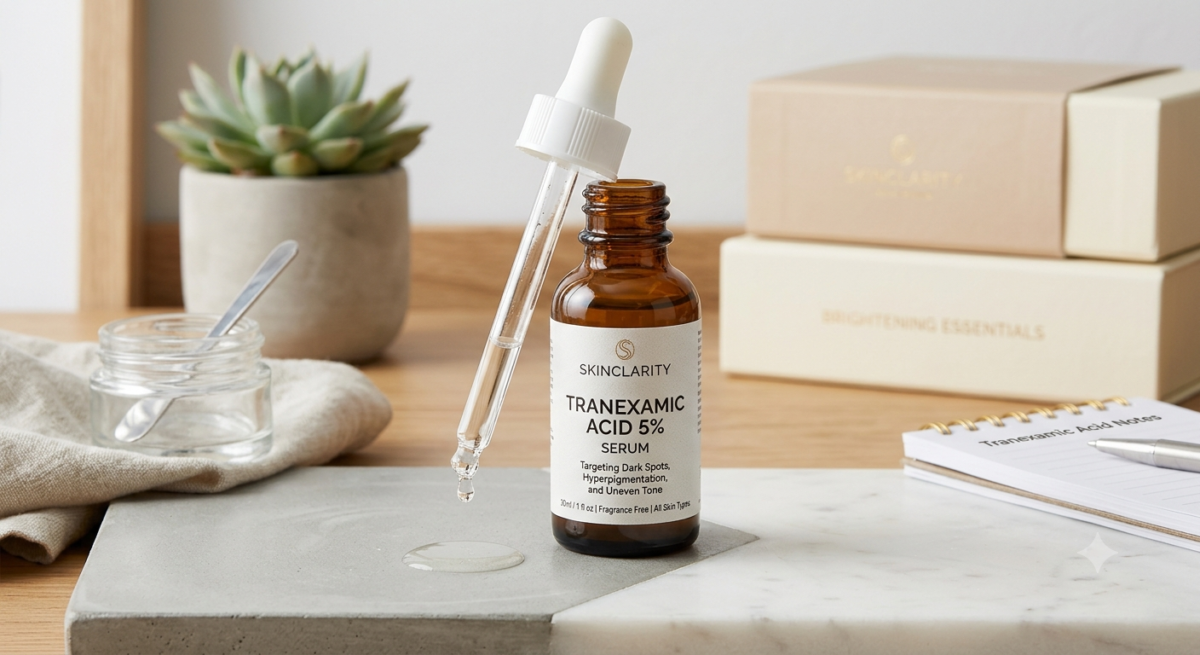
Tranexamic Acid

Tranexamic Acid has gained popularity for treating melasma and pigmentation.
gemini generated image doeofsdoeofsdoeo

Benefits of Tranexamic Acid

  • Reduces discoloration
  • Helps manage melasma
  • Improves overall skin clarity

It works well when combined with other brightening ingredients.


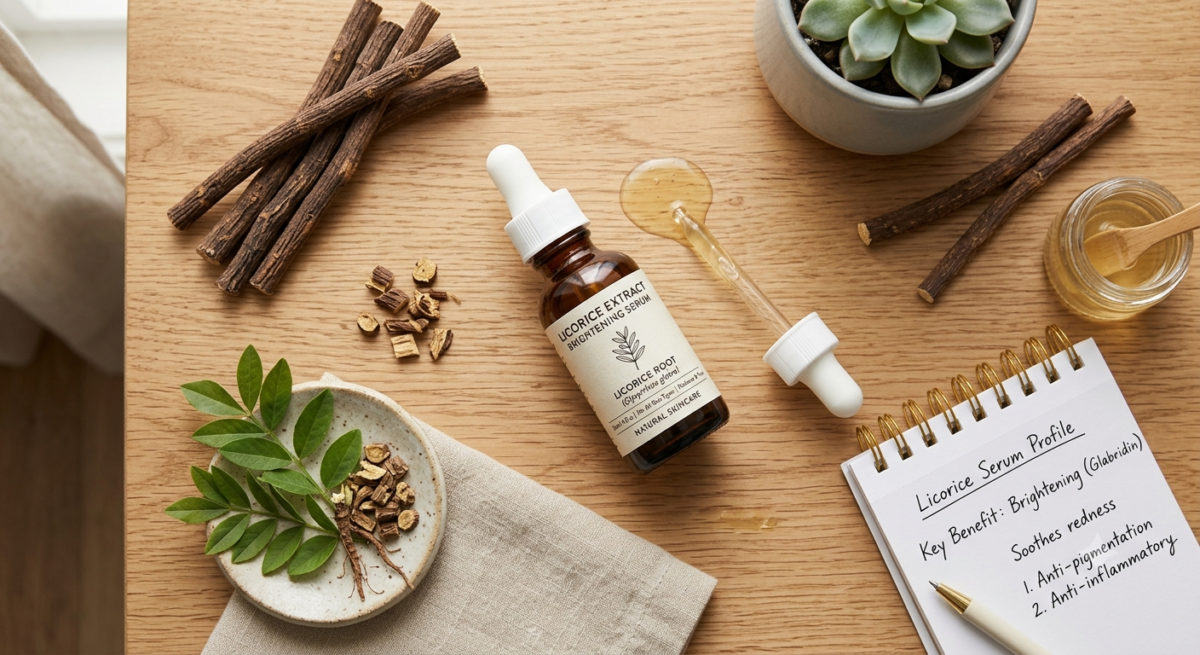
Licorice Extract

Licorice Extract is a natural ingredient known for its skin-brightening properties.
gemini generated image q2q0wsq2q0wsq2q0

Benefits of Licorice Extract

  • Soothes irritated skin
  • Reduces dark spots
  • Improves skin glow

It is often used in natural skincare products.

How to Choose the Best Serum for Your Skin Type

Different skin types have different needs.

For Oily Skin

Choose lightweight and non-greasy serums.

Recommended ingredients:

  • Niacinamide
  • Vitamin C
  • Alpha Arbutin

Avoid heavy formulations that may clog pores.


For Dry Skin

Look for hydrating serums that contain:

  • Hyaluronic Acid
  • Vitamin C
  • Ceramides

These ingredients help keep the skin moisturized while reducing pigmentation.


For Sensitive Skin

Gentle formulas work best.

Recommended ingredients:

  • Niacinamide
  • Licorice Extract
  • Low-strength Vitamin C

Always perform a patch test before using a new product.


For Combination Skin

Combination skin can benefit from balanced formulations containing:

  • Niacinamide
  • Vitamin C
  • Hyaluronic Acid

These ingredients provide hydration without making the skin oily.

How to Use a Serum for Pigmentation

Even the best serum may not deliver results if used incorrectly.

Step 1: Cleanse Your Face

Wash your face using a gentle cleanser suitable for your skin type.


Step 2: Apply Toner (Optional)

A toner can help prepare the skin for better absorption.


Step 3: Apply Serum

Take 2–3 drops of serum and gently spread it across your face.

Focus on areas with pigmentation and dark spots.


Step 4: Moisturize

Apply a moisturizer to lock in hydration.


Step 5: Use Sunscreen

This is one of the most important steps.

Sun exposure can worsen pigmentation and reduce the effectiveness of your serum.

Choose a broad-spectrum sunscreen with SPF 30 or higher.


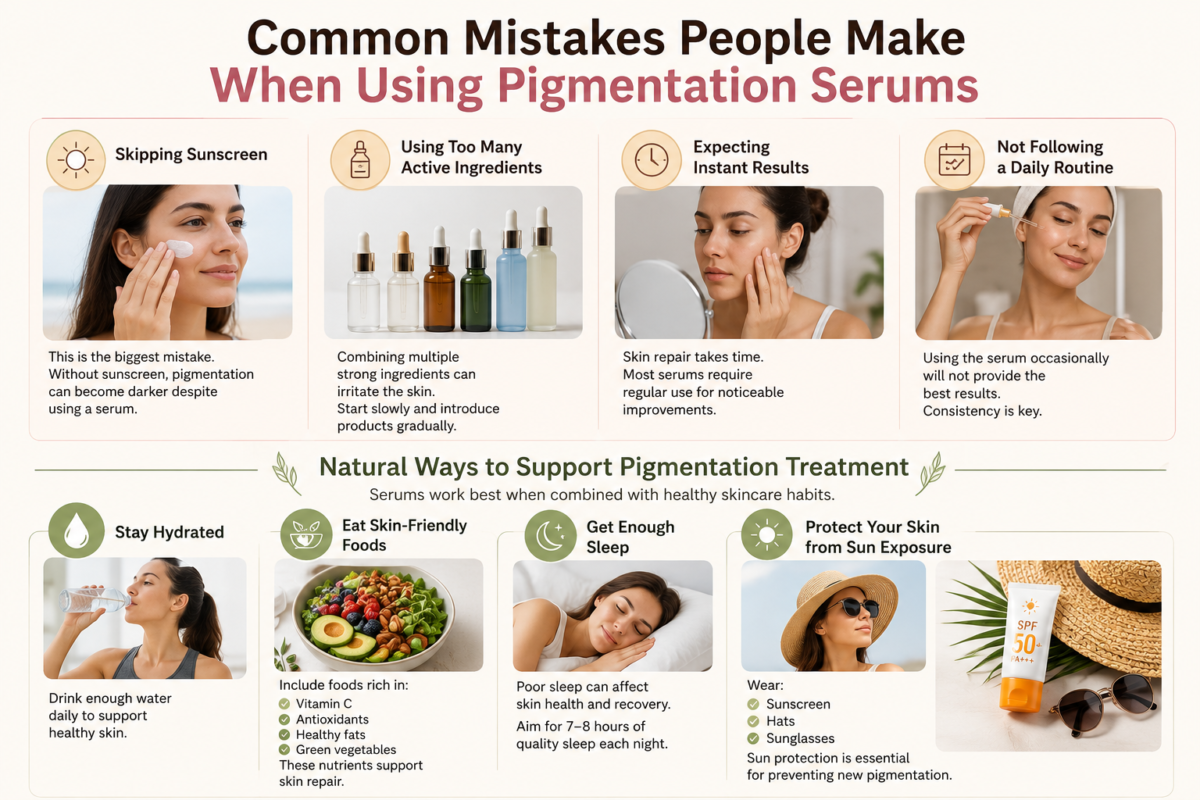
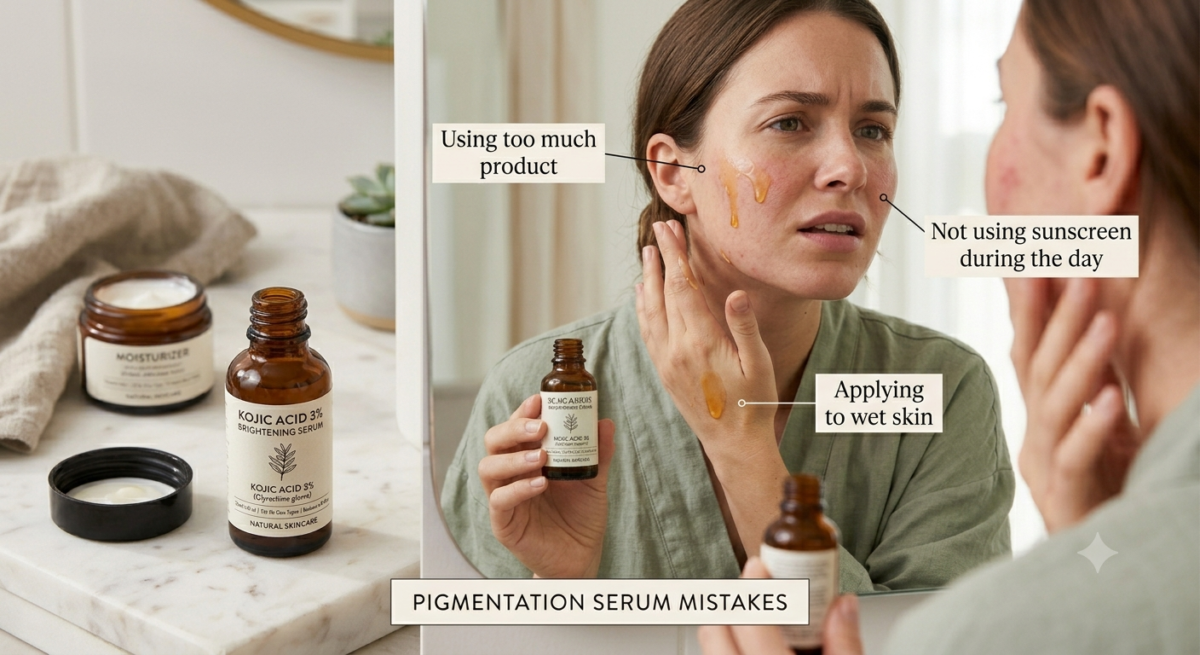
Common Mistakes People Make When Using Pigmentation Serums
chatgpt image jun 25, 2026, 05 26 17 am

Skipping Sunscreen

This is the biggest mistake.

Without sunscreen, pigmentation can become darker despite using a serum.


Using Too Many Active Ingredients

Combining multiple strong ingredients can irritate the skin.

Start slowly and introduce products gradually.


Expecting Instant Results

Skin repair takes time.

Most serums require regular use for noticeable improvements.


Not Following a Daily Routine

Using the serum occasionally will not provide the best results.

Consistency is key.


Natural Ways to Support Pigmentation Treatment

Serums work best when combined with healthy skincare habits.

Stay Hydrated

Drink enough water daily to support healthy skin.


Eat Skin-Friendly Foods

Include foods rich in:

  • Vitamin C
  • Antioxidants
  • Healthy fats
  • Green vegetables

These nutrients support skin repair.
gemini generated image qo1bhtqo1bhtqo1b (1)

Get Enough Sleep

Poor sleep can affect skin health and recovery.

Aim for 7–8 hours of quality sleep each night.


Protect Your Skin from Sun Exposure

Wear:

  • Sunscreen
  • Hats
  • Sunglasses

Sun protection is essential for preventing new pigmentation.


Example Skincare Routine for Pigmentation

Morning Routine

  1. Gentle cleanser
  2. Vitamin C serum
  3. Moisturizer
  4. Sunscreen SPF 30+

Night Routine

  1. Cleanser
  2. Alpha Arbutin or Niacinamide serum
  3. Moisturizer

Following a simple routine consistently often produces better results than using many products.


Signs That Your Serum Is Working

You may notice:

  • Dark spots becoming lighter
  • Improved skin brightness
  • More even skin tone
  • Reduced appearance of acne marks
  • Healthier-looking skin texture

Take monthly photos to track your progress.


When to Consult a Dermatologist

Some forms of pigmentation can be difficult to treat at home.

Consider seeing a dermatologist if:

  • Pigmentation is spreading rapidly
  • Dark patches become darker over time
  • Over-the-counter products are not helping
  • You suspect melasma or a medical condition

Professional treatments may include chemical peels, laser therapy, or prescription medications.


Conclusion

Finding the best serum for pigmentation and dark spots can make a significant difference in your skincare journey. The key is to choose a serum with proven ingredients such as Vitamin C, Niacinamide, Alpha Arbutin, Kojic Acid, or Tranexamic Acid. These ingredients help reduce excess melanin production, fade dark spots, and improve overall skin brightness.

Remember that skincare results do not happen overnight. Consistent use, proper sun protection, a healthy lifestyle, and patience are essential for achieving clear and radiant skin. By selecting the right serum for your skin type and following a regular skincare routine, you can gradually reduce pigmentation and enjoy a more even and glowing complexion.


FAQs

1. Which serum is best for pigmentation and dark spots?

Serums containing Vitamin C, Alpha Arbutin, Niacinamide, Kojic Acid, and Tranexamic Acid are among the most effective options for reducing pigmentation and dark spots.


2. Can Vitamin C serum remove dark spots?

Vitamin C can help fade dark spots and brighten the skin over time when used consistently with sunscreen.


3. How often should I use a pigmentation serum?

Most pigmentation serums can be used once or twice daily, depending on the product instructions and your skin’s tolerance.


4. Is sunscreen necessary when using a pigmentation serum?

Yes. Sunscreen is essential because UV exposure can worsen pigmentation and slow down results.


5. Can pigmentation disappear completely?

Some pigmentation can fade significantly, while deeper or long-standing pigmentation may require professional treatment for the best results.
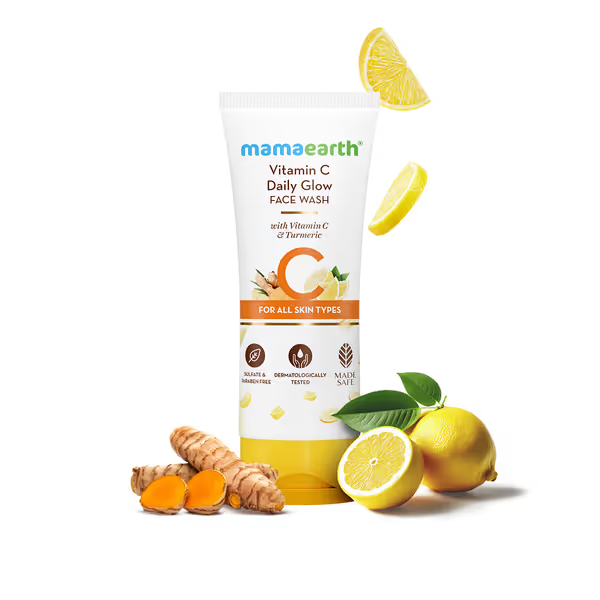
Best Mamaearth Vitamin C Face Wash 2026

vitamin c fw 100g

Healthy, glowing skin starts with proper cleansing. Throughout the day, our skin is exposed to dust, pollution, excess oil, makeup residue, and environmental stressors that can make it look dull and tired. A good face wash is the foundation of every skincare routine because it helps remove impurities while preparing the skin for further care.

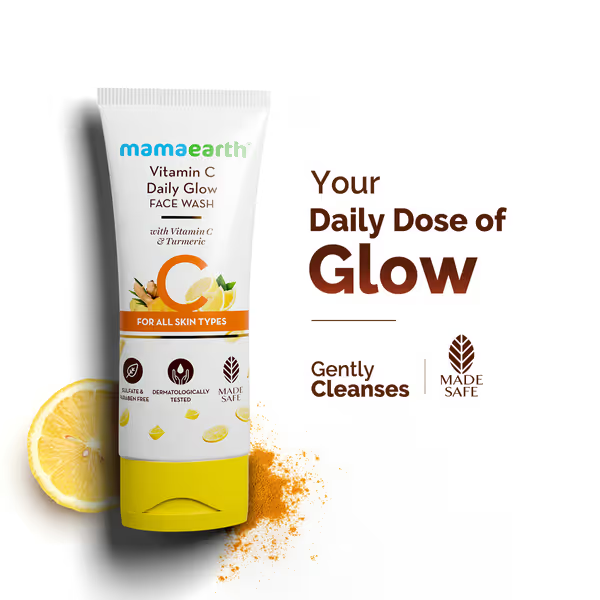
Among the many skincare products available today, Mamaearth Vitamin C Face Wash has become a popular choice for individuals seeking naturally glowing and healthy-looking skin. Enriched with the goodness of Vitamin C, Turmeric, and Aloe Vera, this face wash is designed to cleanse, nourish, and revitalize the skin without stripping away its natural moisture.

Why Cleansing Is the Most Important Step in Skincare

No matter how advanced your skincare routine may be, everything begins with cleansing. During the day, dirt, sweat, oil, and pollutants accumulate on the skin’s surface. If not removed properly, these impurities can clog pores, lead to breakouts, and make the skin appear lifeless.

A quality face wash does more than simply clean the skin. It helps maintain balance, supports skin health, and enhances the effectiveness of other skincare products.

Mamaearth Vitamin C Face Wash is formulated to provide deep cleansing while also delivering essential nutrients that help improve skin texture and appearance

What Is Mamaearth Vitamin C Face Wash?

Mamaearth Vitamin C Face Wash is a gentle daily cleanser infused with natural ingredients known for their skin-brightening and rejuvenating properties. It combines Vitamin C, Turmeric, and Aloe Vera to create a formula that effectively removes dirt and excess oil while promoting a healthy glow.

1 201

Suitable for all skin types, this face wash is designed to help maintain hydration, improve skin radiance, and protect against environmental damage.

Whether you have oily, dry, combination, or normal skin, this cleanser can be incorporated into your daily skincare regimen to achieve fresher and healthier-looking skin.

Key Ingredients and Their Benefits

1. Vitamin C The Brightening Powerhouse

Vitamin C is one of the most celebrated ingredients in modern skincare. Known for its antioxidant properties, it helps protect the skin from free radical damage caused by pollution and UV exposure.

Benefits of Vitamin C

Promotes Natural Radiance

Vitamin C helps brighten dull skin and restore its natural glow. Regular use can make the complexion appear fresher and more vibrant.

Supports Collagen Production

Collagen is essential for maintaining skin firmness and elasticity. Vitamin C encourages collagen synthesis, helping skin look smoother and healthier.

Helps Repair Skin Damage

Environmental stressors can weaken the skin over time. Vitamin C assists in skin renewal and supports the recovery process.

Improves Overall Skin Tone

Consistent use may contribute to a more even-looking complexion by reducing the appearance of dullness and uneven texture.

2. Turmeric Nature’s Golden Skincare Ingredient

Turmeric has been used in traditional beauty rituals for centuries. Its natural anti-inflammatory and antioxidant properties make it an excellent ingredient for maintaining healthy skin.

Benefits of Turmeric

Enhances Natural Glow

Turmeric helps revive tired-looking skin and supports a brighter complexion.

Protects the Skin

Its natural protective properties help defend the skin against external aggressors.

Soothes the Skin

Turmeric can help calm the skin and promote a balanced appearance.

Supports Youthful Looking Skin

Its antioxidant content helps reduce the effects of environmental stress that can contribute to premature aging.

By combining Turmeric with Vitamin C, Mamaearth creates a powerful formula that promotes naturally radiant skin

3. Aloe Vera The Hydration Hero

Aloe Vera is widely recognized for its soothing and moisturizing properties. It helps maintain the skin’s moisture balance while providing comfort and nourishment.

Benefits of Aloe Vera

Deep Hydration

Aloe Vera helps replenish moisture and prevents the skin from feeling dry after cleansing.

Skin Soothing Properties

It provides a calming effect that makes the skin feel refreshed and comfortable.

Supports Skin Recovery

The nourishing compounds found in Aloe Vera assist in maintaining healthy-looking skin.

Improves Skin Freshness

Its cooling nature leaves the skin feeling revitalized and energized.

Top Benefits of Mamaearth Vitamin C Face Wash

1. Deep Cleansing Action

The face wash effectively removes dirt, excess oil, and impurities accumulated throughout the day. This helps keep the skin clean and refreshed.

2. Enhances Skin Brightness

The combination of Vitamin C and Turmeric works together to improve the skin’s natural radiance, making it look brighter and healthier.

3. Maintains Moisture Balance

Unlike harsh cleansers that leave the skin feeling tight and dry, this face wash helps retain moisture thanks to Aloe Vera.

4. Suitable for Daily Use

Its gentle formulation makes it ideal for everyday cleansing without causing discomfort.

5. Helps Control Excess Oil

For individuals with oily skin, the face wash helps remove excess sebum while maintaining skin balance.

6. Protects Against Environmental Stress

The antioxidant-rich ingredients help defend the skin from the harmful effects of pollution and free radicals.

7. Leaves Skin Feeling Fresh

After every wash, the skin feels clean, soft, and revitalized.

Who Can Use Mamaearth Vitamin C Face Wash?

One of the biggest advantages of this cleanser is its versatility.

It is suitable for:

  • Men and women
  • Teenagers and adults
  • Oily skin
  • Dry skin
  • Combination skin
  • Normal skin
  • Dull and tired looking skin
  • Individuals seeking a brighter complexion

Because of its balanced formulation, it can easily become part of almost any skincare routine.

How to Use Mamaearth Vitamin C Face Wash

For best results, follow these simple steps:

Step 1: Wet Your Face

Splash your face with lukewarm water to prepare the skin for cleansing.

Step 2: Apply the Face Wash

Take a small amount of the product onto your palm.

Step 3: Massage Gently

Massage onto the face using circular motions for 30–60 seconds, focusing on areas prone to oil and dirt buildup.

Step 4: Rinse Thoroughly

Wash off with clean water until all product residue is removed.

Step 5: Pat Dry

Use a soft towel to gently pat your skin dry.

Step 6: Follow With Moisturizer

Apply a moisturizer and sunscreen during the day to complete your skincare routine.

For optimal results, use twice daily once in the morning and once before bedtime.

What Makes Mamaearth Vitamin C Face Wash Different?

Dermatologically Tested

The product has been dermatologically tested to ensure it is suitable for regular use.

Free From Harmful Chemicals

The formula is free from parabens, mineral oil, and harmful toxins, making it a safer option for skincare-conscious consumers.

Powered by Natural Ingredients

The combination of Vitamin C, Turmeric, and Aloe Vera delivers multiple skincare benefits in a single product.

Gentle Yet Effective

It cleanses thoroughly without making the skin feel excessively dry or irritated.

Designed for Modern Skincare Needs

With increasing exposure to pollution and environmental stress, a cleanser that both cleans and protects has become essential. Mamaearth Vitamin C Face Wash addresses these concerns with its carefully selected ingredients.

Tips for Better Results

To maximize the benefits of Mamaearth Vitamin C Face Wash:

  • Use it consistently every day.
  • Stay hydrated by drinking plenty of water.
  • Follow with a Vitamin C serum if desired.
  • Apply sunscreen every morning.
  • Maintain a balanced diet rich in fruits and vegetables.
  • Avoid touching your face frequently throughout the day.

Healthy skin is often the result of a combination of proper skincare and healthy lifestyle habits.

Final Thoughts

A good skincare routine begins with effective cleansing, and Mamaearth Vitamin C Face Wash offers much more than just basic cleaning. With the powerful combination of Vitamin C, Turmeric, and Aloe Vera, it helps remove impurities, maintain hydration, and support a naturally radiant complexion.

Whether you’re dealing with dullness, excess oil, or simply looking to maintain healthy skin, this face wash can be a valuable addition to your daily routine. Its gentle formulation, skin-friendly ingredients, and brightening properties make it an excellent choice for anyone seeking clean, fresh, and glowing skin.

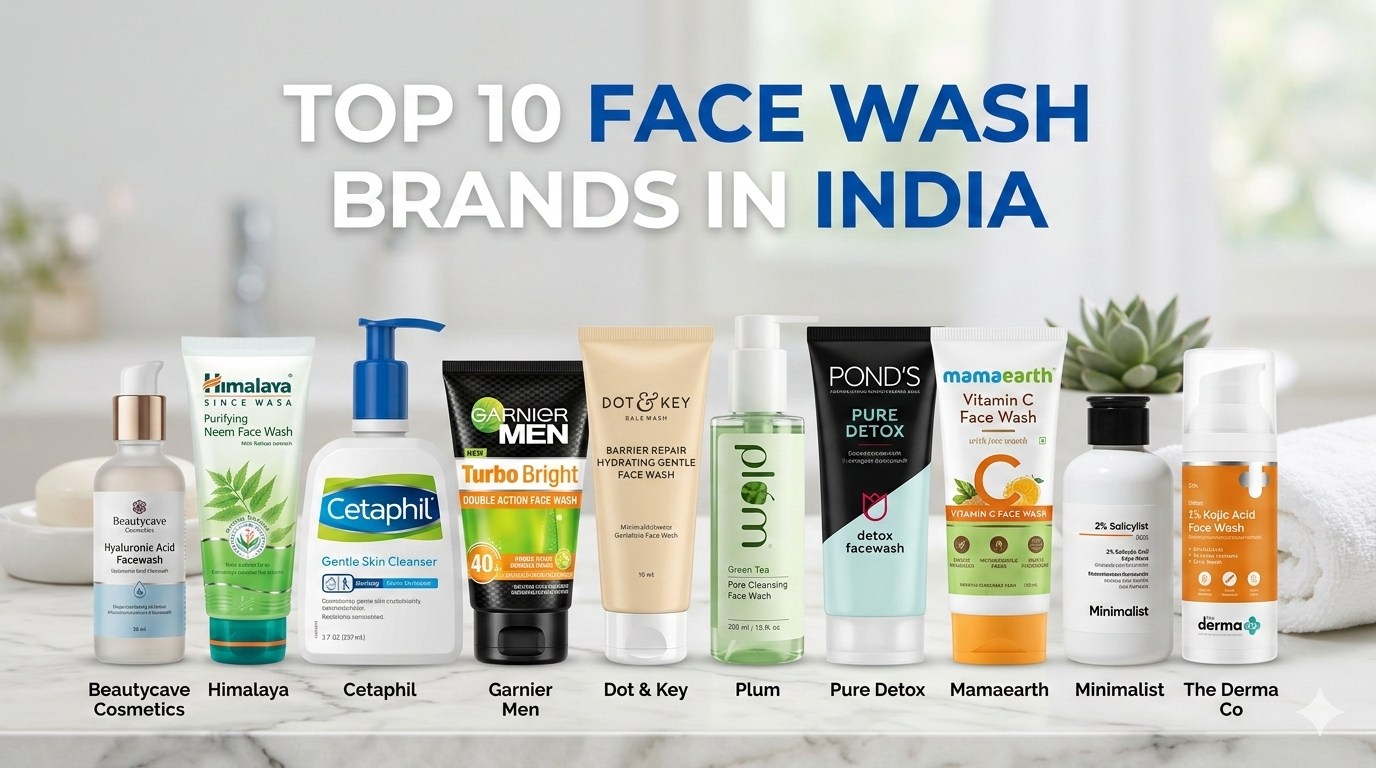
Best 10 Face Wash Brands in India (2026 Guide)

Top 10 face wash brands in India including Himalaya, Cetaphil, Garnier, Mamaearth, Minimalist and other best cleansers for oily, dry and acne-prone skin

Best Cleansers for Every Skin Type

In India, skincare has become an essential part of daily life. Due to pollution, dust, stress, and changing lifestyles, people are becoming more conscious about maintaining healthy and glowing skin. The first and very most important step in any skincare routine is cleansing face wash. A good face wash removes dirt, excess oil, and impurities, allowing other skincare products like serums and moisturizers to work effectively.

In this detailed guide, we explore the Top 10 Face Wash Brands in India that cater to oily, dry, sensitive, and acne-prone skin.

Why Face Wash is Important in a Skincare everyday Routine

Cleansing your face daily helps maintain skin hygiene and prevents common skin problems such as acne, dullness, and clogged pores. In a country like India, where pollution levels are high, using a suitable face wash twice daily is highly recommended.

Benefits of Using a Face Wash:

Removes dirt, oil, and pollution

Prevents acne and breakouts

Maintains skin’s natural pH balance

Keeps skin fresh and healthy

Enhances the effectiveness of other skincare products

List of Top 10 Best Face Wash in India

Below are the most trusted and popular face wash brands available in India:

Beautycave Cosmetics Hyaluronic Acid Facewash

Himalaya Purifying Neem Face Wash

Cetaphil Gentle Skin Cleanser

Garnier Men Turbo Bright Double Action Face Wash

Dot & Key Barrier Repair Hydrating Gentle Face Wash

Plum Green Tea Pore Cleansing Face Wash

POND’s Pure Detox Facewash

Mamaearth Vitamin C Face Wash

Minimalist 2% Salicylic Acid Face Wash

The Derma Co 1% Kojic Acid Face Wash

Let’s explore each one in detail.

1. Beautycave Cosmetics Hyaluronic Acid Facewash

This face wash is formulated with Hyaluronic Acid, known for its excellent hydration properties. It helps retain moisture in the skin and prevents dryness.

Key Benefits:

Provides intense hydration

Improves skin texture

Keeps skin soft and plump

Suitable for all skin types

This cleanser is ideal for people experiencing dryness or tight skin after washing.

2. Himalaya Purifying Neem Face Wash in india

One of India’s most trusted herbal face washes, this product combines neem and turmeric to fight acne and bacteria.

Key Benefits:

Controls pimples and acne

Removes excess oil and impurities

Soap-free herbal formulation

Suitable for acne-prone skin

It is a popular choice among individuals looking for natural skincare solutions.

3. Cetaphil Gentle Skin Cleanser in india

Recommended by dermatologists, this gentle cleanser is perfect for dry and sensitive skin.

Key Benefits:

Non-irritating formula

Maintains skin’s natural moisture

Suitable for daily use

Gently removes makeup and dirt

It is especially beneficial for people with easily irritated or reactive skin.

4. Garnier Men Turbo Bright Double Action Face Wash in india

Designed specifically for men, this face wash contains charcoal and Vitamin C for deep cleansing and brightening.

Key Benefits:

Deep cleans pores

Reduces dullness

Removes pollution and dirt

Gives a fresh and radiant look

It is suitable for men exposed to outdoor pollution and sweat.

5. Dot & Key Barrier Repair Hydrating Gentle Face Wash in india

This sulfate-free face wash focuses on strengthening the skin barrier while maintaining hydration.

Key Benefits:

Restores skin barrier with ceramides

Maintains pH balance

Gentle and soap-free formula

Ideal for dry and sensitive skin

A great choice for individuals looking for a mild yet effective cleanser.

6. Plum Green Tea Pore Cleansing Face Wash in india

Specially formulated for oily and acne-prone skin, this cleanser contains green tea extracts and exfoliating ingredients.

Key Benefits:

Helps control acne

Cleans clogged pores

Reduces excess oil

Keeps skin fresh and clear

It is particularly popular among teenagers and young adults uses face washes.

7. POND’s Pure Detox Facewash

This charcoal-based cleanser detoxifies the skin and removes impurities.

Key Benefits:

Removes dirt and pollution

Controls oil

Leaves skin smooth and refreshed

Provides a natural glow

It works well for combination and oily skin types.

8. Mamaearth Vitamin C Face Wash in india

Enriched with Vitamin C and turmeric, this face wash helps brighten the skin and improve overall complexion.

Key Benefits:

Enhances skin brightness

Supports collagen production

Controls excess oil

Provides a healthy glow

Ideal for dull and uneven skin tone.

9. Minimalist 2% Salicylic Acid Face Wash

This face wash is formulated with 2% salicylic acid, making it effective for acne control.

Key Benefits:

Deep pore cleansing

Reduces breakouts

Controls sebum production

Prevents future acne

It is best suited for oily and acne-prone skin.

10. The Derma Co 1% Kojic Acid Face Wash

This cleanser targets pigmentation and uneven skin tone with Kojic Acid and Niacinamide.

Key Benefits:

Reduces dark spots

Brightens complexion

Gentle on skin

Suitable for all skin types

A strong option for individuals dealing with pigmentation concerns.

How to Choose the Right Face Wash in india

Selecting the right face wash depends on your skin type and concern:

Oily Skin: Choose salicylic acid or charcoal-based cleansers

Dry Skin: Opt for cream-based or hyaluronic acid cleansers

Sensitive Skin: Use fragrance-free and sulfate-free products

Acne-Prone Skin: Look for neem, salicylic acid, or green tea

Pigmented Skin: Choose Vitamin C or Kojic acid-based formulas

Frequently Asked Questions (FAQs)

Q1. Why is the demand for face wash brands increasing in India?

Growing skincare awareness, pollution concerns, and rising acne issues have significantly increased the demand.

Q2. Are herbal face washes popular in India?

Yes, herbal and ayurvedic face washes are highly popular due to their natural ingredients.

Q3. Do these brands cater to different skin types?

Yes, most brands offer specific products for oily, dry, sensitive, combination, and acne-prone skin.

Q4. Are dermatologist-recommended face washes available in India?

Yes, brands like Cetaphil and others offer clinically tested and dermatologist-recommended products.

Conclusion

The Indian skincare market offers a wide range of face wash options tailored to various skin types and concerns. From hydration and acne control to brightening and detoxification, the Top 10 Face Wash Brands in India provide effective cleansing solutions for everyone.

Top 10 face wash brands in India including Himalaya, Cetaphil, Garnier, Mamaearth, Minimalist and other best cleansers for oily, dry and acne-prone skin

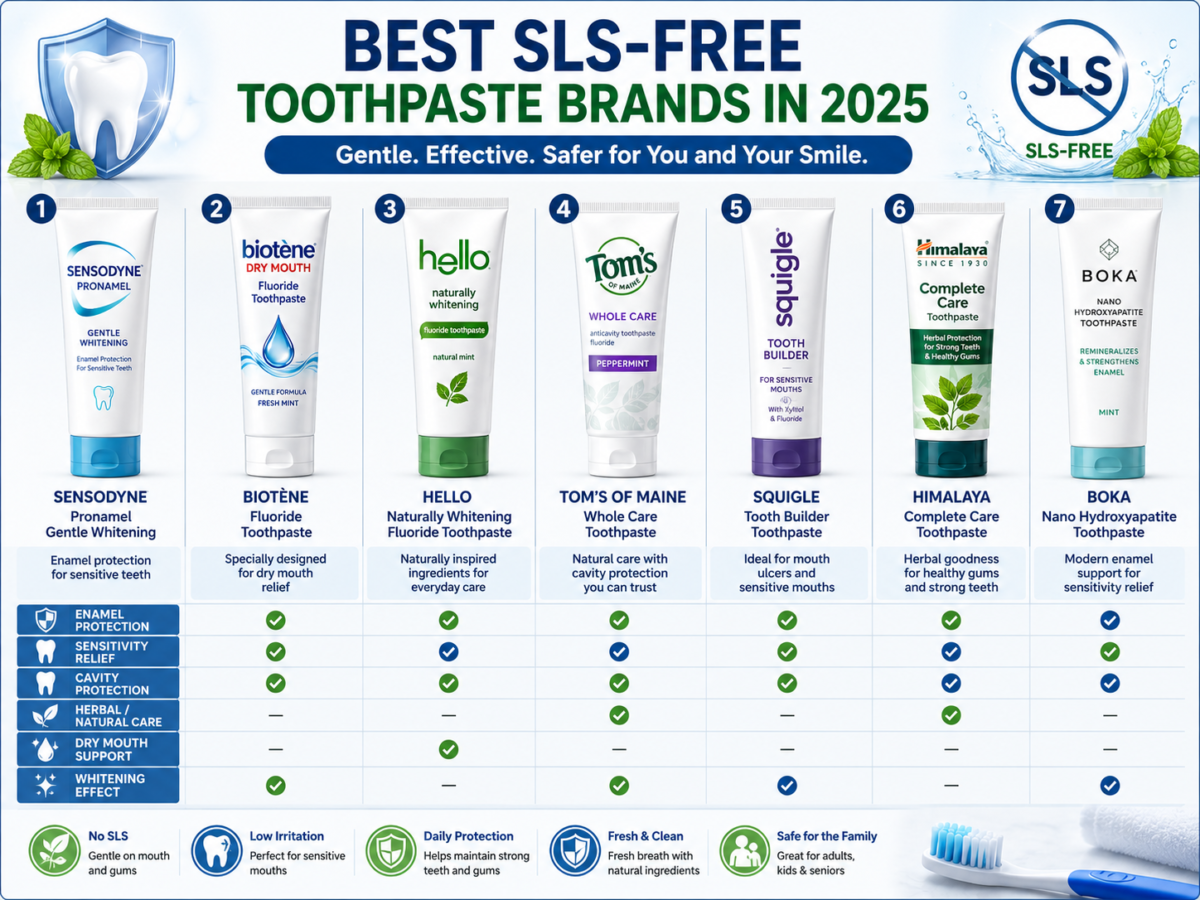
Top and Amazing SLS-Free Toothpaste

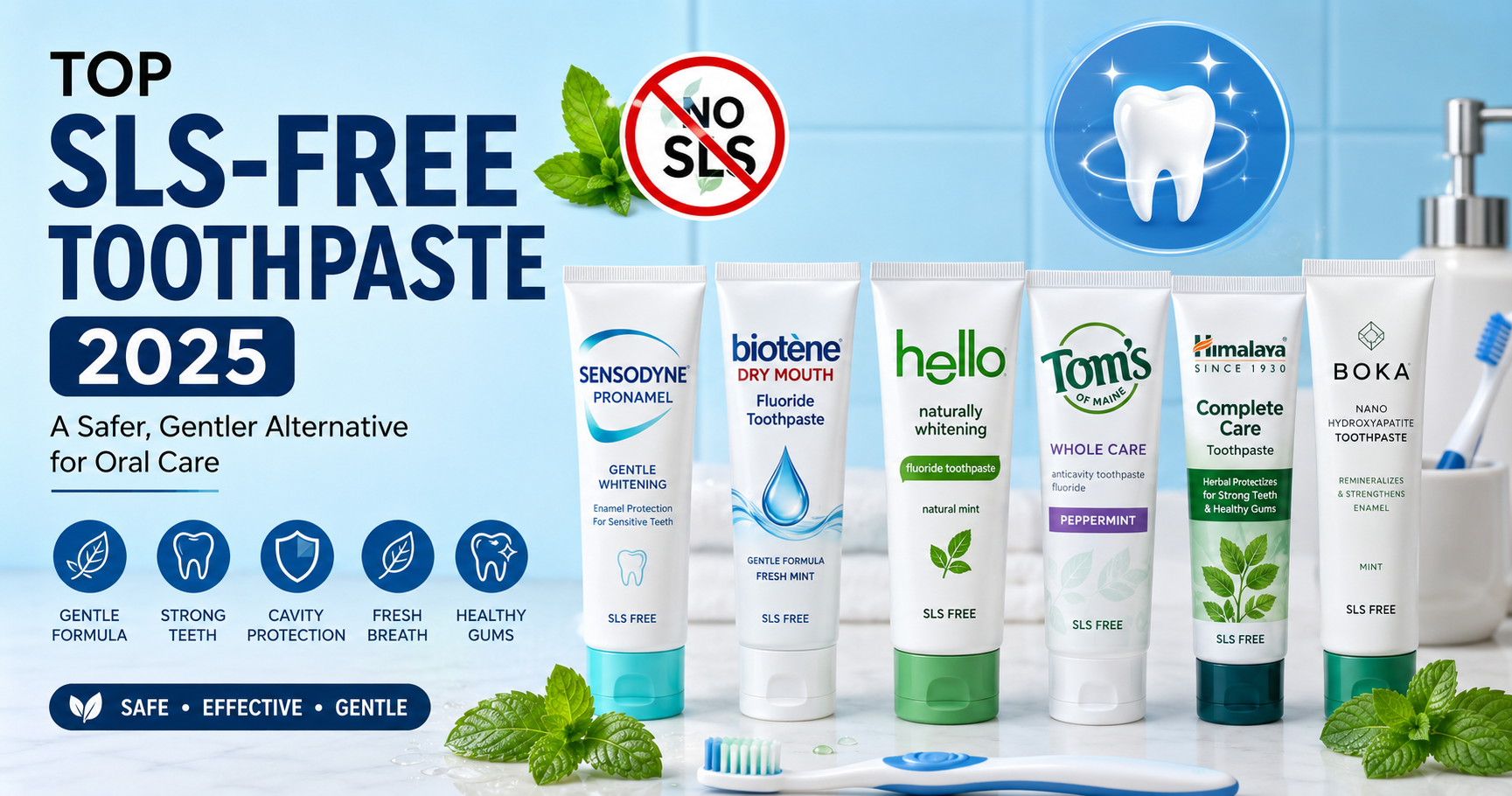
Top SLS-free toothpaste products displayed with a toothbrush and mint leaves for gentle oral care in 2025.

Top SLS-Free Toothpaste 2025: A Safer, Gentler Alternative for Oral Care

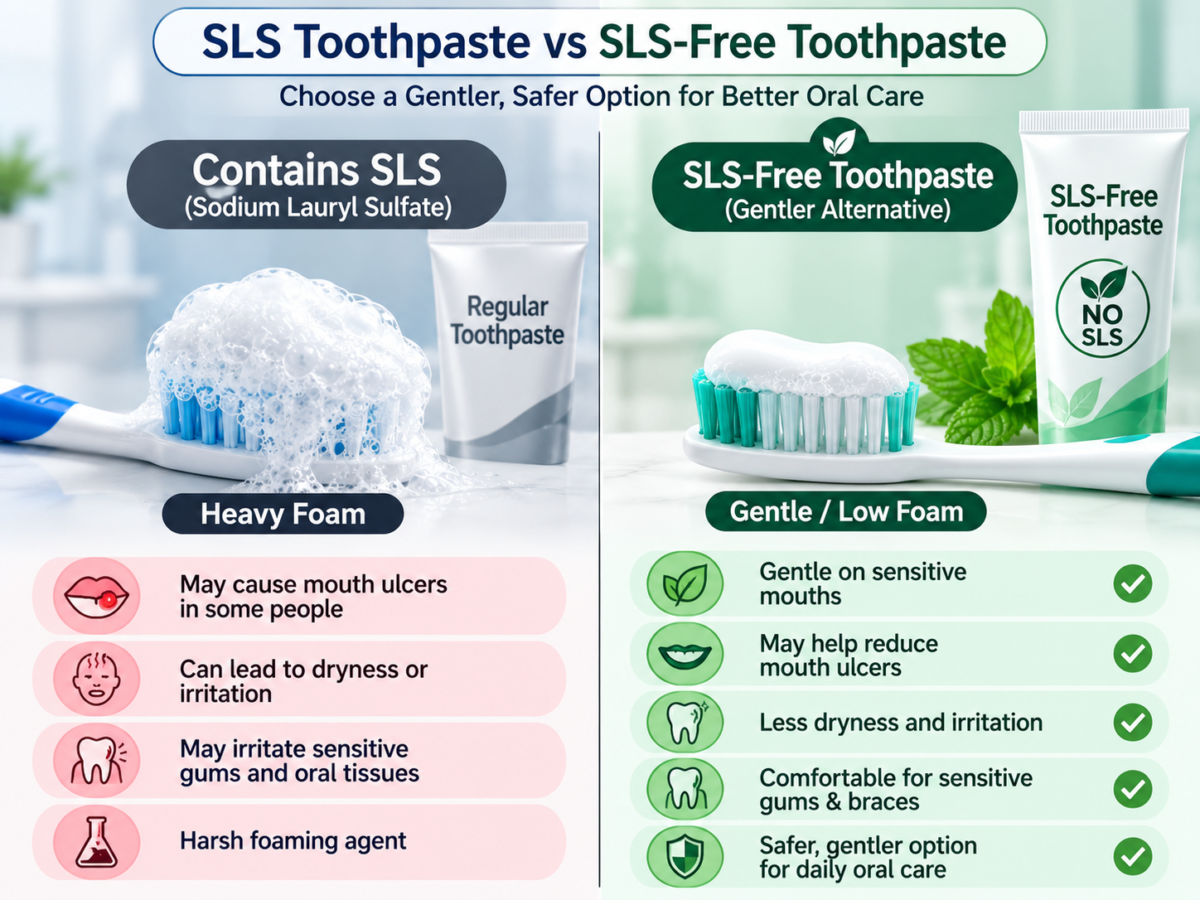
Top SLS free toothpaste 2025. What Is SLS in Toothpaste? In the contemporary oral care landscape, consumers are increasingly attentive to product ingredients and their impact on health. One such ingredient under scrutiny is Sodium Lauryl Sulfate (SLS).

SLS is a synthetic surfactant commonly used in toothpaste formulations to create foam and aid in cleaning the teeth and gums. While it is effective at removing debris and dispersing plaque, SLS has also been associated with certain adverse effects.

This has paved the way for the SLS-free toothpaste segment, which is rapidly gaining traction among health-conscious consumers who value both efficacy and safety. With SLS free toothpaste 2025

Read More: The Ultimate Cosmetic Manufacturing Flow Chart for Beginners: Step-by-Step

 Why Do Manufacturers Use SLS in Toothpaste?

SLS is traditionally used because it: SLS free toothpaste

Creates Lather: Consumers equate foam with cleaning power.

Emulsifies Oils: It breaks down and disperses fats and food particles.

Enhances Spreadability: The paste distributes evenly in the mouth.

Despite these functional benefits, SLS has some drawbacks that have motivated brands to develop SLS-free alternatives.

 Potential Risks of SLS in Oral Care

From a regulatory standpoint, SLS is considered safe within prescribed limits. However, long-term and sensitive users have reported side effects, including:

Mouth Irritation: SLS can strip the mucosal lining, causing burning or sensitivity.
Recurrent Canker Sores: Studies have linked SLS to higher incidence of aphthous ulcers.
Dry Mouth: SLS can disturb the natural saliva balance.
Altered Taste Perception: Some individuals report temporary taste alteration after brushing.

For people with sensitive gums, oral ulcers, or dry mouth syndrome, these risks are significant enough to justify a switch to SLS-free formulations.

 What Is SLS-Free Toothpaste?

SLS-free toothpaste is formulated without Sodium Lauryl Sulfate. Instead, it uses alternative mild surfactants such as:

Cocamidopropyl Betaine (CAPB): Derived from coconut oil, it is gentler and less irritating.
Sodium Cocoyl Glutamate: A mild, biodegradable surfactant.
Decyl Glucoside: Plant-based foaming agent, commonly used in natural formulations.

These ingredients deliver cleaning action without the harsh side effects associated with SLS.

Read More: What Is Cosmetic Research And Development (R&D)? A Complete Guide

 Benefits of Using SLS-Free Toothpaste

Here are key advantages that have fueled its rising popularity:

Reduced Irritation: Ideal for people prone to ulcers and sensitive gums.

Gentler Cleaning: Mild surfactants clean effectively without stripping the protective layer in the mouth.

Better Moisture Balance: Helps maintain saliva flow, reducing dry mouth symptoms.

Safer for Children: SLS-free formulations are recommended for kids who might swallow toothpaste inadvertently.

Compatible with Homeopathic Treatments: Many homeopathic users prefer SLS-free pastes, as SLS can interfere with certain remedies.

How to Identify SLS-Free Toothpaste

When evaluating a toothpaste, check the Ingredients List on the packaging. Look for any of these labels or indications:

“SLS-Free” printed on front panel
Ingredients like Cocamidopropyl Betaine or Sodium Cocoyl Glutamate instead of Sodium Lauryl Sulfate
Certifications such as Natural, Organic, or Ayurvedic, which often avoid SLS

Examples of well-known SLS-free toothpaste brands:

Sensodyne SLS-Free

Tom’s of Maine

Himalaya Herbal Toothpaste

Biotene Dry Mouth Toothpaste

Is SLS-Free Toothpaste Effective in Cleaning Teeth?

A common misconception is that less foam means less cleaning power. In reality, the cleaning efficacy primarily depends on:

Abrasive agents (like silica) for plaque removal
Fluoride content to protect against cavities
Anti-bacterial essential oils or extracts

SLS simply assists in spreading and foaming but does not clean teeth itself. Therefore, SLS-free toothpaste is equally effective when formulated with proven cleaning and anti-cavity agents.

Considerations Before Switching

If you are contemplating transitioning to SLS-free toothpaste:

Assess your oral health: If you suffer from canker sores, burning sensations, or dry mouth, you are an ideal candidate.

Trial period: It may take a few days to get accustomed to less foam.

Consult your dentist: Especially if you have advanced periodontal disease or require specialized fluoride content.

Read More : What Is Cosmetic Research And Development (R&D)? A Complete Guide

Sustainability & SLS-Free Formulations

Modern consumers are inclined towards eco-friendly and cruelty-free products. Many SLS-free brands also:

Avoid artificial colors and flavors
Use recyclable packaging
Offer vegan and cruelty-free certifications

This aligns with broader sustainability goals and resonates with environmentally conscious users.

How to Market SLS-Free Toothpaste (For Manufacturers & Retailers)

For cosmetic and oral care brands, highlighting these USPs can position the product effectively:

“Ideal for sensitive mouths and daily use”
“Dermatologist and dentist recommended”
“SLS-Free, Paraben-Free, and Fluoride-Optimized”
“Crafted with natural ingredients”

Clear labeling and consumer education play a pivotal role in driving adoption.

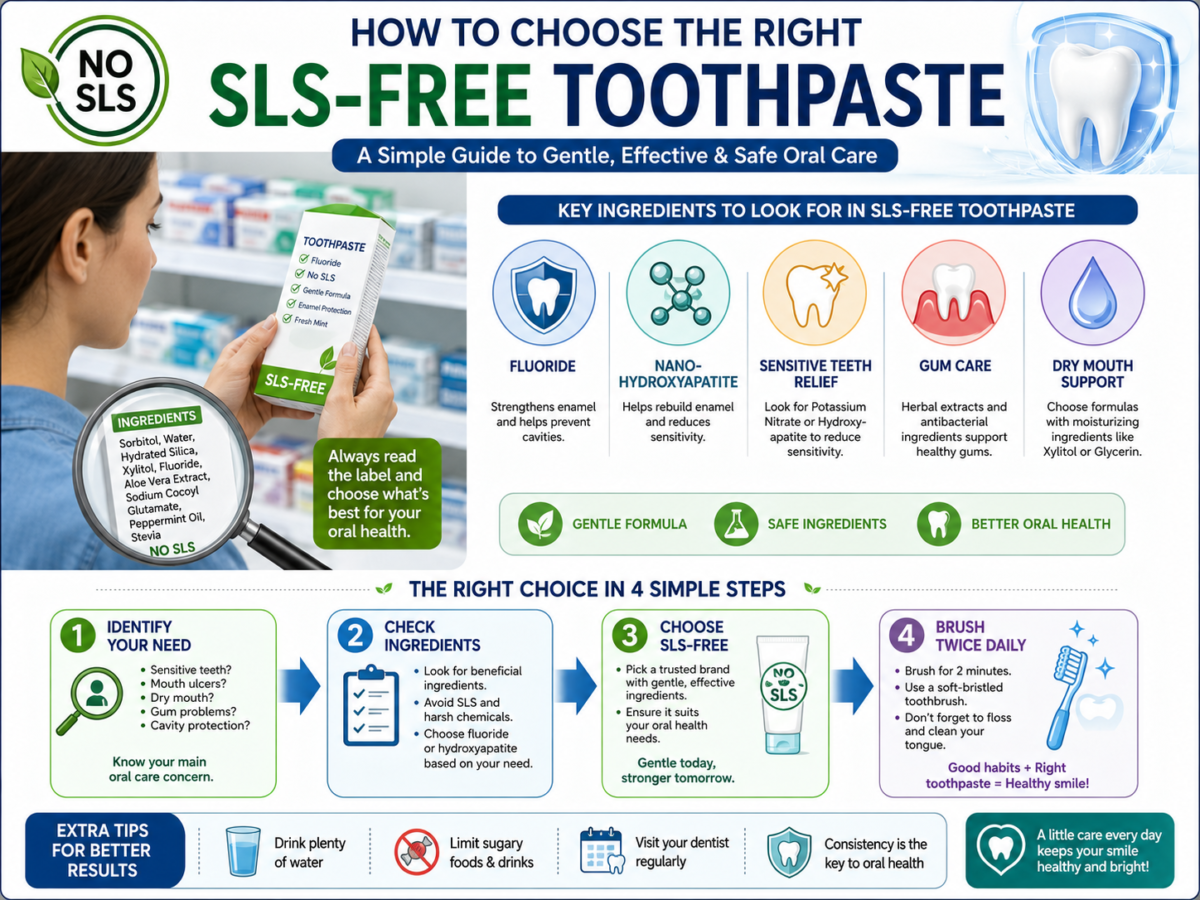
How to Choose the Best SLS-Free Toothpaste

Not every SLS-free toothpaste is the same. While they all avoid Sodium Lauryl Sulfate (SLS), they may contain different active ingredients designed for specific oral health needs.

Before buying a toothpaste, think about your biggest concern. Are you trying to prevent cavities, reduce tooth sensitivity, improve gum health, or simply avoid harsh ingredients? Choosing a product that matches your needs will give you better results than selecting one based only on brand or packaging.

Here are the most important factors to consider.

1. Check the Active Ingredients

The ingredients that actively protect your teeth are more important than the amount of foam a toothpaste produces.

Look for ingredients that match your oral health goals.

Fluoride

Fluoride is one of the most researched ingredients in dentistry. It helps strengthen enamel, reduce the risk of cavities, and repair early stages of tooth decay.

It is an excellent choice for most adults and children (when used in the recommended amount).

Nano-Hydroxyapatite

Nano-hydroxyapatite is becoming increasingly popular in modern toothpaste.

It works by helping rebuild weakened enamel and reducing tooth sensitivity. Some people choose it as an alternative to fluoride, although both ingredients can be effective when used correctly.

Xylitol

Xylitol is a natural sweetener that may help reduce the growth of cavity-causing bacteria.

It also provides a pleasant taste without adding sugar.

Potassium Nitrate

If you experience sharp pain when eating ice cream or drinking hot tea, potassium nitrate may help reduce tooth sensitivity over time.

2. Choose Based on Your Oral Health Needs

Instead of buying the most expensive toothpaste, choose one that matches your dental concerns.

For Sensitive Teeth

Look for formulas containing:

  • Potassium nitrate
  • Nano-hydroxyapatite
  • Fluoride
For Gum Care

Choose toothpaste with ingredients that support healthy gums, such as:

  • Herbal extracts
  • Fluoride
  • Mild cleansing agents
For Dry Mouth

Select products designed to retain moisture and avoid irritating ingredients.

For Everyday Protection

A simple fluoride-based SLS-free toothpaste is often enough for daily cavity prevention.

3. Avoid Buying Based Only on Whitening Claims

Many whitening toothpastes promise brighter teeth within days.

In reality, most whitening toothpaste removes only surface stains caused by coffee, tea, or smoking.

They cannot dramatically change your natural tooth color.

If a whitening toothpaste is very abrasive, using it too often may wear down enamel over time.

Choose gentle whitening formulas instead of highly abrasive products.


4. Read the Ingredient List

Marketing words like “Natural,” “Organic,” or “Herbal” do not always tell the full story.

Always read the ingredient list before purchasing.

Check for:

  • Fluoride (if desired)
  • SLS-free label
  • Active ingredients
  • Expiry date
  • Trusted manufacturer

Ingredients Some People Prefer to Avoid

Although not everyone needs to avoid these ingredients, some people choose gentler formulas containing fewer additives.

These may include:

  • Sodium Lauryl Sulfate (SLS)
  • Artificial colors
  • Excessively strong flavoring agents
  • Harsh abrasives (in some whitening formulas)

If you have sensitive oral tissues, a simpler formula may feel more comfortable.

Common Myths About SLS-Free Toothpaste

Many misconceptions exist about SLS-free toothpaste. Let’s clear up some of the most common ones.

Myth 1: Less Foam Means Poor Cleaning

Fact: Foam does not clean your teeth.

Brushing technique, brushing time, and active ingredients are what remove plaque effectively.

Myth 2: SLS-Free Toothpaste Cannot Prevent Cavities

Fact: Many SLS-free toothpastes contain fluoride or other enamel-supporting ingredients that help protect against cavities just as effectively as regular toothpaste.

Myth 3: Natural Toothpaste Is Always Better

Fact: Natural ingredients can be beneficial, but they should still provide effective cavity protection.

Choose products with evidence-based active ingredients rather than relying only on marketing claims.

Myth 4: Everyone Should Stop Using SLS

Fact: Not necessarily.

Many people use SLS-containing toothpaste every day without experiencing any irritation.

Switching to SLS-free toothpaste is usually most beneficial for people with sensitive mouths, frequent mouth ulcers, or dryness.

Expert Tips for Better Oral Care

Using a good toothpaste is only one part of maintaining healthy teeth and gums. Daily habits play an even bigger role.

Brush Twice a Day

Brush your teeth every morning and before bedtime for about two minutes each time.

Use a Soft-Bristled Toothbrush

A soft toothbrush cleans effectively while reducing the risk of damaging your gums or enamel.

Replace your toothbrush every three to four months, or sooner if the bristles become worn.

Clean Between Your Teeth Daily

Brushing alone cannot remove all plaque from between teeth.

Use:

  • Dental floss
  • Interdental brushes
  • Water flossers (if recommended)

Limit Sugary Foods and Drinks

Frequent consumption of sugary snacks and beverages feeds bacteria that produce acids, increasing the risk of tooth decay.

Try to:

  • Drink more water.
  • Rinse your mouth after sugary foods.
  • Avoid frequent snacking throughout the day.

Stay Hydrated

Saliva naturally helps protect your teeth by washing away food particles and neutralizing acids.

Drinking enough water throughout the day supports a healthy oral environment, especially if you experience dry mouth.

Visit Your Dentist Regularly

Even with excellent brushing habits, regular dental check-ups are essential.

Professional cleanings and examinations can help detect problems early, making treatment easier and more effective.

Common Mistakes to Avoid

Many people unknowingly reduce the effectiveness of their oral care routine. Avoid these common mistakes:

  • Brushing too hard, which can wear down enamel and irritate gums.
  • Using a worn-out toothbrush with frayed bristles.
  • Brushing for less than two minutes.
  • Skipping flossing or cleaning between teeth.
  • Choosing toothpaste based only on advertisements instead of your dental needs.
  • Ignoring persistent symptoms like bleeding gums, mouth ulcers, or tooth sensitivity instead of consulting a dentist

Are There Any Side Effects of SLS-Free Toothpaste?

For most people, SLS-free toothpaste is safe to use every day. Since it does not contain Sodium Lauryl Sulfate, it is generally less likely to cause irritation for people with sensitive mouths.

However, keep these points in mind:

  • Some formulas may have a milder taste or produce less foam, which can take a few days to get used to.
  • Herbal toothpastes may contain plant extracts that can cause allergic reactions in some individuals.
  • Fluoride-free toothpaste may not provide the same level of cavity protection for everyone. If you’re unsure, ask your dentist which type is best for you.

If you notice persistent irritation, swelling, or discomfort after using any toothpaste, stop using it and consult a dental professional.

Should You Switch to SLS-Free Toothpaste?

Switching to SLS-free toothpaste is a personal choice rather than a necessity for everyone.

You may benefit from making the switch if you:

  • Experience frequent mouth ulcers
  • Have sensitive gums or a burning sensation while brushing
  • Suffer from dry mouth
  • Wear braces or other orthodontic appliances
  • Prefer gentle oral care products with less foam

If your current toothpaste works well and doesn’t cause irritation, there may be no need to change. The best toothpaste is the one that supports your oral health and encourages you to brush consistently.

Final Buying Checklist

Before purchasing an SLS-free toothpaste, ask yourself these questions:

✔ Is it clearly labeled SLS-Free?

✔ Does it contain fluoride or another proven enamel-supporting ingredient if cavity protection is your goal?

✔ Is it suitable for your specific concern (sensitivity, dry mouth, gum care, or whitening)?

✔ Is it made by a trusted manufacturer?

✔ Is the expiry date valid?

✔ Have you checked the ingredient list for anything you’re allergic or sensitive to?

Using this simple checklist can help you make a more informed choice.

Conclusion

SLS-free toothpaste has become a popular choice in 2025 because it offers a gentle yet effective way to care for your teeth and gums. While Sodium Lauryl Sulfate helps create foam, it isn’t responsible for cleaning your teeth. Proper brushing technique, good oral hygiene habits, and the right active ingredients are what truly make a difference.

If you have a sensitive mouth, frequent mouth ulcers, dry mouth, or simply prefer products with milder ingredients, an SLS-free toothpaste may improve your daily brushing experience.

Remember that no toothpaste can replace healthy oral habits. Brush twice a day, floss daily, limit sugary foods and drinks, and schedule regular dental check-ups to keep your smile healthy for years to come.

Choosing the right toothpaste doesn’t have to be complicated. By understanding your oral health needs and reading ingredient labels carefully, you can confidently select an SLS-free toothpaste that supports your long-term dental health.

Frequently Asked Questions (FAQs)

1. What is SLS in toothpaste?

SLS (Sodium Lauryl Sulfate) is a foaming agent used in many toothpastes. It helps spread the toothpaste while brushing but is not responsible for preventing cavities or cleaning teeth.

2. Is SLS-free toothpaste better?

It depends on your needs. SLS-free toothpaste is often a better option for people with sensitive mouths, dry mouth, or frequent mouth ulcers. For others, both SLS and SLS-free toothpaste can be effective.

3. Does SLS-free toothpaste clean teeth properly?

Yes. Cleaning effectiveness depends on your brushing technique, brushing time, and the toothpaste’s active ingredients—not the amount of foam it produces.

4. Can SLS-free toothpaste prevent cavities?

Yes. Many SLS-free toothpastes contain fluoride or nano-hydroxyapatite, which help strengthen enamel and reduce the risk of cavities.

5. Is SLS-free toothpaste safe for children?

Many SLS-free toothpastes are suitable for children, but always choose an age-appropriate product and follow the manufacturer’s instructions. Young children should use only a pea-sized amount of toothpaste unless otherwise advised by a dentist.

6. Can SLS-free toothpaste help with mouth ulcers?

Some people who frequently experience mouth ulcers find that switching to an SLS-free toothpaste reduces irritation and makes brushing more comfortable. Results can vary from person to person.

7. Is SLS-free toothpaste suitable for sensitive teeth?

Yes. Many SLS-free toothpastes are specially formulated for sensitive teeth and include ingredients like potassium nitrate or nano-hydroxyapatite to help reduce sensitivity.

8. Can I use SLS-free toothpaste every day?

Absolutely. Most SLS-free toothpastes are designed for daily use and provide effective oral care when used as part of a consistent brushing routine.