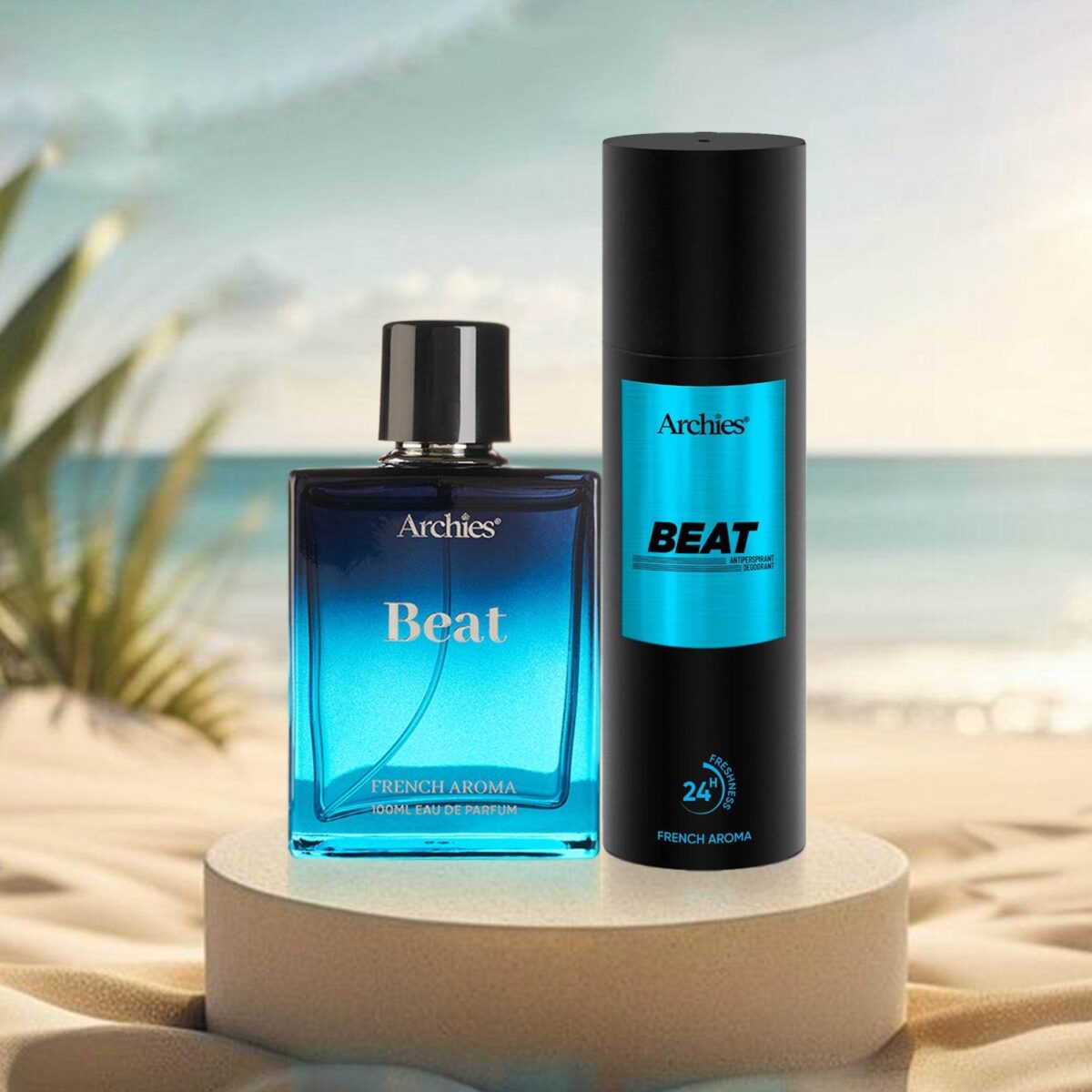
Have you ever walked into a room and noticed someone smelling fresh all day? You might think they are wearing an expensive perfume, but in many cases, they are simply using the right deodorant correctly.
This is one of the most common questions beginners ask:
Is it better to use perfume or deodorant?
The answer isn’t as simple as choosing one over the other. Both products have different purposes, and understanding how they work can help you smell fresh, feel confident, and even improve your daily personal care routine.
Many people believe perfume and deodorant are the same product. In reality, they are designed to do completely different jobs. One mainly controls body odor, while the other adds a pleasant fragrance.
In this guide, you’ll learn:
- What perfume and deodorant actually do
- The biggest differences between them
- Which one is better for everyday use
- How to choose the right option for your lifestyle
- Common mistakes to avoid
- Expert tips for smelling fresh all day
Whether you’re buying your first fragrance or looking to improve your grooming routine, this guide will help you make the right choice.
Read More:Best Long Lasting Lipstick Brands in India (2026)
What Is a Deodorant?
A deodorant is a personal care product designed to reduce or prevent body odor. It works by controlling the bacteria that grow on your skin after you sweat.
It’s important to understand that sweat itself usually doesn’t smell. The unpleasant odor develops when sweat mixes with bacteria naturally present on your skin.
Deodorants help by:
- Reducing odor-causing bacteria
- Leaving a fresh scent
- Helping you feel clean throughout the day
Many deodorants also contain moisturizing ingredients that make them gentle on the underarm skin.
Different Types of Deodorants
Today, deodorants come in several forms.
Spray Deodorant
One of the most popular options.
Best for:
- Quick application
- Busy mornings
- Gym bags
- Hot weather
Roll-On Deodorant
Roll-ons apply liquid directly to the skin.
Advantages include:
- Long-lasting protection
- Less product wastage
- Even coverage
Stick Deodorant
Stick deodorants have a solid texture.
They are popular because they:
- Dry quickly
- Feel less messy
- Travel easily
Natural Deodorants
Natural deodorants avoid ingredients like aluminum salts and instead use plant-based ingredients.
They often contain:
- Coconut oil
- Baking soda
- Arrowroot powder
- Essential oils
These are suitable for people who prefer more natural skincare products, although effectiveness can vary from person to person.
What Is Perfume?
Perfume is a fragrance product created mainly to make you smell pleasant.
Unlike deodorants, perfumes do not stop body odor or reduce sweating.
Instead, perfumes contain concentrated fragrance oils that evaporate slowly, creating a lasting scent around your body.
Perfumes are applied to pulse points where body heat helps release the fragrance gradually.
Common application areas include:
- Neck
- Wrists
- Behind the ears
- Collarbone
- Inner elbows
Because perfume is designed only for fragrance, it should not replace proper hygiene or deodorant.
Read More : Best Anti Hair Fall Shampoo for Men: A Complete Guide to Stronger and Healthier Hair
Types of Perfume
Many beginners don’t realize that perfumes are available in different strengths.
The main difference is the percentage of fragrance oil.
Eau de Cologne (EDC)
- Light fragrance
- Lasts around 2–3 hours
- Suitable for refreshing during the day
Eau de Toilette (EDT)
One of the most commonly used fragrance types.
Usually lasts:
- 4–6 hours
Perfect for:
- Office
- College
- Casual outings
Eau de Parfum (EDP)
Contains a higher concentration of fragrance oils.
Benefits include:
- Longer-lasting scent
- Rich fragrance
- Suitable for evening wear
Usually lasts:
- 6–10 hours
Parfum (Pure Perfume)
This is the strongest fragrance category.
Features:
- Highest oil concentration
- Small amount needed
- Can last 12 hours or even longer
Is It Better to Use Perfume or Deodorant for Everyday Use?
For most people, deodorant is the better choice for daily use because it helps control body odor throughout the day. Whether you’re going to work, school, the gym, or simply running errands, deodorant keeps you feeling fresh by reducing odor-causing bacteria.
Perfume, on the other hand, is mainly used to add a pleasant fragrance. It doesn’t stop sweating or prevent body odor. If you apply perfume without using deodorant after a busy or sweaty day, the fragrance may mix with body odor instead of covering it.
A simple way to remember the difference is:
- Use deodorant for freshness.
- Use perfume for fragrance.
For the best results, many skincare and grooming experts recommend using both products together as part of your daily routine.
When Should You Choose Deodorant?
Deodorant is the ideal choice whenever your main concern is staying fresh and preventing unpleasant body odor.
It is especially useful in situations like:
- Long office or school hours
- Hot and humid weather
- Outdoor activities
- Exercise or gym sessions
- Long-distance travel
- Daily household work
For example, imagine you’re attending an eight-hour office meeting during summer. A deodorant will help control underarm odor, while perfume alone may fade after a few hours and won’t prevent body odor.
Read More: Top10 Best Hair Fall Shampoo in India(2026)
When Is Perfume a Better Choice?
Perfume is perfect when you want to create a pleasant personal fragrance or leave a lasting impression.
It’s commonly used for:
- Weddings
- Parties
- Date nights
- Family celebrations
- Business meetings
- Festivals
- Special occasions
A quality perfume can make you feel more confident, but it works best on clean skin after you’ve already applied deodorant.
Can You Use Perfume and Deodorant Together?
Yes. In fact, using both together is often the best approach.
Since they perform different jobs, they complement each other instead of replacing one another.
A simple routine looks like this:
- Take a shower.
- Dry your skin completely.
- Apply deodorant to clean underarms.
- Wait a minute or two.
- Spray perfume on pulse points like your neck and wrists.
This combination helps you stay fresh while also enjoying a pleasant fragrance for several hours.
Which Is Better for Different Situations?
The right choice depends on your daily activities and personal needs.
| Situation | Better Choice |
|---|---|
| Daily office or school | Deodorant |
| Gym or workout | Deodorant |
| Hot summer weather | Deodorant |
| Wedding or party | Perfume + Deodorant |
| Date night | Perfume + Deodorant |
| Long travel | Deodorant, with perfume if desired |
| Casual outing | Either, depending on preference |
| Outdoor sports | Deodorant |
As you can see, deodorant is the foundation of daily freshness, while perfume is an optional addition that enhances your scent.
Does Perfume Stop Body Odor?
No.
This is one of the biggest misconceptions about fragrances.
Perfume contains fragrance oils and alcohol, but it is not designed to eliminate body odor. If body odor is already present, spraying perfume over it may create an unpleasant mix of scents rather than solving the problem.
The best solution is to:
- Bathe regularly.
- Wear clean clothes.
- Use deodorant on clean, dry underarms.
- Apply perfume only after your hygiene routine.
Does Deodorant Stop Sweating?
Not always.
Many people confuse deodorants with antiperspirants.
A regular deodorant mainly controls odor. It allows your body to sweat naturally while helping reduce the smell caused by bacteria.
If your goal is to reduce sweating itself, you’ll need an antiperspirant, which contains ingredients that temporarily reduce sweat production.
Understanding this difference can help you choose the right product for your needs.
Read More: 10 Best Sunscreens for Oily Skin in India (2026)
Skincare Tips for Using Deodorant Safely
The underarm area has delicate skin, so it’s important to use deodorant correctly.
Here are some beginner-friendly tips:
1. Apply on Clean, Dry Skin
Always apply deodorant after bathing and drying your underarms. Applying it to sweaty or damp skin can reduce its effectiveness.
2. Don’t Apply Immediately After Shaving
Freshly shaved skin is more sensitive. Applying deodorant right away may cause stinging or irritation.
Wait at least 20–30 minutes, or until your skin feels calm.
3. Choose Alcohol-Free Formulas for Sensitive Skin
If you often experience redness, itching, or burning, consider deodorants that are free from alcohol and contain soothing ingredients like aloe vera or glycerin.
4. Wash It Off Daily
Even long-lasting deodorants should be washed off during your daily shower to keep your skin clean and healthy.
5. Wear Breathable Clothing
Cotton and other breathable fabrics help reduce sweat buildup and support the effectiveness of your deodorant.
Expert Tips for Making Perfume Last Longer
Many people feel disappointed when their perfume fades quickly. Fortunately, a few simple habits can help.
Moisturize First
Fragrance lasts longer on hydrated skin. Applying an unscented moisturizer before perfume can improve its staying power.
Spray on Pulse Points
Body heat helps release fragrance gradually.
Good areas include:
- Neck
- Wrists
- Behind the ears
- Inside elbows
Avoid Rubbing Your Wrists Together
After spraying perfume, many people rub their wrists together. This creates friction that can break down the fragrance and shorten its lifespan.
Instead, let the perfume dry naturally.
Store Perfume Properly
Keep perfume away from:
- Direct sunlight
- High temperatures
- Humid bathrooms
Store it in a cool, dry place to help preserve its fragrance
Common Mistakes People Make When Using Perfume and Deodorant
Even high-quality products may not give good results if they’re used incorrectly. Many beginners unknowingly make small mistakes that reduce effectiveness or cause skin irritation.
Here are the most common mistakes to avoid.
1. Using Perfume Instead of Deodorant
One of the biggest misconceptions is believing that perfume can replace deodorant.
Perfume is designed to add fragrance, not prevent body odor. If you skip deodorant and spray perfume directly onto sweaty skin, the scent may mix with body odor and create an unpleasant smell.
Expert Tip: Always use deodorant first if your goal is to stay fresh throughout the day.
2. Applying Deodorant on Wet Skin
Many people apply deodorant immediately after a shower without drying their underarms.
Wet skin can dilute the product, making it less effective.
For better results:
- Pat your underarms dry with a clean towel.
- Wait a few seconds.
- Apply deodorant evenly.
3. Spraying Too Much Perfume
Using more perfume doesn’t necessarily make you smell better.
In fact, too much fragrance can become overpowering and uncomfortable for people around you.
A few sprays are usually enough:
- 1–2 sprays for daily wear
- 2–4 sprays for special occasions, depending on the perfume’s strength
Remember, a subtle fragrance is often more pleasant than an overwhelming one.
4. Spraying Perfume on Clothes Instead of Skin
Although some fragrances can be used on clothing, most perfumes perform best on clean skin. Your natural body heat helps the fragrance develop and last longer.
Spraying directly onto delicate fabrics may also cause stains or discoloration.
Whenever possible, apply perfume to pulse points instead of clothing.
5. Ignoring Skin Sensitivity
If you have sensitive skin, fragranced products may sometimes cause irritation.
Watch for signs like:
- Redness
- Itching
- Burning sensation
- Dryness
If irritation occurs, stop using the product and choose formulas made for sensitive skin. Performing a patch test before trying a new product is also a good habit.
6. Using Expired Products
Perfumes and deodorants don’t last forever.
Over time, fragrance can change, and the product may become less effective.
Signs that a product may have expired include:
- A noticeable change in smell
- Change in color
- Separation of ingredients
- Unusual texture
Always check the expiry date or the Period After Opening (PAO) symbol on the packaging.
How to Choose the Right Deodorant
Choosing a deodorant isn’t just about fragrance. Your skin type, lifestyle, and daily activities also matter.
For Sensitive Skin
Look for products that are:
- Alcohol-free
- Dermatologist-tested
- Gentle on skin
- Free from strong artificial fragrances
Ingredients like aloe vera, glycerin, and chamomile can help soothe delicate skin.
For Active Lifestyles
If you exercise regularly or spend time outdoors, choose a deodorant that offers:
- Long-lasting odor protection
- Sweat-resistant performance
- Quick-drying formula
This helps you stay fresh during busy days.
For Everyday Office Wear
A mild, fresh scent is usually the best choice for work or school.
Avoid overly strong fragrances that may be distracting in shared spaces.
For Natural Product Lovers
If you prefer plant-based skincare, consider natural deodorants made with ingredients such as:
- Coconut oil
- Shea butter
- Arrowroot powder
- Baking soda (if your skin tolerates it)
Keep in mind that natural deodorants may work differently for each person, so you may need to try a few options before finding the right one.
How to Choose the Right Perfume
Finding the perfect perfume is a personal experience. A fragrance that smells wonderful on one person may smell different on another because of differences in body chemistry.
Here are a few beginner-friendly tips.
Choose Based on the Occasion
Light, fresh fragrances are ideal for:
- Office
- College
- Daytime outings
- Warm weather
Richer, deeper scents are often better for:
- Evening events
- Weddings
- Parties
- Winter months
Test Before Buying
Instead of purchasing a perfume based only on how it smells from the bottle, spray it on your wrist and wait for about 20–30 minutes.
Fragrances develop in stages, and the final scent can be quite different from the initial spray.
Don’t Test Too Many at Once
After smelling several perfumes in a short time, your nose can become overwhelmed.
Limit yourself to testing two or three fragrances during one shopping trip for a more accurate comparison.
Consider Fragrance Families
Perfumes are available in many scent families, including:
- Floral
- Citrus
- Woody
- Fresh
- Fruity
- Oriental
Exploring different fragrance families can help you discover what suits your personality and preferences.
Which Is Better for Men and Women?
Both perfume and deodorant are suitable for everyone. The choice depends more on personal preference than gender.
Many brands now offer fragrances designed for different scent preferences, but there are also excellent unisex options.
Rather than focusing on whether a product is labeled “for men” or “for women,” choose one that matches:
- Your skin type
- Your lifestyle
- The occasion
- The fragrance you genuinely enjoy
Is It Better to Use Perfume or Deodorant?
If you’re still wondering whether perfume or deodorant is the better choice, the answer depends on your goal.
If your priority is preventing body odor and staying fresh throughout the day, deodorant is the better option. It is designed to control odor-causing bacteria and is an essential part of a daily hygiene routine.
If your goal is to smell pleasant or leave a lasting impression during social events, perfume is the better choice. It enhances your personal fragrance but doesn’t replace proper hygiene or deodorant.
For most people, the ideal routine is to use both:
- Apply deodorant after your shower to stay fresh.
- Apply perfume to your pulse points for a long-lasting fragrance.
This simple combination helps you feel clean, confident, and comfortable throughout the day.
Remember, no fragrance can replace good personal hygiene. Regular bathing, clean clothes, and the right skincare habits are the foundation of smelling fresh every day.
Frequently Asked Questions (FAQs)
1. Is deodorant better than perfume?
Deodorant is better for controlling body odor during daily activities, while perfume is better for adding fragrance. They serve different purposes and work best when used together.
2. Can I use perfume without deodorant?
Yes, you can, but perfume won’t prevent body odor. If you’re likely to sweat, using deodorant first is recommended.
3. Can I use deodorant and perfume at the same time?
Yes. Applying deodorant to your underarms and perfume to your pulse points is a common and effective routine for staying fresh and smelling pleasant.
4. Which lasts longer, perfume or deodorant?
Generally, perfume lasts longer because it contains a higher concentration of fragrance oils. The exact duration depends on the type of perfume, your skin, and environmental conditions.
5. Should I apply perfume directly to my skin?
Yes. Perfume performs best on clean skin, especially on pulse points such as the neck, wrists, and behind the ears. Avoid applying it to irritated or broken skin.
6. Can deodorant reduce sweating?
Regular deodorants mainly control odor. If you want to reduce sweating, choose an antiperspirant, which is specifically formulated for that purpose.
7. Is perfume safe for sensitive skin?
Some perfumes may irritate sensitive skin because of their fragrance ingredients or alcohol content. If you have sensitive skin, do a patch test first or choose products labeled for sensitive skin.
8. How many sprays of perfume should I use?
For most people, two to four sprays are enough. Using too much perfume can create an overpowering scent.
9. Can I apply deodorant after shaving?
It’s better to wait until your skin has calmed down, as freshly shaved underarms are more sensitive and may sting if deodorant is applied immediately.
10. How often should I use deodorant?
Most people should apply deodorant once daily after showering. You may need to reapply if you exercise heavily or spend long hours in hot weather.