

Healthy, glowing skin starts with understanding your skin type. While many people invest in skincare products hoping to achieve better results, using products that do not match their skin’s needs can often lead to irritation, breakouts, dryness, or excess oiliness.
Knowing your skin type allows you to build a skincare routine that works with your skin rather than against it. Whether you have oily, dry, combination, sensitive, or normal skin, understanding its characteristics is the first step toward maintaining a healthy complexion.
Why Understanding Your Skin Type Matters
Every person’s skin is unique. Factors such as genetics, age, climate, lifestyle, and skincare habits all influence how the skin behaves.
Using products designed for your specific skin type can help:
- Maintain the skin’s natural balance
- Reduce common skin concerns
- Improve overall skin appearance
- Prevent irritation and discomfort
- Support long-term skin health
When you understand your skin’s needs, choosing skincare products becomes much easier and more effective.
What Are Skin Types?
Skin type refers to the natural characteristics of your skin, particularly how much oil (sebum) it produces, how well it retains moisture, and how it reacts to environmental factors and skincare products.
Every person’s skin has its own balance of oil and water. This balance determines whether your skin feels oily, dry, or somewhere in between.
Although everyone’s skin is unique, dermatologists generally classify skin into five main types:
- Normal Skin
- Oily Skin
- Dry Skin
- Combination Skin
- Sensitive Skin
Each skin type has different needs. Understanding these differences helps you choose products that work with your skin rather than against it.
Read More: Best Anti Hair Fall Shampoo for Men: A Complete Guide
Why Is It Important to Know Your Skin Type?
Many skincare problems occur simply because people use products that are not suitable for their skin.
For example:
- A rich moisturizer may work well for dry skin but can clog pores on oily skin.
- A strong acne treatment may reduce oil but cause irritation on sensitive skin.
- Skipping moisturizer because you have oily skin may actually make your skin produce even more oil.
Knowing your skin type allows you to:
- Choose suitable skincare products
- Prevent unnecessary irritation
- Reduce acne and breakouts
- Maintain healthy hydration
- Save money by avoiding unsuitable products
- Build a simple but effective skincare routine
Instead of following every skincare trend, understanding your skin type helps you make informed decisions based on your own needs.
Read More : 10 Amazing Ayurvedic Skin Care Products for Naturally
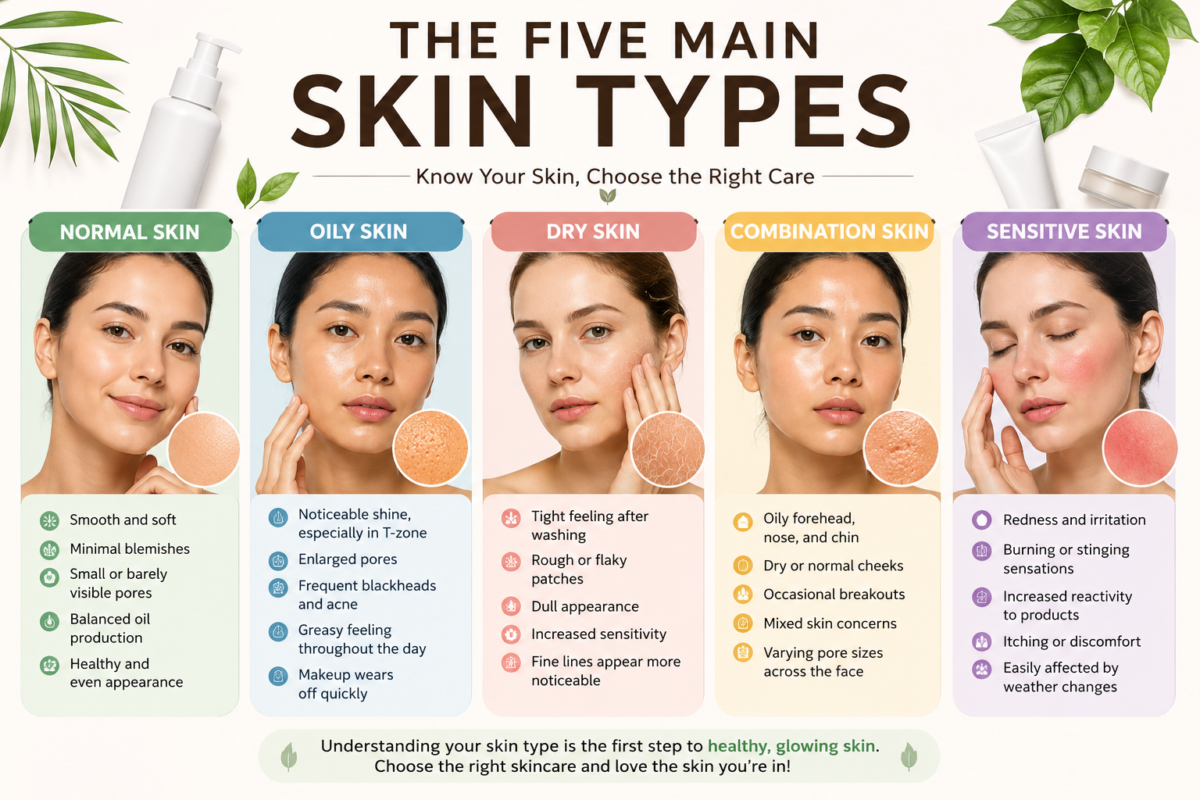
The Five Main Skin Types
Dermatologists generally classify skin into five primary categories.
Normal Skin
Normal skin is often considered the ideal skin type because it is well-balanced. It produces enough natural oil to stay hydrated without becoming excessively oily.
Characteristics of Normal Skin
- Smooth and soft texture
- Minimal blemishes
- Small or barely visible pores
- Balanced oil production
- Healthy and even appearance
Although normal skin requires less maintenance than other skin types, a consistent skincare routine is still important to preserve its health.
Oily Skin
Oily skin produces more sebum than necessary. Sebum is the natural oil produced by the skin to maintain moisture and protection.
While sebum is beneficial, excessive production can contribute to clogged pores and breakouts.
Characteristics of Oily Skin
- Noticeable shine, especially in the T-zone
- Enlarged pores
- Frequent blackheads and acne
- Greasy feeling throughout the day
- Makeup may wear off quickly
People with oily skin often benefit from lightweight, non-comedogenic skincare products that help control excess oil without over-drying the skin.
Dry Skin
Dry skin lacks sufficient moisture and natural oils. As a result, it may feel rough, tight, or uncomfortable, particularly after cleansing.
Read More : Top 10 Long Lasting Lipsticks in India That Actually
Characteristics of Dry Skin
- Tight feeling after washing
- Rough or flaky patches
- Dull appearance
- Increased sensitivity
- Fine lines may appear more noticeable
Hydrating cleansers, moisturizers, and gentle skincare products are essential for maintaining healthy dry skin.
Combination Skin
Combination skin includes characteristics of both oily and dry skin. This is one of the most common skin types.
Typically, the T-zone (forehead, nose, and chin) appears oily, while the cheeks remain normal or dry.
Characteristics of Combination Skin
- Oily forehead, nose, and chin
- Dry or normal cheeks
- Occasional breakouts
- Mixed skin concerns
- Varying pore sizes across the face
People with combination skin often need products that balance oil production while maintaining hydration.
Sensitive Skin
Sensitive skin reacts more easily to environmental factors, skincare products, and changes in weather.
It is not always considered a separate skin type but rather a condition that can occur alongside dry, oily, or combination skin.
Characteristics of Sensitive Skin
- Redness and irritation
- Burning or stinging sensations
- Increased reactivity to products
- Itching or discomfort
- Easily affected by weather changes
Gentle, fragrance-free products are usually the best choice for sensitive skin.
Read More: Which Hair Mask is The Best for Frizzy and Dry
What Determines Your Skin Type?
Your skin type is influenced by several factors. Some of these are permanent, while others can change over time.
1. Genetics
Genetics play the biggest role in determining your skin type. If your parents have oily skin, you may also be more likely to have oily skin. Similarly, dry or sensitive skin often runs in families.
Although you cannot change your genetics, understanding them helps you choose the right skincare routine.
2. Hormones
Hormonal changes affect oil production throughout life.
Common hormonal triggers include:
- Puberty
- Menstrual cycle
- Pregnancy
- Menopause
- PCOS
- Stress-related hormonal changes
Hormones can temporarily make your skin more oily or more prone to acne.
3. Climate
Weather has a significant effect on your skin.
Hot and Humid Weather
During summer or the rainy season, humidity increases sweat and oil production. This often causes:
- Oily skin
- Acne breakouts
- Enlarged pores
Cold Weather
Winter usually reduces the skin’s natural oil production.
As a result, many people experience:
- Dryness
- Flaky skin
- Tightness
- Rough patches
This is why your skincare routine should change with the seasons.
4. Age
Skin naturally changes as we grow older.
Children generally have soft, balanced skin.
Teenagers often develop oily skin due to hormonal activity.
Adults may notice balanced skin, while older adults usually experience dryness because natural oil production decreases with age.
Fine lines and reduced elasticity also become more noticeable over time.
5. Lifestyle Habits
Daily habits can greatly influence the condition of your skin.
Factors that affect skin health include:
- Diet
- Water intake
- Sleep quality
- Exercise
- Smoking
- Alcohol consumption
- Stress
- Pollution exposure
Although these factors may not completely change your skin type, they can make existing skin concerns better or worse.
How to Determine Your Skin Type
If you are unsure about your skin type, a simple observation test can help.
The Bare Face Method
- Wash your face with a gentle cleanser.
- Pat your skin dry.
- Avoid applying any skincare products.
- Wait for about one hour.
- Observe how your skin feels and looks.
If your skin feels tight, you may have dry skin. If it appears shiny all over, oily skin is likely. If only the T-zone becomes oily, you probably have combination skin. If your skin feels comfortable and balanced, it may be normal skin.
Factors That Influence Skin Type
Several factors can affect how your skin behaves over time.
Genetics
Your genetic makeup plays a significant role in determining skin type.
Age
As people age, natural oil production often decreases, leading to drier skin.
Climate
Hot and humid conditions can increase oil production, while cold weather may contribute to dryness.
Hormonal Changes
Hormones can influence oil production and contribute to acne or increased sensitivity.
Lifestyle Habits
Diet, hydration, sleep quality, stress levels, and sun exposure can all impact skin health.
Building a Skincare Routine for Your Skin Type
For Oily Skin
Focus on lightweight products that help manage excess oil without stripping the skin.
For Dry Skin
Choose nourishing cleansers and rich moisturizers that support hydration and strengthen the skin barrier.
For Combination Skin
Use balanced products that address both oily and dry areas without causing irritation.
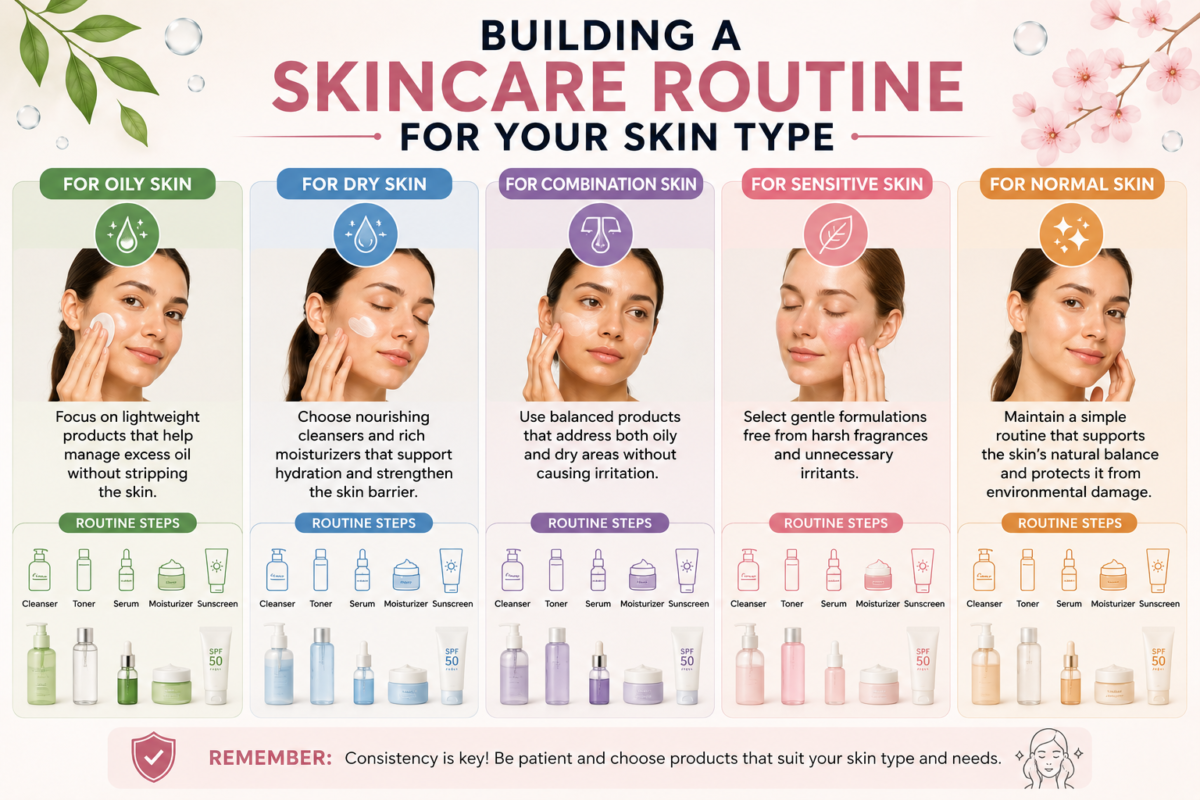
For Sensitive Skin
Select gentle formulations free from harsh fragrances and unnecessary irritants.
For Normal Skin
Maintain a simple routine that supports the skin’s natural balance and protects it from environmental damage.
Read More:Best Serum for Pigmentation and Dark Spots: A Complete Guide
Common Skincare Mistakes to Avoid
Regardless of skin type, some skincare habits can negatively affect skin health.
Over-Cleansing
Washing the face too frequently can disrupt the skin’s natural barrier.
Skipping Moisturizer
All skin types benefit from proper hydration, including oily skin.
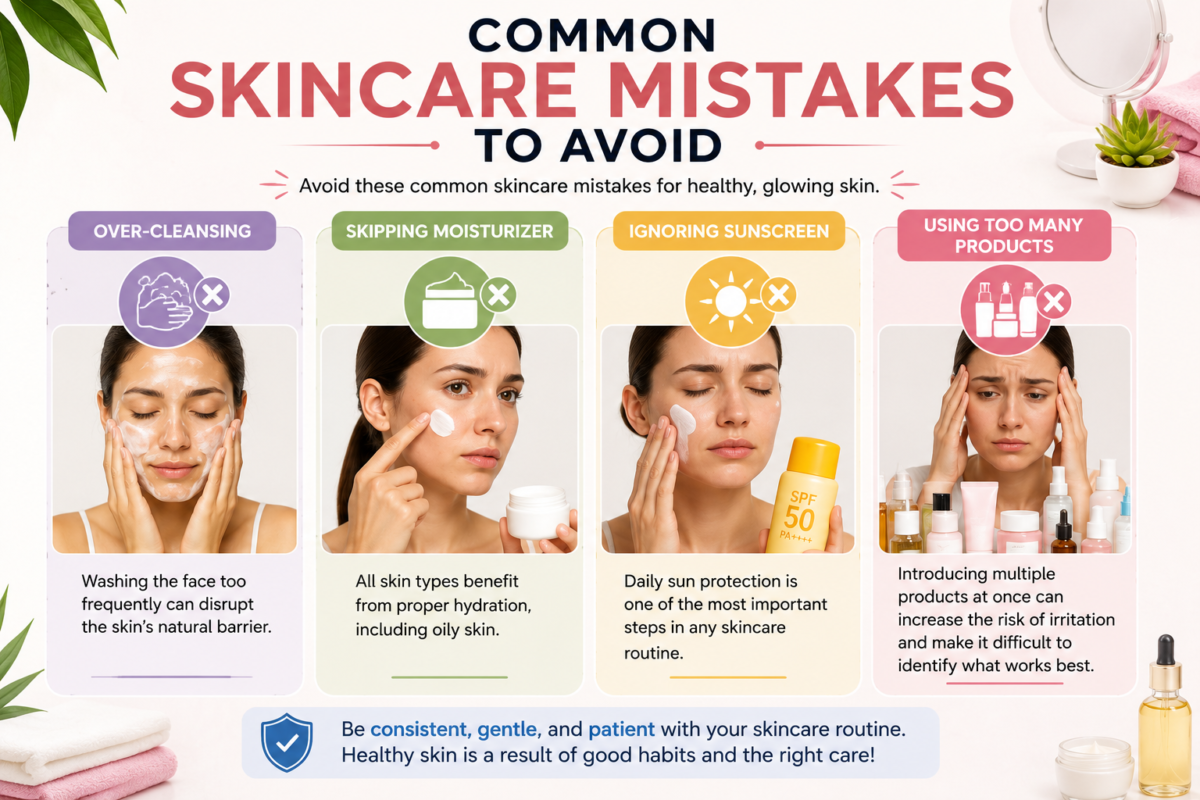
Ignoring Sunscreen
Daily sun protection is one of the most important steps in any skincare routine.
Using Too Many Products
Introducing multiple products at once can increase the risk of irritation and make it difficult to identify what works best.
The Importance of Sun Protection
Exposure to ultraviolet rays can contribute to premature aging, pigmentation, and other skin concerns.
Applying a broad-spectrum sunscreen daily helps protect the skin and maintain a healthier appearance over time.
Even on cloudy days, sun protection remains an essential part of skincare.
Final Thoughts
Understanding your skin type is the foundation of an effective skincare routine. When you know how your skin behaves and what it needs, selecting the right products becomes much easier.
Whether your skin is oily, dry, combination, sensitive, or normal, consistent care and the right skincare habits can help maintain a healthy, balanced, and radiant complexion.
Healthy skin is not about following every trend or using countless products. It is about understanding your skin, caring for it consistently, and making choices that support its long-term health.
Frequently Asked Questions (FAQs)
1. How can I identify my skin type at home?
You can identify your skin type by washing your face with a gentle cleanser, leaving it product-free for about an hour, and observing how it feels. Tight skin usually indicates dry skin, shine all over suggests oily skin, an oily T-zone with dry cheeks points to combination skin, and balanced skin is typically normal.
2. Can my skin type change over time?
Yes. Your skin type can change due to age, hormones, climate, lifestyle, medications, and seasonal changes. It’s a good idea to reassess your skin regularly and adjust your skincare routine accordingly.
3. Which skin type is most prone to acne?
Oily skin is generally more prone to acne because excess sebum can clog pores. However, people with combination or sensitive skin may also experience breakouts if they use unsuitable skincare products.
4. Should oily skin use a moisturizer?
Yes. Oily skin still needs hydration. Using a lightweight, oil-free, non-comedogenic moisturizer helps maintain the skin’s moisture balance without making it greasy.
5. Is sunscreen necessary for every skin type?
Absolutely. Sunscreen is essential for all skin types. A broad-spectrum sunscreen with SPF 30 or higher helps protect the skin from UV damage, premature aging, pigmentation, and reduce the risk of skin cancer.
6. How often should I update my skincare routine?
You should review your skincare routine whenever your skin changes due to weather, age, hormonal fluctuations, or new skin concerns. Adjusting your products based on your skin’s current needs helps maintain healthy skin.
7. What is the best skincare routine for beginners?
A simple skincare routine includes a gentle cleanser, moisturizer, and sunscreen in the morning. At night, cleanse your face and apply a moisturizer. Once your skin adjusts, you can gradually add serums or treatment products if needed.
8. Can I have both oily and dry skin at the same time?
Yes. This is called combination skin. People with combination skin usually have an oily forehead, nose, and chin (T-zone), while their cheeks remain normal or dry. Using balanced skincare products can help manage both areas effectively.
9. Which ingredients are best for different skin types?
The best ingredients depend on your skin type. Hyaluronic acid and ceramides are excellent for dry skin, salicylic acid and niacinamide work well for oily skin, while aloe vera, oat extract, and chamomile are ideal for sensitive skin.
10. When should I consult a dermatologist?
If you have persistent acne, severe dryness, redness, allergic reactions, eczema, or skin concerns that do not improve with regular skincare, it’s best to consult a dermatologist for a proper diagnosis and personalized treatment plan.