

Hair fall has become one of the most common concerns among people in India today. With increasing exposure to pollution, rising stress levels, irregular eating habits, and fast-paced lifestyles, maintaining healthy hair has become more challenging than ever. Over time, these factors can weaken hair roots and disturb the natural balance of the scalp, leading to excessive hair shedding.
While losing some hair daily is completely normal, noticeable or continuous hair fall often pushes people to search for effective solutions. One of the most common steps people take is switching to a shampoo specifically designed for hair fall control.
However, it is important to understand that not all shampoos work the same way. Choosing the right product depends on your scalp condition, hair type, and the underlying reason for hair fall.
Why Choosing the Right Shampoo Matters
A good hair fall shampoo does more than just clean your hair. It plays a key role in maintaining scalp health, which directly affects the strength and growth of your hair.
An ideal shampoo should:
- Cleanse the scalp gently without stripping natural oils
- Help control dandruff and fungal infections
- Reduce scalp irritation and itching
- Support stronger hair roots
- Maintain proper scalp pH balance
When the scalp is healthy, hair follicles function better, which may help reduce hair fall over time.
Read More: Which Hair Mask is The Best for Frizzy and Dry
Understanding Medical Hair Fall Shampoos
Unlike regular cosmetic shampoos, medical or dermatology-based shampoos are formulated with active ingredients that target specific scalp conditions. These shampoos are often recommended when hair fall is linked to issues such as dandruff, fungal infections, or scalp inflammation.
These formulations do not directly regrow hair overnight, but they help create a healthier scalp environment, which is essential for reducing hair fall and supporting better hair quality.
Top Hair Fall Shampoos Commonly Used in India
Below are some widely used dermatology-focused shampoos that are often included in hair care routines for managing hair fall.
1. Ketoconazole-Based Anti Hair Fall Shampoo
Shampoos containing ketoconazole are commonly used for treating dandruff and fungal infections of the scalp. When dandruff becomes severe, it can irritate the scalp and weaken hair roots, leading to increased hair fall.
By controlling fungal growth and reducing inflammation, this type of shampoo helps restore scalp health. As a result, hair fall caused by dandruff may gradually decrease.
2. Zinc-Based Anti Dandruff Hair Fall Shampoo
Shampoos with ingredients like zinc pyrithione and climbazole are often used when hair fall is linked to dandruff issues.
These ingredients work by reducing fungal activity on the scalp and controlling flaking. A dandruff-free scalp provides a better environment for hair follicles, which can help reduce irritation and hair shedding.
3. Caffeine-Enriched Hair Strengthening Shampoo
Caffeine-based shampoos are becoming increasingly popular in hair care routines. These formulations often include additional nutrients such as biotin and amino acids.
Caffeine is believed to support scalp circulation and stimulate hair follicles, while biotin helps improve hair strength. Together, these ingredients may help reduce hair breakage and support healthier-looking hair.
4. Biotin and Peptide-Based Hair Fall Shampoo
Shampoos enriched with biotin and peptide complexes are designed to strengthen weak and thinning hair.
These ingredients help improve the structure of hair strands, making them less prone to breakage. Regular use may result in smoother, stronger, and more manageable hair over time.
5. pH-Balanced Shampoo for Sensitive Scalp
Maintaining the natural pH level of the scalp is essential for overall hair health. A disrupted pH balance can lead to dryness, irritation, and dandruff.
pH-balanced shampoos are gentle and suitable for people with sensitive scalps. They help maintain scalp moisture while reducing irritation, making them a good option for regular use.
6. Advanced Caffeine Shampoo for Hair Thinning
Some caffeine-based shampoos are specifically designed for individuals experiencing early signs of hair thinning.
These formulations aim to energize hair roots and improve scalp vitality. While results may vary, such shampoos are often included in preventive hair care routines.
7. Vitamin-Enriched Strengthening Shampoo
Shampoos containing vitamins and essential nutrients are often used to support weak and fragile hair.
These formulations help nourish the scalp and strengthen hair strands from root to tip. They are commonly used alongside other treatments for improving hair texture and resilience.
8. Aminexil-Based Hair Fall Control Shampoo
Aminexil is an ingredient commonly used in hair care products designed to support hair root strength.
It helps improve the flexibility of hair roots and may reduce hair fall caused by root weakness. Combined with vitamin complexes, it can contribute to overall scalp health.
9. Herbal and Biotin Blend Shampoo
Some shampoos combine herbal extracts with biotin to provide both nourishment and strengthening benefits.
Herbal ingredients help soothe the scalp, while biotin supports hair structure. This combination is often preferred by people looking for a balance between natural and dermatological care.
10. Herbal-Dermatology Hybrid Shampoo
These shampoos blend traditional herbal ingredients with scientifically proven compounds.
They are often used by individuals experiencing mild hair thinning or hair breakage. Such formulations aim to nourish the scalp while strengthening hair roots.
Read More: Best Anti Hair Fall Shampoo for Men: A Complete Guide to Stronger and Healthier Hair
Important Things to Know About Hair Fall Shampoos
Many people expect instant results from hair fall shampoos, but it is important to have realistic expectations.
Shampoos mainly:
- Clean the scalp
- Improve scalp conditions
- Strengthen hair strands
- Reduce breakage
They do not directly stop hair fall caused by internal issues such as hormonal imbalance or nutritional deficiencies.
Common Causes of Hair Fall
Hair fall can occur due to multiple reasons, and identifying the root cause is essential for effective treatment.
Some common causes include:
- Poor nutrition (lack of protein, iron, vitamins)
- High stress levels
- Hormonal changes
- Genetic factors (pattern hair loss)
- Scalp infections or dandruff
- Excessive use of chemicals or heat styling
If hair fall continues for a long time, relying only on shampoos may not be enough.
Read More: Best Hair Masks for Dry Damaged Hair (2026 Guide)
When Should You See a Doctor?
If you notice any of the following signs, it is better to consult a dermatologist:
- Sudden or excessive hair loss
- Visible thinning or bald patches
- Severe dandruff or itching
- Hair fall lasting more than 2–3 months
A professional can help identify the exact cause and recommend the right treatment plan.
Tips to Improve Hair Health Along with Shampoo
Using the right shampoo is just one part of hair care. For better results, combine it with healthy habits:
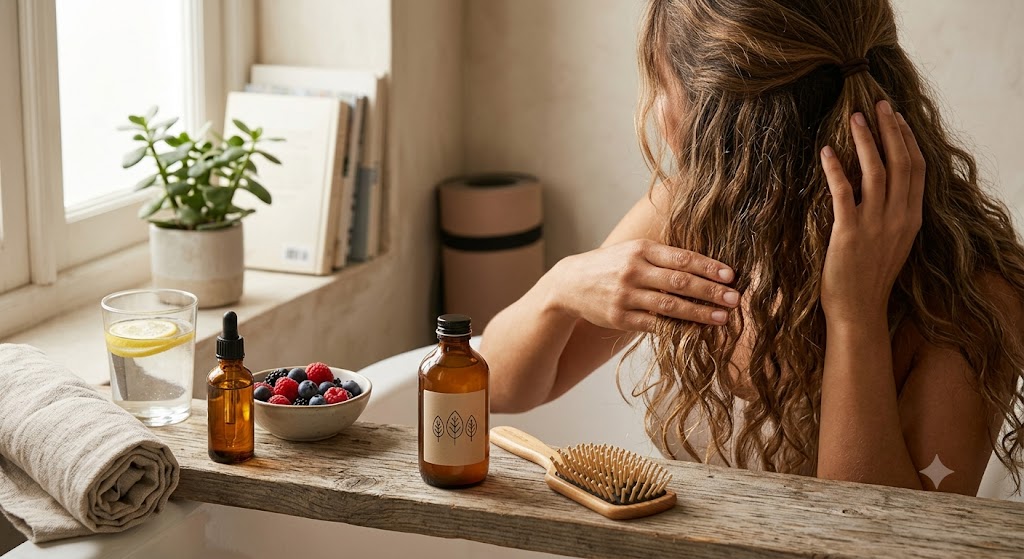
- Eat a balanced diet rich in protein and vitamins
- Stay hydrated
- Reduce stress through exercise or meditation
- Avoid excessive heat styling
- Oil your hair regularly (if suitable for your scalp)
- Use mild, sulfate-free products when possible
Final Thoughts
Hair fall is a common issue, but it can be managed effectively with the right approach. Choosing a suitable shampoo based on your scalp condition can help improve scalp health and reduce hair breakage.
However, long-term hair health depends on a combination of proper nutrition, a healthy lifestyle, and, when needed, medical guidance.
Disclaimer
This article is for informational purposes only. The shampoos and ingredients mentioned are commonly discussed in hair care and dermatology practices. This content does not promote or endorse any specific product. If you are experiencing persistent or severe hair fall, it is recommended to consult a qualified dermatologist for proper diagnosis and treatment.
Frequently Asked Questions (FAQs)
1. Which shampoo is best for hair fall in India?
The best hair fall shampoo depends on your hair type and the underlying cause of hair fall. Dermatology-based shampoos with ingredients like ketoconazole, biotin, caffeine, zinc pyrithione, or peptides can help improve scalp health and reduce hair breakage.
2. Can a hair fall shampoo stop hair loss completely?
No. Hair fall shampoos cannot completely stop hair loss caused by genetics, hormonal changes, or medical conditions. However, they can strengthen hair, improve scalp health, and reduce hair breakage.
3. How often should I use a hair fall shampoo?
Most hair fall shampoos can be used 2–3 times a week. Medicated shampoos should always be used according to the instructions on the label or as advised by a dermatologist.
4. How long does it take to see results from a hair fall shampoo?
Visible improvements usually take 6–12 weeks of consistent use. Hair growth is a gradual process, so patience and regular use are essential.
5. Which ingredients should I look for in a hair fall shampoo?
Look for ingredients such as ketoconazole, biotin, caffeine, zinc pyrithione, peptides, aminexil, amino acids, and natural oils. These ingredients help maintain a healthy scalp and strengthen hair strands.
6. Can dandruff cause hair fall?
Yes. Severe dandruff can irritate the scalp, weaken hair roots, and increase hair shedding. Treating dandruff with a suitable anti-dandruff shampoo may help reduce hair fall associated with scalp irritation.
7. Is a sulfate-free shampoo better for hair fall?
Sulfate-free shampoos are generally gentler on the scalp and hair. They help retain natural moisture and may be a better option for people with dry, damaged, or sensitive hair.
8. Should I oil my hair before using a hair fall shampoo?
Hair oiling can help moisturize the scalp and reduce dryness for some people. However, it should be done based on your hair type and scalp condition. Always wash off excess oil with a gentle shampoo.
9. When should I consult a dermatologist for hair fall?
You should see a dermatologist if you experience sudden hair loss, bald patches, excessive shedding lasting more than 2–3 months, severe dandruff, scalp itching, or hair fall that continues despite using suitable hair care products.
10. Can diet and lifestyle affect hair fall?
Yes. A balanced diet rich in protein, iron, zinc, vitamin D, and biotin, along with proper sleep, hydration, stress management, and regular exercise, plays an important role in maintaining healthy hair and reducing hair fall.