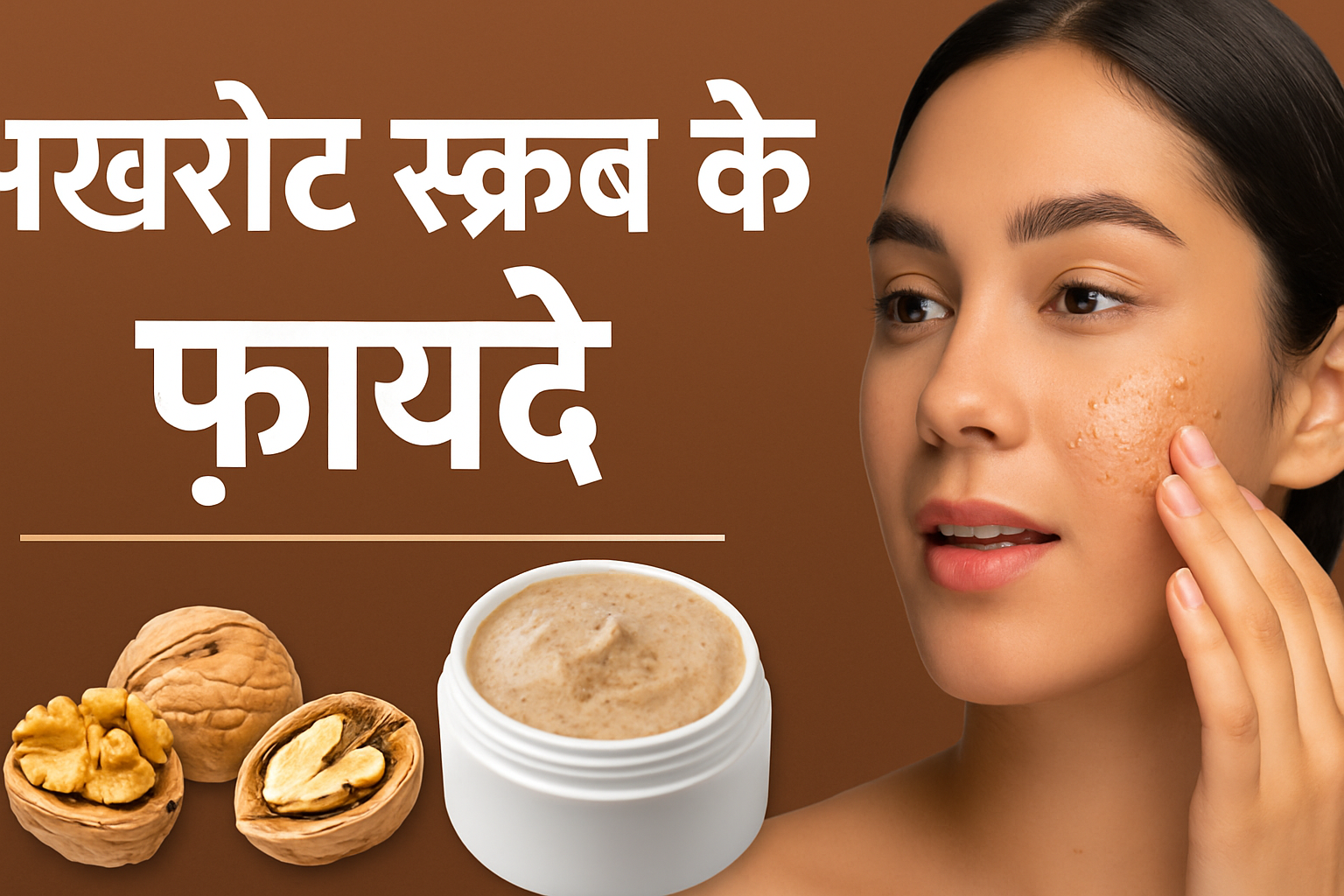
Aaj ke chemical-based skincare products ke beech ek natural ingredient ne sabka attention khinch liya hai – Akhrot, yaani Walnut. Akhrot ka scrub (Walnut scrub) ek ancient aur effective skincare solution hai jo dead skin ko gently exfoliate karta hai aur skin ko youthful banata hai. Aaiye jaanein ki akhrot scrub ke kya kya fayde hote hain aur ise kaise use karein.
Natural Exfoliation – Dead Skin Hataata Hai
Akhrot ke chhote chhote particles skin par se dead cells ko remove karte hain. Isse:
Skin ki dullness door hoti hai
Face par ek natural glow aata hai
Makeup smooth apply hota hai
Ye physical exfoliant hone ke bawajood skin ko harshly damage nahi karta – bas soft aur circular motion mein use karna hota hai.
Note: Sensitive skin wale log ise week mein sirf 1 baar use karein.
🚫 Side Effects ya Precautions
Har din use na karein, warna skin barrier damage ho sakta hai
Harsh rubbing se bachna chahiye
Pehle patch test zarur karein (specially if you have acne-prone skin).
Homemade vs Market Scrubs
Homemade Walnut Scrub: Akhrot powder + honey + aloe vera = Simple, safe & effective
Market Scrubs: Convenient hote hain, but ingredients check karna zaruri hai – parabens, sulfates, aur synthetic fragrance se bachna chahiye.
🏁 Conclusion
Akhrot scrub ek natural, affordable, aur effective skincare product hai jo exfoliation ke saath skin ko youthful banata hai. Chahe aap oily skin ke liye solution dhoondh rahe ho ya dead skin se chutkaara – walnut scrub ek trusted option hai.
Regular use, proper technique, aur correct product selection se aapko zarur positive results milenge.
Agar aap acne se pareshaan hain, to sabse pehla step hai sahi face wash ka istemal. Har skin type alag hoti hai, aur har product sabko suit nahi karta.
🔍 Acne Ka Solution Face Wash Se?
Agar aap acne se pareshaan hain, to sabse pehla step hai sahi face wash ka istemal. Har skin type alag hoti hai, aur har product sabko suit nahi karta. Iss blog mein, hum jaanenge:
Acne ke liye face wash mein kya hona chahiye
Kaunse ingredients faydemand hain
Top 5 dermatologist-recommended face washes
Bonus tips for acne-free skin
✅ Face Wash Mein Kya Dekhna Chahiye?
1. Salicylic Acid
Dead skin cells aur pores ka clogging door karta hai
Mild exfoliation deta hai
2. Tea Tree Oil
Natural antibacterial
Redness aur swelling kam karta hai
3. Benzoyl Peroxide
Bacteria ko maarne mein powerful
Lekin thoda drying ho sakta hai (use with caution)
4. Niacinamide
Sebum control karta hai
Skin tone even banata hai.
🌟 Top 5 Face Wash for Acne-Prone Skin (India 2025)
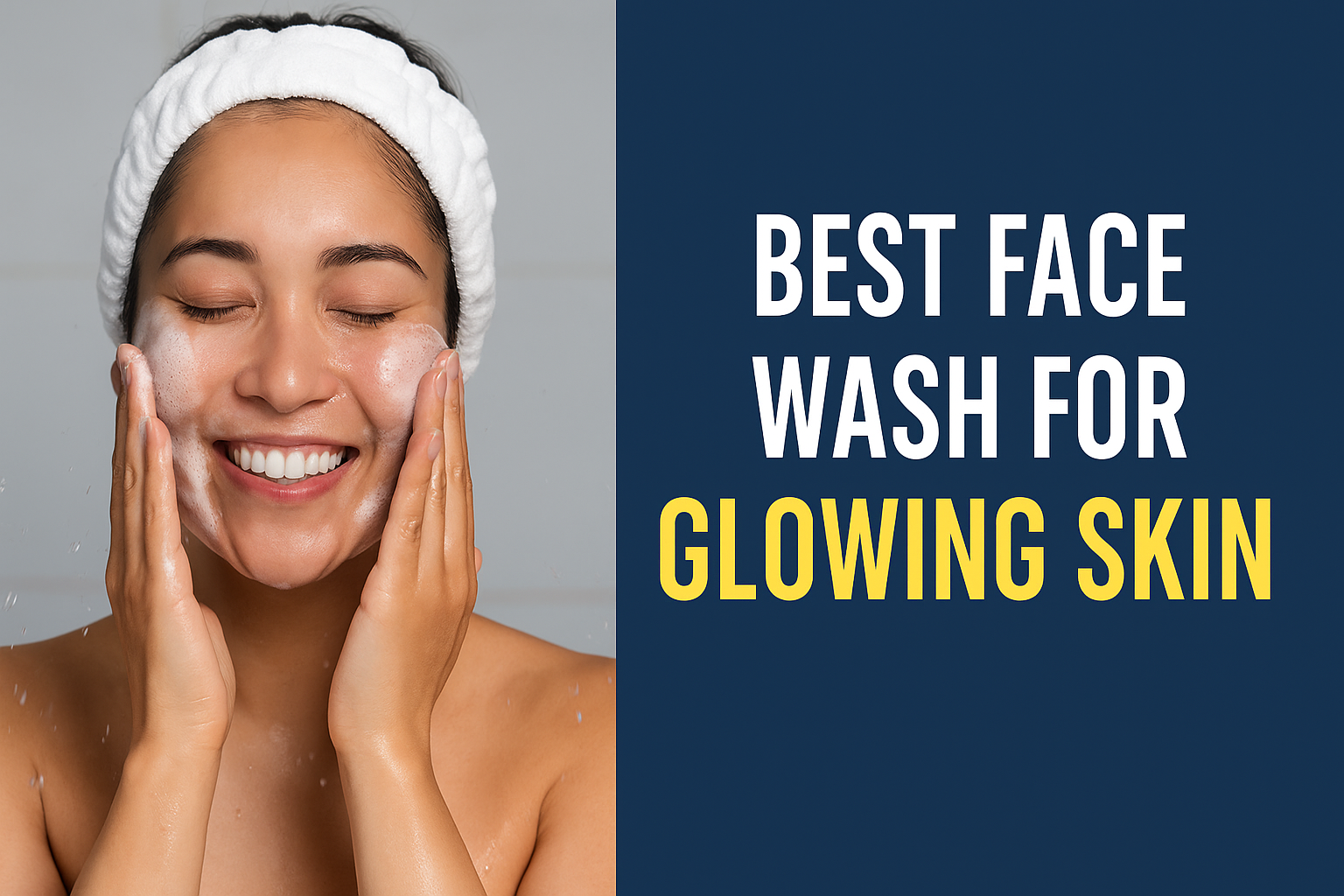
In today’s high-paced lifestyle and polluted environment, maintaining healthy and glowing skin isn’t just a beauty goal—it’s a necessity. The foundation of any skincare routine starts with the right face wash. Whether you’re facing dullness, pigmentation, or just environmental stress, the right cleanser can make all the difference. This blog will guide you through choosing the best face wash for glowing skin based on your skin type, ingredients to look for, and top recommended products in India’s cosmetic market.
Why Choosing the Right Face Wash Matters?
A face wash does more than just remove dirt. It:
Prepares your skin to absorb moisturizers and serums
Prevents acne and clogged pores
Revives skin’s natural radiance
Improves blood circulation through gentle massage
Keeps pH balance intact.
Top Ingredients to Look for in a Glowing Skin Face Wash.
Vitamin C Brightens skin, fades dark spots
Niacinamide (Vitamin B3) Improves texture, supports skin barrier
Licorice Extract Natural skin brightener
Aloe Vera Soothes and hydrates
Turmeric Anti-inflammatory and glow-enhancing
Hyaluronic Acid Deep hydration and plumping effect
Glycolic Acid Gently exfoliates dead skin cells
Neem Extract Detoxifies skin and prevents acne
🌞 Natural DIY Face Wash Option for Glowing Skin (Traditional Wisdom)
Ingredients:
2 tbsp gram flour (besan)
1 tsp turmeric
1 tbsp raw milk or rose water
How to Use: Mix all ingredients and apply gently. Wash off after 2 minutes. Use 3 times a week for a natural glow.
🎯 Conclusion
The journey to radiant and glowing skin starts with one simple step—choosing the right face wash. Whether you go with natural ingredients, dermatologist-tested options, or ayurvedic blends, the key is consistency and care. In the modern era, it’s not about following a trend but selecting products that align with your skin’s unique needs. Invest wisely, read labels, and stay loyal to what works for your skin type.
✨ Introduction
In today’s skincare routines, toners and astringents are often confused due to their similar consistency and application method. But in reality, they serve different purposes and suit different skin types. Choosing the wrong one can lead to irritation or ineffective results. This blog will help you understand the core differences, benefits, and how to select the right product for your skin.
💧 What is a Toner?
Toner is a water-based skincare product designed to refresh the skin, remove any leftover impurities after cleansing, and balance the skin’s natural pH.
✅ Key Functions:
Hydrates the skin
Prepares skin for serum/moisturizer
Restores pH balance
Minimizes appearance of pores
👩🔬 Ideal For:
All skin types, especially dry, normal, and sensitive skin.
Base Water-based Alcohol-based
Main Use Hydration & pH balance Oil control & acne treatment
Suitable Skin Type Dry, Sensitive, Normal Oily, Acne-prone
Gentle on Skin Yes No (can be harsh if overused)
Common Ingredients Rose water, aloe vera, glycerin Salicylic acid, alcohol, menthol
🧬 How to Choose the Right One?
If your skin feels tight, dry, or flaky, go for a hydrating toner.
If your face gets greasy within hours, try an astringent (sparingly).
For combination skin, use toner on cheeks and astringent only on the T-zone.
💡 Pro Tips:
Avoid alcohol-based products if you have sensitive skin.
Use toner right after cleansing and before applying serum/moisturizer.
Don’t overuse astringent—twice a week is enough for most oily skins.
Always patch test new products to avoid allergic reactions.
Toners and astringents both play important roles in skincare, but they aren’t interchangeable. While toners are gentle and hydrating, astringents are more aggressive and better suited for oily skin. Choosing the right product based on your skin type ensures better skin health and appearance.
Still confused? Try starting with a gentle toner first, then introduce an astringent if needed.
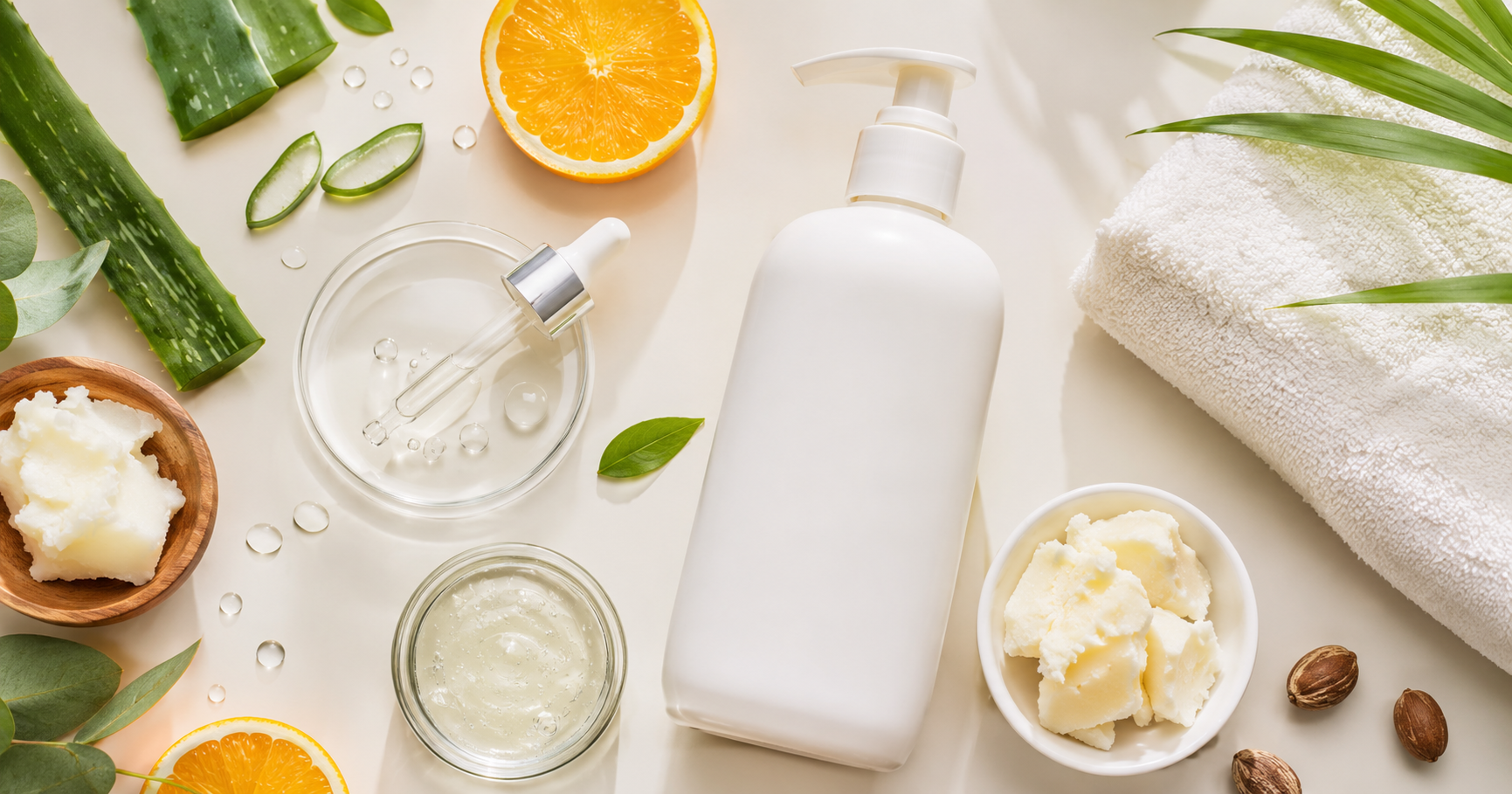
Healthy, glowing skin is not only about using expensive skincare products. The secret often starts with something simple—a good body lotion. Many people focus only on face care and forget that the skin on the rest of the body also needs daily hydration and nourishment.
Whether your skin feels dry after a shower, looks dull during winter, or loses moisture because of air conditioning and pollution, the right body lotion can make a noticeable difference. A well-formulated lotion helps keep your skin soft, smooth, hydrated, and naturally radiant.
The Indian climate is very diverse. Some areas experience hot and humid weather, while others face dry winters or extreme heat. Because of this, one body lotion may not work equally well for everyone. Choosing a lotion according to your skin type and the season is the key to achieving healthy-looking skin.
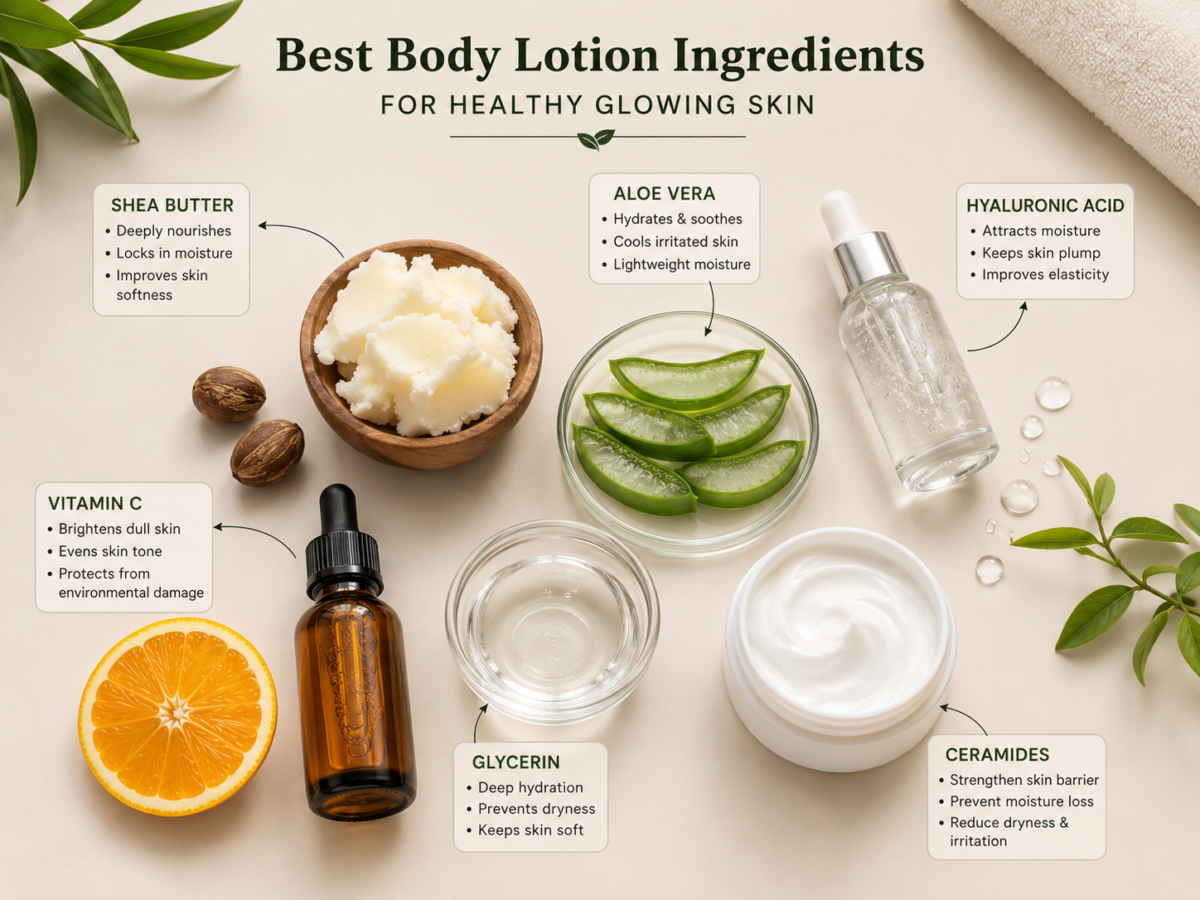
What to Look for in a Body Lotion for Glowing Skin
1. Hydrating Ingredients
Look for aloe vera, glycerin, shea butter, and hyaluronic acid. These ingredients lock in moisture and prevent dryness — essential for a natural glow.
2. Skin Brightening Actives
Mild and safe brightening agents like Vitamin C, niacinamide, kojic acid, and licorice extract help in reducing dullness and tanning, giving even skin tone.
3. Non-Greasy, Quick Absorbing Formula
The Indian climate demands lightweight lotions that absorb fast and don’t leave oily residue.
4. SPF Protection (Optional)
For daytime use, prefer lotions with SPF 15 or higher to protect skin from UV rays, which dull the glow.
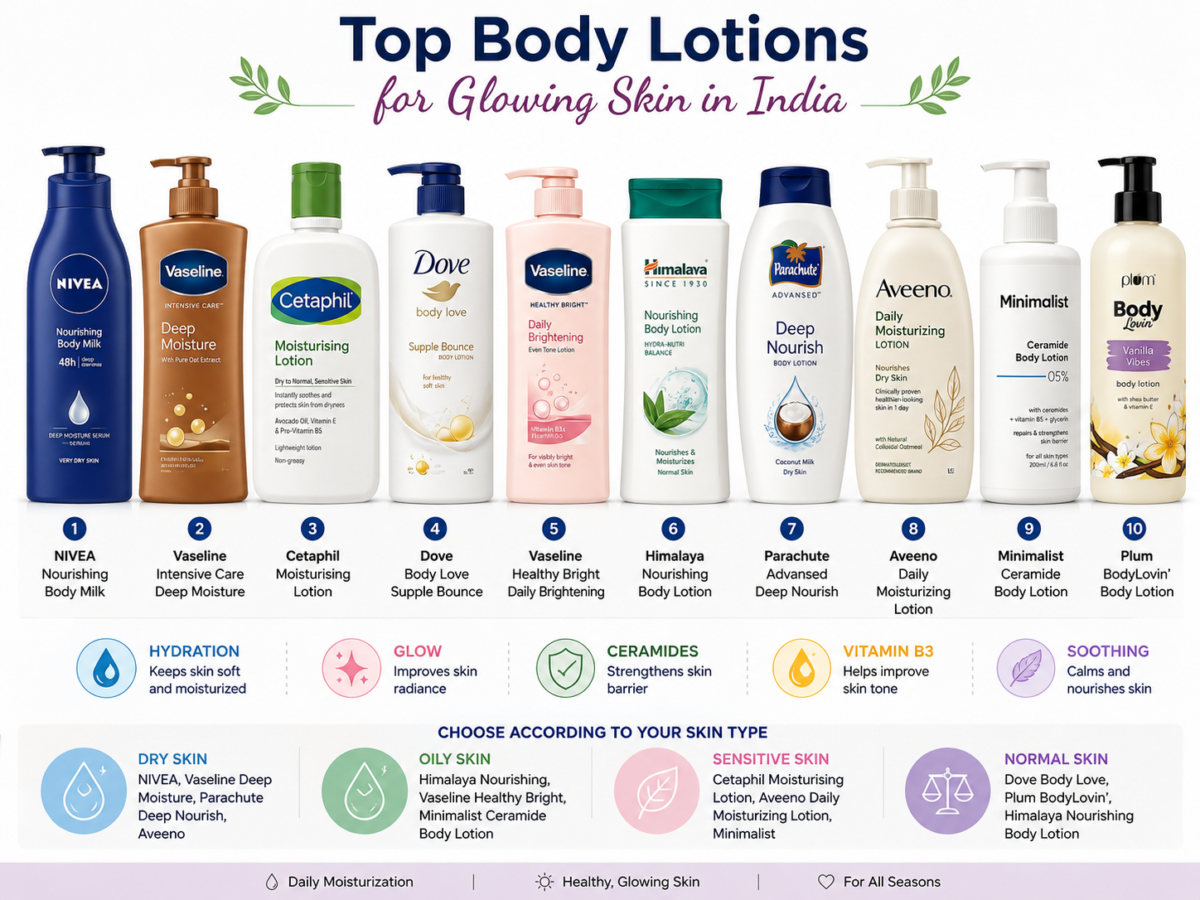
Top 10 Best Body Lotions for Glowing Skin in India – 2025
Finding the right body lotion can feel confusing because there are hundreds of options available. Instead of choosing a product based only on advertisements, focus on ingredients, your skin type, and how the lotion performs in everyday use.
The following body lotions are popular in India because they provide good hydration, help improve skin texture, and support healthy-looking, glowing skin when used consistently.
1. NIVEA Nourishing Body Milk
Best For
Very dry to dry skin
NIVEA Nourishing Body Milk is one of the most trusted body lotions in India. It is enriched with deep moisturizing ingredients that help relieve dryness and keep the skin soft for long hours.
Key Ingredients
Almond Oil
Deep Moisture Serum
Glycerin
Pros
Provides long-lasting hydration
Makes rough skin smoother
Suitable for winter
Easily available across India
Cons
Can feel slightly heavy during hot summers
Not ideal for very oily skin
2. Vaseline Intensive Care Deep Moisture Body Lotion
Best For
Dry and dehydrated skin
Vaseline is known for repairing dry skin by locking in moisture. Its lightweight texture absorbs quickly while helping reduce roughness over time.
Key Ingredients
Glycerin
Micro-droplets of Vaseline Jelly
Pros
Fast absorption
Affordable
Suitable for everyday use
Leaves skin feeling soft
Cons
Mild fragrance may not suit everyone
3. Cetaphil Moisturising Lotion
Best For
Sensitive skin
People with sensitive skin often struggle to find products that hydrate without causing irritation. Cetaphil Moisturising Lotion is a gentle option that focuses on strengthening the skin barrier.
Key Ingredients
Glycerin
Vitamin E
Emollients
Pros
Gentle formula
Non-comedogenic
Dermatologist recommended
Suitable for daily use
Cons
Premium price compared to regular body lotions
4. Dove Body Love Supple Bounce Body Lotion
Best For
Normal to dry skin
Dove Body Love range is designed to provide hydration while keeping the skin soft and healthy-looking.
Key Ingredients
Glycerin
Moisturizing Cream Complex
Pros
Creamy texture
Smooth finish
Pleasant fragrance
Good for daily moisturizing
Cons
Fragrance may not suit fragrance-sensitive users
5. Vaseline Healthy Bright Daily Brightening Body Lotion
Best For
Dull-looking skin
This lotion is popular among people who want skin that looks brighter and more refreshed. It combines hydration with ingredients that help improve overall skin appearance.
Key Ingredients
Niacinamide
Glycerin
Vitamin B3
Pros
Improves skin softness
Lightweight texture
Suitable for daily use
Absorbs quickly
Cons
Results vary depending on skin condition and regular use
6. Himalaya Nourishing Body Lotion
Best For
Normal skin
Himalaya combines herbal ingredients with moisturizers to provide everyday hydration without making the skin feel sticky.
Key Ingredients
Aloe Vera
Winter Cherry
Indian Kino Tree Extract
Pros
Budget-friendly
Lightweight
Suitable for Indian weather
Everyday moisturizer
Cons
May not be moisturizing enough for extremely dry skin
7. Parachute Advansed Deep Nourish Body Lotion
Best For
Dry winter skin
This lotion contains coconut milk-inspired nourishment and is especially useful during colder months.
Key Ingredients
Coconut Milk
Coconut-Based Moisturizers
Pros
Rich hydration
Affordable
Helps soften rough skin
Good for elbows and knees
Cons
Slightly richer consistency
8. Aveeno Daily Moisturizing Lotion
Best For
Very sensitive and dry skin
Aveeno is well known for using natural oat extracts that soothe and moisturize irritated skin.
Key Ingredients
Colloidal Oatmeal
Glycerin
Pros
Fragrance-free variants available
Suitable for eczema-prone skin
Long-lasting hydration
Gentle formulation
Cons
More expensive than many Indian brands
9. Minimalist Ceramide Body Lotion
Best For
Damaged skin barrier
Minimalist has become popular because of its ingredient-focused skincare products. Its Ceramide Body Lotion helps restore moisture while supporting the skin’s protective barrier.
Key Ingredients
Ceramides
Glycerin
Vitamin B5
Pros
Fragrance-free
Modern ingredient profile
Supports skin barrier
Lightweight yet nourishing
Cons
Slightly higher price than basic lotions
10. Plum BodyLovin’ Body Lotion
Best For
Normal to combination skin
Plum BodyLovin’ Body Lotion offers hydration with a lightweight feel and comes in several pleasant fragrances.
Key Ingredients
Shea Butter
Vitamin E
Plant-based moisturizers
Pros
Non-greasy
Absorbs quickly
Suitable for daily use
Vegan formulations
Cons
Fragrance may not suit sensitive skin
Which Body Lotion Should You Choose?
Here are some simple recommendations based on your skin type.
Choose NIVEA Nourishing Body Milk if:
Your skin becomes rough in winter.
You need long-lasting hydration.
You prefer a rich moisturizer.
Choose Cetaphil Moisturising Lotion if:
You have sensitive skin.
Your skin reacts easily to fragrances.
You want a dermatologist-recommended lotion.
Choose Minimalist Ceramide Body Lotion if:
Your skin barrier feels damaged.
Your skin becomes dry after bathing.
You prefer fragrance-free skincare.
Choose Vaseline Healthy Bright if:
Your skin looks dull due to dryness.
You want lightweight daily hydration.
You prefer a lotion that absorbs quickly.
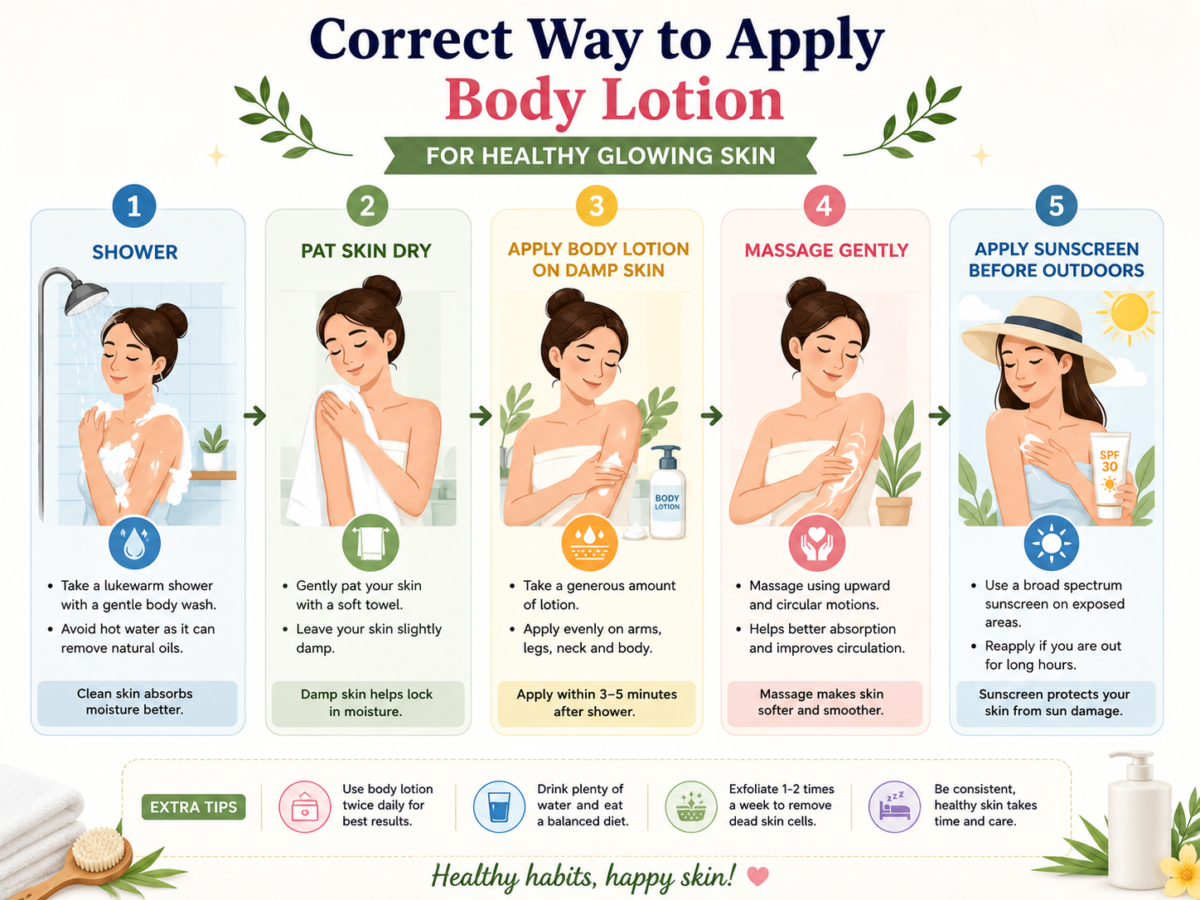
How to Apply Body Lotion for the Best Results
Buying a good body lotion is only the first step. The way you apply it also affects how well it works. A few simple changes to your daily routine can help your skin stay hydrated, smooth, and naturally glowing.
Step 1: Take a Lukewarm Shower
Very hot water may feel relaxing, but it can remove the skin’s natural oils. This often leaves your skin feeling dry and tight.
Instead:
Use lukewarm water for bathing.
Limit shower time to about 5–10 minutes.
Choose a gentle body wash that does not overly dry the skin.
This helps maintain your skin’s natural moisture barrier.
Step 2: Pat Your Skin Dry
After your shower, avoid rubbing your skin aggressively with a towel.
Instead:
Gently pat your skin until it is slightly damp.
Leave a little moisture on the skin before applying lotion.
Slightly damp skin helps lock in hydration more effectively than completely dry skin.
Step 3: Apply Lotion Within 3–5 Minutes
This is often called the “golden rule” of moisturizing.
Applying lotion soon after bathing helps trap moisture inside the skin, making it softer for longer.
Start with:
Legs
Arms
Elbows
Knees
Hands
Feet
These areas usually become dry more quickly than others.
Step 4: Massage Until Fully Absorbed
Rather than applying lotion quickly and leaving it on the surface, massage it gently into the skin using circular motions.
Benefits include:
Better absorption
Improved product distribution
Softer skin feel
A relaxing self-care routine
A Simple Daily Body Care Routine for Glowing Skin
You do not need a complicated skincare routine to achieve healthy-looking skin. Consistency is more important than using many products.
Morning Routine
Take a gentle shower.
Pat the skin dry.
Apply body lotion while the skin is slightly damp.
Apply sunscreen to exposed areas like the arms, hands, neck, and legs if you are going outdoors.
This routine helps protect your skin from dryness and sun damage.
Evening Routine
Before going to bed:
Wash away sweat, dust, and pollution if needed.
Apply body lotion again, especially to dry areas.
Use a thicker moisturizer or body butter on elbows, knees, heels, and feet if they tend to crack.
Nighttime is when your skin naturally repairs itself, making it a good time to moisturize.
Seasonal Body Care Tips
Your skin’s needs change throughout the year. Adjusting your body lotion according to the season can help maintain healthy skin.
Summer
Hot weather and frequent showers can still lead to dehydration.
Choose:
Lightweight lotions
Non-greasy formulas
Fast-absorbing moisturizers
Ingredients like aloe vera and hyaluronic acid are excellent for summer.
Monsoon
Humidity can make your skin feel sticky, but it still needs hydration.
Use lotions that are:
Lightweight
Quick absorbing
Non-sticky
Avoid applying too much product at once.
Winter
Cold weather is one of the biggest causes of dry skin.
Choose lotions with:
Shea Butter
Cocoa Butter
Ceramides
Glycerin
Natural oils
You may also need to reapply lotion during the day if your skin feels dry.
Expert Tips for Naturally Glowing Skin
A body lotion works best when combined with healthy skincare habits.
Drink Enough Water
Hydrated skin starts from within.
Aim to drink enough water throughout the day, especially during hot weather or after exercise.
Eat Skin-Friendly Foods
A balanced diet supports healthy skin.
Include foods rich in:
Vitamin C
Vitamin E
Healthy fats
Protein
Fresh fruits
Green vegetables
Nuts and seeds (if suitable for your diet)
These nutrients help support overall skin health.
Exfoliate Once or Twice a Week
Dead skin cells can make your body look dull.
Use a gentle body scrub or a mild chemical exfoliant once or twice a week to:
Remove dead skin cells
Smooth rough patches
Help body lotion absorb better
Avoid over-exfoliating, as it may irritate the skin.
Don’t Forget Sunscreen
Many people moisturize their body but skip sunscreen.
Sun exposure can contribute to:
Uneven skin tone
Dryness
Premature signs of aging
Sunburn
Apply a broad-spectrum sunscreen with at least SPF 30 to exposed areas before going outside.
Wear Comfortable Clothing
Tight or rough fabrics may cause friction and irritation.
Soft, breathable fabrics such as cotton can help keep your skin comfortable, especially in hot and humid weather.
Common Mistakes That Can Prevent Healthy-Looking Skin
Even with a good body lotion, some habits can reduce its effectiveness.
Using Lotion Only in Winter
Moisturizing is a year-round habit. Skin can lose moisture in every season.
Applying Too Much Product
Using more lotion does not necessarily give better results.
Apply enough to cover the skin evenly without leaving a heavy residue.
Ignoring Elbows, Knees, and Feet
These areas usually become dry first.
Give them extra attention during every application.
Frequently Changing Products
Switching lotions every week makes it difficult to know what works for your skin.
Use a suitable product consistently for several weeks before deciding whether it meets your needs.
Expecting Overnight Results
Healthy-looking skin develops gradually.
With regular moisturizing, many people notice softer, smoother skin within a few weeks, although individual results vary depending on skin type and lifestyle.
Can Body Lotion Replace Body Oil?
Not always.
Body lotions and body oils serve different purposes.
Body lotions mainly provide water-based hydration and are ideal for everyday use.
Body oils help seal in moisture and are especially useful for very dry skin.
For very dry skin, you can apply body lotion first and then a small amount of body oil to help reduce moisture loss.
Before purchasing a body lotion, take a minute to read the product label. This simple habit can help you choose a lotion that matches your skin’s needs instead of relying only on marketing claims.
Use this quick checklist:
✅ Choose a lotion based on your skin type.
✅ Check the ingredient list for moisturizing ingredients such as glycerin, shea butter, ceramides, hyaluronic acid, aloe vera, or vitamin E.
✅ If you have sensitive skin, look for fragrance-free or dermatologist-tested formulas.
✅ Consider the season. Lightweight lotions work well in summer, while richer creams and body butters are often better for winter.
✅ Check the expiry date and packaging before buying.
✅ If you’re trying a new product, perform a patch test on a small area of skin and wait 24 hours to check for irritation.
Following these steps can make it easier to find a body lotion that suits your routine and helps keep your skin healthy.
Frequently Asked Questions (FAQs)
1. Which is the best body lotion for glowing skin in India?
There is no single best lotion for everyone because the right choice depends on your skin type. Popular options include NIVEA Nourishing Body Milk, Vaseline Intensive Care, Cetaphil Moisturising Lotion, Minimalist Ceramide Body Lotion, and Aveeno Daily Moisturizing Lotion. Choose one based on your skin’s hydration needs rather than popularity alone.
2. Can body lotion make my skin fair?
No. Body lotions do not permanently change your natural skin colour. However, they can reduce dullness caused by dryness, improve hydration, smooth rough skin, and make your skin appear healthier and more radiant.
3. How many times should I apply body lotion daily?
For most people, applying body lotion once after bathing is enough. If your skin is very dry or you live in a cold climate, applying it twice a day may provide additional comfort and hydration.
4. Which ingredients are best for glowing skin?
Some commonly used ingredients that support healthy-looking skin include:
Vitamin C
Niacinamide
Hyaluronic Acid
Ceramides
Glycerin
Shea Butter
Aloe Vera
Vitamin E
These ingredients help improve hydration, strengthen the skin barrier, and enhance skin texture.
5. Should I apply body lotion before or after sunscreen?
Apply body lotion first and allow it to absorb completely. Then apply sunscreen to exposed areas if you are going outdoors during the day.
6. Is body lotion necessary during summer?
Yes. Heat, sweating, and frequent showers can still lead to moisture loss. A lightweight, non-greasy body lotion helps keep the skin hydrated without feeling heavy.
7. Can oily skin use body lotion?
Yes. Oily skin also needs hydration. Choose lightweight, fast-absorbing, non-greasy lotions that provide moisture without leaving a sticky finish.
8. At what age should I start using body lotion?
There is no fixed age. Anyone with dry or normal skin can benefit from using a gentle body lotion as part of their daily skincare routine.
Final Thoughts
Healthy, glowing skin is the result of regular care rather than a single miracle product. A good body lotion supports your skin by keeping it hydrated, strengthening its natural barrier, and improving its overall texture. When combined with gentle cleansing, sun protection, a balanced diet, and consistent skincare habits, it can help your skin look smooth, soft, and naturally radiant.
Remember that everyone’s skin is unique. A lotion that works well for one person may not be the best choice for another. Understanding your skin type, checking the ingredient list, and using your chosen product consistently are the best ways to achieve long-term results.
Whether you have dry, oily, normal, or sensitive skin, investing a few minutes each day in body care can make a noticeable difference over time. Choose a lotion that suits your needs, apply it correctly after every shower, and be patient. Healthy skin develops gradually through consistent care.
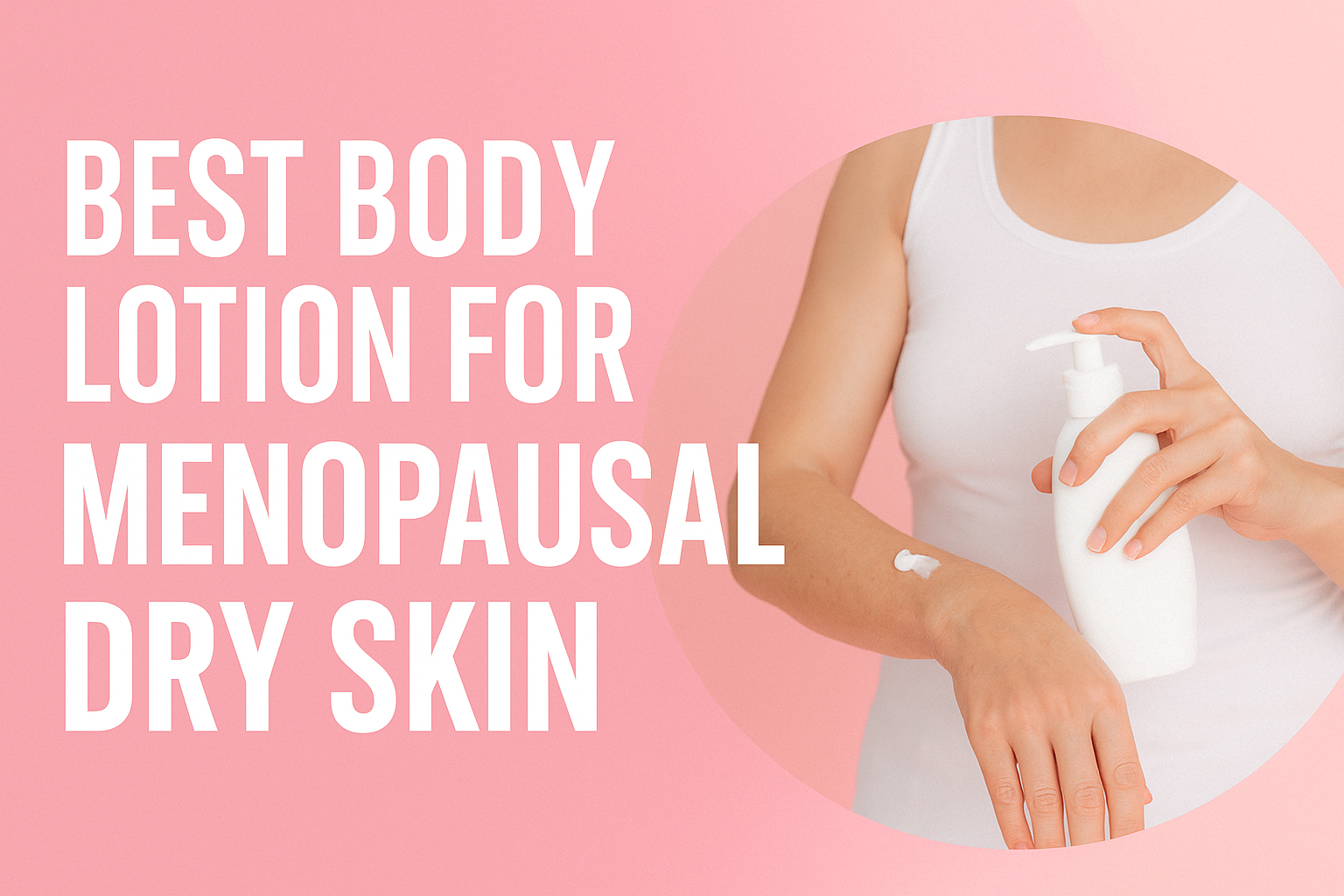
As women transition through menopause, their bodies undergo a whirlwind of hormonal changes. One of the most noticeable and uncomfortable changes is excessively dry skin. The natural moisture barrier weakens, and the skin loses its ability to retain hydration. This results in rough patches, flaking, itchiness, and even sensitivity. Choosing the best body lotion for menopausal dry skin becomes essential not only for comfort but also for overall skin health.
In this blog, we will explore:
Why skin becomes dry during menopause
What to look for in a body lotion
Top recommended body lotions
Natural remedies and skincare tips.
Why Does Skin Become Dry During Menopause?
Menopause typically begins between ages 45 and 55. During this phase, the levels of estrogen — the hormone responsible for maintaining skin thickness, moisture, and elasticity — start to drop. This leads to:
Decreased oil production
Reduced collagen synthesis
Weakening of the skin’s protective barrier
Higher risk of itching and irritation
This hormonal shift is the main culprit behind dry and aging skin. Hence, skincare during menopause requires special attention and hydration.
Key Ingredients to Look for in Body Lotions for Menopausal Skin
When selecting a body lotion, menopausal women should look for deeply moisturizing, healing, and barrier-restoring ingredients. Some of the best ones include:
1. Hyaluronic Acid
Retains water and deeply hydrates
Boosts skin plumpness and elasticity
2. Ceramides
Restore the skin barrier
Prevent trans-epidermal water loss (TEWL)
3. Shea Butter / Cocoa Butter
Rich emollients that soothe and nourish dry, cracked skin
Provide long-lasting moisture
4. Glycerin
Attracts moisture to the skin
Keeps skin soft and supple
5. Niacinamide (Vitamin B3)
Reduces inflammation and redness
Improves skin tone and strengthens the barrier
6. Vitamin E
Powerful antioxidant
Protects skin from oxidative stress and supports skin repair.
Best Body Lotions for Menopausal Dry Skin (Dermatologist Recommended)
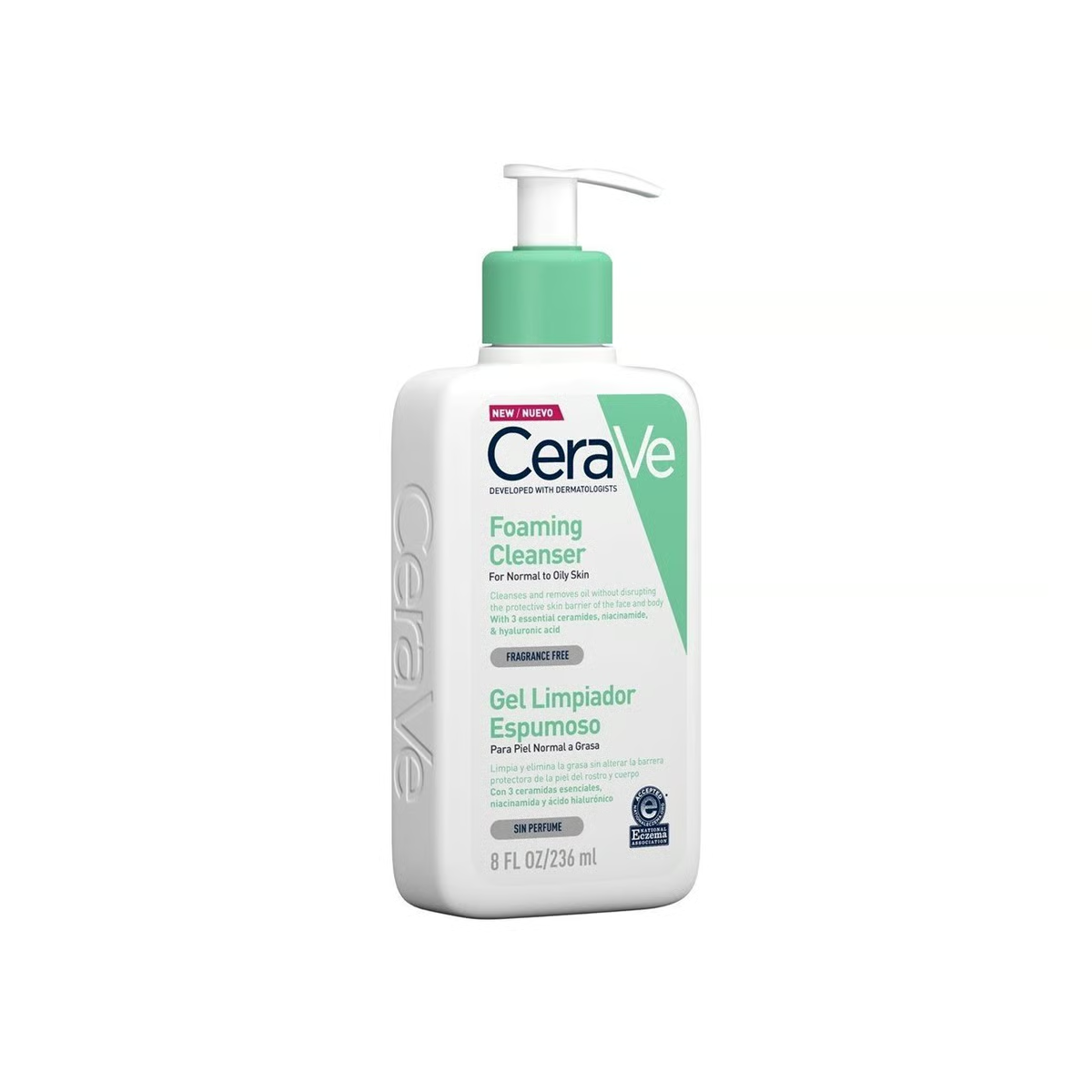
1. CeraVe Moisturizing Cream
Key Ingredients: Ceramides, Hyaluronic Acid
Benefits: Restores the skin’s protective barrier, long-lasting hydration
Benefits: Ideal for extra dry skin and mature skin
Why it’s good: Non-greasy and fast absorbing.
Natural Alternatives for Menopausal Dry Skin
If you prefer natural and herbal options, here are some home remedies:
1. Coconut Oil
Antibacterial and deeply moisturizing
Apply directly post-shower
2. Aloe Vera Gel
Soothes inflammation and hydrates
Use pure aloe vera for best results
3. Ghee (Clarified Butter)
Traditional Indian remedy for cracked and dry skin
Massage at night for soft skin
4. Almond Oil
Rich in Vitamin E and omega-3 fatty acids
Apply before bedtime for intense nourishment.
Skincare Routine Tips for Menopausal Women
1. Avoid Hot Showers
Hot water strips skin of its natural oils. Use lukewarm water instead.
2. Moisturize Within 3 Minutes After Bath
Apply lotion immediately after bathing to lock in moisture.
3. Use a Gentle Cleanser
Avoid harsh soaps. Use hydrating body washes with glycerin or oats.
4. Stay Hydrated Internally
Drink at least 8-10 glasses of water daily.
5. Wear Cotton Clothes
Avoid synthetic fabric that irritates dry skin.
When to Consult a Dermatologist?
If your skin:
Becomes extremely dry, scaly, or cracked
Shows signs of eczema or rashes
Is not improving despite regular care
…it’s time to see a skin specialist. They might prescribe stronger emollients or barrier creams for faster relief.
Conclusion
Menopausal dry skin is a natural but manageable concern. With the right body lotion and a proper skincare routine, you can restore softness, elasticity, and glow to your skin. Whether you opt for dermatologist-approved lotions like CeraVe and Eucerin, or go the natural route with coconut oil and aloe vera, consistency is the key.
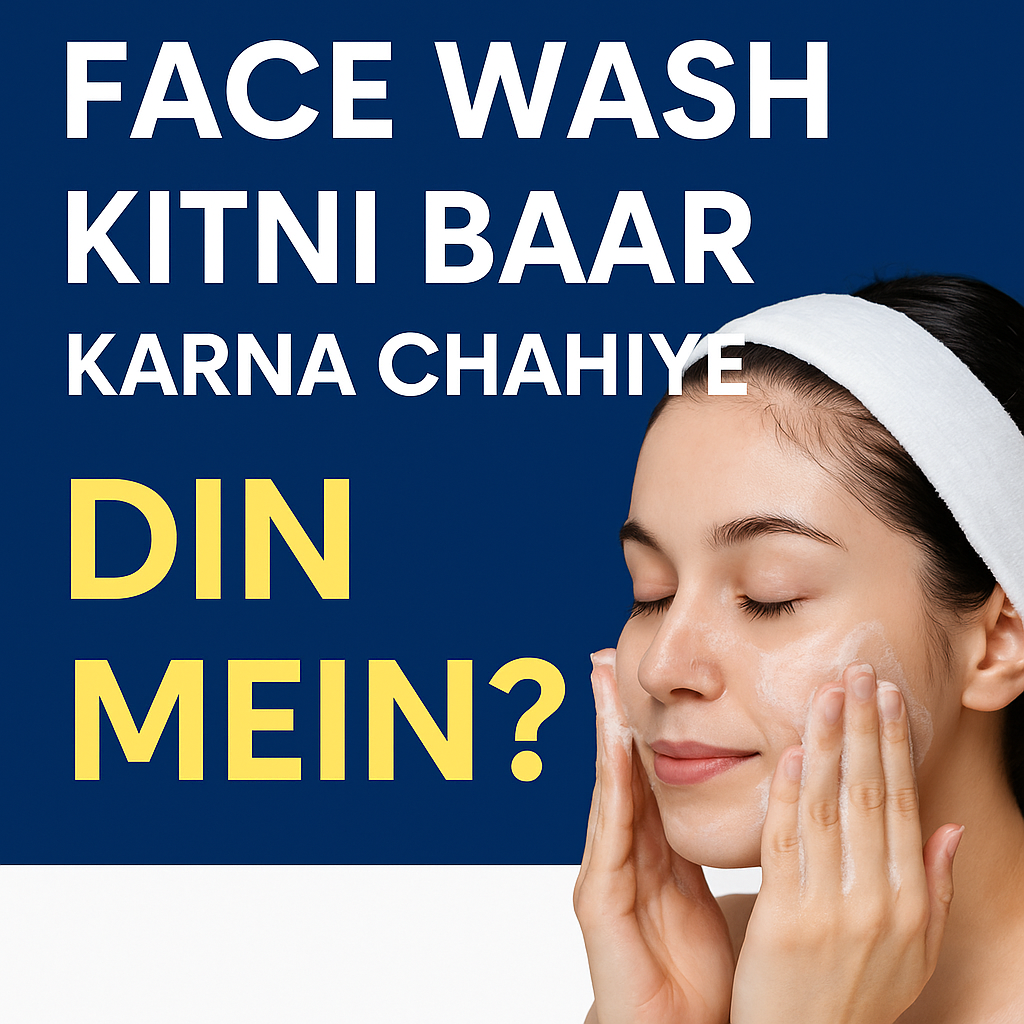
आजकल skincare routine में face wash सबसे पहला और जरूरी स्टेप है। लेकिन अक्सर लोग पूछते हैं –
“Face wash din mein kitni baar karna chahiye?”
Zyada baar karna skin ko नुकसान पहुंचा सकता है, और kam baar karna impurities को जमा होने देता है।
तो आइए समझते हैं, सही balance क्या है?
Oily Skin दिन में 2-3 बार Excess oil हटाना जरूरी है
Dry Skin दिन में 1-2 बार बार-बार करने से और ड्राय हो सकती है
Combination Skin 2 बार Balance maintain होता है
Sensitive Skin 1 बार या doctor की सलाह से जल्दी irritate हो सकती है
🕒 3. Kab Face Wash Karna Sabse Zaruri Hai?
सुबह उठते ही – रातभर का oil और bacteria हटाने के लिए
रात को सोने से पहले – दिनभर की गंदगी, makeup और pollutants हटाने के लिए
Workout के बाद – पसीने और bacteria को हटाने के लिए
⚠️ 4. Zyada Face Wash Karne Se Kya Hota Hai?
> अगर आप दिन में 4-5 बार बार-बार face wash करते हैं तो…
स्किन की natural moisture खत्म हो जाती है
Sebum production बढ़ता है – जिससे pimples हो सकते हैं
स्किन dry और irritated हो सकती है
Premature aging ke chances बढ़ सकते हैं
💡 5. Face Wash Kaise Kare – सही तरीका
1. अपने स्किन टाइप के अनुसार face wash चुनें
2. गुनगुने पानी से चेहरा गीला करें
3. थोड़ी मात्रा में face wash लें और हल्के हाथों से 30-60 सेकंड तक massage करें
आज के समय में चेहरे की साफ-सफाई सबसे जरूरी स्किनकेयर स्टेप्स में से एक है। अगर आप रोजाना बाहर निकलते हैं, धूल-मिट्टी और प्रदूषण का सामना करते हैं, तो एक अच्छा face wash आपकी स्किन को fresh और healthy बनाए रखने में मदद करता है।
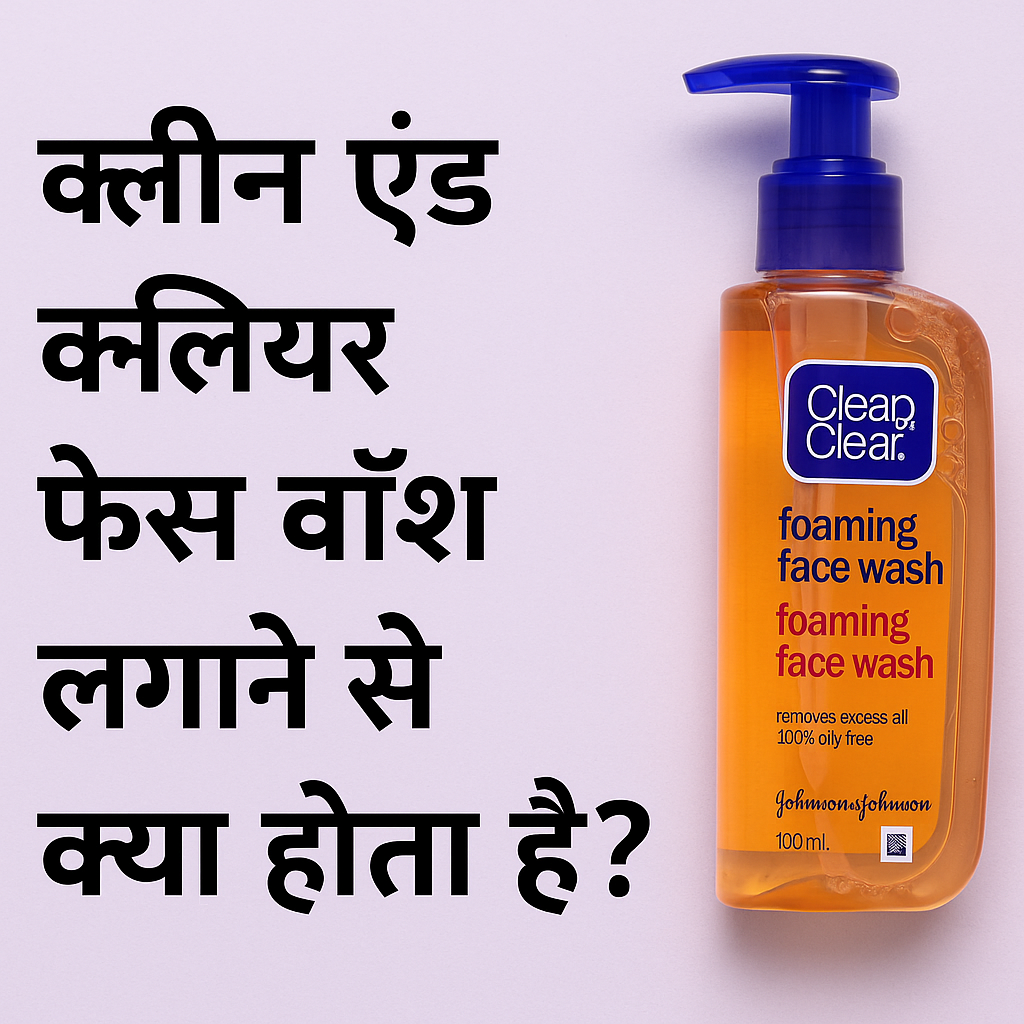
Clean & Clear face wash खासकर oily और acne-prone स्किन के लिए बना है। पर सवाल ये है – इसे लगाने से होता क्या है? चलिए विस्तार से जानते हैं।
🌟 1. Face Wash Lagane Se Kya Hota Hai?
✅ स्किन से गंदगी और तेल हटता है
Clean & Clear face wash स्किन की गहराई से सफाई करता है। यह चेहरे पर जमे excess oil, pollution particles, और bacteria को हटाता है।
✅ पिंपल्स को रोकता है
इस face wash में salicylic acid होता है जो पिंपल्स और ब्लैकहेड्स को बनने से रोकता है। ये स्किन पोर्स को unclog करता है।
✅ स्किन को ताजगी देता है
इसे लगाने के बाद स्किन हल्की ठंडी और फ्रेश महसूस होती है, क्योंकि इसमें एक light cooling effect होता है।
✅ स्किन को ड्राय नहीं करता
Clean & Clear का foaming formula ऐसा design किया गया है कि ये स्किन को dry नहीं करता, जबकि oil और dirt को हटा देता है।
जरूरत से ज्यादा इस्तेमाल करने पर स्किन ड्राय या Irritate हो सकती है
Eye area से बचकर लगाएं
अगर खुजली या जलन हो तो use करना बंद करें
🤔 6. क्या ये सच में काम करता है?
हां, Clean & Clear face wash रोजमर्रा की स्किन के लिए एक effective product है, खासकर किशोरों और युवाओं के लिए। हालांकि, हर स्किन अलग होती है, इसलिए personal skin reaction को observe करना जरूरी है।
📌 निष्कर्ष (Conclusion)
अगर आपकी स्किन oily है, बार-बार पिंपल्स होते हैं, या आप एक basic daily face wash ढूंढ रहे हैं, तो Clean & Clear face wash एक trusted option है।
इसे regular use करें, साथ ही balanced diet और hydration का ध्यान भी रखें।
Discover the correct way to use body scrub for glowing, soft, and healthy skin. In this blog, we break down step-by-step how to apply scrub on your body the right way—starting from cleansing to moisturizing post-scrub. Learn the benefits of exfoliation, how often to use a body scrub based on your skin type, and which natural ingredients to look for. Whether you’re a beginner in skincare or already using body care products,
Why Body Scrub is a Must in Your Skincare Routine? Scrub on Body.
Scrub on Body, Your skin faces daily exposure to pollution, sweat, and dead cells. While a normal shower cleans the surface, a body scrub goes deeper. Using a body scrub once or twice a week helps exfoliate dead skin cells, improve blood circulation, and leave your skin smooth, soft, and radiant.
What is a Body Scrub? Scrub on Body.
A body scrub is a physical exfoliant made with ingredients like sugar, salt, coffee, or walnut shell powder, often blended with nourishing oils. It removes dead skin cells and unclogs pores, allowing your skin to breathe better.Scrub on Body.
🟢 Step-by-Step Guide: How to Use Scrub on Body
Follow these simple steps for maximum results and zero side effects:
✅ Step 1: Cleanse Your Skin First
Take a warm shower before scrubbing. This helps open up your pores and softens dead skin cells for easy removal.
> Pro Tip: Avoid using a scrub on dry skin. Damp skin helps the product spread better.
✅ Step 2: Apply a Small Amount of Scrub
Take a coin-sized amount of the scrub in your palm. Start with one body part at a time – arms, legs, back, etc.
✅ Step 3: Massage in Circular Motions
Gently rub the scrub in circular motions using your fingertips or a loofah for 2–3 minutes per area. Avoid harsh pressure to prevent skin damage.
> Target Zones: Elbows, knees, ankles – areas prone to roughness.
✅ Step 4: Rinse Thoroughly with Lukewarm Water
Rinse the scrub off completely. Do not use soap right after scrubbing – it may strip away the natural oils.
✅ Step 5: Moisturize Immediately
Apply a rich body lotion or moisturizer after patting your skin dry. Scrubbing can make your skin slightly sensitive, so moisturizing seals the hydration.
🔵 How Often Should You Use Body Scrub?
Normal to oily skin: 2–3 times a week
Dry or sensitive skin: Once a week
Summer time: Increase frequency slightly due to more sweat and dead skin
Winter: Less frequent, but follow up with heavy moisturization
🔴 Benefits of Using a Body Scrub Regularly
✅ Removes dead skin cells
✅ Unclogs pores
✅ Improves skin texture
✅ Reduces ingrown hair
✅ Boosts blood circulation
✅ Helps tanning products apply more evenly
⚠️ Precautions While Using Body Scrub
❌ Never use body scrub on broken or sunburnt skin
❌ Don’t use facial scrubs on your body – they are milder
❌ Avoid daily usage – can cause skin thinning
✅ Always patch test new products on a small area
🌿 Natural Ingredients to Look for in a Good Scrub
Brown sugar – gentle exfoliator
Coffee – improves blood flow
Sea salt – detoxifies skin
Apricot kernel – deep exfoliation
Aloe vera – soothes and heals
✅ Conclusion
Body scrub is more than just skincare – it’s a self-care ritual. When done right, it can give you baby-soft skin, boost confidence, and leave you feeling fresh all day. Make sure to pick the right product and use it consistently, but gently.
> 🌟 “Healthy skin isn’t a trend – it’s a lifestyle.”
Best Serum for Pigmentation: Uses, Benefits, and Comprehensive Guide (2025)
Best serum for Pigmentation concerns, such as dark spots, melasma, and uneven skin tone, are a significant dermatological challenge across the globe. In traditional skincare regimens and modern formulations alike, serums have emerged as a core component for targeted treatment. This blog provides a detailed corporate analysis of pigmentation serums, their uses, benefits, and why they are an indispensable tool in contemporary skincare protocols.
Table of Contents Best serum for pigmentation 2025
1. What is Pigmentation?
2. Why Do Pigmentation Issues Occur?
3. What Makes Serums Ideal for Pigmentation?
4. Best Ingredients to Look For
5. Recommended Serums for Pigmentation
6. Step-by-Step Application Protocol
7. Benefits of Using Pigmentation Serums
8. Precautions and Regulatory Considerations
9. Conclusion
1. What is Pigmentation?
Best serum for pigmentation, In dermatological parlance, pigmentation refers to the coloring of the skin. The skin’s natural color is determined by melanin, a complex polymer derived from the amino acid tyrosine. Overproduction or irregular distribution of melanin can lead to:
Hyperpigmentation (dark patches)
Melasma
Lentigines (age spots)
Post-inflammatory hyperpigmentation (PIH)
This phenomenon not only affects aesthetic confidence but also signifies underlying cellular activity that requires consistent, targeted management.
2. Why Do Pigmentation Issues Occur?
Pigmentation irregularities are multifactorial in origin. The predominant causative factors include:
✅ Excessive UV Exposure: Sunlight stimulates melanocytes, leading to melanin overproduction.
✅ Hormonal Fluctuations: Common in pregnancy (chloasma) or with contraceptive usage.
✅ Post-Inflammatory Responses: Acne, eczema, or injuries can trigger dark spots.
✅ Aging: Cellular turnover declines, resulting in persistent discoloration.
Traditionally, natural remedies like turmeric and licorice were used in India, but evidence-based cosmeceuticals have now set new industry benchmarks.
3. What Makes Serums Ideal for Pigmentation?
Serums are lightweight, highly concentrated formulations engineered to penetrate deeper skin layers. They typically feature micro-molecular delivery systems, ensuring maximum bioavailability of active compounds.
Core Advantages:
Fast absorption
High potency actives
Low risk of comedogenicity
Compatibility with other skincare protocols
4. Best Ingredients to Look For
When evaluating serums for pigmentation, consider formulations validated through dermatological research. Key actives include:
Vitamin C (Ascorbic Acid): A potent antioxidant inhibiting tyrosinase activity.
Niacinamide (Vitamin B3): Reduces melanin transfer to keratinocytes.
Alpha Arbutin: A biosynthetic derivative of hydroquinone, providing brightening without irritation.
Kojic Acid: Naturally derived from fungi, it interrupts melanin production.
Licorice Extract: Contains glabridin, which reduces hyperpigmentation.
Tranexamic Acid: Used for melasma management.
Retinol: Accelerates cellular turnover to fade dark spots.
Azelaic Acid: Effective for post-inflammatory hyperpigmentation.
5. Recommended Serums for Pigmentation
Here is a curated list of globally acclaimed pigmentation serums. These products integrate traditional knowledge with modern clinical standards:
✅ SkinCeuticals C E Ferulic Serum:
A clinical-grade Vitamin C serum renowned for reducing discoloration and oxidative stress.
✅ The Ordinary Alpha Arbutin 2% + HA:
An affordable yet effective serum combining alpha arbutin with hyaluronic acid for hydration and brightening.
✅ La Roche-Posay Mela-D Pigment Control Serum:
Formulated with glycolic acid, kojic acid, and micro-exfoliators.
✅ Murad Rapid Age Spot and Pigment Lightening Serum:
Contains hydroquinone (2%) for regulated skin lightening.
✅ Minimalist 10% Niacinamide Serum (India):
A homegrown solution combining niacinamide and zinc to target melanin production and improve skin barrier function.
6. Step-by-Step Application Protocol
A structured regimen maximizes the efficacy of serums:
1. Cleanse: Use a gentle, pH-balanced cleanser.
2. Tone: (Optional) Apply alcohol-free toner to prep skin.
3. Dispense: 2–3 drops of serum onto the palm.
4. Apply: Gently press serum onto face and neck.
5. Wait: Allow 60–90 seconds for absorption.
6. Moisturize: Seal in actives with a nourishing moisturizer.
7. Sun Protection: Apply broad-spectrum SPF 30+ sunscreen during the day without fail.
7. Benefits of Using Pigmentation Serums
In alignment with the cosmetic industry’s commitment to transformative skincare, pigmentation serums offer:
🌿 Targeted Action: Direct intervention at the melanogenesis pathway.
🌿 Visible Results: Reduction in dark spots within 4–8 weeks (clinical studies show up to 70% improvement).
🌿 Skin Barrier Support: Enhanced hydration and resilience.
🌿 Regulatory Safety: Most formulations comply with international safety standards, ensuring minimal irritation.
🌿 Compatibility: Can be integrated into existing skincare protocols seamlessly.
8. Precautions and Regulatory Considerations
While serums are generally safe, certain corporate compliance protocols and precautions are recommended:
🔹 Patch Test: Always conduct a 24-hour patch test to mitigate adverse reactions.
🔹 Sun Protection: Ingredients like retinol and glycolic acid increase photosensitivity. Sunscreen is non-negotiable.
🔹 Consultation: Pregnant or lactating individuals should consult a dermatologist before initiating actives.
🔹 Avoid Mixing: Avoid combining strong acids and retinoids unless specifically guided.
9. Conclusion
Pigmentation serums epitomize the synergy between traditional principles and cutting-edge dermatological science. They offer targeted, result-driven solutions to pigmentation concerns that were once challenging to manage with conventional creams alone.
For professionals and consumers alike, incorporating a high-quality serum with clinically validated actives can elevate skin health to its optimum potential. Always remember—consistency, correct usage protocols, and an informed selection of products are critical success factors in achieving an even-toned, luminous complexion.