Top10 Benefits of Niacinamide Serum

Top10 Benefits of Niacinamide Serum

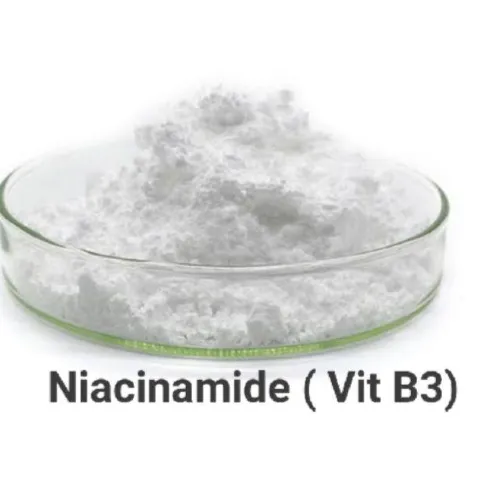
https://www.cetaphil.in/ Benefits of Niacinamide Serum Niacinamide is anti-inflammatory and antimicrobial, making it ideal for calming acne-prone skin. It reduces the production of sebum (oil), unclogs pores, and soothes redness—all without the harsh side effects of other acne treatments. Top 10 Benefits of Niacinamide Serum ,Niacinamide, also known as Vitamin B3, is a water-soluble vitamin that plays a vital role in maintaining healthy skin. It’s found naturally in some foods like eggs, cereals, and green veggies, but when applied topically—especially in serum form—it can deliver incredible skin benefits.

What is Niacinamide?

Niacinamide, also known as Vitamin B3, is a water-soluble vitamin that plays a vital role in maintaining healthy skin. It’s found naturally in some foods like eggs, cereals, and green veggies, but when applied topically—especially in serum form—it can deliver incredible skin benefits.

Niacinamide is gentle, versatile, and suitable for all skin types, making it a must-have for anyone building a skincare routine.
Top10 Benefits of Niacinamide Serum

Top 10 Benefits of Niacinamide Serum

1. Fights Acne and Breakouts

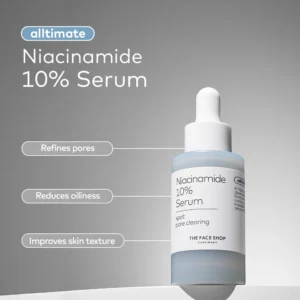
Niacinamide is anti-inflammatory and antimicrobial, making it ideal for calming acne-prone skin. It reduces the production of sebum (oil), unclogs pores, and soothes redness—all without the harsh side effects of other acne treatments. https://www.healthline.com

2. Minimizes Pores

One of the most loved effects of niacinamide is its ability to visibly shrink pores over time. By regulating oil production and improving skin elasticity, it helps tighten pores and refine your skin’s texture.

3. Brightens Dark Spots and Hyperpigmentation

Struggling with dark spots or uneven skin tone? Niacinamide inhibits melanin production, helping to fade hyperpigmentation, sunspots, and acne scars for a more even complexion.

4. Strengthens the Skin Barrier

Your skin’s natural barrier is like a shield against pollution, toxins, and moisture loss. Niacinamide boosts the production of ceramides, which help keep this barrier strong and healthy—especially useful for sensitive or damaged skin.

5. Reduces Fine Lines and Wrinkles

While not a replacement for retinol, niacinamide supports skin elasticity and stimulates collagen, reducing the appearance of fine lines and keeping your skin looking firm and youthful.

6. Controls Oil Production

Oily skin? Niacinamide helps balance sebum levels, giving your face a more matte look without stripping away essential moisture.

7. Soothes Redness and Inflammation

From rosacea to irritated skin, niacinamide’s anti-inflammatory properties can help calm redness, making it perfect for sensitive skin types.

8. Improves Overall Skin Texture

Regular use can result in smoother, softer skin. Say goodbye to rough patches and hello to a silky-smooth finish.

9. Hydrates the Skin

Though it doesn’t replace hyaluronic acid, niacinamide supports moisture retention and enhances the effects of your moisturizer.

10. Pairs Well With Other Ingredients

Niacinamide plays well with others. You can safely combine it with retinol, hyaluronic acid, peptides, and even vitamin C (yes, despite old myths!).

Best Serum for Pigmentation 2025

How to Use Niacinamide Serum in Your Routine

Adding niacinamide to your skincare regimen is easy. Here’s a step-by-step guide:

🧴 When to Use

Use it twice daily—morning and night—for the best results.

🧼 Step-by-Step Application

  1. Cleanse your face thoroughly.

  2. Tone (optional) to prep the skin.

  3. Apply niacinamide serum—a few drops are enough.

  4. Moisturize to lock in hydration.

  5. Apply sunscreen in the morning (never skip it!).

When Will You See Results?

With consistent use, most people notice a difference in 2–4 weeks. Full benefits can take up to 8–12 weeks.

What Skin Types Should Use Niacinamide Serum?

The beauty of niacinamide is that it’s non-irritating and gentle, making it suitable for:

  • Oily Skin

  • Dry Skin

  • Sensitive Skin

  • Combination Skin

  • Acne-Prone Skin

  • Mature Skin

Basically, if you have skin—you can use niacinamide.

Common Myths About Niacinamide Serum

Myth: Niacinamide Can’t Be Used with Vitamin C

Old-school advice warned against combining niacinamide with vitamin C, but new research shows they can work beautifully together. Just give each product time to absorb or use one in the morning and the other at night.

Myth: It Works Overnight

Niacinamide isn’t magic—it’s science. It works gradually, so don’t give up if you don’t see instant results.


Choosing the Right Niacinamide Serum

Here’s what to look for:

  • Concentration: Start with 5% if you’re new. 10% is ideal for oily or acne-prone skin.

  • Formulation: Look for serums that pair niacinamide with zinc, hyaluronic acid, or panthenol for added benefits.

  • Reputable Brands: Choose products from trusted skincare brands and always do a patch test first.


Are There Any Side Effects?

Niacinamide is known for being very well tolerated, even by sensitive skin types. However, a small number of users may experience:

  • Temporary redness

  • Mild irritation if used with too many active ingredients

Tip: If you’re new, start with a lower concentration and gradually build up.


Final Thoughts: Is Niacinamide Worth the Hype?

Absolutely. Niacinamide serum isn’t just a passing trend—it’s backed by science and loved by dermatologists and skincare junkies worldwide. Whether you want clearer, brighter, or smoother skin, this multitasking vitamin is a powerful, affordable, and gentle way to elevate your skincare game.


🌟 Quick Recap

BenefitWhy It Matters
Fights AcneClears breakouts without drying
Minimizes PoresSmooth, refined skin
Brightens SkinFades dark spots and dullness
Strengthens BarrierLocks in moisture and protects
Reduces WrinklesSupports collagen production

🔥 Ready to Glow?

If you haven’t added niacinamide to your skincare routine yet, now’s the perfect time. Your future glowing skin will thank you!

🔍 Frequently Asked Questions About Niacinamide Serum (FAQ)

Q1: Can I use niacinamide serum every day?

Yes, niacinamide is safe for daily use. In fact, for best results, you can use it twice a day—in the morning and at night—after cleansing and before moisturizing.


Q2: Is niacinamide good for oily or acne-prone skin?

Absolutely! Niacinamide helps control oil production, minimize pores, and fight inflammation, making it one of the best ingredients for oily and acne-prone skin.


Q3: Can niacinamide serum cause purging or breakouts?

Niacinamide is non-comedogenic and usually doesn’t cause purging. However, if your skin is reacting, it might be due to overuse or mixing with strong actives like AHAs/BHAs. Start with a low concentration like 5%.


Q4: Can I use niacinamide with vitamin C?

Yes! While older research suggested otherwise, newer studies show that niacinamide and vitamin C can be used together safely and effectively. Use them at different times of day or layer with a gap of a few minutes.


Q5: How long does it take to see results from niacinamide serum?

You may start to notice small changes in 2–4 weeks, but full results like reduced pigmentation, smoother skin, and fewer breakouts usually appear in 8–12 weeks with consistent use.


Q6: Is niacinamide safe for sensitive skin?

Yes, niacinamide is one of the most gentle active ingredients in skincare. It helps strengthen the skin barrier and reduce redness, making it great for sensitive and reactive skin.


Q7: What should I not mix with niacinamide?

Niacinamide works well with most ingredients. However, be cautious when combining it with:

  • Strong acids (like glycolic acid, salicylic acid) — it may reduce effectiveness or cause irritation in some.

  • Too many active ingredients at once — always introduce one product at a time.


Q8: What concentration of niacinamide is best?

  • 5% is ideal for beginners and sensitive skin.

  • 10% is more effective for oil control and acne.

  • Higher concentrations (>10%) are available but may cause irritation for some users.


Q9: Can pregnant or breastfeeding women use niacinamide?

Yes, niacinamide is generally considered safe during pregnancy and breastfeeding, but it’s always a good idea to consult your doctor before starting any new skincare ingredient.


Q10: Should I use niacinamide serum before or after moisturizer?

Use niacinamide serum before your moisturizer. Apply it to clean, dry skin for better absorption, then follow up with a moisturizer to lock in hydration.


 

What is Raw Water? (रॉ वॉटर क्या है?)

What is raw water

Raw Water in Cosmetic Industry: असली सच जो कोई नहीं बताता!

🚨 क्या आप जानते हैं, आपकी स्किन क्रीम और फेसवॉश में इस्तेमाल होने वाला “पानी” भी आपकी स्किन बिगाड़ सकता है? जी हाँ! Welcome to the world of Raw Water – The Hidden Backbone of Cosmetics!

What is raw water

🧪 Raw Water क्या होता है?

Raw Water का मतलब है – वह पानी जो बिना किसी ट्रीटमेंट के सीधे नेचुरल सोर्स से लिया जाता है।
ये पानी नदियों, झीलों, बोरवेल, ट्यूबवेल या वर्षा जल संग्रह (rain harvesting) से आता है। इसमें निम्न चीज़ें पाई जा सकती हैं:

धूल-मिट्टी (Suspended solids)

बैक्टीरिया, वायरस

मिनरल्स (Hardness, calcium, magnesium)

ऑर्गेनिक मटेरियल (leaves, algae etc.)


इस पानी को सीधे cosmetic products में use करना खतरनाक हो सकता है।


What is raw water

⚙️ Raw Water से Purified Water तक का सफर:

Raw Water → Sand Filter → Carbon Filter → RO System → UV Sterilizer → Purified Water

✅ इस प्रोसेस के बिना कोई भी cosmetic product GMP certified नहीं बन सकता।


🚿 Raw Water के बिना Cosmetic Manufacturing रुक जाती है!

Imagine करो:
आपका प्लांट चल रहा है, सारे raw materials ready हैं – BUT suddenly RO plant बंद हो जाए क्योंकि raw water की supply contaminate हो गई।

📉 Result:

Production बंद

Batch rejection

Quality Failure

Customer Complaints

Regulatory penalty

Isliye, raw water ही है backbone of cosmetic production.

🚿 Raw Water के बिना Cosmetic Manufacturing रुक जाती है!

Imagine करो:
आपका प्लांट चल रहा है, सारे raw materials ready हैं – BUT suddenly RO plant बंद हो जाए क्योंकि raw water की supply contaminate हो गई।

📉 Result:

Production बंद

Batch rejection

Quality Failure

Customer Complaints

Regulatory penalty

Isliye, raw water ही है backbone of cosmetic production.

🧠 Raw Water क्यों Important है?

कारण विवरण

1️⃣ Cost-effective बिना raw water के RO system नहीं चलेगा – और purified water बनाना costly हो जाएगा
2️⃣ Quality input अच्छा raw water → कम load on filters → High quality RO water
3️⃣ Compliance BIS और ISO standards में raw water testing mandatory है
4️⃣ Microbial safety Proper raw water treatment = bacterial free final product
5️⃣ Machine health Soft raw water extends life of RO membranes and storage tanks

❌ अगर Raw Water सही न हो तो क्या नुकसान?

RO plant की frequent membrane choking

Final product में contamination

Skin irritation complaints from customers

Audit failure during ISO / WHO / FDA inspections

Heavy maintenance cost of water plant


🧬 BIS और ISO में Raw Water की क्या गाइडलाइन है?

> “Raw water must be analyzed for microbial count, TDS, hardness, pH, and other physical parameters before it is fed to water purification systems.”
— BIS 4707, Schedule Q (for cosmetics)


Parameters to Check:

Test Acceptable Range

TDS < 500 ppm
Hardness < 300 ppm
pH 6.5 to 8.5
Turbidity < 5 NTU
Microbial Load NMT 10⁴ CFU/ml (pre-treatment)

🧪 Raw Water Testing के लिए कौन से Equipments ज़रूरी हैं?

1. TDS Meter


2. pH Meter


3. Turbidity Meter


4. Bacteriological Kit


5. Water Hardness Test Kit


🏭 Cosmetic Plant में Raw Water का Typical Layout:

Raw Water Tank

Multimedia Sand Filter

Activated Carbon Filter

Softener (optional)

Micron Filter (5µm)

RO Membrane

UV Sterilizer

Purified Water Tank (SS316L)

👉 इस layout के बिना कोई भी cosmetics brand long term survive नहीं कर सकता।


💡 Pro Tip: Always keep buffer storage of raw water

Production रुकने से बचाने के लिए minimum 1–2 days का raw water stock हमेशा होना चाहिए।


🔚 निष्कर्ष: Raw Water = Hidden Hero of Cosmetics!

आप जिस फेसवॉश या सीरम को लगाते हैं – उसमें जितनी importance fragrance और actives की होती है, उतनी ही अहमियत उस पानी की होती है जिससे वो बना है।

और वो journey शुरू होती है Raw Water से।

> Raw water सिर्फ पानी नहीं है, यह cosmetic success की पहली ईंट है।
Next time जब आप कोई cosmetic product खरीदें, तो याद रखिए – साफ़ पानी से शुरू होती है हर खूबसूरती की कहानी।

Best Hair Growth Serum for Women in 2025

Best Hair Growth Serum for Women in 2025 – बालों के लिए सबसे असरदार सीरम कौन सा है?

2025 में महिलाओं के लिए सबसे अच्छा हेयर ग्रोथ सीरम कौन सा है? जानिए टॉप 7 हेयर सीरम जिनसे बालों को मिले मज़बूती, ग्रोथ और चमक

Introduction – Kya Hair Serum सच में काम करता है?

आज की भागदौड़ भरी जिंदगी में महिलाओं को सबसे ज्यादा जिस प्रॉब्लम का सामना करना पड़ता है, वो है hair fall, thin hair और damaged scalp. ऐसे में hair growth serum एक गेमचेंजर साबित हो रहा है – खासकर जब वो Clinically proven actives जैसे Redensyl, Capixyl, Procapil और Biotin से बना हो।

इस ब्लॉग में हम बात करेंगे – 2025 के 7 सबसे अच्छे Hair Growth Serums for Women, जिनका इस्तेमाल आप daily routine में शामिल कर सकती हैं।

YouTube ने बदल दिए हैं नियम! 15 जुलाई 2025 से

🏆 Top 7 Hair Growth Serums for Women (2025 Edition)

1. 🧪 Minimalist Hair Growth Actives 18% Serum

Main Ingredients: Capixyl™, Redensyl®, Procapil®

Highlights: Lightweight, No Paraben/SLS, Fragrance-free

Use For: Postpartum hair loss, thinning, slow growth
🔗 [Read: Redensyl kya hota hai aur ye hair ke liye kaise kaam karta hai?]

2. 💧 The Ordinary Multi-Peptide Serum for Hair Density

Main Ingredients: Peptides, Caffeine, Biotin

Highlights: Global bestseller, budget-friendly

Best For: Overall density improvement, visible thickness

3. 👩‍🔬 L’Oréal Paris Serioxyl Denser Hair Serum

Main Ingredients: Stemoxydine, Resveratrol

Highlights: Dermat-tested, scientifically backed

Best For: Weak follicles, dull hair.

4. 🌿 Mamaearth Onion Hair Serum for Hair Growth

Main Ingredients: Onion Extract, Biotin, Panthenol

Highlights: Toxin-free, suits sensitive scalp

Best For: Natural approach to hair regrowth

🔗 [Read: Onion extract ke 5 fayde hair care mein]

5. 🌱 Satthwa Hair Growth Serum with Redensyl

Main Ingredients: Redensyl, Anagain, Biotin

Highlights: Herbal + Scientific formula

Best For: Ayurvedic lovers with modern results

6. 🧘‍♀️ Indulekha Bringha Hair Serum

Main Ingredients: Bringhraj, Amla, Aloe Vera

Highlights: Ayurvedic remedy, cold-pressed oils

Best For: Traditional chemical-free solution seekers

7. 💎 Kérastase Initialiste Scalp & Hair Serum

Main Ingredients: Plant Stem Cells, Ceramides

Highlights: Salon-grade serum, premium feel

Best For: Colored, damaged, and frizzy hair.

📊 Buying Guide: Serum Choose Karne Se Pehle Dhyan De

🔍 Factor 🧴 Why Important?

Ingredients Redensyl, Biotin, Peptides – clinically proven
Texture Lightweight, non-greasy formula best works
Scalp Safety No sulfates, parabens, synthetic fragrances
Brand Research Dermat-tested, proven reviews wale products.

🌟 Expert Tip:

“Redensyl + Derma Roller” ka combo use karo, hafteme 2-3 baar, for best absorption aur fast growth!

🎯 Conclusion:

आज के समय में सही हेयर सीरम का चुनाव ही बालों की सेहत को वापस लाने का सबसे बढ़िया तरीका है। अगर आप सोच रही हैं कि कौन-सा Hair Growth Serum आपके लिए perfect रहेगा, तो इस लिस्ट से आप confidently choose कर सकती हैं।


YouTube ने बदल दिए हैं नियम! 15 जुलाई 2025 से

🚨 YouTube ने बदल दिए हैं नियम! 15 जुलाई 2025 से Monetization की दुनिया में भूचाल – जानिए क्या बदलने वाला है!

क्या आप भी YouTube से पैसे कमाना चाहते हैं या एक creator हैं जो AI, slideshow या faceless वीडियो बनाते हैं?
तो अब सावधान हो जाइए! क्योंकि 15 जुलाई 2025 से YouTube की नई monetization policy लागू हो रही है – और ये बदलाव आपके चैनल की कमाई को सीधा प्रभावित कर सकते हैं।

🧠 YouTube का Mission क्या है?

YouTube का मानना है कि अब बहुत सारा content mass-produced, repetitive और low-quality हो गया है।
इसलिए platform अब चाहता है कि creator original, valuable और human-touch वाले वीडियो बनाएं – ताकि viewer को बेहतर अनुभव मिल सके। https://cosmeticgyaan.com/

🧾 क्या है 15 जुलाई 2025 के बाद YouTube की नई Policy?

🔴 1. Repetitive Content नहीं चलेगा!

बिना commentary वाले reels, compilation या repeated templates को monetization से हटाया जा सकता है।

“Copy-paste” type videos जो बस editing करके repost किए जाते हैं – demonetize हो सकते हैं।

⚠️ 2. AI-Generated या Faceless Videos पर सख्ती

AI tools से बने videos (जैसे robotic voiceovers, chatGPT scripts, या text-to-video tools) अगर original input या voiceover नहीं है – तो ऐसे कंटेंट पर अब ads नहीं मिलेंगे।

🧪 3. No More Slideshows Without Voice!

सिर्फ photos और background music वाले slideshow videos अब monetize नहीं होंगे।

ऐसे content को YouTube अब “mass produced” मानता है।

📉 क्या हो सकता है नुकसान?

Low-effort creators का channel demonetize हो सकता है

Ad revenue 60-80% तक गिर सकता है

YPP (YouTube Partner Program) में entry reject हो सकती है

Existing monetized channels का review हो सकता है और demonetize किया जा सकता है

🔄 क्या करें बचाव के लिए?

✅ Original Commentary डालें
✅ AI के साथ human creativity मिलाएं
✅ सिर्फ video template या slideshow न बनाएं
✅ अपने वीडियो को “transformative” बनाएं – यानी कोई नया value add करें
✅ खुद की voice, face या expertise जरूर शामिल करें  https://cosmeticgyaan.com/

📊 उदाहरण से समझें:

Format Old Status New Status (15 जुलाई के बाद)

Slideshow with no voice Monetized ❌ Demonitized
AI-generated script with robotic voice Monetized ❌ Demonitized
Facecam with voice & opinion Monetized ✅ Safe
Reaction video without commentary Monetized ❌ Risk
Explainer video with real voice Monetized ✅ Safe

https://cosmeticgyaan.com/

📢 YouTube की ये बातें खास ध्यान में रखें:

Faceless allowed है, लेकिन voiceover, input और editing आपकी होनी चाहिए

AI only video = Not allowed, लेकिन AI + human creativity = Safe

Repetitive content = High Risk, खासकर जो value नहीं देता

🧭 निष्कर्ष: अब YouTube है “Quality First” की राह पर

YouTube अब साफ कह रहा है – पैसे उन्हीं को मिलेंगे जो सच में मेहनत करेंगे!
अगर आप अपने content में originality, research, voiceover और personal touch लाते हैं – तो ये बदलाव आपके लिए कोई खतरा नहीं हैं। लेकिन अगर आप सिर्फ auto-generated या copy-paste videos से चैनल चला रहे हैं, तो अब समय आ गया है format बदलने का।

https://cosmeticgyaan.com/


🔥 “Massive Bharat Bandh TOMORROW 09 july 2025

“Massive Bharat Bandh TOMORROW: 25 Crore Workers to Bring India to a Standstill!”

1. What Is Actually Happening on July 9, 2025?

On Wednesday, July 9, 2025, a nationwide Bharat Bandh (general strike) is scheduled, organized by 10 major central trade unions allied with farmer and rural labor groups like the Samyukta Kisan Morcha. The call includes over 25 crore (250 million) formal and informal workers across sectors such as banking, mining, coal, transport, construction, postal services, power.

This is more than just a protest—it’s one of India’s largest labor mobilizations ever.

2. Why the Strike? 17‑Point Demand List & Anti‑Worker Policies

Unions say the strike is in response to:

  • Government ignoring a 17‑point charter of demands submitted to Labour Minister Mansukh Mandaviya last year

  • Objections to reforms perceived as weakening labor rights (like limiting collective bargaining and right to strike)

  • Accusations of pro‑corporate, anti‑worker, and anti‑farmer policies, particularly around privatization, outsourcing, MGNREGA cuts, insufficient jobs for youth, and inflation zeenews.india.com+11ndtv.com+11indianexpress.com+11.

They demand more employment, filling vacant posts, boosting MGNREGA, as well as urban job guarantees

3. Who’s Joining? Unions, Farmers, and Even Regional Leaders

Key participants include:

This isn’t confined to cities—it’s sweeping rural India too.

4. What Services Will Be Hit?

Expect major disruptions in:

SectorStatus
Banking & InsuranceDisruptions likely; public & cooperative banks expected to join strike livemint.com+2hindustantimes.com+2m.economictimes.com+2
Postal ServicesLikely closed due to union participation
Coal Mining & PowerMining operations and electricity potentially disrupted
Government Offices & PSUsMany to operate slow or remain shut
Public TransportState-run buses, railways, and metros may face delays or stoppages
Schools & CollegesExpected open—but local disruptions possible

Local roads near protest sites may be blocked. In West Bengal, government is preparing to counter protests; in Kerala, KSRTC buses seem to be exempt for now .

5. What Will Remain Open?

6. What Does It Mean for You?

  • 💸 Banking: Expect delays (cheque clears, remittances).

  • 🚗 Travel: Leave early, anticipate fewer public transport options.

  • 🏫 School/Work: Offices open, but avoid rush hours in cities.

  • 🔌 Essential Needs: Stock up on medicines and cash in advance.

  • 🔍 Stay Updated: Monitor local news and official advisories.

7. Trending Now: Will It Change Anything?

8. Historical Context: Why This Matters

This strike mirrors the November 26, 2020 general strike, also by 10 unions, which saw record participation (~25 crore) ndtv.com+11en.wikipedia.org+11timesofindia.indiatimes.com+11. However, that strike wasn’t a full Bandh day—services weren’t completely shut.

On July 9, this is positioned as a true “Bharat Bandh,” with expected voluntary shutdowns in major cities—though SC rulings say bandhs must be voluntary zeebiz.com+14en.wikipedia.org+14ndtv.com+14.

9. Click‑Worth Headlines to Watch Out For

  • “Over 25 Crore Workers Unite: Will July 9 Be India’s Largest Ever Bandh?”

  • “Banks Shut, Buses Halted—Your Survival Guide for July 9”

  • “Is India Turning Anti‑Corporate? Why This Strike Strikes at the Heart of the Economy”

  • “Left vs State: West Bengal’s Plan to Foil Bharat Bandh”

  • “From Farmers to Power Workers: How Broad Is This Protest Spiral?”

These themes are trending—with strong emotional resonance and wide appeal.

10. Final Word: Should You Care?

Absolutely. This isn’t just a labor protest—it hits many daily touchpoints:

  • Economic impact: Disrupted services could ripple into local businesses, payments, and travel.

  • Political symbolism: Collective action amid contentious labor reforms.

  • Public safety: Large gatherings, traffic reroutes, potential law enforcement presence.

If your world touches banks, transport, schools, factories, or electricity, prepare now.

✅ Your July 8‑9 Checklist

  1. Withdraw cash / pre‑heal to banking needs today.

  2. Plan travel early tomorrow, or reschedule.

  3. Keep emergency contacts ready (doctor, electrician, local admin).

  4. Stay tuned via WhatsApp/TV for live advisories, especially for weather or traffic.

  5. Tag friends/family—help everyone avoid surprises!

Final Thoughts: A Defining Day

July 9’s Bharat Bandh is more than another strike—it’s a national statement. Whether it affects only a few services or upends the day nationwide depends on execution. But the labor sentiment is loud, unified, and well‑organized. This is economic protest turned political spotlight.

Brace yourself for bank closures, travel delays, potential local disruptions—and maybe, a pivotal moment in India’s labor‑govt relationship.

Amazing Body Scrub के 10 सुपरहिट फायदे

💥सिर्फ स्क्रब नहीं! जानिए Body Scrub के 10 सुपरहिट फायदे जो आपकी स्किन को बना देंगे स्टार💥

आज के डिजिटल जमाने में हम सब स्मार्ट वर्क और सेल्फ-केयर का तालमेल ढूंढते हैं। लेकिन अक्सर स्किन के लिए सिर्फ फेस वॉश या बॉडी लोशन पर ही भरोसा कर बैठते हैं। दरअसल, आपकी बॉडी स्किन को भी उतनी ही गहराई से केयर की जरूरत होती है जितनी चेहरे को। यही वजह है कि Body Scrub को स्किन केयर रूटीन का सुपरहीरो प्रोडक्ट माना जाता है।

इस ब्लॉग में मैं आपको बताऊंगा ऐसे 10 मैजिकल फायदे, जो न सिर्फ आपकी स्किन को हेल्दी बनाएंगे बल्कि आपका आत्मविश्वास भी बढ़ा देंगे।

🌿 1️⃣ डेड स्किन सेल्स का सफाया – एक्सफोलिएशन का असली दम

हर दिन आपकी स्किन पर डेड सेल्स की लेयर जमा होती है। अगर इन्हें हटाया ना जाए, तो स्किन डल और बेजान दिखने लगती है।
Body Scrub माइक्रो-पार्टिकल्स के जरिए इन डेड सेल्स को बड़े ही सिस्टमैटिक तरीके से हटाता है। इससे स्किन पर नई कोशिकाओं (cells) का विकास तेज होता है।
रिजल्ट?
✨ इंस्टेंट स्मूद और ग्लोइंग स्किन।

🌿 2️⃣ ब्लड सर्कुलेशन में जबरदस्त सुधार

स्क्रबिंग के दौरान हल्की-फुल्की मसाज से स्किन की केपिलरीज़ में ब्लड फ्लो बढ़ जाता है। यह प्रोसेस टिश्यू रीजनरेशन में मदद करता है।
यह न केवल स्किन हेल्थ को रिवाइवल देता है बल्कि स्किन को नैचुरली फर्म और टाइट भी बनाता है।
यह एक प्रकार की माइक्रो-सर्कुलेशन थेरेपी है।


🌿 3️⃣ इनग्रोन हेयर को कहिए टाटा-बाय बाय

अगर आप रेगुलर शेविंग या वैक्सिंग करते हैं तो इनग्रोन हेयर होना कॉमन प्रॉब्लम है।
बॉडी स्क्रब बालों के रोमछिद्रों को खोलने का काम करता है जिससे हेयर ग्रोथ स्मूथ हो जाती है और इनग्रोन हेयर से छुटकारा मिलता है।

🌿 4️⃣ पिगमेंटेशन और डार्क स्पॉट्स में कमी

स्क्रब के एक्टिव इंग्रीडिएंट्स हाइपरपिगमेंटेशन की लेयर को हल्का करते हैं।
हफ्ते में दो बार रेगुलर स्क्रबिंग से स्किन की टोन इवन होती है और डार्क स्पॉट्स की अपियरेंस भी फेड होने लगती है।
यह स्किन की नैचुरल ब्राइटनेस रिस्टोर करता है।


🌿 5️⃣ स्ट्रेस रिलीफ – मिनी स्पा एक्सपीरियंस

स्क्रब करते वक्त स्किन पर जो सेंसुअल फ्रेगरेंस और ठंडक का एहसास होता है, वो स्ट्रेस को रिलीज करने में बहुत असरदार है।
यह वर्क-लाइफ इम्बैलेंस को थोड़ी देर के लिए ही सही, लेकिन दूर कर देता है।
रोज़मर्रा की थकान के बाद यह एक बॉडी एंड माइंड रीलैक्सेशन एक्टिविटी की तरह काम करता है।

🌿 6️⃣ स्किन टेक्सचर में सुधार

अगर आपकी स्किन खुरदुरी, डल या असमान हो, तो बॉडी स्क्रब उसका टेक्सचर सॉफ्ट और स्मूद बना देता है।
स्क्रब के माइक्रो-पार्टिकल्स स्किन की सर्फेस को कोमल बनाते हैं।
लगातार यूज़ से स्किन बेबी-सॉफ्ट फील होने लगती है।

🌿 7️⃣ बेहतर मॉइस्चर अब्जॉर्प्शन

स्क्रब करने से स्किन पर जमी डेड लेयर हट जाती है जिससे बाद में लगाया जाने वाला बॉडी लोशन या बटर डीपली अब्जॉर्ब हो पाता है।
यह स्किन को 24×7 हाइड्रेशन देने में सपोर्ट करता है।


🌿 8️⃣ सेलुलाइट की अपियरेंस कम करना

कई बॉडी स्क्रब में कैफीन जैसे एक्टिव एजेंट्स होते हैं जो स्किन को फर्म करने में मदद करते हैं।
रेगुलर मसाज से ब्लड सर्कुलेशन बढ़ता है जिससे सेलुलाइट का टेक्सचर स्मूद होता है।
यह स्किन को टाइट और टोंड लुक देता है।


🌿 9️⃣ नैचुरल ग्लो वापस लाना

स्क्रब से स्किन पर जमी गंदगी, डेड स्किन और ऑयल रिमूव हो जाता है।
नतीजा?
✨ नैचुरल, हेल्दी और यूथफुल ग्लो।


🌿 🔟 कॉन्फिडेंस में इजाफा

जब आपकी स्किन हेल्दी, क्लीन और फ्रेश दिखती है, तो आपका आत्मविश्वास अपने आप बढ़ जाता है। https://cosmeticgyaan.com/
यह फिजिकल ग्रूमिंग का पॉजिटिव साइकल शुरू करता है – जिससे आप हर मौके पर शाइन करते हैं।

🌿 Extra Corporate Tips – बॉडी स्क्रब का सही तरीका

✅ हफ्ते में दो बार स्क्रब करना बेस्ट रिजल्ट देगा।
✅ स्क्रबिंग हमेशा गीली स्किन पर हल्के हाथ से करें।
✅ बाद में अच्छे मॉइस्चराइज़र से स्किन को लॉक करें।
✅ बहुत ज्यादा रगड़ने से बचें – यह स्किन बैरियर डैमेज कर सकता है।

🌿 Traditional Meets Modern – क्यों बॉडी स्क्रब है आज की स्किन का सुपरहीरो?

हमारे पूर्वज प्राकृतिक चीजों से स्किन की केयर करते थे। आज की कॉर्पोरेट और फास्ट-फॉरवर्ड लाइफ में बॉडी स्क्रब ने वही नैचुरल प्रैक्टिस मॉडर्न टच के साथ रीइन्वेंट की है।
यह सिर्फ ब्यूटी प्रोडक्ट नहीं, बल्कि स्किन वेलनेस का इंटीग्रल हिस्सा है।

✨ Concluding Thought

बॉडी स्क्रब से रिलेशन बनाइए – और अपनी स्किन को वो अटेंशन दीजिए जिसकी वो हकदार है।
क्योंकि आज का दौर Personal Branding का है – और हेल्दी स्किन उसमें सबसे बड़ा USP बन सकती है।

अगर आपको यह आर्टिकल पसंद आया, तो इसे शेयर करें और अपनी कॉस्मेटिक जानकारी का दायरा बढ़ाएं।
स्किन को सिर्फ स्क्रब नहीं, एक सुपरहीरो ट्रीटमेंट दें!

https://cosmeticgyaan.com/

✍️ लेखक: Shiv Kumar – Assistant Manager (Cosmetic industries)

 

Quality Assurance in pharmaceutical industry Responsibilities

Quality Assurance Pharma 2025

Quality Assurance In the pharmaceutical industry, where human health and safety are top priorities
Quality Assurance (QA) plays a critical role in ensuring that medicines are safe, effective, and meet regulatory standards. QA is not just a department—it’s a philosophy and a systematic process that governs how pharmaceutical products are manufactured, tested, stored, and delivered.

This blog will provide a complete overview of the QA department in the pharmaceutical industry, including its roles, responsibilities, importance, and impact on regulatory compliance.


quality assurance

🔍 What is Quality Assurance (QA) in Pharma?

Quality Assurance in the pharmaceutical industry refers to a wide range of planned and systematic actions implemented within the quality system to ensure that a product meets the required quality standards.

Unlike Quality Control (QC)—which is about testing the final product—QA focuses on preventing errors throughout the manufacturing and development process by building quality into the system from the start.

🧩 Structure of QA Department

The QA department in a pharmaceutical company usually comprises several key subdivisions:

  • Documentation Team

  • Validation & Qualification Team

  • Auditing & Compliance Team

  • Training & SOP Monitoring

  • Change Control & Deviation Handling Team

Each of these plays a vital role in maintaining Good Manufacturing Practices (GMP) and other quality standards.

🎯 Key Responsibilities of the QA Department

1. Development and Management of SOPs

Standard Operating Procedures (SOPs) are critical in the pharma industry. QA ensures:

  • SOPs are written clearly and in compliance with regulations.

  • Regular review and version control of SOPs.

  • Training staff on relevant SOPs.

2. Batch Record Review

QA is responsible for reviewing:

  • Batch Manufacturing Records (BMRs)

  • Batch Packaging Records (BPRs)

This ensures that every batch of medicine is traceable and manufactured correctly.

3. Deviation Management

Whenever a process deviates from the defined SOPs or batch records, QA must:

  • Investigate the deviation.

  • Identify root causes.

  • Implement corrective and preventive actions (CAPA).

4. Change Control

If a change in equipment, materials, or processes is necessary, QA ensures:

  • Proper documentation and approval.

  • Risk assessment and validation before implementation.

5. Training Programs

QA conducts and tracks employee training to ensure that:

  • Staff is competent in GMP and job functions.

  • Training records are up to date.

6. Self-Inspections and Audits

QA plans and executes:

  • Internal audits

  • Supplier audits

  • Third-party inspections
    Findings are documented and followed up with CAPAs.

7. Validation and Qualification

QA is responsible for:

  • Process Validation

  • Equipment Qualification

  • Cleaning Validation
    These activities ensure consistent and reliable output.

8. Regulatory Compliance

QA ensures compliance with:

  • WHO-GMP

  • USFDA

  • MHRA

  • EMA

  • CDSCO
    QA prepares the company for inspections and maintains readiness for audits.

9. Quality Risk Management

QA assesses the risks associated with each process and implements control strategies to minimize them.

📜 Importance of QA in the Pharmaceutical Industry

  1. Patient Safety
    Medicines must be free from contamination and must contain the correct strength. QA ensures this through robust systems.

  2. Regulatory Compliance
    A strong QA system avoids legal issues and regulatory penalties.

  3. Market Authorization and Product Approval
    Drugs must meet stringent quality guidelines to be approved by global agencies. QA supports dossier preparation and technical files.

  4. Brand Reputation
    A poor-quality product can damage a company’s image. QA ensures consistent product quality.

  5. Cost Efficiency
    By preventing errors rather than correcting them later, QA saves time and money.

🏢 Common Roles in QA Department

RoleResponsibility
QA ExecutiveDaily document review, deviation handling
QA OfficerSOP preparation, batch record review
QA ManagerOverall supervision, audit readiness
QA AuditorConduct internal/external audits
Validation Engineer (QA)Oversee validation and qualification activities
AspectQA (Quality Assurance)QC (Quality Control)
FocusProcess-orientedProduct-oriented
ApproachPreventiveCorrective
ResponsibilityEntire production lifecycleFinal product testing
ActivitiesSOPs, audits, training, validationSampling, lab testing, reporting

📅 Day-to-Day Activities of QA Department

  • Morning review meetings

  • Cross-checking BMRs and BPRs

  • Monitoring cleanroom environment data

  • Validating new cleaning methods or processes

  • Preparing for audits

  • CAPA follow-up and documentation

  • Ensuring online documentation at every step

🌍 Global Standards QA Adheres To

  • ICH Guidelines

  • 21 CFR Part 11 (USFDA)

  • WHO GMP

  • PIC/S

  • EU GMP Annexures
    QA ensures the company’s systems align with international quality and safety standards.

🧠 Skills Required for QA Professionals

  • Attention to detail

  • Regulatory knowledge

  • Communication and documentation

  • Problem-solving ability

  • Audit preparedness

  • Strong understanding of manufacturing processes

📈 Challenges Faced by QA Teams

  • Keeping up with regulatory updates

  • Managing large volumes of documentation

  • Ensuring consistent training across departments

  • Root cause analysis for recurring deviations

  • Digital transformation and compliance with e-record systems

✅ Future of QA in Pharma

The future of QA is becoming more digitized and data-driven:

  • Use of AI for quality trend analysis

  • Digital QMS (Quality Management Systems)

  • Real-time batch record reviews

  • Focus on data integrity and cybersecurity

📌 Conclusion

The QA department is the backbone of the pharmaceutical industry, ensuring that every drug manufactured is safe, effective, and meets global standards. From managing SOPs to conducting audits and training employees, QA is deeply involved at every stage of drug development and manufacturing.

Pharmaceutical companies that invest in a robust QA system are more likely to build trust, avoid recalls, pass regulatory audits, and maintain a competitive edge in the global market.

Amazing Production Cosmetics Company

A "production cosmetics company" refers to a business that manufactures cosmetic products. These companies can be involved in various aspects of production, from formulating and manufacturing to packaging and distribution.

The Production Department in the Cosmetics :

In the contemporary cosmetics landscape, the Production Department is the nucleus that ensures conceptual formulations evolve into market-ready products. It acts as the strategic bridge between Research & Development, Quality Assurance, and Supply Chain Management.

This blog provides an end-to-end perspective on its traditional foundations, modern standard operating protocols, and future-ready strategies aligned with regulatory compliance and sustainable manufacturing.

📌 Table of Contents

1. Introduction


2. Core Objectives of the Production Department


3. Key Functions and Processes


4. Departmental Structure and Roles


5. Regulatory and GMP Compliance


6. Challenges in Cosmetic Production


7. Best Practices for Operational Excellence


8. Emerging Trends Shaping Production


9. Conclusion

1️⃣ Introduction

The Production Department is the backbone of any cosmetic manufacturing organization. While marketing defines the demand and R&D creates formulations, it is the production vertical that actualizes the product vision.

https://www.lifevisioncosmetics.com/Top-10-Cosmetic-Manufacturers-in-India

A robust production setup not only ensures consistent quality but also contributes significantly to cost optimization, brand reputation, and market agility.

2️⃣ Core Objectives of the Production Department

The department’s objectives can be formally articulated as follows:

✅ Efficient Manufacturing: Timely production of cosmetic products in alignment with demand forecasts and supply chain plans.

✅ Regulatory Compliance: Adherence to national and international quality standards, e.g., GMP (Good Manufacturing Practices), ISO standards, FDA guidelines, etc.

✅ Cost Management: Minimization of wastage, optimization of raw material utilization, and rationalization of overheads.

✅ Innovation Integration: Seamless incorporation of new formulations and process improvements into the production line.

✅ Sustainability: Adoption of eco-friendly and energy-efficient production methods to align with environmental regulations and CSR commitments.

https://cosmeticgyaan.com/

3️⃣ Key Functions and Processes

Below are the critical functions of the Production Department in a cosmetics company:

🔹 Batch Manufacturing:

Preparing bulk batches as per standardized Master Formulation Records.

Ensuring raw materials meet specifications before usage.

Maintaining batch manufacturing records for traceability.

🔹 Filling & Packaging:

Transferring bulk product into primary containers (tubes, bottles, jars).

Labeling, coding, and secondary packaging as per marketing and regulatory requirements.

🔹 Process Validation:

Verifying that equipment and procedures consistently deliver quality outputs.

Documenting cleaning validation, equipment qualification, and line clearance.

🔹 In-Process Quality Control:

Sampling during production to verify critical quality attributes (viscosity, pH, microbiological parameters).

🔹 Inventory Coordination:

Collaborating with the warehouse for timely material issuance and reconciliation.

4️⃣ Departmental Structure and Roles

A traditional Production Department structure typically includes:

🔸 Production Head/Manager: Overall accountability for production targets, GMP adherence, and team management.

🔸 Production Executives/Supervisors: Responsible for day-to-day operations, line clearance, process monitoring.

🔸 Machine Operators & Technicians: Operate mixers, filling lines, labeling machines, and other equipment.

https://cosmeticgyaan.com/

🔸 Documentation Staff: Maintain production records and batch documentation.

🔸 Maintenance Support: Ensure all production equipment is operational and calibrated.

This hierarchical setup promotes accountability, workflow efficiency, and regulatory compliance.

5️⃣ Regulatory and GMP Compliance

Cosmetic manufacturing is governed by stringent quality regulations:

✅ Schedule M-II (India): Standards for manufacturing cosmetics.
✅ ISO 22716: International GMP guidelines for cosmetic products.
✅ FDA 21 CFR Part 700: US-specific regulatory requirements.

The Production Department must:

Implement SOPs (Standard Operating Procedures).

Conduct Training Programs for employees.

Maintain Traceability Records of all production batches.

Ensure Product Recall Protocols are established.

6️⃣ Challenges in Cosmetic Production

Some prominent challenges include:

🔻 Managing short shelf-life ingredients.
🔻 Controlling microbial contamination risks in aqueous formulations.
🔻 Balancing scale-up from lab batches to commercial production.
🔻 Ensuring consistent viscosity, texture, and appearance across batches.
🔻 Navigating global regulatory variations for export markets.

7️⃣ Best Practices for Operational Excellence

Leading manufacturers adopt these best practices:

🌿 Lean Manufacturing: Minimizing waste and maximizing efficiency.

📈 Digital Batch Records: Implementing ERP systems for real-time monitoring.

🔍 Routine Equipment Calibration: To ensure process consistency.

🔄 Continuous Training: Upskilling operators on GMP and safety.

🔬 Robust Process Validation: Establishing control limits and preventive maintenance plans.

8️⃣ Emerging Trends Shaping Production

🚀 Automation & Industry 4.0: Smart sensors, robotics, and predictive analytics are redefining production workflows.

♻️ Sustainable Packaging Integration: Incorporating recyclable and biodegradable materials.

🧪 Clean Beauty Formulations: Demand for preservative-free, allergen-free products requires adapted production protocols.

📊 Data-Driven Manufacturing: AI-driven insights to optimize yields and forecast maintenance.

9️⃣ Conclusion

The Production Department in the cosmetics industry is an intricate ecosystem that merges traditional quality principles with cutting-edge technologies. For brands aiming for scalability, sustainability, and global market readiness, a future-proof production strategy is not optional—it is imperative.

By embracing best practices, regulatory compliance, and innovative process management, cosmetic manufacturers can secure long-term growth and consumer trust in a highly competitive marketplace.

If you found this overview insightful, consider subscribing to our newsletter at CosmeticGyaan.com for more industry-focused guides and resources.

What Is The Quality Department

A quality department is a unit within an organization responsible for ensuring that products, services, and processes meet defined standards and customer expectations.

What is the Quality Department in the Cosmetic Industry? (Role, Responsibilities, Standards & Importance – Explained Professionally)

Introduction

In the ever-evolving cosmetic industry, where beauty meets science, product quality plays a central role in gaining consumer trust and regulatory compliance. Behind every high-performing cream, shampoo, or lipstick lies a highly organized and competent Quality Department ensuring that products meet strict standards of safety, efficacy, and consistency.

This blog explores in detail what the Quality Department is in the cosmetics sector, its core functions, team structure, regulatory framework, and how it safeguards both brand reputation and public health.

What is the Quality Department?

The Quality Department in a cosmetic company is a specialized division responsible for maintaining the quality, safety, legality, and consistency of every product released to the market. It operates across raw material inspection, production monitoring, finished product testing, and regulatory compliance.

Its main goal is to ensure that all cosmetic products:

  • Are free from contamination

  • Perform as intended

  • Comply with national and international standards

  • Are consistent from batch to batch

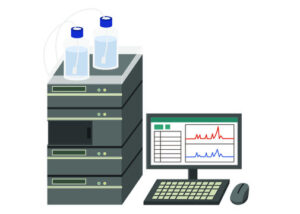
HPLC🏢 Structure of the Quality Department

The Quality Department usually includes the following sub-divisions:

1. Quality Assurance (QA)

Focuses on preventive systems. It builds and monitors the processes to ensure quality is designed into the product from development to release.

Key Roles:

  • Developing SOPs (Standard Operating Procedures)

  • Approving batch records

  • Vendor audits

  • Training personnel on GMP (Good Manufacturing Practices)

  • Handling deviations and CAPAs (Corrective and Preventive Actions)

2. Quality Control (QC)

Deals with product testing and validation. It ensures that both raw materials and finished products meet set specifications.

Key Roles:

  • Incoming raw material testing

  • In-process sample testing

  • Microbiological and analytical testing

  • Stability studies

  • Product release and batch certification

3. Regulatory Affairs

Responsible for ensuring all products and processes comply with local and international laws and regulations.

https://cosmeticgyaan.com/

Key Roles:

  • Product registration and licensing

  • Label claim approvals

  • Preparing dossiers for regulatory submissions

  • Monitoring cosmetic legislation updates


🎯 Objectives of the Quality Department

  1. Ensure consumer safety

  2. Meet regulatory and legal requirements

  3. Guarantee product consistency and performance

  4. Reduce recalls, complaints, and non-conformance

  5. Promote continual improvement through audits and reviews

https://cosmeticgyaan.com/


⚙️ Key Responsibilities of the Quality Department

1. Raw Material Quality Control

  • Verify identity, purity, and compliance of all incoming ingredients

  • Ensure materials are sourced from approved vendors

  • Maintain traceability and documentation

2. Manufacturing Oversight

  • Monitor batch processing under controlled environments

  • Check critical parameters like pH, viscosity, and mixing time

  • Approve batch manufacturing records before release

https://cosmeticgyaan.com/

3. Packaging Material Testing

  • Validate compatibility of packaging with the product

  • Test labels for regulatory compliance and durability

4. Microbiological Testing

  • Test for microbial contamination in water, product, and environment

  • Ensure total microbial count and absence of harmful pathogens like E. coli, Staphylococcus aureus, and Pseudomonas aeruginosa

5. Stability Studies

  • Conduct real-time and accelerated stability testing

  • Predict product shelf-life and recommend expiry dates

6. Complaint Investigation

  • Investigate product complaints and adverse reactions

  • Perform root cause analysis and recommend CAPAs

7. Internal Audits

  • Perform periodic audits to ensure compliance with GMP, ISO, and other standards

  • Identify gaps and support cross-functional teams for closure


📜 Key Regulatory Standards & Guidelines

Cosmetic products are regulated globally, and the Quality Department ensures compliance with the following:

RegionKey Regulation
IndiaBIS Guidelines, Drugs and Cosmetics Act 1940
EUEU Regulation (EC) No. 1223/2009
USAFDA Cosmetic Regulations
GlobalISO 22716 – GMP for Cosmetics

All quality procedures are designed around Good Manufacturing Practices (GMP) and ISO standards to ensure traceability, cleanliness, validation, and compliance.


🧪 Equipment and Tools Used in QC Labs

  • pH Meter

  • Viscometer

  • Stability Chambers

  • UV-Vis Spectrophotometer

  • HPLC (High Performance Liquid Chromatography)

  • Autoclave & Incubators (for microbial testing)

  • Analytical balances

Each test equipment is calibrated and validated regularly under QA supervision.

https://cosmeticgyaan.com/


🧾 Documentation Maintained

Proper documentation is the backbone of quality. The department maintains:

  • Batch Manufacturing Records (BMRs)

  • Certificates of Analysis (COAs)

  • Standard Operating Procedures (SOPs)

  • Change Control Forms

  • Training Records

  • Deviation & Incident Reports

  • Audit Reports

This ensures that every step taken in manufacturing can be traced back for accountability and analysis.


👩‍🔬 Qualifications & Skills in Quality Department Roles

RoleMinimum QualificationKey Skills Required
QA ExecutiveB.Pharm / B.Sc / M.ScDocumentation, auditing, GMP
QC ChemistB.Sc / M.Sc (Chemistry)Analytical techniques, HPLC
MicrobiologistB.Sc / M.Sc (Microbiology)Microbial culturing, testing
Regulatory AffairsPharmacy / Life SciencesRegulatory knowledge, dossier prep

Soft skills like attention to detail, analytical thinking, and communication are essential across all roles.


📊 Importance of the Quality Department

The Quality Department is not just a regulatory formality—it is a value-adding business unit. Here’s why:

  1. Consumer Trust: Ensures consistent product performance and safety

  2. Brand Protection: Prevents product recalls and negative publicity

  3. Market Expansion: Helps meet global compliance for exports

  4. Cost Efficiency: Reduces wastage, rework, and returns

  5. Innovation Support: Validates R&D findings and product claims

📝 Conclusion

In the cosmetic industry, quality is not optional—it’s essential. The Quality Department acts as the backbone of manufacturing, ensuring that every lipstick, lotion, or shampoo that reaches the customer is safe, effective, and compliant.

From raw material approval to post-market surveillance, the department’s work builds the foundation for trust, brand loyalty, and regulatory success.

Whether you’re an aspiring cosmetic professional or a brand owner, understanding and investing in Quality Assurance and Control is the key to long-term success.

What is Shampoo Used For Dandruff

Shampoo for dandruff is specifically formulated with ingredients to combat the symptoms of dandruff, such as flaking, itching, and irritation. These shampoos typically contain active ingredients like zinc pyrithione, selenium sulfide, or ketoconazole, which target the underlying causes of dandruff, like the overgrowth of a fungus called Malassezia globosa

What is Shampoo Used for Dandruff? (A Complete Guide – Causes, Ingredients, Benefits & Tips)

🌿 Introduction

Dandruff is one of the most common scalp issues faced by millions of people around the world. Those white flakes on your shoulders and itchy scalp can be both embarrassing and uncomfortable. If you’ve ever scratched your head in public and worried about dandruff falling like snow, you’re not alone.

One of the most effective ways to deal with this problem is by using anti-dandruff shampoo. But what exactly does this shampoo do? How is it different from regular shampoo? Which ingredients should you look for?

Let’s understand everything about dandruff shampoos in this complete blog.

🔍 What is Dandruff?

Dandruff is a scalp condition that causes flaking of the skin, often accompanied by itching, dryness, and sometimes even redness or inflammation. It can be mild and seasonal or chronic and severe, depending on various factors.

https://cosmeticgyaan.com/

What is Dandruff Shampoo?

A dandruff shampoo is a medicated or specially formulated shampoo that helps reduce and control dandruff. Unlike normal shampoos that just clean the hair, anti-dandruff shampoos are designed to treat the root cause of dandruff — whether it’s dry skin, fungal infection, or excess oil production.

These shampoos contain active ingredients that kill fungi, remove flakes, and soothe the scalp.

🔎 Common Causes of Dandruff

Dandruff may seem simple, but its root cause can vary from person to person. Some common reasons include:

  • Dry scalp

  • Oily scalp or seborrheic dermatitis

  • Fungal infection (Malassezia yeast)

  • Reaction to hair products

  • Poor hygiene or irregular hair washing

  • Stress and poor diet

Understanding the cause helps you choose the right shampoo.


🧪 Ingredients in Anti-Dandruff Shampoos

Here are some powerful ingredients to look for when buying a dandruff shampoo:

IngredientFunction
KetoconazoleKills dandruff-causing fungus (Malassezia)
Zinc PyrithioneFights bacteria and fungus
Selenium SulfideReduces cell turnover and controls yeast
Salicylic AcidExfoliates dead skin and removes flakes
Coal TarSlows down skin shedding
Tea Tree OilNatural antifungal and anti-inflammatory

Each of these ingredients has a unique role and may suit different scalp types.


✅ Benefits of Using Dandruff Shampoo

Using the right anti-dandruff shampoo consistently can offer the following benefits:

  1. Removes visible flakes

  2. Relieves itching and irritation

  3. Prevents recurrence of dandruff

  4. Strengthens hair roots by promoting scalp health

  5. Improves overall appearance of hair

  6. Boosts confidence with a clean, flake-free scalp

https://cosmeticgyaan.com/


🧴 How to Use Anti-Dandruff Shampoo (Step-by-Step)

To get the best results, follow these simple steps:

  1. Wet your hair with lukewarm water.

  2. Apply the shampoo directly to the scalp, not just the hair.

  3. Massage gently for 2–3 minutes to allow active ingredients to work.

  4. Leave it on for a few minutes (as per label instructions).

  5. Rinse thoroughly and avoid hot water.

  6. Use 2–3 times a week, unless prescribed otherwise by a dermatologist.

https://cosmeticgyaan.com/best-hair-fall-shampoo-for-men-in-india/


⚖️ Best Dandruff Shampoos in India (2025 Edition)

Here are some top-rated anti-dandruff shampoos you can try:

Brand & NameKey Ingredient(s)Approx Price
Head & Shoulders NeemNeem + Zinc Pyrithione₹299
Scalpe+ Expert Anti-DandruffKetoconazole + ZPTO₹300
Selsun Daily ShampooSelenium Sulfide₹320
The Body Shop Ginger ShampooNatural Ginger Extract₹845
Mamaearth Tea Tree ShampooTea Tree + Neem₹349

Note: Choose the shampoo according to your scalp condition – dry, oily, sensitive, or fungal.

Best Shampoo for Hair Fall Control in 2025

https://cosmeticgyaan.com/


🏠 Natural Remedies vs Dandruff Shampoo

You may have heard of home remedies like neem paste, aloe vera, curd, or lemon juice for dandruff. While they can help in mild cases, they usually take longer to show results.

ComparisonNatural RemediesDandruff Shampoos
EffectivenessMild to ModerateModerate to Strong
SpeedSlowFast (1–2 weeks)
ConvenienceRequires effortEasy to use
Long-term controlMay not lastProven clinical control

💡 Extra Tips for Managing Dandruff

  • Avoid oiling your hair too much if you have oily or fungal dandruff.

  • Clean your combs, pillowcases, and hair brushes regularly.

  • Manage stress, as it directly affects your scalp condition.

  • Avoid scratching, as it can worsen the condition or cause infections.

  • Drink enough water and maintain a balanced diet.

https://cosmeticgyaan.com/best-hair-fall-shampoo-for-men-in-india/

📝 Conclusion

Dandruff may not be a serious medical condition, but it can seriously affect your comfort, confidence, and even your hair health if left untreated. Thankfully, using the right anti-dandruff shampoo can help you fight the flakes and restore your scalp to a healthy, balanced state.

Always check the ingredients, follow the usage instructions, and stay consistent. With a little care and the right product, you can say goodbye to dandruff and hello to clean, beautiful hair!

https://cosmeticgyaan.com/