Cosmetic Products Kya Hote Hai?

“Cosmetic Products kya hote hai? Inke types, uses aur importance janiye is blog me. Complete guide for skincare, haircare aur personal hygiene

Cosmetic Products Kya Hote Hai? Aur Kyu Zaruri Hai?

Introduction

Cosmetics ka matlab sirf makeup nahi hota. Aaj ke zamane me cosmetics ka scope bahut bada ho chuka hai. Har vyakti directly ya indirectly cosmetics ka use karta hai — chahe wo skincare ho, haircare ho ya personal hygiene products.

Is blog me hum detail me samjhenge:

Cosmetics kya hote hai

Types of cosmetic products

Inke uses aur benefits

Kyu use karne chahiye

Market me popular cosmetic products

Cosmetics Kya Hote Hai?

Cosmetics aise products hote hai jo human body ke external parts par apply kiye jate hai for cleaning, beautifying, enhancing appearance aur body odor improve karne ke liye.

Cosmetics Ki Official Definition (According to BIS):

“Cosmetics are products intended to be applied on human body for cleansing, beautifying, promoting attractiveness or altering appearance without affecting body’s structure or functions.”

Cosmetic Products Ke Types

1️⃣ Skincare Products

Skincare products ka use skin ki health aur appearance maintain karne ke liye hota hai.
Examples:

Face wash

Moisturizers

Face creams

Serums

Sunscreen

Face masks

Uses & Benefits:

Skin hydration

Acne prevention

Anti-aging benefits

Sun protection


2️⃣ Haircare Products (H3 Heading)

Baalo ki safai, conditioning aur styling ke liye haircare cosmetics ka use hota hai.
Examples:

Shampoo

Conditioner

Hair serum

Hair oil

Hair masks

Uses & Benefits:

Hair nourishment

Damage repair

Scalp care

Hair shine & softness


3️⃣ Makeup Products (H3 Heading)

Face ko beautify aur enhance karne ke liye makeup ka use hota hai.
Examples:

Foundation

Compact powder

Lipstick

Eyeliner

Kajal

Blush

Uses & Benefits:

Enhance facial features

Boost confidence

Artistic expression


4️⃣ Personal Hygiene Products (H3 Heading)

Yeh products daily routine me use hote hai personal cleanliness aur hygiene maintain karne ke liye.
Examples:

Deodorants

Soaps

Body wash

Hand sanitizers

Feminine hygiene products

Uses & Benefits:

Maintain body odor

Protect from infections

Keep body fresh & clean


5️⃣ Fragrance Products (H3 Heading)

Body aur environment me pleasant smell create karne ke liye fragrances ka use hota hai.
Examples:

Perfumes

Body mists

Room fresheners

Uses & Benefits:

Mood enhancement

Personality impact

Freshness.

Cosmetics Kyu Zaruri Hai?

✅ Skin & Hair Protection

Cosmetics help karte hai environmental damage se bachane me — jaise UV rays, pollution aur dirt.

✅ Personal Confidence Boost

Achhi appearance confidence ko badhawa deti hai, jo har field me important hai.

✅ Health & Hygiene Maintenance

Personal care aur hygiene products directly health aur well-being ko impact karte hai.

✅ Social & Professional Impact

Good grooming aur neat appearance aapki social aur professional life me positive impression dalte hai.

Market Me Popular Cosmetic Products 

Garnier Face Wash — Skin cleansing ke liye

L’Oréal Hair Serum — Hair smoothening ke liye

Maybelline Lipstick — Makeup enhancement ke liye

Nivea Deodorant — Personal hygiene ke liye

Lakme Sunscreen — UV protection ke liye


Final Words-

Cosmetics sirf beauty badhane ka medium nahi hai, balki ek daily necessity hai modern lifestyle ka. Cosmetics ka proper use aapke personal aur professional life ko positively impact karta hai.

Aap bhi apni skincare aur personal care routine me suitable cosmetics ka use karke apna confidence boost kare aur hygiene maintain kare.

FAQs

Q. Kya cosmetics harmful hote hai?

Agar certified aur skin type ke hisaab se use kare to nahi.

Q. Kya daily cosmetics ka use karna safe hai?

Haan, lekin product quality aur skin suitability ka dhyan rakhna chahiye.

Q. Kya men bhi cosmetics ka use kar sakte hai?

Bilkul, cosmetics gender-neutral products hote hai.


Zinc Pyrithione Shampoo: Benefits, Uses

Zinc Pyrithione Shampoo: Benefits, Uses & Why It’s a Must-Have in Your Hair Care Routine

In the ever-evolving personal care industry, scalp health has gained prime importance. Amidst the plethora of hair care ingredients, Zinc Pyrithione (ZPT) stands out as a proven, effective component used in shampoos for various scalp conditions. This blog will delve into the unique benefits, applications, and significance of Zinc Pyrithione shampoo, especially in cosmetic and pharmaceutical contexts.

Zink pyrithione

What is Zinc Pyrithione?

Zinc Pyrithione is a coordination complex of zinc, widely recognized for its antimicrobial, antifungal, and antibacterial properties. Chemically represented as C10H8N2O2S2Zn, this active ingredient has been used for decades in treating dandruff, seborrheic dermatitis, psoriasis, and eczema.

https://cosmeticgyaan.com/what-is-decyl-glucoside/

How Does Zinc Pyrithione Work?

Zinc Pyrithione works by inhibiting the growth of Malassezia yeast, a common fungus found on the scalp responsible for dandruff and other scalp issues. By reducing fungal load, it helps to relieve itching, flaking, and irritation. It also exhibits antibacterial properties, keeping the scalp clean and healthy.

Key Benefits of Zinc Pyrithione Shampoo

1. Anti-Dandruff Effectiveness

Zinc Pyrithione is a primary active ingredient in anti-dandruff shampoos. It:

Fights the root cause of dandruff (Malassezia yeast)

Reduces flakiness and visible scalp shedding

Provides long-term dandruff control with regular use

2. Seborrheic Dermatitis Relief

Seborrheic dermatitis causes red, inflamed, and scaly patches on the scalp. Zinc Pyrithione shampoo soothes inflammation, reduces fungal growth, and relieves irritation, making it an effective solution.

3. Antibacterial & Antifungal Properties

Apart from yeast, Zinc Pyrithione also controls bacterial infections on the scalp, preventing folliculitis and promoting a healthier scalp environment.

4. Itch & Irritation Control

Thanks to its anti-inflammatory action, Zinc Pyrithione shampoos help reduce scalp itching, dryness, and sensitivity.

5. Safe for Daily or Weekly Use

ZPT-based shampoos are formulated to be mild enough for regular use while maintaining efficacy, especially when used as per dermatologist recommendation.

6. Helps in Scalp Psoriasis Management

Although not a cure, Zinc Pyrithione can help in alleviating the symptoms of scalp psoriasis, reducing scaling and inflammation.

Cosmetic Industry Applications

Shampoos & Scalp Cleansers

Medicated Hair Care Products

Anti-Dandruff Hair Masks & Serums

In cosmetic manufacturing, ZPT is carefully balanced to deliver therapeutic benefits without causing irritation.

How to Use Zinc Pyrithione Shampoo Effectively?

1. Wet the hair thoroughly

2. Apply a sufficient amount of shampoo on the scalp

3. Massage gently for 2-3 minutes to allow active ingredient.

https://cosmeticgyaan.com/ro-water-in-cosmetics-and-pharma/

How to Read MSDS in Cosmetics

MSDS (Material Safety Data Sheet) ek essential document hai cosmetic manufacturing aur formulation industry ke liye. Ye document product ke raw materials ke safety, handling, aur usage guidelines ko define karta hai.

📌 What is MSDS?

Material Safety Data Sheet (MSDS) ek technical document hota hai jo kisi bhi chemical substance ya cosmetic raw material ke following details provide karta hai:

Chemical Composition

Hazard Identification

Safe Handling Instructions

First Aid Measures

Storage Guidelines

Disposal Methods

Regulatory Information.

https://cosmeticgyaan.com/quality-assurance-in-pharmaceutical-industry/

📌 Why MSDS is Important in Cosmetics Industry?

✅ Ensures Workplace Safety

✅ Complies with Legal Requirements (like OSHA, GHS)

✅ Helps in Proper Storage & Handling of Raw Materials

✅ Important for Emergency Response

✅ Essential for Quality Assurance & Documentation

📌 How to Read MSDS in Cosmetics — Step by Step Breakdown

Section What It Tells You Why It’s Important

1. Identification of the Substance Product Name, Manufacturer Details To know exactly which material you’re using
2. Hazards Identification Potential Risks To prevent accidents & health risks
3. Composition/Information on Ingredients Ingredients & Concentrations For formulation compliance
4. First-Aid Measures How to act in case of exposure For safety during mishandling
5. Fire-Fighting Measures How to extinguish fire caused by the chemical For risk management
6. Accidental Release Measures Spill handling instructions For factory safety
7. Handling & Storage Safe storage conditions To avoid spoilage & hazard
8. Exposure Controls/Personal Protection PPE required For worker safety
9. Physical & Chemical Properties Boiling point, pH, Appearance For formulation design
10. Stability & Reactivity Chemical stability & incompatibilities For safe production process
11. Toxicological Information Health effects For risk assessment
12-16. Ecological, Disposal, Transport, Regulatory Info Environmental impact & compliance For eco-friendly production & legal compliance.

https://cosmeticgyaan.com/cosmetic-products-types-uses-importance/

📌 Key Points to Focus on While Reading MSDS

Hazard Statements — Like Flammable, Irritant

PPE Requirements — Gloves, Masks, Eye Protection

Handling Instructions — Temperature, Ventilation

Storage Conditions — Humidity, Sunlight Exposure

Toxicological Info — Inhalation, Skin Contact, Eye Contact

📌 MSDS Example for Cosmetic Ingredient (Simplified)

Section Example

Product Name Glycerine USP
Hazard Non-hazardous under normal conditions
First Aid Wash with water if eye contact
Storage Cool, Dry Place
PPE Gloves recommended

📌 Common Mistakes to Avoid While Reading MSDS

❌ Ignoring the Hazard Identification Section
❌ Overlooking Storage Conditions
❌ Not Following PPE Guidelines

✅ Conclusion — MSDS Reading is a Must for Cosmetic Professionals

MSDS sirf ek paper nahi hai, ye ek safety guideline hai jo cosmetic manufacturers, formulators, aur QA teams ke liye daily practice ka part hona chahiye.

🌿 What is Decyl Glucoside?

Decyl glucoside is a mild, plant-derived, non-ionic surfactant, primarily used in personal care and cleaning products for its gentle cleansing and foaming properties

In today’s beauty and skincare market, gentle yet effective ingredients are in high demand. Consumers are increasingly aware of what goes into their products, and harsh chemicals are being replaced with more skin-friendly, biodegradable, and non-toxic alternatives

In this blog, we’ll explore what Decyl Glucoside is, how it’s made, its uses in cosmetics, the benefits it offers for various skin types, and why it has become a go-to for natural and sensitive skincare formulations.

🔬 What is Decyl Glucoside?

Decyl Glucoside is a non-ionic surfactant derived from natural sources—specifically glucose (sugar) and decyl alcohol (which is obtained from coconut or palm kernel oil). In simple terms, it’s a plant-based cleansing agent that helps mix oil and water, allowing dirt and oil to be rinsed away easily.

It belongs to a group of surfactants known as alkyl polyglucosides (APGs), which are known for being mild, non-irritating, and environmentally friendly.

INCI Name: Decyl Glucoside
Appearance: Clear to slightly cloudy yellow liquid
Solubility: Water-soluble
pH Range: 5.5 – 12 (typically used in pH-balanced formulations)

🧪 How is Decyl Glucoside Made?

Decyl Glucoside is produced through a process called condensation. Here’s a simplified version of how it’s made:

  1. Glucose (usually from corn or wheat) is reacted with

  2. Decyl alcohol (derived from natural fatty alcohols in coconut oil).

This reaction creates a stable, biodegradable compound that retains the cleansing ability of surfactants without causing harm to the skin or the environment.

💧 Why Use Decyl Glucoside in Cosmetics?

With growing awareness around green beauty and clean ingredients, formulators are shifting towards ingredients like Decyl Glucoside for several reasons:

  • It’s mild enough for babies and people with sensitive skin.

  • It’s free of sulfates, which are often linked to dryness and irritation.

  • It is non-toxic and biodegradable, aligning with eco-conscious formulations.

  • It’s compatible with a wide range of pH levels, making it versatile.

🧴 Common Cosmetic Uses of Decyl Glucoside

Because of its mild nature and effective cleansing properties, Decyl Glucoside is used in a variety of skincare, haircare, and personal care products:

https://cosmeticgyaan.com/

1. Facial Cleansers

Decyl Glucoside gently lifts away dirt, makeup, and sebum without stripping the skin’s natural oils—making it ideal for daily facial cleansers, especially for dry or sensitive skin.

2. Shampoos & Baby Washes

It’s commonly used in sulfate-free shampoos and baby products, where a mild lather is sufficient, and scalp irritation must be avoided.

3. Body Wash & Shower Gels

Provides a creamy lather and effective cleansing while being non-drying and gentle on the skin.

4. Foaming Hand Soaps

Decyl Glucoside creates a rich foam and is less likely to cause dermatitis or dryness from frequent washing.

5. Micellar Waters & Makeup Removers

Its solubilizing ability helps remove oil-based makeup and sunscreen while maintaining skin balance.

6. Toothpastes & Mouthwashes

Its non-irritating nature also makes it suitable for oral care, though less common than other surfactants.

🌟 Key Benefits of Decyl Glucoside in Skincare

✅ 1. Gentle and Non-Irritating

One of the most important benefits of Decyl Glucoside is its non-irritating and non-sensitizing properties. It is often recommended for:

  • Eczema-prone skin

  • Rosacea

  • Post-procedure skincare (e.g., after chemical peels)

✅ 2. Biodegradable and Eco-Friendly

As a plant-derived, 100% biodegradable surfactant, it poses no risk to the environment. It is ideal for sustainable and vegan skincare lines.

✅ 3. Non-Comedogenic

Unlike some harsh surfactants, Decyl Glucoside does not clog pores, making it suitable for acne-prone skin.

✅ 4. Excellent Foaming Properties

While it’s milder than sulfates, it still produces a satisfying lather, offering the sensory experience people expect from cleansers.

✅ 5. Compatible with Other Ingredients

It works well with other mild surfactants (like Coco Glucoside or Lauryl Glucoside) and does not react with cationic or anionic ingredients, making it flexible for formulators.

🧬 Is Decyl Glucoside Safe?

Yes. According to the Cosmetic Ingredient Review (CIR) and European Union cosmetic regulations, Decyl Glucoside is considered safe for use in cosmetics.

However, as with all ingredients, patch testing is recommended, especially for individuals with very sensitive or allergy-prone skin. Though rare, some people may experience mild irritation when used in high concentrations or with prolonged exposure.

❓Decyl Glucoside vs Sulfates – What’s the Difference?

FeatureDecyl GlucosideSulfates (e.g., SLS, SLES)
OriginPlant-derivedSynthetic
GentlenessVery gentleCan be harsh
FoamingMild to moderateHigh
Environmental impactBiodegradableNot eco-friendly
Skin compatibilityGood for sensitive skinCan cause dryness or irritation

RO Water in Cosmetics and Pharma 2025

RO Water

“Why RO Water May Be Harming the Cosmetics and Pharma Sectors in 2025”

2025 Aaj ke competitive industrial environment mein, RO Water (Reverse Osmosis Water) ka role cosmetic aur pharmaceutical industry mein backbone ki tarah hai. Purity aur quality control ke strict norms ke wajah se RO water na sirf ek necessity hai balki ek industry standard ban chuka hai.

Introduction

2025 Aaj ke competitive industrial environment mein, RO Water (Reverse Osmosis Water) ka role cosmetic aur pharmaceutical industry mein backbone ki tarah hai. Purity aur quality control ke strict norms ke wajah se RO water na sirf ek necessity hai balki ek industry standard ban chuka hai.

Chaliye, step by step samajhte hain — RO water kya hota hai, kaise banta hai, kis kaam aata hai, aur uske kya kya benefits hain.

What is RO Water?

RO Water (Reverse Osmosis Water) ek ultra-purified water hai jo reverse osmosis process se banaya jata hai.
Is process mein water ko ek semi-permeable membrane se pass karaya jata hai jo impurities, dissolved salts, heavy metals, microorganisms aur pyrogens ko remove karta hai.

Cosmetic aur pharmaceutical applications mein, RO water ka matlab hota hai —
“Ultra-Pure Water which meets industry-grade specifications”

https://cosmeticgyaan.com/

RO Water

RO Water Kaise Banta Hai? — The Process of Reverse Osmosis

1️⃣ Pre-Filtration Stage

Sand Filter se large particles jaise dust, mud, aur debris hata diya jata hai.

Carbon Filter se chlorine aur organic impurities remove ki jati hai.

2️⃣ Softening

Water Softener se hardness remove hoti hai (Calcium aur Magnesium ions).

3️⃣ RO Membrane Process

High-pressure pump ke through water ko RO Membrane se pass kiya jata hai.

RO Membrane 95-99% salts, heavy metals, microorganisms aur bacteria hata deti hai.

4️⃣ Post Filtration (Optional)

UV Sterilization ya EDI (Electrodeionization) for pharmaceutical-grade water.

https://cosmeticgyaan.com/

Why is RO Water Used in Cosmetics Industry?

Cosmetic industry mein water base products jaise —

Lotions

Creams

Shampoos

Facewash

Hair Serum

Cleansers

In sab mein RO Water use hota hai because:
✅ Impurity Free Base — No risk of contamination
✅ Prevents Microbial Growth — Stability enhance hoti hai
✅ Better Product Consistency — Smooth texture aur uniformity maintain hoti hai
✅ Safe for Sensitive Skin — No allergic reactions

https://cosmeticgyaan.com/

Why is RO Water Used in Pharmaceutical Industry?

Pharma mein water ka role hota hai —

Drug Formulations

Injection Preparation

Syrup Manufacturing

Cleaning of Equipment

RO Water pharma ke liye essential hai because:
✅ Pyrogen Free Water
✅ Compliance with USP Standards
✅ No Heavy Metal Contamination
✅ Better Solubility of Drugs

Key Applications of RO Water in Cosmetics & Pharma

https://cosmeticgyaan.com/%f0%9f%8c%9f-top-10-hair-serums-in-india-2025/

Cosmetics Pharmaceuticals

Cream & Lotion Manufacturing Injectable Drug Preparation
Shampoo & Hair Care Products Tablet Coating & Formulation
Face Wash & Cleanser Cleaning of Equipment & Vessels
Makeup Products Syrups, Suspensions & Solutions
Skin Toners & Mist Hand Sanitizers & Topical Solutions

Benefits of Using RO Water in Industry

✅ Maintains Product Quality

High-quality purified water ensures better product stability and shelf life.

✅ Prevents Product Contamination

RO removes bacteria, viruses, fungi, ensuring microbiological safety.

✅ Meets Regulatory Compliance

Fulfills standards like GMP, USP, WHO Guidelines.

✅ Cost-Effective in the Long Run

Though setup cost is high, it reduces risk of recalls and product failures.

✅ Improves Consumer Safety

Using RO water prevents allergic reactions or skin irritations from impurities.

How RO Water Plant Setup Looks Like?

Pre-Filtration Unit

Softener Unit

High-Pressure Pump

RO Membrane Housing

UV Sterilizer or EDI Unit

Storage Tank with Recirculation System

👉 Production Capacity Range: 250 LPH – 10,000 LPH depending on plant size.

RO Water Testing Parameters in Cosmetic & Pharma Industries

Parameter Standard Limit

pH 6.0 – 7.5
Conductivity < 5 µS/cm
TDS (Total Dissolved Solids) < 10 ppm
Bacterial Count Nil
Endotoxin Level (Pharma) < 0.25 EU/ml

Regulatory Guidelines You Should Know

Cosmetics: As per BIS Standards (IS 4707)

Pharmaceutical: As per WHO-GMP, USP Standards

ISO 22716 (Cosmetic GMP) recommends RO Water for safe manufacturing.

Challenges & Maintenance of RO System

Regular Membrane Cleaning

Periodic Filter Replacement

Bacterial Control & Sanitization

Conductivity Monitoring

https://cosmeticgyaan.com/face-wash-for-acne/

Conclusion

RO Water isn’t just “filtered water” — it’s a strategic investment for cosmetic and pharmaceutical companies.
Purity, consistency, and regulatory compliance ke liye RO Water ka use mandatory hai.

Jo brands RO Water ka use karte hain, woh apne product quality aur customer trust dono mein edge banate hain.

Quick Summary for Industry Use

✅ RO Water = Impurity Free, Microbiologically Safe
✅ Essential for Cosmetics & Pharma Manufacturing
✅ Enhances Product Stability & Safety
✅ Critical for Compliance with Global Standards.

https://cosmeticgyaan.com/

ग्लिसरीन के उपयोग Glycerine Uses

भूमिका (Introduction)

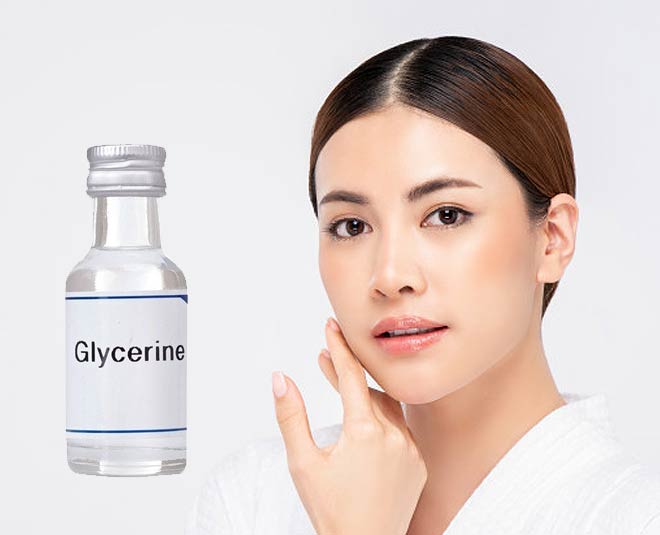
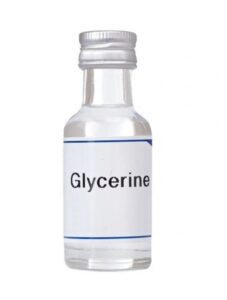
ग्लिसरीन एक पारदर्शी, गाढ़ा और मीठा स्वाद वाला तरल होता है, जो प्राकृतिक व सिंथेटिक दोनों रूपों में पाया जाता है। यह कॉस्मेटिक, औषधि, फूड इंडस्ट्री और घरेलू नुस्खों में बड़े पैमाने पर इस्तेमाल किया जाता है।

ग्लिसरीन का रासायनिक नाम Glycerol है और यह अपनी Moisturizing (नमी बनाए रखने वाली) और Healing Properties के लिए मशहूर है।

https://cosmeticgyaan.com/

ग्लिसरीन के मुख्य उपयोग (Top Uses of Glycerine)

1️⃣ त्वचा के लिए (For Skin)

✅ Moisturizer —
ग्लिसरीन स्किन में पानी को Lock करता है, जिससे त्वचा मुलायम और हाइड्रेटेड रहती है। Dry Skin वालों के लिए ये वरदान है।

✅ Anti-Aging Treatment —
यह Fine Lines aur Wrinkles को कम करने में मदद करता है क्योंकि यह स्किन को प्लंप और स्मूथ बनाता है।

✅ Acne aur Pimples —
ग्लिसरीन स्किन में नमी बनाए रखता है, जिससे Excess Oil नहीं बनता और Acne कम होते हैं।

✅ Skin Brightening —
Regular use से त्वचा में चमक आती है और दाग-धब्बे हल्के होते हैं।

✅ Cracked Heels & Dry Elbows —
ग्लिसरीन को नींबू के रस के साथ मिलाकर लगाने से फटी एड़ियों और रूखे हिस्सों में आराम मिलता है।

ग्लिसरीन एक पारदर्शी, गाढ़ा और मीठा स्वाद वाला तरल होता है, जो प्राकृतिक व सिंथेटिक दोनों रूपों में पाया जाता है। यह कॉस्मेटिक, औषधि, फूड इंडस्ट्री और घरेलू नुस्खों में बड़े पैमाने पर इस्तेमाल किया जाता है।ग्लिसरीन का रासायनिक नाम Glycerol है और यह अपनी Moisturizing (नमी बनाए रखने वाली) और Healing Properties के लिए मशहूर है।

https://cosmeticgyaan.com/

2️⃣ बालों के लिए (For Hair)

✅ Conditioner —
ग्लिसरीन बालों में Moisture Lock करता है, जिससे बाल Soft aur Manageable बनते हैं।

✅ Frizz Control —
Humidity में बाल Frizzy हो जाते हैं, ग्लिसरीन उन्हें Control करता है।

✅ Scalp Moisturizer —
ड्राई स्कैल्प और डैंड्रफ की समस्या में ग्लिसरीन बहुत फायदेमंद है।

3️⃣ औषधीय उपयोग (Medicinal Uses)

✅ Cough Syrup —
ग्लिसरीन गले की खराश और सूखी खांसी में आराम देने वाले सिरप में इस्तेमाल होता है।

✅ Wound Healing —
ग्लिसरीन से घाव को साफ करके लगाने पर यह हीलिंग में मदद करता है।

✅ Glycerine Suppositories —
यह कब्ज (Constipation) में बतौर मेडिसिन उपयोग होती है।

4️⃣ घरेलू उपयोग (Household Uses)

✅ Leather Conditioner —
पुराने जूते, बेल्ट, बैग में ग्लिसरीन लगाने से उनकी चमक वापस आती है।

✅ Mirror Fogging Control —
Bathroom mirrors पर ग्लिसरीन लगाने से Fog नहीं जमती।

✅ Handwash aur Soaps Mein —
ग्लिसरीन बेस्ड साबुन त्वचा को सूखने से बचाते हैं।

5️⃣ फूड इंडस्ट्री में (In Food Industry)

✅ Preservative —
खाद्य उत्पादों में ग्लिसरीन नमी बनाए रखने वाला एजेंट और प्रिज़र्वेटिव के रूप में इस्तेमाल होता है।

✅ Sweetener —
कुछ खाद्य पदार्थों में इसे हल्की मिठास देने के लिए भी उपयोग किया जाता है।

6️⃣ कॉस्मेटिक्स में (In Cosmetics)

✅ Face Wash, Moisturizers, Creams, Lotions, Lip Balms और Shampoos में ग्लिसरीन एक आम घटक है।

✅ यह Skin Care aur Hair Care Products में Hydrating Agent के रूप में प्रयोग होता है।

ग्लिसरीन इस्तेमाल करते समय सावधानियां

⚠️ हमेशा शुद्ध (Pure) ग्लिसरीन का ही उपयोग करें।
⚠️ Sensitive Skin वालों को Patch Test करना चाहिए।
⚠️ अत्यधिक मात्रा में ग्लिसरीन से चिपचिपाहट हो सकती है।

निष्कर्ष (Conclusion)

ग्लिसरीन एक Multi-Purpose और Budget Friendly उत्पाद है जो आपकी Skin Care, Hair Care और Daily Life के कई हिस्सों में काम आता है। चाहे आप त्वचा को मुलायम बनाना चाहते हों या बालों को फ्रिज से बचाना, ग्लिसरीन हमेशा उपयोगी रहेगा।

https://cosmeticgyaan.com/


Disodium EDTA in cosmetics uses

Walnut scrub kese use krte hai

In the modern cosmetic industry, product stability, shelf-life, and performance are directly linked to the ingredients used. One such indispensable ingredient is Disodium EDTA (Ethylenediaminetetraacetic acid disodium salt).
Though it might sound like a complex chemical, its role in your personal care products is crucial for both product safety and user experience.

In this blog, we’ll dive deep into:

What is Disodium EDTA?

Where is it derived from?

Why is it used in cosmetics and personal care products?

Its benefits for formulations

Common applications and uses

Is it safe?

Regulatory status globally

Myths and facts

What is Disodium EDTA?

Disodium EDTA is a water-soluble chelating agent, widely used in cosmetics and personal care products.

Chemical Formula: C₁₀H₁₄N₂Na₂O₈

Appearance: White, odorless, crystalline powder or granules

Solubility: Highly soluble in water

Chelating Agent — What Does It Mean?

A chelating agent binds with metal ions like calcium, magnesium, iron, and copper, preventing them from reacting with other ingredients.

Example:

It stabilizes shampoos, creams, or lotions by preventing metal contamination, thereby increasing shelf life and preventing spoilage.


Why is Disodium EDTA Used in Cosmetics?

1️⃣ To Improve Product Stability

Metal ions may be introduced through water, raw materials, or even packaging. Disodium EDTA inactivates these ions, preventing product degradation.

Example:

Prevents rancidity in creams and lotions

Stops discoloration in transparent or white products


2️⃣ Enhances Effectiveness of Preservatives

Disodium EDTA boosts the efficacy of common preservatives like parabens, phenoxyethanol, and formaldehyde releasers by weakening the cell walls of microbes.
This ensures better protection against bacteria, fungi, and molds.

3️⃣ Prevents Oxidation & Discoloration

In formulations containing sensitive ingredients like Vitamin C or plant extracts, Disodium EDTA prevents oxidation that could lead to color change or degradation.

4️⃣ Water Softening Property

It helps in controlling water hardness in formulations like shampoos, face washes, and liquid soaps — ensuring proper foaming and cleaning action.

Applications in Cosmetics & Personal Care

Disodium EDTA is a versatile ingredient used across multiple product categories:

Product Type Role of Disodium EDTA

Shampoos & Conditioners Prevents hard water ions from affecting foam quality
Creams & Lotions Stabilizes formulations & enhances preservative action
Facial Cleansers Prevents discoloration & maintains pH
Toothpaste Prevents tartar build-up & ensures consistency
Soaps & Liquid Hand Wash Enhances lather & shelf life
Makeup Products Maintains color integrity & improves shelf life
Serums & Toners Protects sensitive active ingredients

Benefits of Disodium EDTA in Formulations

✅ Extended Shelf Life
✅ Improved Product Efficacy
✅ Prevention of Microbial Growth
✅ Stable pH and Appearance
✅ Enhanced Customer Experience

Is Disodium EDTA Safe?

Safety Assessment by Global Authorities:

US FDA (Food and Drug Administration): Recognized as Generally Recognized As Safe (GRAS) when used in limited concentrations.

CIR (Cosmetic Ingredient Review): Safe at concentrations up to 2% in rinse-off and 0.2% in leave-on products.

EU Cosmetic Regulation: Approved with usage limits and specific labeling requirements.

Note:

✅ It is considered non-toxic, non-sensitizing, and non-carcinogenic in recommended cosmetic uses.

Common Myths & Facts about Disodium EDTA

Myths Facts

Disodium EDTA is harmful to skin ✅ Approved as safe for cosmetic use
It causes skin irritation ✅ No evidence at approved concentrations
It builds up in the body ✅ Not bioaccumulative in cosmetic usage
It is a preservative ✅ Not a preservative but boosts preservative efficacy

Environmental Impact

While Disodium EDTA is biodegradable under certain conditions, excessive industrial use can impact aquatic life due to its metal-binding properties. This is why some eco-friendly formulations avoid it or use biodegradable alternatives like GLDA.

Alternatives to Disodium EDTA

Alternative Uses

Sodium Gluconate Biodegradable chelating agent
GLDA (Tetrasodium Glutamate Diacetate) Eco-friendly and readily biodegradable
Sodium Phytate Plant-derived chelating agent.


Conclusion: Should You Worry About Disodium EDTA in Cosmetics?

Disodium EDTA is a time-tested, well-researched ingredient that plays a critical role in cosmetic formulations.

🛡️ It protects your favorite products from spoilage

🧴 Enhances the effectiveness of preservatives

🌸 Maintains the integrity, look, and feel of products

When used as per cosmetic regulations, Disodium EDTA is completely safe for consumers.

Quick Summary — Why is Disodium EDTA Popular in Cosmetic Formulation?

✔️ Stabilizes products

✔️ Enhances shelf life

✔️ Supports preservatives

✔️ Prevents oxidation

✔️ Safe & effective

रेटिनॉल सीरम के फायदे

स्किनकेयर इंडस्ट्री में अगर किसी इंग्रीडिएंट ने क्रांति ला दी है तो वह है — रेटिनॉल।
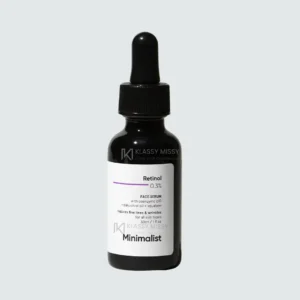
रेटिनॉल विटामिन A से बना एक पावरफुल इंग्रीडिएंट है जो त्वचा में गहराई तक जाकर काम करता है और स्किन को जवां बनाने में मदद करता है।

स्किनकेयर इंडस्ट्री में अगर किसी इंग्रीडिएंट ने क्रांति ला दी है तो वह है — रेटिनॉल। रेटिनॉल विटामिन A से बना एक पावरफुल इंग्रीडिएंट है जो त्वचा में गहराई तक जाकर काम करता है और स्किन को जवां बनाने में मदद करता है। आज के इस ब्लॉग में हम विस्तार से जानेंगे — रेटिनॉल सीरम क्या है? इसके उपयोग कैसे करें? इसके फायदे क्या हैं? किन लोगों को इसे यूज़ करना चाहिए? क्या इसके कोई साइड इफेक्ट्स भी होते हैं?

आज के इस ब्लॉग में हम विस्तार से जानेंगे

रेटिनॉल सीरम क्या है?

इसके उपयोग कैसे करें?

इसके फायदे क्या हैं?

https://cosmeticgyaan.com/how-to-use-scrub-on-body/

किन लोगों को इसे यूज़ करना चाहिए?

क्या इसके कोई साइड इफेक्ट्स भी होते हैं?

रेटिनॉल सीरम कैसे काम करता है?

रेटिनॉल सीरम त्वचा में जाकर सेल रिन्यूअल प्रोसेस को तेज करता है।
यह कोलेजन के उत्पादन को बढ़ाता है और डेड स्किन को हटाकर नई, हेल्दी स्किन को उभरने में मदद करता है।

रेटिनॉल का कार्य:
✅ सेल टर्नओवर बढ़ाना
✅ फाइन लाइंस व झुर्रियों को कम करना
✅ एक्ने को कंट्रोल करना
✅ पोर्स को मिनिमाइज़ करना
✅ त्वचा को टाइट बनाना

रेटिनॉल सीरम के मुख्य उपयोग (Uses of Retinol Serum)

1️⃣ फाइन लाइंस और रिंकल्स से छुटकारा

रेटिनॉल स्किन की लोअर लेयर में कोलेजन प्रोडक्शन को बूस्ट करता है जिससे झुर्रियां और फाइन लाइंस धीरे-धीरे कम होने लगती हैं।

2️⃣ पिगमेंटेशन और डार्क स्पॉट्स को हल्का करना

रेटिनॉल मेलानिन प्रोडक्शन को रेगुलेट करता है जिससे डार्क स्पॉट्स और पिगमेंटेशन कम होते हैं।

3️⃣ एक्ने और ब्रेकआउट्स को रोकना

रेटिनॉल सीरम पोर्स को साफ करता है और स्किन में ऑइल बैलेंस बनाता है जिससे एक्ने की समस्या कंट्रोल होती है।

4️⃣ स्किन टेक्सचर और टोन में सुधार

नियमित इस्तेमाल से स्किन स्मूथ और इवन टोन दिखती है।

5️⃣ ओपन पोर्स को कम करना

पोर्स टाइट होकर स्किन ग्लोइंग और स्मूद नजर आती है।

रेटिनॉल सीरम कैसे इस्तेमाल करें? (How to Use Retinol Serum)

✅ रात को सोने से पहले चेहरा साफ करें।
✅ स्किन को पूरी तरह सूखने दें।
✅ मटर के दाने जितना सीरम लें।
✅ हल्के हाथों से चेहरे व गर्दन पर लगाएं।
✅ इसके ऊपर मॉइस्चराइज़र जरूर लगाएं।

नोट: शुरुआत में हफ्ते में 2-3 बार ही यूज़ करें।

रेटिनॉल सीरम इस्तेमाल करने की सही उम्र

रेटिनॉल का उपयोग आप 25-30 साल की उम्र से शुरू कर सकते हैं।
30 की उम्र के बाद कोलेजन प्रोडक्शन धीमा होने लगता है, इसलिए रेटिनॉल जरूरी हो जाता है।

रेटिनॉल के फायदे (Benefits of Retinol Serum)

✅ एजिंग को स्लो करना

रेटिनॉल से स्किन एजिंग स्लो होती है और त्वचा जवां बनी रहती है।

✅ ग्लोइंग स्किन

रेटिनॉल के इस्तेमाल से स्किन ग्लोइंग और फ्रेश दिखती है।

✅ स्किन रिवाइटलाइजेशन

रेटिनॉल स्किन को अंदर से रिपेयर करता है और नई स्किन को बाहर लाता है।

✅ दाग-धब्बों में सुधार

चेहरे के दाग-धब्बे, झाइयां व pigmentation में फर्क दिखता है।

रेटिनॉल सीरम के साइड इफेक्ट्स (Side Effects of Retinol)

रेटिनॉल शुरू में कुछ लोगों में ड्रायनेस, रेडनेस और इर्रिटेशन कर सकता है।
इसलिए:

हमेशा मॉइस्चराइज़र लगाएं।

धूप में बाहर जाते समय Sunscreen लगाएं।

जरूरत से ज्यादा यूज़ न करें.

किन लोगों को रेटिनॉल नहीं इस्तेमाल करना चाहिए?

❌ प्रेग्नेंट महिलाएं
❌ ब्रेस्टफीडिंग मदर्स
❌ जिनकी स्किन बहुत ज्यादा सेंसिटिव है

रेटिनॉल सीरम खरीदते समय ध्यान रखने योग्य बातें

Dermatologically Tested होना चाहिए।

Concentration 0.2% से 1% के बीच हो।

बिना Fragrance और Paraben-Free हो।

भरोसेमंद ब्रांड से खरीदें।

रेटिनॉल यूज करते समय कुछ जरूरी टिप्स

🔹 रेटिनॉल यूज़ के बाद Sunscreen जरूर लगाएं।
🔹 स्किन को मॉइस्चराइज करते रहें।
🔹 ज्यादा मात्रा में यूज़ न करें।
🔹 शुरुआत में Low Concentration से शुरू करें।

भारत में लोकप्रिय रेटिनॉल सीरम ब्रांड्स

⭐ The Ordinary Retinol
⭐ Minimalist Retinol
⭐ Olay Retinol 24
⭐ Plum 1% Retinol Serum
⭐ Dot & Key Retinol

निष्कर्ष — रेटिनॉल सीरम क्यों जरूरी है?

अगर आप स्किन एजिंग, झुर्रियों, एक्ने और दाग-धब्बों से परेशान हैं तो रेटिनॉल सीरम आपके लिए एक बेहतरीन विकल्प है।

सही तरीके से और सही मात्रा में इस्तेमाल करें, तो यह आपके स्किनकेयर का गेम चेंजर हो सकता है।

Disclaimer:

यह ब्लॉग केवल जानकारी के उद्देश्य से लिखा गया है। किसी भी स्किन प्रॉडक्ट को इस्तेमाल करने से पहले त्वचा विशेषज्ञ से सलाह अवश्य लें।

अगर आपको यह ब्लॉग पसंद आया हो तो शेयर करें और हमारी वेबसाइट CosmeticGyaan.com पर विजिट करना न भूलें!


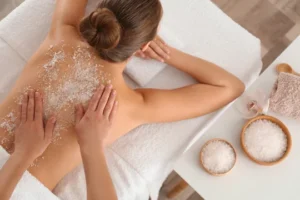
How to Use Scrub on Body

Discover the correct way to use body scrub for glowing, soft, and healthy skin. In this blog, we break down step-by-step how to apply scrub on your body the right way—starting from cleansing to moisturizing post-scrub. Learn the benefits of exfoliation, how often to use a body scrub based on your skin type, and which natural ingredients to look for. Whether you’re a beginner in skincare or already using body care products,

Learn the proper steps of using a body scrub for soft, glowing skin. Discover pro tips, precautions, and benefits in this detailed skincare guide.

Why Body Scrub is a Must in Your Skincare Routine? Scrub on Body.

Scrub on Body, Your skin faces daily exposure to pollution, sweat, and dead cells. While a normal shower cleans the surface, a body scrub goes deeper. Using a body scrub once or twice a week helps exfoliate dead skin cells, improve blood circulation, and leave your skin smooth, soft, and radiant.

What is a Body Scrub? Scrub on Body.

A body scrub is a physical exfoliant made with ingredients like sugar, salt, coffee, or walnut shell powder, often blended with nourishing oils. It removes dead skin cells and unclogs pores, allowing your skin to breathe better.Scrub on Body.

🟢 Step-by-Step Guide: How to Use Scrub on Body

Follow these simple steps for maximum results and zero side effects:

✅ Step 1: Cleanse Your Skin First

Take a warm shower before scrubbing. This helps open up your pores and softens dead skin cells for easy removal.

> Pro Tip: Avoid using a scrub on dry skin. Damp skin helps the product spread better.

✅ Step 2: Apply a Small Amount of Scrub

Take a coin-sized amount of the scrub in your palm. Start with one body part at a time – arms, legs, back, etc.

✅ Step 3: Massage in Circular Motions

Gently rub the scrub in circular motions using your fingertips or a loofah for 2–3 minutes per area. Avoid harsh pressure to prevent skin damage.

> Target Zones: Elbows, knees, ankles – areas prone to roughness.

✅ Step 4: Rinse Thoroughly with Lukewarm Water

Rinse the scrub off completely. Do not use soap right after scrubbing – it may strip away the natural oils.

✅ Step 5: Moisturize Immediately

Apply a rich body lotion or moisturizer after patting your skin dry. Scrubbing can make your skin slightly sensitive, so moisturizing seals the hydration.

🔵 How Often Should You Use Body Scrub?

Normal to oily skin: 2–3 times a week

Dry or sensitive skin: Once a week

Summer time: Increase frequency slightly due to more sweat and dead skin

Winter: Less frequent, but follow up with heavy moisturization

🔴 Benefits of Using a Body Scrub Regularly

✅ Removes dead skin cells

✅ Unclogs pores

✅ Improves skin texture

✅ Reduces ingrown hair

✅ Boosts blood circulation

✅ Helps tanning products apply more evenly

⚠️ Precautions While Using Body Scrub

❌ Never use body scrub on broken or sunburnt skin

❌ Don’t use facial scrubs on your body – they are milder

❌ Avoid daily usage – can cause skin thinning

✅ Always patch test new products on a small area

🌿 Natural Ingredients to Look for in a Good Scrub

Brown sugar – gentle exfoliator

Coffee – improves blood flow

Sea salt – detoxifies skin

Apricot kernel – deep exfoliation

Aloe vera – soothes and heals

✅ Conclusion

Body scrub is more than just skincare – it’s a self-care ritual. When done right, it can give you baby-soft skin, boost confidence, and leave you feeling fresh all day. Make sure to pick the right product and use it consistently, but gently.

> 🌟 “Healthy skin isn’t a trend – it’s a lifestyle.”


Carbopol® Ultrez 20 Polymer

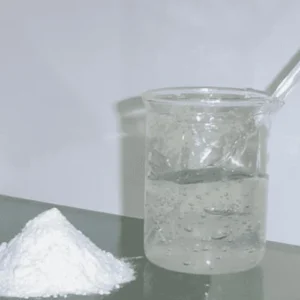
Carbopol Ultrez 20 polymer is a hydrophobically-modified, crosslinked acrylate copolymer. It's a white powder that's known for its self-wetting and dispersing properties, making it easy to use in formulations. It's a rheology modifier and stabilizer, providing electrolyte tolerance and unique sensory benefits in products like shampoos, body washes, and creams

Carbopol® Ultrez 20 polymer is a hydrophobically-modified, cross-linked acrylate copolymer that’s revolutionized the way formulators create creams, gels, shampoos, and lotions.

Carbopol Ultrez 20 polymer is a hydrophobically-modified, crosslinked acrylate copolymer. It's a white powder that's known for its self-wetting and dispersing properties, making it easy to use in formulations. It's a rheology modifier and stabilizer, providing electrolyte tolerance and unique sensory benefits in products like shampoos, body washes, and creams

Why It’s a Game-Changer

Core Functions in Personal Care

  • Rheology Modifier
    Tailors viscosity—from light gels to rich creams—while maintaining smooth flow and pumpability Reddit+15lubrizol.com+15treasureactives.com+15.

  • Thickener & Stabilizer
    Controls texture and ensures homogeneous appearance, especially under heat and freeze–thaw cycles www.personalcaremagazine.com.

  • Suspending Agent
    Keeps solid inclusions (e.g., titanium dioxide beads or botanical powder) evenly distributed.

🔬 Key Technical Highlights

AttributeDetail
AppearanceWhite, fluffy powder knowde.com+7ahualyn.com+7knowde.com+7
Effective Range0.1–1.5 wt% typical
Viscosity (1%)~47,000–67,000 cP
Clear Gel Percentage≥ 90% clarity in gels
Surfactant ToleranceUp to 10–12 wt% without viscosity loss


📦 Formulation Examples

Below are real-world applications showcasing Ultrez 20’s versatility:

1. Silkens™ Conditioning Shampoo

2. Ultra-Mild Shower Cream

  • Benefit: Delivers creamy, lotion-like texture without heavy oils.

  • Mechanism: Thickens surfactant blend while tolerating botanical extracts.

3. Hydroalcoholic Hand Sanitizer Gel

4. Exfoliating Facial Wash

  • Benefit: Maintains uniform suspension of exfoliant particles.

  • Result: Visible, premium-looking product with no settling.

🛠️ How to Formulate with Ultrez 20

  1. Dispersion
    Sprinkle onto water and allow self-wetting for ~5 minutes Dermafactors+2treasureactives.com+2knowde.com+2.

  2. Gentle Mixing
    Begin low-speed stirring—avoid foam to preserve clarity.

  3. Incorporate Surfactants
    Add after wetting to keep viscosity stable.

  4. Neutralization
    Use TEA, NaOH, or AMP to elevate pH (~6.5–7.5) and activate thickening knowde.comReddit.

  5. Add Oils/Actives
    Once neutralized, incorporate oils, botanicals, or humectants; viscosity remains stable.

  6. Adjust Final pH
    Keep within 4–9 to maintain thickening and clarity.

Benefit Insights

  • Fast Processing: Self-wetting eliminates need for prolonged mixing.

  • Clear vs. Creamy Flexibility: Adapt texture depending on product type (gel vs. lotion).

  • Improved Sensory Feel: Creates richer rubout in creams, more slip in body washes newdirectionsaromatics.caReddit+5Reddit+5treasureactives.com+5Dermafactors+7lubrizol.com+7knowde.com+7.

  • Stable with Humectants: Blends well in formulas with glycerin, sodium PCA, etc., thanks to strong electrolyte tolerance.

  • Actives Carriage: Great for suspending beads, microspheres, SPF particles—ideal for premium formulas.

💼 Marketed Products That Use Carbopol Ultrez 20

  • Premium Shampoos & Conditioners – offer hydrated sheen without stickiness.

  • Facial & Body Washes – deliver clear, luxurious cleansing gels.

  • Emollient Lotions & Creams – provide creamy texture and pleasant skin feel.

  • Styling Gels – deliver hold and clarity without flakiness.

  • Hand Sanitizers – provide clear, non-sticky finish.

https://cosmeticgyaan.com/

⚠️ Formulation Tips & Common Pitfalls

🌍 Regulatory & Clean-Label Considerations

Carbopol Ultrez 20 is compatible with:

This makes it suitable for global, ethical beauty brands seeking clarity without compromise.

https://cosmeticgyaan.com/

🧾 Summary: Why Choose Ultrez 20?

  • Self-wetting → simplifies manufacturing

  • Electrolyte & surfactant tolerant → perfect for modern cleansers

  • Clear gels or creamy lotions → multiple sensory finishes

  • Suspends particles → supports efficacy and visual appeal

  • Broad pH stability → versatile across product formats

  • Clean-label friendly → appeals to conscious consumers

Bottom Line

If you’re a formulator crafting shampoos, gels, lotions, creams, or clear hydrogels, Carbopol® Ultrez 20 polymer is a top-tier choice. Its combination of ease-of-use, performance, and sensory elegance make it indispensable in high-quality personal care products.

https://cosmeticgyaan.com/