
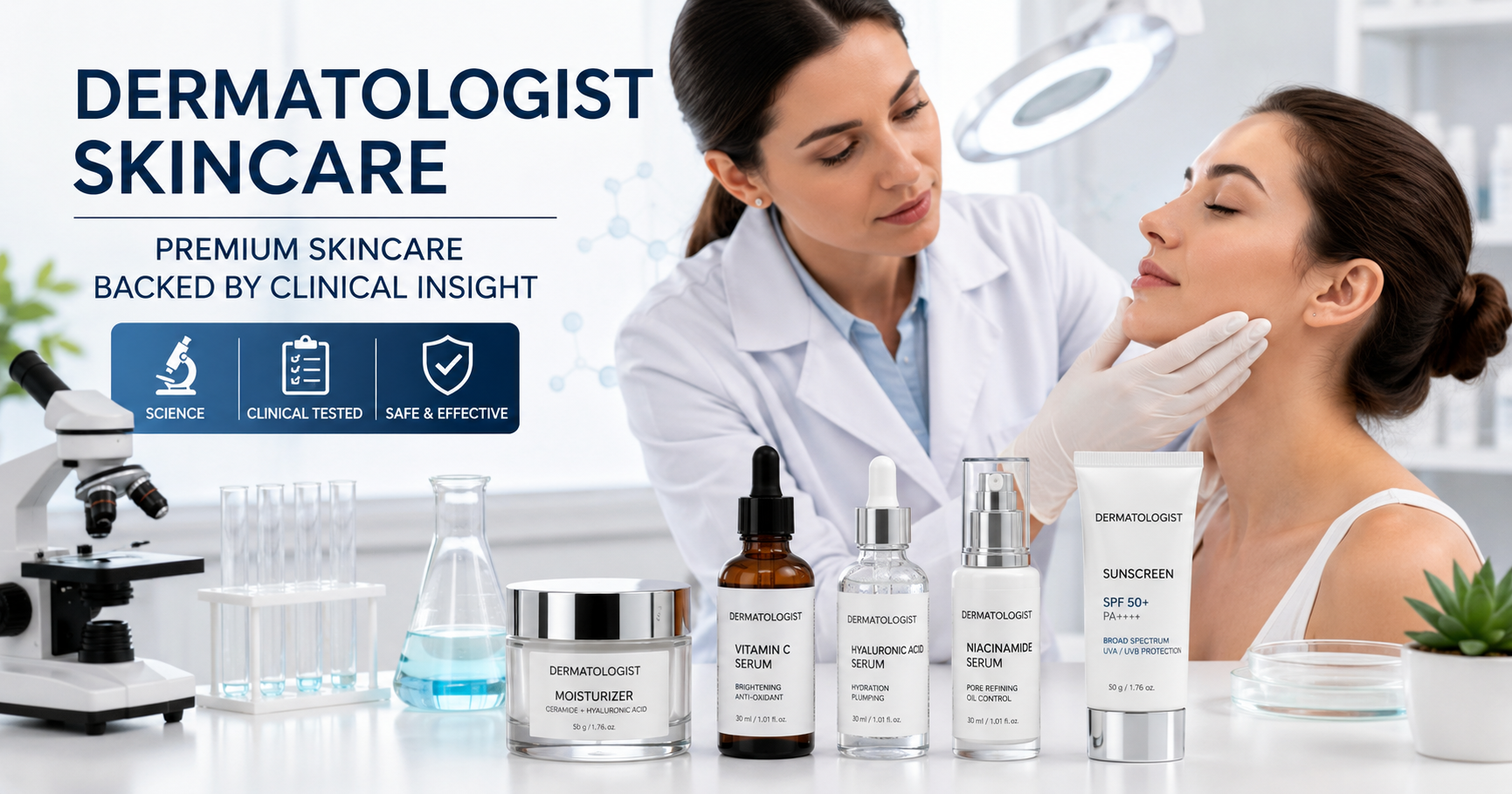
Skin is the body’s largest organ, yet many people treat it using random products recommended by social media or friends. While some products may work temporarily, they often fail to address the real cause of skin concerns such as acne, pigmentation, dryness, sensitivity, or early signs of aging. This is where dermatologist skincare stands out.
Dermatologist skincare combines scientific research, clinical testing, and expert knowledge to create products that are both safe and effective. Instead of relying on trends or attractive packaging, these skincare products are formulated with ingredients that have been carefully studied and proven to deliver real results.
Premium dermatologist skincare is not simply about paying more for a product. It is about choosing skincare that is supported by clinical insight, contains high-quality ingredients, and is designed to improve your skin while protecting its natural barrier.
What Is Dermatologist Skincare?
Dermatologist skincare refers to skincare products that are developed, tested, or recommended by skin experts using scientific research and clinical evidence.
Unlike ordinary cosmetic products that mainly focus on appearance, dermatologist skincare aims to improve overall skin health by targeting the root cause of common skin concerns.
These products are often designed with:
- Evidence-based ingredients
- Clinically tested formulations
- Safe concentrations of active ingredients
- Skin barrier protection
- Better ingredient stability
- Lower risk of irritation
Many dermatologist skincare brands also perform extensive safety testing before launching products into the market.
Read More: The Ultimate Cosmetic Manufacturing Flow Chart for Beginners: Step-by-Step
What Does “Premium Skincare Backed by Clinical Insight” Mean?
This phrase is becoming increasingly popular, but many beginners do not fully understand it.
Let’s break it down.
Premium Skincare
Premium skincare does not simply mean luxury packaging or expensive pricing.
Instead, premium skincare usually offers:
- Better quality ingredients
- Advanced formulation technology
- Higher ingredient purity
- Improved absorption
- Stable active ingredients
- Better research and development
- Consistent manufacturing standards
For example, two Vitamin C serums may contain the same percentage of Vitamin C, but the premium version may use a more stable form that remains effective for months instead of degrading quickly.
Backed by Clinical Insight
Clinical insight means the product has been developed using knowledge gained from:
- Dermatology research
- Clinical studies
- Skin biology
- Patient feedback
- Laboratory testing
- Medical expertise
Instead of following internet trends, these products are designed based on how skin actually functions.
For example, if research shows that people with acne also have a weakened skin barrier, a dermatologist-approved acne product may include hydrating ingredients alongside acne-fighting ingredients to reduce irritation.
This balanced approach often produces better long-term results.
Why Dermatologist Skincare Is Different
Many beginners wonder why dermatologist skincare often performs better than ordinary skincare products.
The answer lies in formulation.
Instead of adding popular ingredients simply for marketing purposes, dermatologist skincare focuses on:
1. Evidence-Based Ingredients
Ingredients are selected because scientific studies have shown that they work.
Common dermatologist-approved ingredients include:
- Niacinamide
- Ceramides
- Hyaluronic Acid
- Glycerin
- Retinol
- Salicylic Acid
- Azelaic Acid
- Peptides
- Vitamin C
- Zinc PCA
Each ingredient has a specific role and is included in carefully measured amounts.
2. Better Ingredient Compatibility
A good skincare product is not only about individual ingredients.
It is also about how ingredients work together.
For example:
Instead of combining ingredients that increase irritation, dermatologist formulations balance active ingredients with soothing components like panthenol, allantoin, or ceramides.
This reduces redness while maintaining effectiveness.
3. Skin Barrier Protection
Healthy skin starts with a healthy skin barrier.
The skin barrier helps:
- Lock in moisture
- Prevent dehydration
- Block bacteria
- Protect against pollution
- Reduce irritation
Many dermatologist skincare products include ingredients specifically designed to strengthen this barrier.
Read More: What Is Cosmetic Research And Development (R&D)? A Complete Guide
4. Less Fragrance and Unnecessary Additives
Many premium dermatologist products avoid ingredients that commonly trigger irritation, including:
- Artificial fragrance
- Harsh alcohols
- Strong dyes
- Essential oils in high concentrations
This makes them suitable for sensitive skin.
Benefits of Using Dermatologist Skincare
Switching to dermatologist skincare can improve both the appearance and health of your skin over time.
Some major benefits include:
Improves Skin Texture
Clinically proven ingredients gently encourage skin renewal, making rough skin feel smoother.
Helps Control Acne
Products containing ingredients like salicylic acid or benzoyl peroxide help reduce clogged pores and acne-causing bacteria while minimizing future breakouts.
Reduces Pigmentation
Ingredients such as niacinamide, azelaic acid, and Vitamin C gradually brighten dark spots and even out skin tone.
Supports Healthy Aging
Dermatologist skincare often includes ingredients that stimulate collagen production and reduce fine lines without damaging the skin barrier.
Protects Sensitive Skin
Sensitive skin requires gentle care.
Dermatologist-recommended moisturizers and cleansers usually contain fewer irritating ingredients, making them suitable for daily use.
Provides Long-Term Results
Unlike products that promise overnight miracles, dermatologist skincare focuses on gradual improvements that last longer.
Healthy skin develops through consistent care rather than quick fixes.
Common Skin Problems Dermatologist Skincare Can Help Treat
Different formulations target different skin concerns.
Some common issues include:
Acne
By controlling excess oil and reducing inflammation.
Dry Skin
By restoring moisture and repairing the skin barrier.
Oily Skin
By balancing oil production without stripping natural moisture.
Hyperpigmentation
By reducing excess melanin production over time.
Rosacea
With calming ingredients that reduce redness and irritation.
Sensitive Skin
Using fragrance-free and barrier-supporting formulas.
Early Aging
By boosting collagen and improving skin elasticity.
Even if you do not have a major skin concern, dermatologist skincare can help maintain healthy, balanced skin and prevent future damage.
Who Should Use Dermatologist Skincare?
A common misconception is that dermatologist skincare is only for people with serious skin diseases.
In reality, almost anyone can benefit from clinically backed skincare.
It is especially suitable for:
- Beginners building their first skincare routine
- People with acne-prone skin
- Individuals with sensitive skin
- Those dealing with pigmentation
- People experiencing premature aging
- Anyone with dry or dehydrated skin
- People with oily or combination skin
- Individuals looking for science-backed skincare instead of marketing trends
The key is choosing products that match your skin type and concerns rather than buying products simply because they are popular.
How Are Dermatologist Skincare Products Developed?
One of the biggest reasons dermatologist skincare is trusted worldwide is the careful process behind every product. Unlike many trend-based skincare products that quickly enter the market, clinically backed skincare goes through multiple stages of research, formulation, testing, and quality control.
The goal is simple: create products that are safe, effective, and suitable for long-term use.
A typical dermatologist skincare product follows these steps:
Step 1: Understanding the Skin Problem
Every product starts with identifying a specific skin concern.
For example:
- Acne
- Dry skin
- Hyperpigmentation
- Fine lines
- Sensitive skin
- Uneven skin tone
Researchers study why the problem occurs instead of simply treating the visible symptoms.
For instance, acne is not only caused by oily skin. It can also involve clogged pores, bacteria, inflammation, hormones, and a damaged skin barrier. Understanding these factors helps create a more effective treatment.
Step 2: Choosing Scientifically Proven Ingredients
Once the skin concern is identified, formulators select ingredients supported by scientific studies.
Instead of using ingredients because they are trendy, dermatologist skincare focuses on ingredients that consistently show positive results in clinical research.
For example:
- Ceramides repair the skin barrier.
- Niacinamide helps brighten skin and reduce oil production.
- Hyaluronic Acid improves hydration.
- Salicylic Acid unclogs pores.
- Retinol supports collagen production and smooths fine lines.
The concentration of each ingredient is also carefully chosen to maximize benefits while minimizing irritation.
Step 3: Creating the Formula
A skincare product is much more than a list of ingredients.
Experts also consider:
- Product texture
- Skin absorption
- Ingredient stability
- pH balance
- Packaging
- Compatibility between ingredients
For example, Vitamin C is sensitive to light and air. Dermatologist skincare brands often use airtight, opaque bottles to help preserve its effectiveness.
Step 4: Safety and Stability Testing
Before reaching consumers, products undergo several tests.
These may include:
- Stability testing
- Irritation testing
- Patch testing
- Compatibility testing
- Shelf-life evaluation
These tests help ensure the product remains safe and effective throughout its intended use.
Step 5: Continuous Improvement
Clinical skincare brands often update their formulas based on new scientific discoveries and user feedback.
This ongoing research helps improve product performance over time.
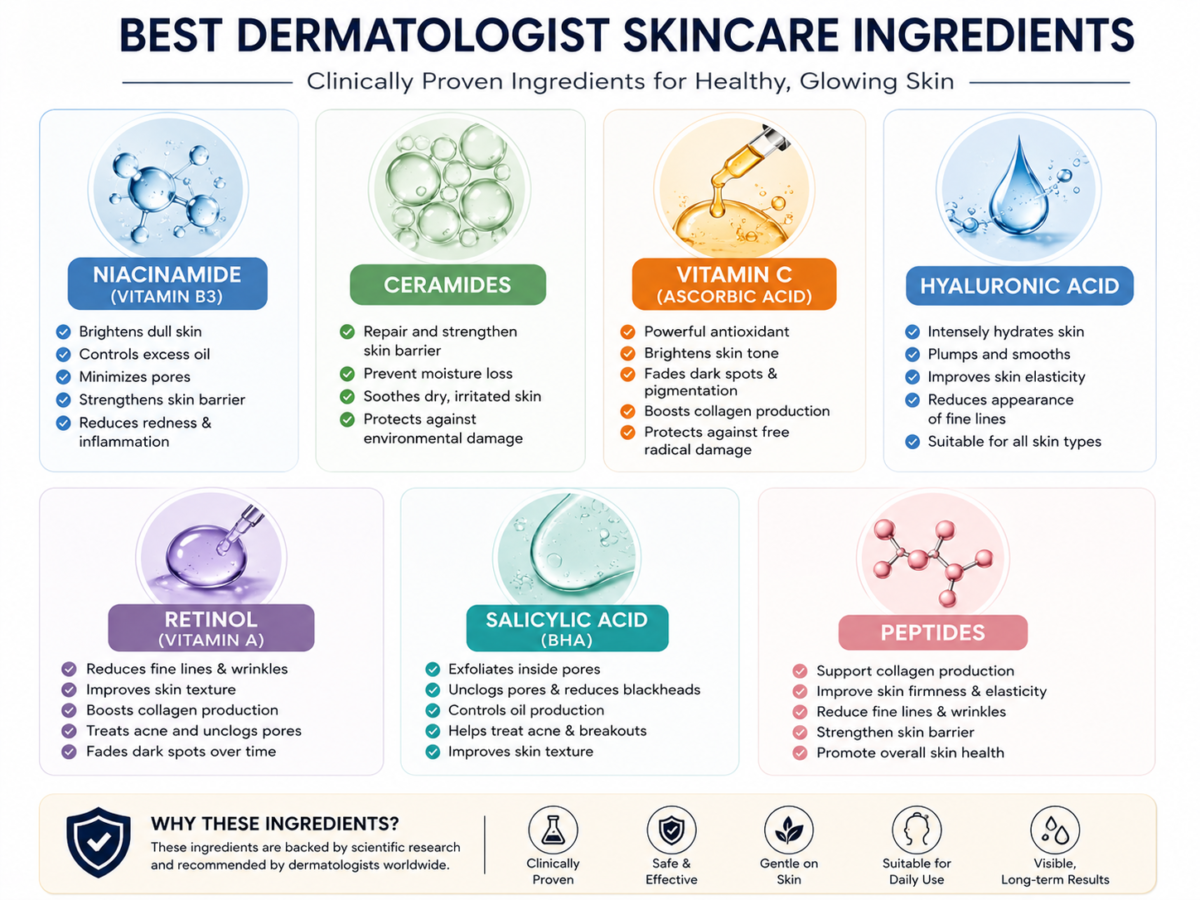
Key Ingredients Dermatologists Trust
You do not need dozens of ingredients for healthy skin.
In fact, many dermatologist-approved routines focus on a small number of well-researched ingredients that work together.
Let’s understand some of the most trusted ones.
Ceramides
Ceramides are natural fats found in your skin.
They help:
- Repair the skin barrier
- Prevent moisture loss
- Reduce dryness
- Protect against environmental damage
Ceramides are especially beneficial for dry and sensitive skin.
Niacinamide
Niacinamide (Vitamin B3) is one of the most versatile skincare ingredients.
Benefits include:
- Brightens dull skin
- Controls excess oil
- Minimizes enlarged pores
- Improves skin barrier function
- Reduces redness
- Helps fade acne marks
Because it is gentle, most skin types can use niacinamide daily.
Hyaluronic Acid
Despite its name, Hyaluronic Acid is a hydrating ingredient rather than an exfoliating acid.
It attracts water into the skin, helping it appear:
- Softer
- Plumper
- Smoother
- More hydrated
It works well for almost every skin type.
Vitamin C
Vitamin C is a powerful antioxidant.
It helps:
- Brighten skin
- Reduce pigmentation
- Improve skin tone
- Protect against environmental damage
- Support collagen production
Morning application is generally recommended, followed by sunscreen.
Retinol
Retinol is a Vitamin A derivative known for its anti-aging benefits.
It can:
- Reduce fine lines
- Improve skin texture
- Stimulate collagen
- Treat acne
- Fade pigmentation
Because retinol may initially cause dryness, beginners should start with a lower concentration and use it only a few nights each week.
Salicylic Acid
Salicylic Acid is ideal for oily and acne-prone skin.
It works by:
- Removing excess oil
- Unclogging pores
- Reducing blackheads
- Preventing acne breakouts
It penetrates inside pores, making it highly effective for oily skin.
Azelaic Acid
Azelaic Acid is a dermatologist favorite because it targets several skin concerns at once.
It helps reduce:
- Acne
- Redness
- Pigmentation
- Post-acne marks
- Uneven skin tone
It is also considered suitable for many people with sensitive skin.
Peptides
Peptides are short chains of amino acids that support healthy skin.
They help:
- Improve firmness
- Strengthen the skin barrier
- Support collagen production
- Reduce visible signs of aging
They are commonly found in premium moisturizers and anti-aging serums.
Building a Dermatologist-Approved Skincare Routine
A good skincare routine does not need ten different products.
Most dermatologists recommend focusing on consistency rather than complexity.
A simple routine often delivers better long-term results than an overcrowded one.
Morning Skincare Routine
Step 1: Gentle Cleanser
Start by removing sweat, excess oil, and impurities that accumulate overnight.
Choose a cleanser suitable for your skin type.
For example:
- Gel cleansers for oily skin
- Cream cleansers for dry skin
- Gentle foaming cleansers for combination skin
Step 2: Treatment Serum
Apply a serum based on your skin concern.
Examples include:
- Vitamin C for brightness
- Niacinamide for oil control
- Hyaluronic Acid for hydration
Allow the serum to absorb before moving to the next step.
Step 3: Moisturizer
Moisturizer keeps the skin barrier healthy by locking in hydration.
Even oily skin benefits from using a lightweight moisturizer.
Skipping moisturizer can sometimes cause the skin to produce even more oil.
Step 4: Sunscreen
This is the most important step in any dermatologist skincare routine.
Daily sunscreen helps prevent:
- Premature aging
- Pigmentation
- Sunburn
- UV damage
Choose a broad-spectrum sunscreen with SPF 30 or higher and apply it every morning, even on cloudy days.
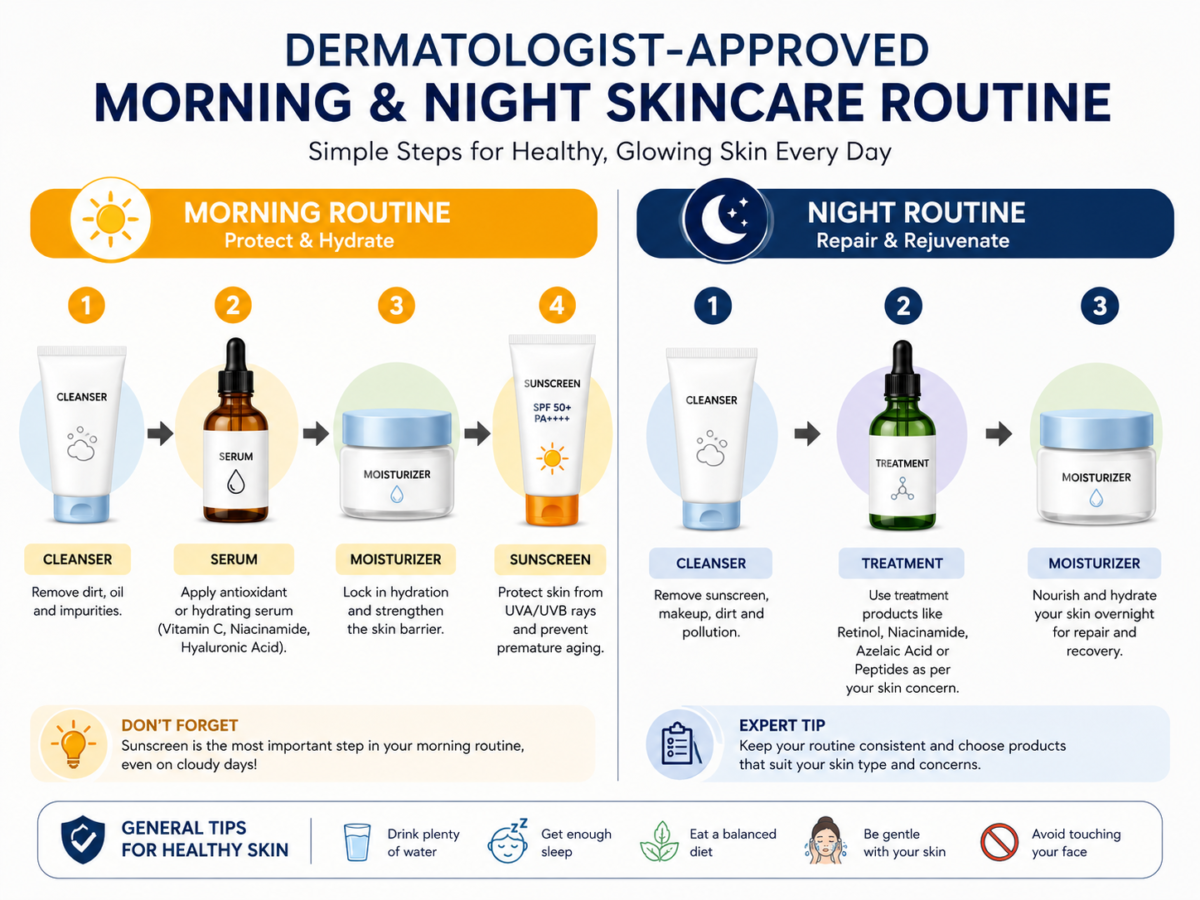
Night Skincare Routine
Nighttime is when your skin naturally repairs itself.
A simple evening routine may include:
Cleanser
Remove sunscreen, makeup, dirt, and pollutants before bed.
Double cleansing may be helpful if you wear heavy makeup or water-resistant sunscreen.
Treatment Product
Night is a good time to use active ingredients such as:
- Retinol
- Azelaic Acid
- Peptides
- Salicylic Acid (if recommended for your skin)
Introduce one active ingredient at a time to reduce the chance of irritation.
Moisturizer
Finish with a nourishing moisturizer to support overnight skin repair and reduce moisture loss.
How to Choose Dermatologist Skincare Based on Your Skin Type
One skincare product cannot meet everyone’s needs. Your skin type plays a major role in choosing products that deliver the best results. Even a clinically tested formula may not work well if it is not suitable for your skin.
Before buying any skincare product, identify whether your skin is oily, dry, combination, sensitive, or normal.
Dermatologist Skincare for Oily Skin
Oily skin produces excess sebum, which can lead to enlarged pores, blackheads, and acne. The goal is not to remove all the oil but to maintain a healthy balance.
Look for ingredients like:
- Salicylic Acid
- Niacinamide
- Zinc PCA
- Green Tea Extract
- Hyaluronic Acid (lightweight hydration)
Choose products that are:
- Oil-free
- Non-comedogenic
- Lightweight
- Gel-based
- Fast absorbing
Avoid:
- Heavy oils
- Thick greasy creams
- Over-cleansing, which may trigger even more oil production
Example: Imagine washing your face five times a day to remove oil. Instead of improving your skin, it may become dehydrated and respond by producing even more oil. A gentle cleanser used twice daily is usually a better approach.
Dermatologist Skincare for Dry Skin
Dry skin lacks moisture and natural oils. It often feels rough, tight, or flaky.
Look for ingredients such as:
- Ceramides
- Hyaluronic Acid
- Glycerin
- Squalane
- Shea Butter
- Panthenol
Choose products that are:
- Cream-based
- Fragrance-free
- Rich in moisturizing ingredients
- Barrier-repairing
Avoid:
- Harsh soaps
- Alcohol-heavy formulas
- Excessive exfoliation
Using a moisturizer immediately after cleansing helps lock in hydration and reduces moisture loss.
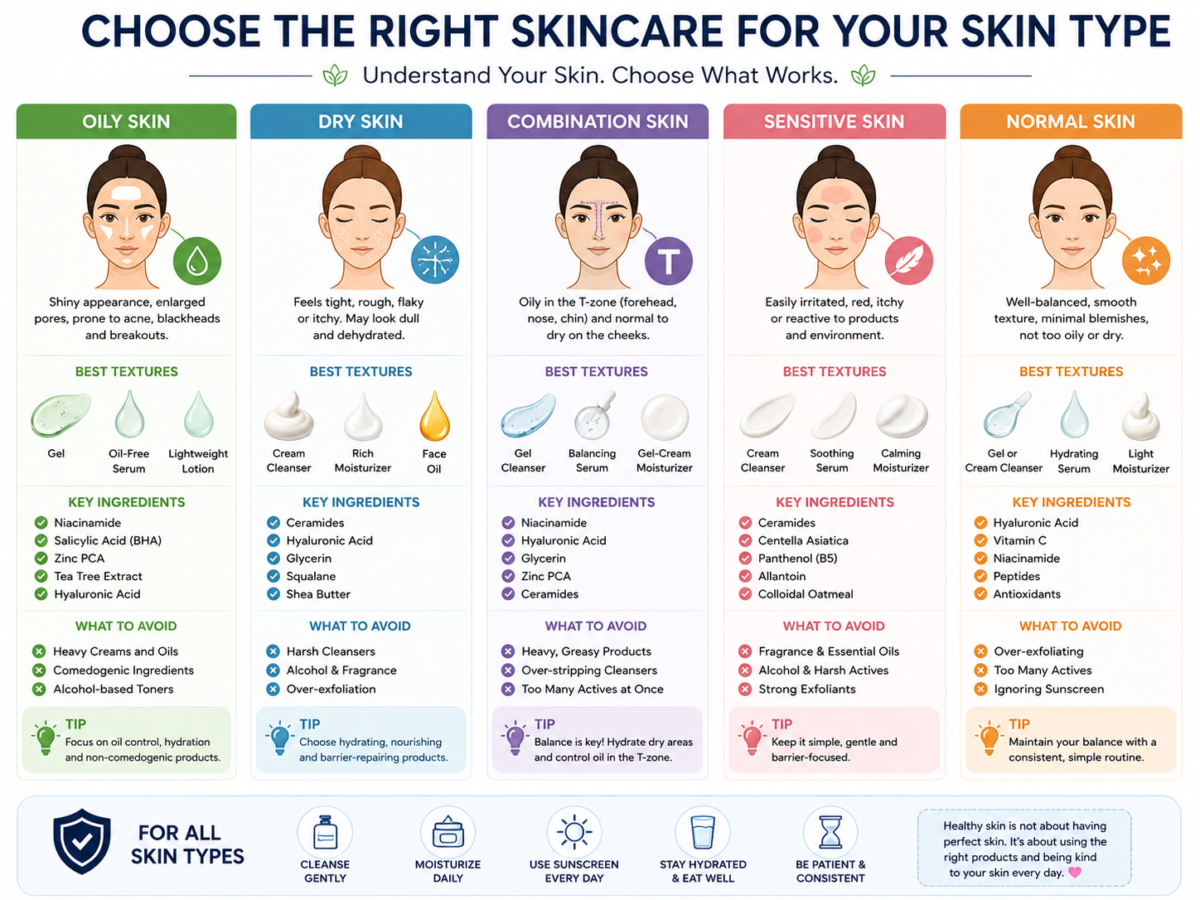
Dermatologist Skincare for Combination Skin
Combination skin has both oily and dry areas, commonly an oily T-zone (forehead, nose, and chin) with normal or dry cheeks.
The best strategy is to maintain balance instead of treating your entire face as oily or dry.
Choose products that:
- Hydrate without feeling heavy
- Control shine in oily areas
- Support the skin barrier
- Contain gentle active ingredients
Many lightweight lotions and gel creams work well for combination skin.
Dermatologist Skincare for Sensitive Skin
Sensitive skin reacts easily to products and environmental changes.
Common symptoms include:
- Redness
- Burning
- Itching
- Dry patches
- Stinging
Dermatologists often recommend simple routines with fewer products.
Look for:
- Ceramides
- Panthenol
- Allantoin
- Colloidal Oatmeal
- Centella Asiatica
Avoid:
- Strong fragrances
- Essential oils in high concentrations
- Harsh scrubs
- High percentages of active ingredients when starting
Introducing products one at a time makes it easier to identify any ingredient that may cause irritation.
Dermatologist Skincare for Normal Skin
Normal skin is naturally balanced but still requires proper care.
A basic routine should include:
- Gentle cleanser
- Antioxidant serum
- Moisturizer
- Daily sunscreen
Maintaining healthy skin is often easier than treating problems after they develop.
Common Myths About Dermatologist Skincare
The skincare industry is full of misinformation. Let’s clear up some common myths.
Myth 1: Expensive Products Always Work Better
Reality:
A higher price does not automatically mean better results. Look at the ingredients, formulation, and clinical support rather than the price tag.
Myth 2: Natural Ingredients Are Always Safer
Reality:
Natural ingredients can also cause allergies or irritation.
For example, some essential oils and plant extracts may trigger reactions in sensitive skin.
Safety depends on the formulation, not whether an ingredient is natural or synthetic.
Myth 3: Oily Skin Doesn’t Need Moisturizer
Reality:
Every skin type needs hydration.
Skipping moisturizer may leave oily skin dehydrated, which can increase oil production.
Myth 4: More Products Mean Better Results
Reality:
Using too many products at once can overwhelm your skin and damage the skin barrier.
A simple routine is often more effective.
Myth 5: You Will See Results Overnight
Reality:
Healthy skin changes gradually.
Most dermatologist-approved products require several weeks of consistent use before noticeable improvements appear.
Patience is an important part of skincare.
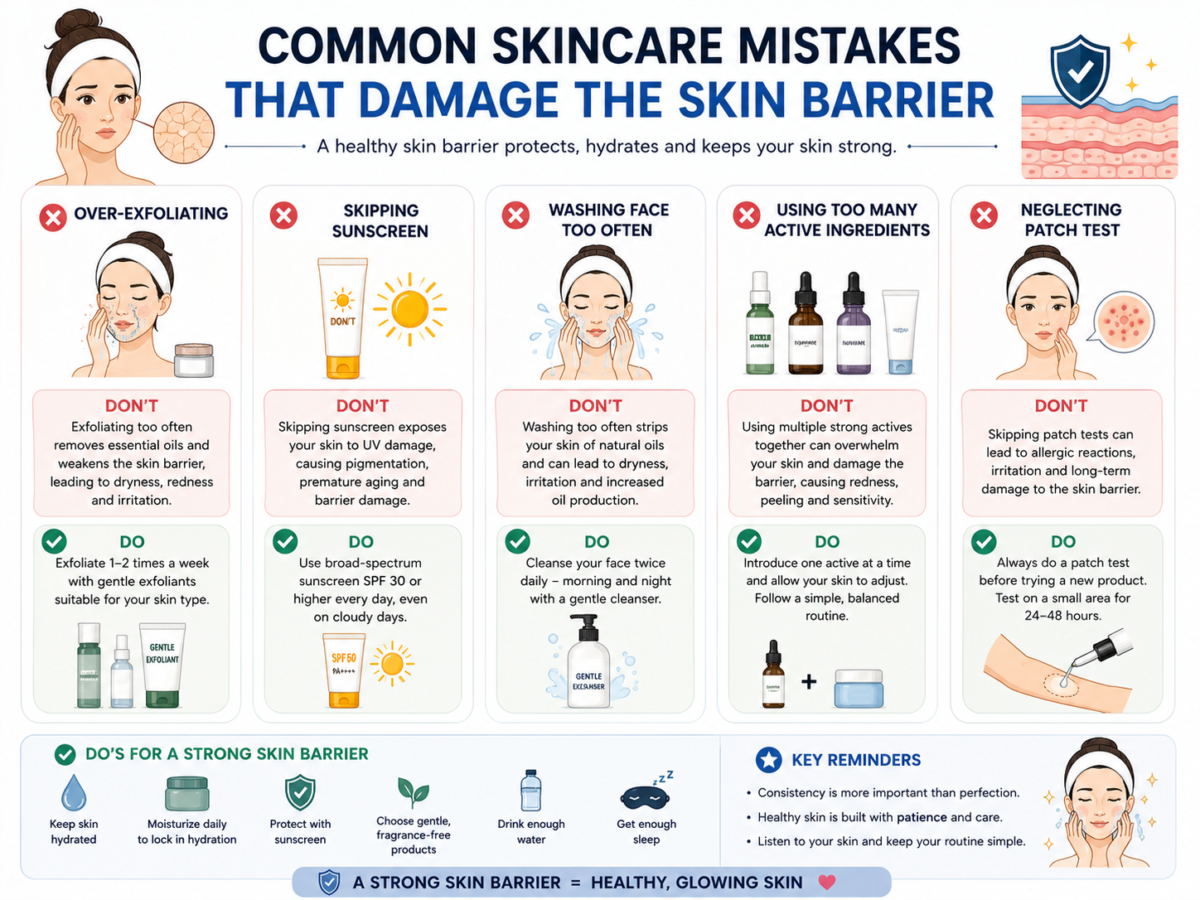
Common Mistakes That Can Damage Your Skin Barrier
The skin barrier protects against moisture loss, pollution, and harmful microorganisms. Damaging it can lead to dryness, irritation, and increased sensitivity.
Avoid these common mistakes:
Washing Your Face Too Often
Cleansing more than necessary can remove the skin’s natural protective oils.
Over-Exfoliating
Using exfoliating acids or scrubs too frequently may cause redness, peeling, and irritation.
Skipping Sunscreen
Sun exposure can worsen pigmentation, accelerate aging, and weaken the skin barrier.
Daily sunscreen is one of the most effective ways to protect your skin.
Mixing Too Many Active Ingredients
Combining strong ingredients without guidance can increase irritation.
For example, beginners should be cautious when layering retinol with high-strength exfoliating acids unless advised by a skincare professional.
Ignoring Patch Tests
Even gentle products may not suit everyone.
Testing a small amount on a discreet area before full application can help identify unwanted reactions.
Professional Tips for Long-Term Healthy Skin
Healthy skin is built through consistent habits rather than occasional treatments.
Here are some dermatologist-inspired tips:
- Cleanse gently twice a day.
- Moisturize according to your skin type.
- Wear sunscreen every morning.
- Stay hydrated throughout the day.
- Get enough sleep to support natural skin repair.
- Eat a balanced diet rich in fruits, vegetables, and healthy fats.
- Avoid picking pimples, as it may lead to scarring.
- Replace skincare products if they expire or change in color, smell, or texture.
- Store active ingredients like Vitamin C in a cool, dry place away from direct sunlight.
- Give each new product enough time to work before deciding whether it suits your skin.
Building a healthy skincare routine is a long-term investment. Consistency, patience, and choosing clinically backed products can make a noticeable difference over time.
he Future of Dermatologist Skincare
Dermatologist skincare continues to evolve as new research helps experts better understand how skin functions. Instead of focusing only on treating visible problems, modern skincare aims to prevent damage, strengthen the skin barrier, and support long-term skin health.
Several exciting trends are shaping the future of clinically backed skincare.
Personalized Skincare
Everyone’s skin is unique. Factors such as age, climate, lifestyle, hormones, and genetics can affect how skin behaves.
Many premium skincare brands are now creating personalized routines based on individual skin concerns instead of offering a one-size-fits-all solution.
For example, two people with acne may receive different product recommendations if one has oily skin while the other has dry, sensitive skin.
Skin Barrier–Focused Formulas
In recent years, dermatologists have emphasized the importance of protecting the skin barrier.
Rather than using strong treatments every day, newer formulations combine active ingredients with nourishing ingredients like ceramides, cholesterol, and fatty acids to reduce irritation while maintaining effectiveness.
This balanced approach supports healthier skin over time.
Smarter Ingredient Combinations
Instead of relying on a single “hero ingredient,” many modern formulations combine complementary ingredients that work well together.
For example:
- Niacinamide + Ceramides for barrier repair and oil balance
- Vitamin C + Vitamin E for antioxidant support
- Hyaluronic Acid + Glycerin for long-lasting hydration
- Peptides + Moisturizers for improved skin firmness
These carefully designed combinations can deliver multiple benefits while remaining gentle on the skin.
Sustainable and Responsible Skincare
Consumers are becoming more aware of environmental responsibility.
Many premium skincare brands are now focusing on:
- Recyclable packaging
- Responsibly sourced ingredients
- Reduced plastic waste
- Cruelty-free product development
- Environmentally conscious manufacturing
Choosing products that are both effective and responsibly made can support healthier skin and a healthier planet.
How to Build a Simple Dermatologist-Approved Routine
If you’re new to skincare, you don’t need a shelf full of products. A consistent routine with a few well-chosen essentials is often enough.
Morning Routine
- Gentle Cleanser
- Antioxidant or Hydrating Serum
- Moisturizer
- Broad-Spectrum Sunscreen (SPF 30 or higher)
Evening Routine
- Gentle Cleanser
- Treatment Product (if needed)
- Moisturizer
Once your skin adjusts to this basic routine, you can slowly introduce additional products based on your skin goals.
Final Thoughts
Healthy skin is not achieved through overnight miracles or viral skincare trends. It comes from understanding your skin, using products backed by science, and maintaining a routine that you can follow consistently.
Dermatologist skincare stands apart because it combines clinical research, carefully selected ingredients, and expert knowledge to support long-term skin health rather than offering temporary cosmetic improvements.
Whether your goal is clearer skin, better hydration, reduced pigmentation, or healthier aging, choosing clinically backed skincare can help you make informed decisions with greater confidence.
Remember that every skin type is different. The best routine is not the one with the most products but the one that suits your skin’s unique needs and is followed consistently.
With patience, daily sun protection, and evidence-based skincare, you can build healthier, stronger, and more resilient skin for years to come.
Frequently Asked Questions (FAQs)
1. What is dermatologist skincare?
Dermatologist skincare refers to skincare products that are developed, tested, or recommended using scientific research and clinical expertise. These products are designed to improve skin health safely and effectively.
2. Is dermatologist skincare suitable for all skin types?
Yes. There are dermatologist-developed products available for oily, dry, combination, sensitive, and normal skin. Choosing products that match your skin type is the key to achieving the best results.
3. Is premium skincare worth the investment?
Premium skincare often offers higher-quality ingredients, advanced formulations, and better stability. While not every expensive product is superior, clinically backed premium skincare can provide reliable long-term benefits when selected appropriately.
4. How long does dermatologist skincare take to show results?
Results vary depending on the product and skin concern. Many people notice improvements within 4 to 12 weeks of consistent use, although hydration may improve sooner.
5. Can I use dermatologist skincare every day?
Most dermatologist-recommended cleansers, moisturizers, and sunscreens are designed for daily use. Active ingredients such as retinol or exfoliating acids should be introduced gradually according to product instructions.
6. Do I need sunscreen if I use dermatologist skincare?
Yes. Daily sunscreen is essential because many active ingredients can make the skin more sensitive to sunlight. Sunscreen also helps prevent pigmentation, premature aging, and UV damage.
7. Can beginners use active ingredients like retinol?
Yes, but beginners should start with a low concentration and use it only a few nights per week. Applying a moisturizer afterward can help reduce dryness and irritation.
8. What is the most important step in any skincare routine?
Daily sunscreen is widely considered one of the most important steps because it protects the skin from UV damage and helps preserve the benefits of your skincare routine.