Types of Cosmetic Products: Skincare, Haircare & Personal Care Explained in Detail

Types of Cosmetic Products: Skincare, Haircare & Personal Care Explained in Detail

Introduction

The cosmetic industry is vast and diverse, covering a wide range of products used in daily life. From face creams and shampoos to soaps and deodorants, cosmetic products are designed to cleanse, protect, nourish, and enhance appearance.

Understanding the types of cosmetic products is essential for:

  • Cosmetic manufacturers

  • Private label brand owners

  • Entrepreneurs entering the cosmetic business

  • Students and beginners learning cosmetic formulation

In this article, we will clearly explain the three major categories of cosmetic products:

  1. Skincare products

  2. Haircare products

  3. Personal care products

Each category follows a different formulation logic, manufacturing process, and market demand.

Main Categories of Cosmetic Products

Cosmetic products are mainly divided into the following segments:

CategoryPurpose
SkincareSkin protection & improvement
HaircareHair & scalp maintenance
Personal CareDaily hygiene & freshness

Let’s understand each category in detail.

1. Skincare Products

Skincare products are designed to maintain healthy skin, improve texture, and protect against external damage such as pollution, sun exposure, and dryness.

Common Skincare Products

Product TypeUsage
Face Wash & CleanserRemoves dirt & oil
Creams & LotionsMoisturization
SerumsTargeted skin concerns
SunscreenUV protection
Face MasksDeep nourishment

Key Ingredients Used in Skincare

  • Emollients (oils, butters)

  • Humectants (glycerin, hyaluronic acid)

  • Emulsifiers

  • Preservatives

  • Active ingredients (niacinamide, vitamin C)

📌 Formulation Focus:
Skincare products require precise pH control, stability testing, and skin safety evaluation.

👉 Related read:
What Is the Cosmetic Industry? Complete Overview from Manufacturing to Dispatch
(Internal link to your Day 1 article)

2. Haircare Products

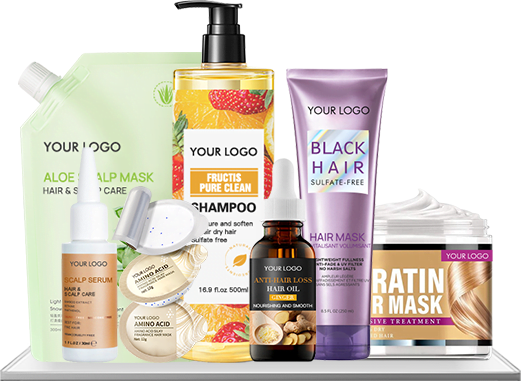
Haircare products are used to clean, protect, strengthen, and style hair and scalp. This segment has strong repeat demand in the cosmetic market.

Common Haircare Products

Product TypeFunction
ShampooCleans scalp & hair
ConditionerSmoothens hair
Hair OilNourishment
Hair MaskDeep repair
Hair SerumShine & frizz control

Key Ingredients Used in Haircare

  • Surfactants

  • Conditioning agents

  • Thickeners

  • Preservatives

  • Fragrance systems

📌 Formulation Focus:
Haircare products must balance cleansing power and mildness to avoid scalp irritation.

3. Personal Care Products

Personal care products are used for daily hygiene and body freshness. These products are essential and have consistent market demand.

Common Personal Care Products

Product TypePurpose
Soap & Body WashBody cleansing
DeodorantsOdor control
Hand WashHand hygiene
Talcum PowderSweat absorption
Oral Care ProductsMouth hygiene

Key Ingredients Used in Personal Care

  • Cleansing agents

  • Antimicrobial ingredients

  • Fragrance blends

  • Stabilizers

  • Approved colors

📌 Formulation Focus:
Personal care products require strong microbial safety and shelf-life stability.

Comparison Between Skincare, Haircare & Personal Care Products

FeatureSkincareHaircarePersonal Care
Skin contactHighMediumMedium
pH sensitivityVery highMediumLow
Actives usedYesLimitedRare
Repeat usageMediumHighVery high

Manufacturing Considerations for Each Category

Different cosmetic categories require different manufacturing approaches:

  • Skincare → Emulsion stability is critical

  • Haircare → Viscosity and foam balance

  • Personal Care → Cost efficiency & volume

Understanding product category helps in:
✔️ Equipment selection
✔️ Raw material sourcing
✔️ Pricing strategy
✔️ Market positioning

Market Demand & Business Opportunity

Among cosmetic product categories:

  • Skincare has high margin

  • Haircare has high repeat sales

  • Personal care has mass demand

Many successful cosmetic brands start with one category and later expand into others.

Common Mistakes Beginners Make

❌ Mixing all product types under one formulation logic
❌ Ignoring pH requirements
❌ Using same preservative system for all categories
❌ Not understanding target users

✔️ Each cosmetic category must be treated professionally and separately.

Frequently Asked Questions (FAQ)

1. Which cosmetic category is best for beginners?

Haircare and personal care products are easier for beginners compared to advanced skincare formulations.

Q2. Can one factory manufacture all cosmetic categories?

Yes, but equipment, formulation expertise, and QC processes differ.

Q3. Are cosmetic regulations same for all categories?

Basic rules are same, but label claims and safety requirements vary.

Conclusion

nderstanding the types of cosmetic products is a fundamental step in the cosmetic industry. Skincare, haircare, and personal care products may look similar to consumers, but their formulation science, manufacturing process, and quality control requirements are very different.

Choosing the right category helps manufacturers and brand owners reduce risk and increase success.
What Is the Cosmetic Industry? Complete Overview from Manufacturing.

What Is the Cosmetic Industry? Complete Overview from Manufacturing to Packaging and Dispatch

Introduction

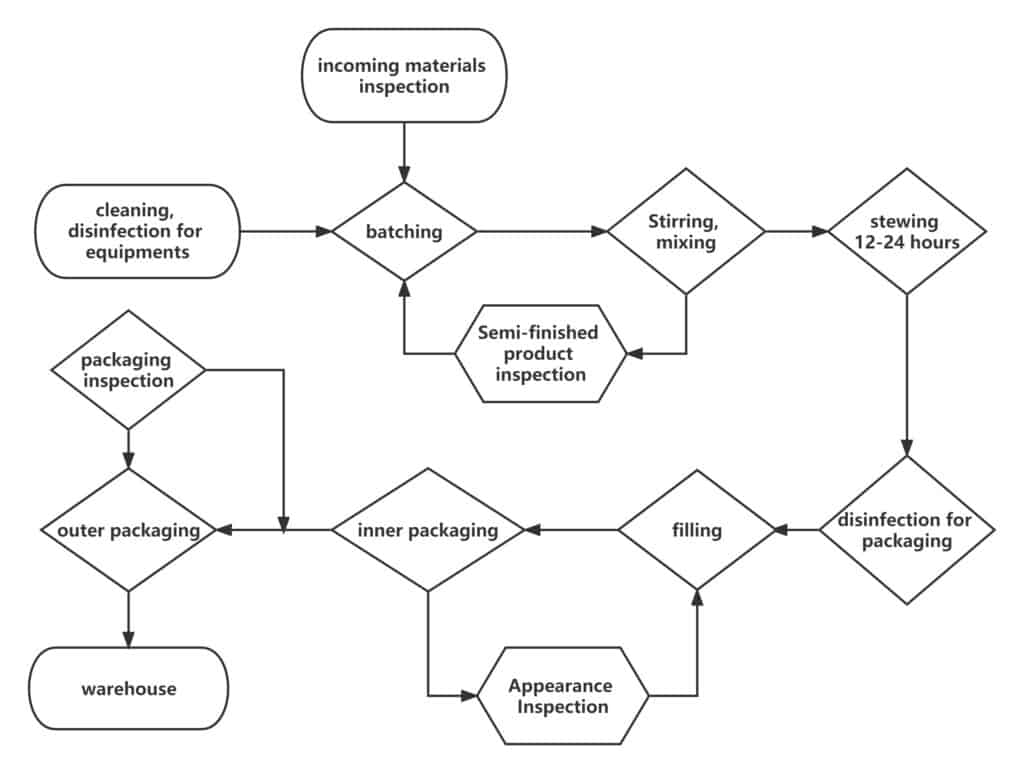
The cosmetic industry covers everything from product concept creation to final dispatch of finished cosmetic products. It is not limited to mixing ingredients only. A professional cosmetic product goes through multiple controlled stages such as formulation, manufacturing, quality control, packaging, storage, and dispatch.

This article explains the complete cosmetic industry workflow, starting from manufacturing and ending at dispatch, in a simple and professional way.

What Is the Cosmetic Industry?

The cosmetic industry includes companies and manufacturers involved in:

  • Developing cosmetic formulations
  • Manufacturing cosmetic products
  • Packaging and labeling
  • Storing and dispatching finished goods

Cosmetic products are designed for external use only and focus on cleansing, protecting, beautifying, or improving appearance.

Major Segments of the Cosmetic Industry

  • Skincare products
  • Haircare products
  • Personal hygiene products
  • Color cosmetics

Each segment follows a similar manufacturing-to-dispatch workflow, with minor technical differences.

Complete Cosmetic Manufacturing Process (Step-by-Step)

Step 1: Product Planning & Concept Development

Before manufacturing starts, planning is done for:

  • Product type (cream, lotion, shampoo, serum, soap)
  • Target users (men, women, baby, sensitive skin)
  • Claims (herbal, sulfate-free, paraben-free)
  • Texture, fragrance, and color preference

This stage decides commercial success or failure of the product.

Step 2: Raw Material Procurement & Approval

Only approved cosmetic-grade raw materials are selected, such as:

  • Oils and butters
  • Water-phase ingredients
  • Emulsifiers
  • Thickeners
  • Preservatives
  • Fragrances and colors

Each raw material is checked for:

  • Certificate of Analysis (COA)
  • Safety data
  • Compatibility

Step 3: Cosmetic Formulation Development

Formulation is the backbone of cosmetic manufacturing and includes:

  • Percentage calculation of ingredients
  • Oil phase and water phase separation
  • pH range selection
  • Stability planning

Without a proper formulation, no cosmetic product can survive in the market.

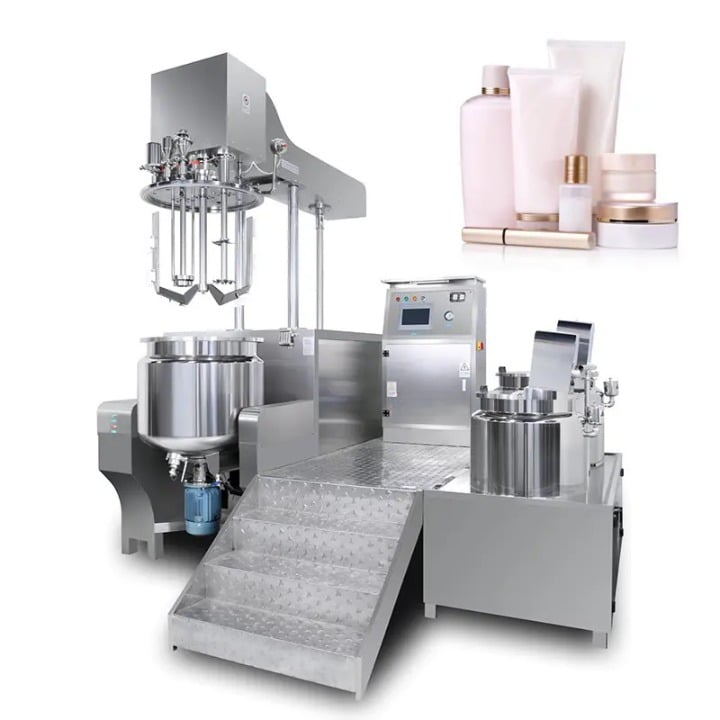
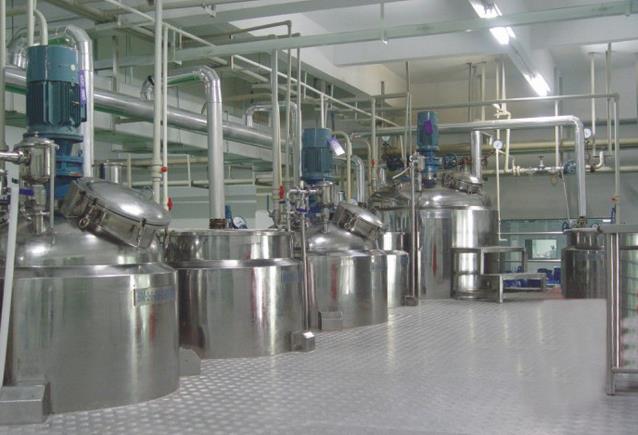
Step 4: Manufacturing Process (Production Stage)

4.1 Preparation of Water Phase

Water-soluble ingredients are added

Heated to required temperature (usually 70–75°C)

4.2 Preparation of Oil Phase

Oils, waxes, emulsifiers are melted

Heated to the same temperature as water phase

4.3 Emulsification

Oil phase is slowly added to water phase

Mixing is done using a homogenizer or stirrer

4.4 Cooling Phase

  • Batch is cooled gradually
  • Heat-sensitive ingredients are added below 40°C

This step ensures stable and smooth texture.

Step 5: Quality Control (QC) & In-Process Testing

Quality control is mandatory at every stage.

Key Tests Include:

  • pH testing
  • Viscosity check
  • Color and odor check
  • Appearance and texture
  • Microbial safety (if applicable)

❗ Without QC, products may fail in the market or get customer complaints.

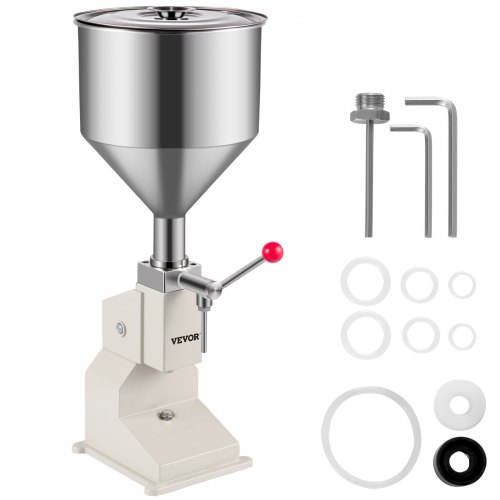
Step 6: Filling Process (Bulk to Pack Conversion)

https://img.vevorstatic.com/us%2FYTGZJ10M110SDGZJ1V0%2Fgoods_img-v10%2Fliquid-filling-machine-m100-1.2.jpg?format=webp&format=webp&timestamp=1645583828000&utm_source=chatgpt.com

After QC approval, the product moves to filling.

Filling Includes:

  • Selecting suitable containers (jar, bottle, tube)
  • Using filling machines or manual filling
  • Weight and volume accuracy check
  • Leakage testing

This stage converts bulk product into saleable units.

Step 7: Packaging & Labeling

Packaging protects the product and provides legal information.

Primary Packaging

  • Container holding the product (jar, bottle, tube)

Secondary Packaging

  • Outer box or shrink wrap

Label Must Contain:

  • Product name
  • Ingredient list (INCI names)
  • Batch number
  • Manufacturing & expiry date
  • Usage instructions

Incorrect labeling can lead to legal issues.

Step 8: Finished Goods Storage

After packaging, products are stored in controlled conditions.

Storage Guidelines:

  • Clean and dry warehouse
  • Controlled temperature
  • FIFO system (First In, First Out)
  • Batch-wise stacking

Improper storage can reduce shelf life.

Step 9: Dispatch & Logistics (Final Step)

Dispatch is the final stage of the cosmetic industry workflow.

Dispatch Process Includes:

  • Order verification
  • Invoice and documentation
  • Secondary protective packing
  • Transport mode selection (road, courier, freight)

Important Dispatch Points:

  • Product safety during transport
  • Avoid heat and leakage
  • Proper carton labeling
  • Tracking and delivery confirmation

Efficient dispatch ensures customer satisfaction and brand trust.

Why Manufacturing-to-Dispatch Control Is Important?

Complete control from manufacturing to dispatch ensures:

  • Consistent product quality
  • Reduced returns and complaints
  • Legal compliance
  • Strong brand reputation

Cosmetic Industry vs Random Homemade Products

rofessional Cosmetic IndustryHomemade Mixing
Scientific formulationNo formulation
Quality controlNo testing
Legal complianceHigh risk
Shelf life stabilityUnstable

Conclusion

The cosmetic industry is a system-driven industry, not a random mixing process. From formulation and manufacturing to packaging, storage, and dispatch, every step must be properly controlled.

Understanding this complete workflow is essential for anyone planning to enter cosmetic manufacturing or private label business.

What Is Emulsion in the Cosmetic Industry? A Complete A–Z Guide

An emulsion is a mixture of two immiscible liquids, typically oil and water, where one liquid is dispersed into the other in the form of tiny droplets with the help of an emulsifying agent (emulsifier).

In cosmetics:

  • Oil phase: Oils, butters, waxes, oil-soluble actives
  • Water phase: Water, hydrosols, water-soluble actives
  • Emulsifier: A substance that binds oil and water together

Without an emulsifier, oil and water will naturally separate.

Basic formula:

Oil Phase + Water Phase + Emulsifier = Stable Emulsion

Introduction

In the cosmetic industry, emulsion is the foundation of most personal care products. From face creams and body lotions to sunscreens and conditioners, emulsions play a critical role in determining product stability, texture, performance, appearance, and shelf life.

Despite its importance, emulsion science is often misunderstood. Many batch failures, product recalls, and customer complaints are directly linked to poor emulsification or emulsion breakage.

This article provides a complete A–Z explanation of emulsions in cosmetics, covering:

  • What an emulsion is
  • Types of emulsions
  • Why emulsification is essential
  • What happens if emulsion fails
  • Effects on color, fragrance, and batch quality
  • What to do if emulsion breaks

This guide is written for manufacturers, formulators, cosmetic chemists, and brand owners.

What Is an Emulsion?

In cosmetics:

An emulsion is a mixture of two immiscible liquids, typically oil and water, where one liquid is dispersed into the other in the form of tiny droplets with the help of an emulsifying agent (emulsifier).

  • Oil phase: Oils, butters, waxes, oil-soluble actives
  • Water phase: Water, hydrosols, water-soluble actives
  • Emulsifier: A substance that binds oil and water together

Without an emulsifier, oil and water will naturally separate.

Basic formula:

Oil Phase + Water Phase + Emulsifier = Stable Emulsion

Why Oil and Water Do Not Mix Naturally

Oil molecules are hydrophobic, while water molecules are hydrophilic. Due to this difference in molecular polarity, oil and water repel each other.

An emulsifier has:

  • A hydrophilic (water-loving) part
  • A lipophilic (oil-loving) part

This dual nature allows it to stay at the oil-water interface and keep the system stable.

Why Emulsification Is Essential in Cosmetics

Emulsification is not optional — it is mandatory for most cosmetic products.

Key Reasons Emulsion Is Required

  • To create a uniform and smooth texture
  • To prevent oil and water separation
  • To ensure even distribution of actives
  • To improve absorption and skin feel
  • To enhance product appearance
  • To increase shelf life and stability

Without proper emulsification, a cosmetic product becomes unstable, unsafe, and unmarketable.

Types of Emulsions in the Cosmetic Industry

1. Oil in Water (O/W) Emulsion

In this system:

  • Oil droplets are dispersed in water
  • Water is the continuous phase

Common Products:

  • Face creams
  • Body lotions
  • Sunscreens
  • Moisturizers
  • Serums

Characteristics:

  • Lightweight
  • Non-greasy
  • Fast absorbing
  • Easy to wash off
  • Preferred for day and summer products

This is the most widely used emulsion type in cosmetics.


2. Water in Oil (W/O) Emulsion

In this system:

  • Water droplets are dispersed in oil
  • Oil is the continuous phase

Common Products:

  • Cold creams
  • Night creams
  • Heavy moisturizers
  • Barrier repair creams

Characteristics:

  • Rich and greasy
  • Highly moisturizing
  • Excellent water resistance
  • Ideal for dry or damaged skin

3. Multiple Emulsions (W/O/W or O/W/O)

These are advanced emulsions where droplets exist inside droplets.

Applications:

  • Controlled release products
  • Sensitive skin formulations
  • Pharmaceutical-grade cosmetics
  • Luxury skincare

These emulsions require precise formulation and advanced processing.

Role of Emulsifiers in Cosmetic Formulations

Emulsifiers are the backbone of any emulsion system.

Functions of Emulsifiers

  • Reduce surface tension
  • Stabilize oil and water phases
  • Control droplet size
  • Improve texture and viscosity
  • Enhance product stability

Common Cosmetic Emulsifiers

EmulsifierApplication
Glyceryl StearateCreams, lotions
PEG-100 StearateO/W emulsions
Polysorbate 60 / 80Solubilization
Cetearyl AlcoholCo-emulsifier
Sorbitan EstersW/O systems

Choosing the correct emulsifier and HLB value is critical for success.

Why Emulsion Is Critical in Creams and Lotions

Creams and lotions contain:

  • Water
  • Oils
  • Actives
  • Colorants
  • Fragrance

Without emulsion:

  • Oil floats to the top
  • Water settles at the bottom
  • Actives become uneven
  • Product looks defective

A stable emulsion ensures:

  • Uniform appearance
  • Smooth application
  • Consistent dosing
  • Consumer trust

What Is Emulsion Breakage?

Emulsion breakage occurs when oil and water separate after emulsification.

Visible Signs of Emulsion Failure

  • Oil layer on top
  • Water leakage from cream
  • Grainy or curdled texture
  • Color separation
  • Unpleasant odor
  • Sudden viscosity loss

Once an emulsion breaks, the product is considered unstable.

Causes of Emulsion Breakage

1. Incorrect Emulsifier Selection

  • Wrong HLB value
  • Insufficient emulsifier quantity

2. Temperature Errors

  • Oil and water phases not heated equally
  • Overheating above 75°C
  • Rapid cooling

3. Improper Mixing or Homogenization

  • Low shear force
  • Incorrect RPM
  • Short mixing time

4. pH Imbalance

  • pH-sensitive emulsifiers
  • Acidic or alkaline actives added later

5. Electrolytes and Actives

  • Herbal extracts
  • Salts
  • Acids (AHA, BHA)
  • High active load

Effect of Emulsion Breakage on Color

  • Uneven color distribution
  • Patchy appearance
  • Pigment settling
  • Dull or faded shade
  • Whitening or streaking

This directly affects visual appeal and market acceptance.

Effect of Emulsion Breakage on Fragrance

  • Fragrance evaporation
  • Loss of top notes
  • Odor imbalance
  • Chemical or rancid smell

Fragrance instability often leads to consumer rejection.

Impact on Batch Quality and Business

  • Batch rejection
  • Increased production cost
  • Customer complaints
  • Product recalls
  • Brand reputation damage
  • Regulatory risk

Even a small emulsion failure can cause major financial loss.

What To Do If an Emulsion Breaks

Step-by-Step Corrective Actions

1. Reheating and Re-homogenization

  • Heat both phases to 65–70°C
  • Apply high-shear mixing
  • Cool gradually with stirring

2. Add Additional Emulsifier

  • Increase by 0.2–0.5%
  • Maintain HLB balance

3. Add Stabilizing Thickeners

  • Xanthan Gum
  • Carbomer
  • Sepiplus
  • Aristoflex

4. Adjust pH

  • Target pH: 5.0 – 6.5
  • Use citric acid or sodium hydroxide

When a Batch Should Be Rejected

  • Permanent color change
  • Strong off-odor
  • Microbial growth
  • Repeated separation
  • Texture degradation

In such cases, reprocessing is unsafe and uneconomical.

Stability Testing for Emulsions

To prevent future failures:

  • Hot-cold cycle test
  • Centrifuge test
  • Accelerated stability test
  • Long-term storage test

Stability testing is non-negotiable for commercial products.

Conclusion

Emulsion is the backbone of cosmetic formulation. A well-designed emulsion ensures product stability, performance, safety, and customer satisfaction.

Poor emulsification leads to:

  • Product failure
  • Financial loss
  • Brand damage

Mastering emulsion science is essential for anyone involved in cosmetic manufacturing or formulation.

A strong emulsion is not just chemistry — it is product success.

EUXYL™ PE 9010 Preservative: Uses, Benefits, INCI Name, Safety & Applications in Personal Care

In modern personal and home care formulations, effective preservation is critical for product safety, stability, and shelf life. One preservative system that has gained wide global acceptance is EUXYL™ PE 9010.

This blog provides a complete technical overview of EUXYL™ PE 9010, including its chemistry, INCI name, mechanism of action, benefits, applications, usage levels, regulatory status, and future relevance in cosmetic and personal care products.

What is EUXYL™ PE 9010?

EUXYL™ PE 9010 is a liquid, broad-spectrum preservative system designed for use in personal care and cosmetic products. It is especially valued for its mildness, stability, and effectiveness across a wide pH and temperature range. It is commonly used in:

Leave-on and rinse-off products

Hair care products

Skin care formulations

Wet wipes

Transparent gels

Chemistry & INCI Name of EUXYL™ PE 9010

Chemistry Type

  • Antimicrobials
  • Multifunctional preservative system
  • Phenoxyethanol-based blend

INCI / Chemical Name

Phenoxyethanol (and) Ethylhexylglycerin

This combination delivers synergistic antimicrobial action, making EUXYL™ PE 9010 more effective than single preservatives.

How EUXYL™ PE 9010 Works (Mechanism of Action)

EUXYL™ PE 9010 protects cosmetic products through a dual-action antimicrobial mechanism:

1. Phenoxyethanol

  • Disrupts microbial cell membranes
  • Highly effective against bacteria
  • Provides reliable preservation in water-based systems

2. Ethylhexylglycerin

  • Reduces interfacial tension at the microorganism cell membrane
  • Enhances penetration of phenoxyethanol
  • Boosts overall antimicrobial efficacy
  • Acts as a mild skin-conditioning agent

👉 Together, these two components offer strong broad-spectrum protection against:

  • Gram-positive bacteria
  • Gram-negative bacteria
  • Yeast
  • Mold

Key Features and Benefits of EUXYL™ PE 9010

✔ Strong Broad-Spectrum Efficacy

Effectively protects formulations from microbial contamination throughout their shelf life.

✔ Mild, Liquid Preservative Blend

  • Easy to handle
  • Easy to incorporate
  • Suitable for sensitive formulations

✔ Ideal for Transparent Gels

Does not affect clarity, making it an excellent choice for:

  • Clear shampoos
  • Hair gels
  • Face washes
  • Hand washes

✔ Excellent Stability

  • Stable to hydrolysis
  • Stable across temperature variations
  • Effective over a wide pH range (3–12)

✔ Microbiome-Gentle

Designed to be effective against harmful microorganisms while remaining gentle to the skin microbiome.

Applications of EUXYL™ PE 9010

EUXYL™ PE 9010 is suitable for a wide range of personal care applications.

Application Suitability Table

Application TypeSuitability
Leave-on products+++ Highly Recommended
Rinse-off products+ Suitable
Wet wipes+++ Highly Recommended

Common Product Categories

  • Shampoos
  • Conditioners
  • Hair serums
  • Face creams & lotions
  • Sunscreens
  • Body washes
  • Liquid soaps
  • Wet wipes
  • Transparent gels

Its flexibility makes it a go-to preservative system for formulators.

Recommended Use Levels

  • Typical use level: 0.5 – 1.0%
  • Exact dosage depends on:
    • Water activity
    • Product type
    • Microbial risk profile
    • Packaging
    • Always confirm dosage through preservative efficacy testing (PET / challenge test)

Processing Guidelines

Temperature

  • Maximum production temperature: below 120°C

Phase Addition

  • Can be added during the cool-down phase
  • Compatible with standard cosmetic manufacturing processes

pH Compatibility

  • Effective in pH range 3 – 12
  • Suitable for acidic, neutral, and mildly alkaline formulations

Regulatory & Global Compliance

EUXYL™ PE 9010 complies with major global cosmetic regulations.

Approved Regions

  • Brazil
  • Canada
  • China
  • European Union
  • Japan
  • Mexico
  • United States

This makes it ideal for international brands and export-oriented formulations.

Technology & Formulation Philosophy

EUXYL™ PE 9010 aligns well with modern “cleaner” formulation requirements.

Free From:

  • Formaldehyde donors
  • Halogens
  • Isothiazolinones
  • Parabens

Technology Highlights:

  • Multifunctional ingredient system
  • Phenoxyethanol-based preservation
  • Modern paraben-alternative approach

Why Formulators Choose EUXYL™ PE 9010

Formulators prefer EUXYL™ PE 9010 because it offers:

  • Reliable microbial protection
  • Ease of formulation
  • Broad compatibility with ingredients
  • Minimal impact on color, odor, and clarity
  • Regulatory confidence across markets

It is particularly useful when:

  • Developing transparent products
  • Formulating leave-on cosmetics
  • Creating export-ready products

Cost Impact on Finished Products

From a manufacturing perspective, EUXYL™ PE 9010 is cost-efficient.

Cost Advantages:

  • Low effective use levels
  • Reduces need for multiple preservatives
  • Minimal impact on final product cost
  • Helps avoid reformulation costs due to instability

For brands, it offers excellent value-to-performance ratio.

EUXYL™ PE 9010 in Hair Care Products

In hair care formulations, EUXYL™ PE 9010 is especially valuable because:

  • Shampoos and conditioners are water-rich
  • Hair products face high microbial exposure
  • Transparent hair products require clarity

It helps maintain:

  • Product safety
  • Shelf life
  • Consumer trust

Future Scope of EUXYL™ PE 9010

The demand for mild, globally accepted preservative systems is increasing due to:

  • Growth of sensitive skin products
  • Expansion of international cosmetic markets
  • Regulatory pressure on older preservatives

EUXYL™ PE 9010 is well-positioned to remain a long-term preservative solution in:

  • Hair care
  • Skin care
  • Wet wipes
  • Hybrid cosmetic formulations

EUXYL™ PE 9010 vs Traditional Preservatives

Compared to older preservative systems, EUXYL™ PE 9010 offers:

  • Better consumer acceptance
  • Improved formulation flexibility
  • Lower irritation potential (when used correctly)
  • Cleaner label positioning

This makes it a preferred choice for modern cosmetic science.

FAQs – EUXYL™ PE 9010

Is EUXYL™ PE 9010 safe for leave-on products?

Yes, when used within recommended limits and properly tested.

Can it be used in natural formulations?

It is commonly used in modern and hybrid formulations, though not certified natural.

Does it affect product clarity?

No, it is ideal for transparent formulations.

Is challenge testing required?

Yes, preservative efficacy testing is always recommended.

Final Conclusion

EUXYL™ PE 9010 is a high-performance, broad-spectrum preservative system that meets the demands of modern cosmetic and personal care formulations. Its mildness, stability, global regulatory acceptance, and formulation flexibility make it a reliable choice for both small manufacturers and large brands.

As the industry continues to evolve toward safer, smarter, and globally compliant products, EUXYL™ PE 9010 will remain a key preservative solution in the personal care sector.

How to Use Lip Gloss: Steps, Benefits & Long-Lasting Tips (Complete Guide)

Lip gloss is a magical handbag essential that can instantly transform your look—from natural daytime shine to luxe glossy glam for parties. But applying lip gloss the right way and making it last longer is a real skill!

In this detailed guide, we’ll cover how to apply lip gloss perfectly, how to layer it with lipstick, use lip oil the right way, keep dry lips hydrated, dos & don’ts, and even disadvantages you must know.

Let’s get your lips glossy and gorgeous! 💋

📌 Table of Contents

1️⃣ What Is Lip Gloss & Why It’s Popular
2️⃣ Step-by-Step Guide: How to Use Lip Gloss
3️⃣ How to Apply Lip Gloss Over Lipstick
4️⃣ How to Apply Lip Gloss Without Lipstick
5️⃣ How Beginners Should Use Lip Gloss
6️⃣ Lip Gloss vs Lip Oil: How to Use Lip Oil
7️⃣ Lip Gloss for Dry Lips (Hydration Routine)
8️⃣ Creative Uses of Lip Gloss
9️⃣ Disadvantages of Lip Gloss
🔟 Expert Tips: How to Make Lip Gloss Last Longer
1️⃣1️⃣ Final Glossy Conclusion

1️⃣ What Is Lip Gloss & Why It’s Popular?

Lip gloss adds shine, hydration, plump-effect, and effortless beauty.
Modern lip glosses include ingredients like:

  • Hyaluronic Acid → deep hydration

  • Vitamin E → soft, smooth lips

  • Jojoba/Argan Oil → nourishment

  • Peppermint/Capsicum Extract → plumping

💡 Perfect for both everyday casual looks & bold glam nights!

2️⃣ Step-by-Step Guide: How to Use Lip Gloss

Follow this pro-approved routine:

⭐ Step 1: Prep Your Lips

✔ Exfoliate using lip scrub (sugar + honey home scrub works!)
✔ Moisturize with a lip balm
✔ Blot extra balm to avoid slipperiness

⭐ Step 2: Line & Shape Lips

✔ Use a lip liner to define shape
✔ Prevent gloss from feathering

⭐ Step 3: Apply Gloss

✔ Place gloss at center of lower lip
✔ Press lips together → even spread
✔ Glide applicator outward gently
✔ Use thin layers to avoid stickiness

💡 For fuller lips: add a small extra drop in center only!

3️⃣ How to Apply Lip Gloss Over Lipstick

Want shiny glam with extra color? Do this:

✔ Apply a matte lipstick first
✔ Blot excess product
✔ Then add one thin coat of gloss
✔ Avoid applying too close to corners
✔ Reapply only center area if needed

🎯 RESULT → Bold color + long-lasting glossy shine!

4️⃣ How to Apply Lip Gloss Without Lipstick

Perfect for natural, no-makeup look 👇

✔ Prep your lips well
✔ Choose a tinted gloss or clear gloss
✔ Apply lightly only to center → blend outward

✨ Gives soft shine + healthy hydration for everyday wear

5️⃣ How to Use Lip Gloss for Beginners

If you’re new, follow these quick beginner tips:

Beginner TipWhy it matters
Use non-sticky formulasMore comfortable
Try nude/coral tints firstEasy to carry daily
Avoid over-applicationPrevent messy look
Don’t rub lips togetherGloss stays longer
Keep gloss + tissue in purseEasy touch-ups

6️⃣ Lip Gloss vs Lip Oil: How to Use Lip Oil

FeatureLip OilLip Gloss
PurposeTreatment + RepairShine + Style
TextureLightweightThicker, glossy
HydrationDeep penetrationSurface moisture
LookDewyHigh shine

How to Use Lip Oil

✔ Apply directly after lip balm
✔ Can be used overnight for healing
✔ Works under or instead of gloss

Best for: Dry, chapped lips needing nourishment

7️⃣ How to Use Lip Gloss for Dry Lips

Dry lips struggle with gloss staying put. Fix this:

✔ Hydrate with lip balm or lip oil first
✔ Use gloss with hydrating ingredients
✔ Avoid glitter glosses (can irritate cracks)
✔ Reapply after removing dried product

✨ Use clarifying lip masks weekly for lip care routine

8️⃣ Creative Uses of Lip Gloss

Lip gloss isn’t just for lips! Try these:

💧 Dewy cheek highlighter
💧 Glossy eyelids for runway look
💧 Add shine on collarbone for party glow

(Use small quantity to avoid creasing)

9️⃣ Disadvantages of Lip Gloss (You Should Know)

ProblemPrevention
Sticky feelChoose lightweight formula
Transfers easilyUse thin layers
Hair sticks to lipsTie hair when windy
Can cause dryness if cheap qualityPick hydrating brands
Short-lasting shineUse lipstick base + setting techniques

🔟 How to Make Your Lip Gloss Last Longer: Tips & Tricks

⭐ Pro Gloss-Lock Formula

1️⃣ Exfoliate
2️⃣ Apply lip balm → blot excess
3️⃣ Use lip liner
4️⃣ Add matte lipstick (optional)
5️⃣ Apply thin layer of gloss
6️⃣ Lightly blot, then second thin coat
7️⃣ Avoid lip-smacking 🚫

Bonus Tricks

✔ Dab transparent powder on edges → prevents feathering
✔ Choose long-wear & non-sticky gloss
✔ Eat carefully (don’t drag lips on spoon!)

💡 Reapply fresh instead of piling up old sticky gloss!

1️⃣1️⃣ Final Glossy Conclusion

Lip gloss is a must-have beauty product for every makeup lover — beginner or expert.
It gives:
✨ Instant plump & shine
✨ Hydrated, soft lips
✨ Quick & effortless touch-ups
✨ Works with or without lipstick

But to enjoy the best effects — you must prep, apply properly, and know how to maintain the gloss.

So go ahead — try different shades, experiment with matte lipstick layering, nourish your lips with lip oils, and glow wherever you go! 💋✨

Happy Glossing, Beautiful! 😍

How to Use Lip Scrub: A Complete Guide for Soft & Smooth Lips

Lip scrub

Table of Contents

1. What is a Lip Scrub?


2. Why Lip Exfoliation Matters


3. How to Use Lip Scrub (Step-by-Step)


4. Best Ingredients in Lip Scrubs


5. Homemade DIY Lip Scrub Recipes


6. How Often Should You Use Lip Scrub?


7. Best After-Care Tips for Long-Lasting Results


8. Common Mistakes to Avoid


9. Best Time to Exfoliate Lips


10. Who Should Avoid Lip Scrubs?


11. Best Lip Scrub Buying Guide


12. FAQs


13. Conclusion


1️⃣ What is a Lip Scrub?

A lip scrub is a mechanical exfoliator designed to remove dead and dry skin from your lips.
It usually contains:

Exfoliating particles like sugar or coffee

Moisturizing base like oils or butter


Exfoliating helps your lips absorb lip balms and treatments better, improving hydration and preventing chapping.

2️⃣ Why Lip Exfoliation Matters

Our lips have thin and delicate skin with no oil glands, making them prone to:

✔ Dryness
✔ Peeling
✔ Cracking
✔ Pigmentation
✔ Sun damage

Benefits of using a lip scrub:

Smooths dry and flaky lips

Makes lipstick application flawless

Brightens dark & dull lips

Improves hydration by boosting balm absorption

Enhances natural softness and shine


📌 Even men should exfoliate their lips regularly!

3️⃣ How to Use Lip Scrub (Step-by-Step Guide)

🔹 Step 1 — Clean Your Lips

Remove lipstick or any dirt buildup.

🔹 Step 2 — Slightly Wet Your Lips

This prevents harsh rubbing and protects delicate skin.

🔹 Step 3 — Apply Lip Scrub

Use your clean finger or a soft applicator.

👉 Scrub gently in small circular motions for 20–30 seconds.

🔹 Step 4 — Rinse Off

Use lukewarm water for best results.

🔹 Step 5 — Apply Lip Balm

Lock in moisture immediately.

> Remember: Gentle exfoliation = Healthy lips

4️⃣ Best Ingredients in Lip Scrubs

Here are common categories that make lip scrubs effective:

Category Examples Benefits

Exfoliants Sugar, Coffee, Oats Remove dead skin
Emollients Shea butter, Coconut oil, Jojoba oil, Cocoa butter Nourish & soften
Humectants Honey, Glycerin, Aloe vera Attract moisture


Choose a scrub that combines all three for maximum results.

5️⃣ Homemade DIY Lip Scrub Recipes

You can make safe & natural scrubs at home with kitchen ingredients.

🍯 Honey & Sugar Lip Scrub

1 tsp sugar

½ tsp honey

2 drops vitamin E oil
✔ Best for very dry & chapped lips


🥥 Coconut Sugar Scrub

1 tsp coconut oil

1 tsp coconut sugar
✔ Hydrates + exfoliates without irritation


☕ Coffee Lip Scrub

1 tsp coffee grounds

½ tsp cocoa butter
✔ Helps reduce lip darkness & tanning


Storage Tip: Keep in a clean jar & use within 1–2 weeks.

6️⃣ How Often Should You Use Lip Scrub?

Skin Condition Ideal Frequency

Normal/Dry Lips 2× per week
Very Dry & Peeling Lips 3× per week
Sensitive Skin 1× per week


🚫 Over-exfoliating can cause cracks, bleeding & more dryness.

7️⃣ Best After-Care Tips

👉 After scrubbing:

Always apply a hydrating lip balm

Avoid licking your lips

Stay hydrated (2–3 liters of water daily)

Use SPF lip balm during daytime

At night, apply thick petroleum jelly or lip mask


💡Scrubbing removes dead skin — moisturizing is what gives lasting softness.

8️⃣ Common Mistakes to Avoid

❌ Scrubbing too hard
❌ Using scrub daily
❌ Applying on sunburned or cut lips
❌ Using large or harsh exfoliants like salt
❌ Using old DIY scrub with bacterial growth

Be gentle — lips are sensitive skin!

9️⃣ Best Time to Use Lip Scrub

You will get best results when you exfoliate:

Before applying matte lipstick

During winter when dryness increases

In your night routine for better healing


🔟 Who Should Avoid Lip Scrubs?

Avoid lip scrubs if you have:

Active wounds or bleeding lips

Severe sunburn

Cold sores or herpes infection

Allergy to certain ingredients


Healing comes before exfoliating!

1️⃣1️⃣ Best Lip Scrub Buying Guide

When purchasing a lip scrub, look for:

✔ Sugar-based natural exfoliants
✔ Vitamin E + Shea Butter
✔ No harmful chemicals
✔ Dermatologist tested
✔ Travel-friendly packaging

Good ingredients to look for:

Aloe Vera

Beeswax

Cocoa & Shea butter

Fruit extracts


Invest in quality — lips deserve gentle care!

1️⃣2️⃣ Frequently Asked Questions

Q. Does lip scrub lighten dark lips?
👉 Yes! Regular exfoliation reduces pigmentation over time.

Q. Can I use toothbrush instead of scrub?
👉 Yes, a soft brush can exfoliate gently — do not press hard.

Q. Can I exfoliate daily?
👉 No. 2–3 times a week is enough.

Q. Do men need lip scrub?
👉 Absolutely. Soft lips are for everyone.

Q. What should I apply after lip scrub?
👉 A healing lip balm or petroleum jelly.

1️⃣3️⃣ Conclusion

Lip scrubs are an important part of lip care.
They:

✔ Remove dead skin
✔ Improve softness
✔ Enhance lipstick finish
✔ Help heal dryness

Just follow the simple rule:
Exfoliate gently → Moisturize deeply → Repeat weekly

With proper lip scrubbing, you’ll enjoy healthy, pink & smooth lips every day! 💋✨

Top 10 Face Washes for Pimples & Dark Spots in India

Table of Contents

1. Introduction


2. How Anti-Pimple & Anti-Dark-Spot Face Washes Work


3. Top 10 Face Washes (Ingredients, Uses, MRP, Company, Benefits)


4. How to Choose According to Skin Type


5. How to Use a Face Wash Properly


6. FAQs


7. Conclusion

1. Introduction

Acne, pimples, and dark spots are among the most common skin concerns in India due to humidity, pollution, oiliness, hormonal imbalance, and lifestyle factors. While serums and treatments play a big role, choosing the right face wash is the first and most important step.

A good anti-acne face wash helps by:

Clearing excess oil

Unclogging pores

Reducing inflammation

Preventing new pimples

Gradually lightening dark spots


Below is a list of the 10 best face washes in India known for real results, good formulations, and dermatologist approval.

2. How Do Face Washes Help With Pimples & Dark Spots?

a) Salicylic Acid (BHA)

Penetrates deep into pores, removes dead skin, dissolves oil plugs, reduces blackheads/whiteheads.

b) AHAs / LHA

Mild exfoliators that reduce texture and fade early dark spots.

c) Tea Tree / Neem

Powerful antibacterial and anti-inflammatory ingredients that reduce acne-causing bacteria.

d) Zinc, Niacinamide

Control oil and help brighten pigmentation.

e) pH-balanced cleansers

Calm sensitive skin and prevent further irritation.

3. Top 10 Face Washes for Pimples & Dark Spots

Below are detailed descriptions including ingredients, uses, MRP, brand & skin type suitability.

1) Minimalist 2% Salicylic Acid Face Wash

Ingredients: 2% Salicylic Acid, LHA, Zinc PCA, Sulphate-free base

Uses: Deep pore cleansing, blackhead removal, acne reduction

MRP: ₹284 – ₹299 (100 ml)

Brand: Minimalist India

Benefits:

Strong oil control

Reduces active acne

Helps fade dark spots gradually

Fragrance-free (good for sensitive skin)


Best for: Oily, combination, acne-prone skin

2) Neutrogena Oil-Free Acne Wash

Ingredients: 2% Salicylic Acid

Uses: Targets moderate to severe acne

MRP: Price varies depending on size (~₹500–₹650 for 175 ml)

Brand: Neutrogena

Benefits:

Dermatologist recommended

Helps clear recurring pimples

Maintains oil levels throughout the day


Best for: Very oily, acne-prone skin

3) La Roche-Posay Effaclar Purifying Foaming Gel

Ingredients: Zinc PCA, Thermal spring water, Gentle surfactants

Uses: Reduces oil & acne without drying skin

MRP: ₹1,200 – ₹2,200 (varies by size)

Brand: La Roche-Posay (France)

Benefits:

Excellent for sensitive + acne-prone skin

Maintains skin pH

Controls acne-triggering bacteria


Best for: Sensitive, oily, acne-prone skin

4) Himalaya Purifying Neem Face Wash

Ingredients: Neem, Turmeric

Uses: Reduces mild pimples & prevents recurrence

MRP: ₹189 (100 ml)

Brand: Himalaya Wellness

Benefits:

Herbal and affordable

Good for daily use

Gentle anti-bacterial properties


Best for: Teens, mild acne, budget skincare

5) Mamaearth Tea Tree Face Wash

Ingredients: Tea Tree Oil, Salicylic Acid

Uses: Reduces acne-causing bacteria & excess sebum

MRP: ₹217 – ₹269 (100 ml)

Brand: Mamaearth

Benefits:

Natural antibacterial action

Controls oil for hours

Helps reduce redness


Best for: Mild to moderate acne

6) Plum Green Tea Pore Cleansing Face Wash

Ingredients: Green Tea Extracts, Glycolic Acid (mild), Cellulose beads

Uses: Controls oil, cleans pores, reduces acne marks over time

MRP: ₹128 – ₹199 (50–75 ml)

Brand: Plum Goodness

Benefits:

Rich in antioxidants

Helps fade early pigmentation

Gentle exfoliation


Best for: Combination & oily skin

7) Sebamed Clear Face Cleansing Foam

Ingredients: pH 5.5 formula, Montaline C40

Uses: Treats sensitive acne-prone skin

MRP: ₹600–₹700 (150 ml)

Brand: Sebamed (Germany)

Benefits:

Extremely gentle

Reduces irritation and redness

Prevents outbreaks


Best for: Sensitive + acne-prone skin

8) Cetaphil Gentle Skin Cleanser

Ingredients: Glycerin, Mild non-soap surfactants

Uses: Cleans without disturbing moisture barrier

MRP: ~₹346 (125 ml)

Brand: Cetaphil

Benefits:

Dermatologist approved

Zero irritation

Perfect for dry, sensitive skin with occasional acne


Best for: Dry, sensitive, irritated skin types

9) Biotique Bio Neem / Fresh Neem Face Wash

Ingredients: Neem, Ashwagandha, Herbal blend

Uses: Controls acne & oil naturally

MRP: ₹100–₹300 depending on size

Brand: Biotique

Benefits:

Herbal formulation

Budget friendly

Daily-use safe


Best for: Mild acne, herbal skincare lovers

10) Kaya Acne Free Purifying Cleanser

Ingredients: Salicylic Acid, Mild surfactants

Uses: Acne reduction & pore purification

MRP: ₹300–₹500 (100 ml)

Brand: Kaya Clinic

Benefits:

Dermatologist-developed

Reduces bacterial activity

Suitable for stubborn acne


Best for: Moderate acne, clinic-grade skincare


4. Which Face Wash Should You Choose? (Based on Skin Type)

Oily / Acne-prone skin:

Minimalist

Neutrogena

La Roche-Posay

Kaya


Sensitive skin (with acne):

Sebamed

Cetaphil

La Roche-Posay


Budget / Herbal options:

Himalaya

Biotique

Mamaearth


For early dark spots + oil control:

Plum Green Tea

Minimalist

5. How to Use a Face Wash Correctly

1. Wet your face with lukewarm water.


2. Take a pea-sized amount of cleanser.


3. Massage gently for 30–40 seconds, especially on T-zone.


4. Rinse thoroughly.


5. Pat dry — don’t rub.


6. Follow up with moisturizer + sunscreen (morning).


Avoid over-washing, as it increases oil production.

6. FAQs

Q1. Can face wash alone remove dark spots?

Not completely. It helps prevent new spots and improves skin texture.
For full results, use:

Niacinamide

Vitamin C

Azelaic acid

AHA/BHA serums


Q2. Can I use salicylic acid face wash every day?

Yes, once or twice daily — unless your skin feels dry.
Sensitive skin: start once daily.

Q3. Are expensive brands necessary?

No. Affordable options like Himalaya, Biotique, and Mamaearth also work well.
Higher-end brands offer gentler formulations.

Q4. Will these face washes remove blackheads?

Salicylic Acid options (Minimalist, Neutrogena, Kaya) help significantly.

7. Conclusion

Choosing the right face wash can dramatically improve pimples, oiliness, and early dark spots. From powerful actives (Minimalist, Neutrogena, Kaya) to gentle dermatologist-approved options (Sebamed, Cetaphil) and herbal choices (Himalaya, Biotique), this list offers something for every skin type and budget.

If you want rapid acne reduction → Minimalist / Neutrogena / Kaya
If you want gentle, non-irritating cleansing → Sebamed / Cetaphil
If you want herbal & affordable → Himalaya / Biotique / Mamaearth

Consistent use for 4–6 weeks gives the best results.

Top 10 Natural Colours for Lipstick (Naturally Derived Pigments Guide)

Introduction

Natural and herbal cosmetics ki demand fast grow ho rahi hai, especially lipstick shades jo plant-based ya mineral-based colours se bante hain. Synthetic dyes jaise FD&C colours kuch logon ko suit nahi karte, isliye cosmetic formulators aur DIY creators natural pigments prefer karte hain.

Iss blog me hum Top 10 Natural Lipstick Colours, unke benefits, shade output, aur kis formulation me best kaam karte hain, sab detail me samjhenge.

Top 10 Natural Colours for Lipstick

01 : Beetroot Powder (Beet Red)

beetroot

Shade Output: Deep pink, rosy red
Use Form: Powder, extract, oil infusion
Why it’s great:

  • Antioxidant-rich
  • Gives naturally vibrant colour
  • Perfect for tinted balms + soft matte lipstick

Note: Water-soluble pigment hai — oil formulation me stabilizer use karein.

02 : Alkanet Root (Ratanjot)

natural colour

Shade Output: Wine red, plum, dark purple
Use Form: Oil infusion
Why it’s great:

  • Herbal colour, centuries se use hota aa raha
  • Gives very rich, long-lasting natural tint

03 : Hibiscus Powder

hibiscus

Shade Output: Soft pink, berry pink
Benefits:

  • Skin-friendly
  • Lightweight pinkish glow
  • Great for lip balms and glossy tints

04 : Red Iron Oxide (Mineral Pigment)

Shade Output: Classic bold red
Why it’s great:

  • FDA-approved mineral pigment
  • Non-bleeding, highly stable
  • Matte + creamy lipstick dono me suitable

05 : Yellow Iron Oxide

lemon

Shade Output: Peach, coral, warm nude
Use For:

  • Nude shade balancing
  • Coral and warm undertone lipsticks

06 : Brown Iron Oxide

Shade Output: Chocolate brown, mocha, earthy nude
Ideal for:

  • Everyday nude lipsticks
  • Coffee, chocolate, warm brown shades

07 : Cocoa Powder

Shade Output: Light brown tint
Benefits:

  • Natural colour + fragrance
  • Budget-friendly natural option

08 : Turmeric (Curcumin)

curcumin

Shade Output: Yellow-gold, warm golden hues
Use Little:

  • Strong pigment — kam quantity me kaam

09 : Mica Powder (Natural Mineral Mica)

Shade Output: Shimmer pinks, golds, nudes, metallic
Benefits:

  • Glossy finish
  • Sparkle + brightness
  • Stable and safe cosmetic-grade colour

10 : Annatto Seed (Bixa Orellana)

Shade Output: Orange, coral, bright peach
Benefits:

  • Warm tropical colour
  • Oil-soluble, easy to infuse

Popular Natural Lipstick Shades You Can Create

Nude Brown

Brown oxide + yellow oxide + nude mica

Wine Red

Alkanet + red oxide

Soft Pink

Beetroot + hibiscus

Coral

Annatto + yellow oxide

Berry Shade

Hibiscus + red oxide

Benefits of Using Natural Lipstick Colours

✔ Skin-safe

✔ No harsh chemicals

✔ Eco-friendly

✔ Customizable tones

✔ Long-lasting mineral pigments

✔ Suitable for sensitive lips

How to Use Natural Colourants in Lipstick

  1. Oil infusion: Alkanet, annatto, beetroot
  2. Powder blending: Iron oxides, cocoa powder
  3. Mineral shine addition: Mica powders
  4. Stabilizers needed:
    • For beetroot → emulsifiers
    • For turmeric → very low %

FAQs

Q1. Kya natural lipstick colours long-lasting hote hain?

Mineral pigments like iron oxides + mica sabse long-lasting hote hain.

Q2. Kya beetroot and hibiscus waterproof lipstick me use ho sakte hain?

Haan, par unhe oil-phase compatible banana padta hai.

Q3. Kya natural colours lips ko dark banate hain?

Nahi, safe cosmetic-grade hawas used hote hain.

Q4. Kya natural pigments matte lipstick me work karte hain?

Haan — especially oxides + mica perfect matte finish dete hain.

Conclusion

Natural lipstick colours plant-based aur mineral-based dono options provide karte hain. Beetroot, hibiscus jaise herbal pigments soft shades banate hain, jabki iron oxides bold and long-lasting matte colours create karte hain. Mica shine provide karta hai aur annatto coral warmth deta hai—so aap apni brand ya DIY formulation ke hisab se easily shade customize kar sakti hain.

What Is Shampoo? Ingredients, Functions, Uses, Benefits, Expiry Check & FAQ

what is shampoo

Shampoo is one of the most essential daily-use personal care products that keeps your hair clean, fresh and healthy. Whether your hair is oily, dry, colored, curly or chemically treated—shampoo plays an important role in maintaining scalp hygiene and preventing buildup. Modern shampoos are scientifically formulated to cleanse, nourish and protect hair while offering specific treatment benefits.

What Is Shampoo?


A shampoo contains multiple categories of ingredients. Each category serves a special purpose.

Read more :

Himalaya Anti-Dandruff Tea Tree Shampoo All guidance


1. Surfactants (Primary Cleansers)

Surfactants are the main cleaning ingredients in shampoo.

Common surfactants:

Sodium Lauryl Sulfate (SLS)

Sodium Laureth Sulfate (SLES)

Cocamidopropyl Betaine

Sodium Lauroyl Sarcosinate

Sodium Cocoyl Isethionate


Functions:

Create foam

Lift dirt & oil

Provide deep cleansing


Mild shampoos use gentle surfactants for daily use.

2. Conditioners

These ingredients make hair soft, smooth and manageable.

Examples:

Silicones (Dimethicone, Amodimethicone)

Behentrimonium chloride

Cetyl & Cetearyl alcohol

Read More :

Dabur Vatika Shampoo – Complete Review & Guide


Functions:

Reduce frizz

Detangle hair

Add shine

Prevent dryness

3. Thickeners & Stabilizers

These give the shampoo a stable, rich texture.

Examples:

Xanthan gum

Carbomer

Sodium chloride


Functions:

Improve thickness

Maintain consistency

4. pH Adjusters

ph adujst

Maintain shampoo pH around 5–6.

Examples:

Citric acid

Sodium hydroxide


Functions:

Prevent scalp irritation

Keep cuticle layer smooth

5. Moisturizers & Humectants

Provide hydration.

Examples:

Glycerin

Panthenol

Aloe Vera

Propylene glycol

6. Active Ingredients for Hair Treatment

For Dandruff

Zinc Pyrithione (ZPTO)

Ketoconazole

Selenium sulfide


For Hair Fall

Biotin

Caffeine

Peptides

Redensyl


For Damage Repair

Keratin

Amino acids

Ceramides


For Frizz Control

Shea butter

Argan oil

Silicones

7. Fragrance & Preservatives

Ensure product smell & shelf stability.

Phenoxyethanol

Sodium benzoate

Essential oils

Functions of Shampoo

Shampoo performs several important roles.

1. Cleans the Scalp & Hair

Removes dust, oil, sweat and product buildup.

2. Balances Oil Levels

Controls sebum without making hair dry.

3. Prevents Dandruff

Anti-dandruff shampoos remove flakes and reduce fungus.

4. Reduces Hair Fall

Strengthening shampoos support healthy roots.

5. Improves Smoothness & Shine

Conditioning ingredients tame frizz

6. Enhances Scalp Health

Moisturizing shampoos reduce irritation and dryness.

7. Protects from Pollution & Damage

Proteins, oils and antioxidants repair & protect hair.

How to Use Shampoo Correctly

Correct technique matters for healthy hair.

how to use shampoo corectly

Step 1: Wet the Hair Properly

Use lukewarm water to open cuticles.

Step 2: Take the Right Amount

  • Short hair: 1–2 pumps

  • Medium: 2–3 pumps

  • Long: 3–4 pumps

Step 3: Apply on Scalp Only

Focus on roots where oil collects.

Step 4: Massage with Fingertips

1–2 minutes gentle massage

Step 5: Rinse Thoroughly

Remove all foam.

Step 6: Use Conditioner on Hair Length Only

Never apply conditioner to the scalp.

Step 7: Final Cold Water Rinse

Locks shine and closes cuticles.

Benefits of Using Shampoo

Using a good shampoo provides various advantages.

Read More :

Dabur Amla Hair Oil: The Secret Behind Strong, Shiny, and Healthy Hair

1. Removes Dirt & Odor 

Keeps scalp clean and fresh.

2. Controls Dandruff & Itching 

Targets fungus and flakes.

3. Reduces Hair Fall 

Healthy scalp = strong roots.

4. Improves Hair Growth 

Clean roots absorb nutrients better.

5. Softens Hair & Reduces Frizz 

Improves texture and manageability.

6. Adds Shine & Smoothness 

7. Protects Colored & Damaged Hair 

Color-safe shampoos prevent fading.

How to Check Shampoo Expiry Date

Shampoo generally lasts 24–36 months (2–3 years).

1. Check MFG & EXP 

Printed at the bottom or back of the bottle.

2. PAO Symbol (Period After Opening) 

Small jar icon like 12M / 24M
→ Good for 12/24 months after opening.

3. Notice Any Changes 

Expired shampoo may show:

  • Bad smell

  • Color change

  • Separation

  • Too watery or too thick

  • Less foam than usual

Do not use expired shampoo.

Frequently Asked Questions (FAQ)

Q1. Can we use shampoo daily?

Yes, mild or sulfate-free shampoo can be used daily.

Q2. What is the difference between shampoo and conditioner?

Shampoo cleans; conditioner softens and smooths the hair.

Q3. Does shampoo stop hair fall?

It reduces hair fall caused by dirt, oil or dandruff—but internal issues need treatment.

Q4. Can expired shampoo cause hair fall?

Yes, expired shampoo may irritate the scalp and damage hair.

Q5. Which shampoo is best for hair fall?

Look for Biotin, Caffeine, Keratin, and Peptides-based shampoos.

Q6. What is sulfate-free shampoo?

A gentle shampoo without SLS/SLES—best for dry, curly, and colored hair.

Q7. Can shampoo cure dandruff permanently?

It controls dandruff but cannot permanently cure fungal issues.

Conclusion

Shampoo is an essential hair-care product that maintains scalp cleanliness, prevents oil buildup, reduces dandruff, and improves overall hair health. With the right ingredients and proper usage, shampoo can significantly enhance hair strength, texture and shine. Always choose a formulation based on your hair type and concern—whether it is dryness, dandruff, hair fall, or frizz.

Check expiry dates, avoid harsh chemicals if your hair is sensitive, and maintain a regular wash routine for best results. Healthy hair starts with a clean scalp, and shampoo is the foundation of every hair-care routine.

Men’s Skincare Routine for Beginners in Hindi – Step-by-Step Complete Guide

Men’s Skincare

"Men’s night skincare routine infographic showing face wash, treatment serum, and moisturizer steps with illustrated male figure."Men’s Skincare Routine for Beginners in Hindi – Step-by-Step Complete Guide

पुरुषों के लिए आसान और असरदार स्किनकेयर रूटीन सीखें। Oily, Dry, Combination और Acne-prone skin वालों के लिए morning और night routine, सही products चुनने का तरीका, grooming tips और common mistakes इस ब्लॉग में विस्तार से समझें।


पुरुषों की स्किन केयर क्यों ज़रूरी है?

आज के समय में सिर्फ बाल या दाढ़ी नहीं, पुरुषों की त्वचा भी उतनी ही care मांगती है। Pollution, sun exposure, stress, unhealthy diet और grooming habits से skin dull, rough और acne-prone हो जाती है।
Women की तुलना में Men की skin


      • मोटी होती है

      • Oil ज्यादा बनाती है

      • जल्दी tanning हो जाती है

      • Shaving irritation ज्यादा होता है

    इसलिए पुरुषों को simple, effective और daily skincare routine ज़रूर अपनाना चाहिए।

    Men’s Skincare Routine for Beginners (Step-by-Step Guide)

    नीचे वो routine दिया है जो हर beginner follow कर सकता है। यह आसान है और महंगे products की ज़रूरत भी नहीं पड़ती।

    🔹 Morning Skincare Routine (सुबह का रूटीन)

    1. Gentle Face Wash (चेहरा धोना)

    सबसे पहले एक gentle, sulfate-free फेस वॉश से चेहरा धोएं।
    इससे skin से dirt, oil और pollution हटता है और pores साफ रहते हैं।

    Skin type के अनुसार face wash:


        • Oily Skin: Salicylic acid वाला face wash

        • Dry Skin: Cream-based या hydrating face wash

        • Acne Skin: Tea Tree या Salicylic acid face wash

        • Sensitive Skin: Fragrance-free gentle cleanser

      Pro Tip:
      गरम पानी से चेहरा कभी न धोएं, इससे skin dry और irritated होती है।


      2. Toner (Optional, लेकिन फायदेमंद)

      अगर pores बड़े हैं, acne आती है या skin बहुत oily है, तो toner use करें।
      Toner त्वचा को tighten करता है और oil-control में मदद करता है।

      Best ingredients:


          • Witch hazel

          • Niacinamide (10%)

          • Rose water


        3. Moisturizer (हर skin type के लिए ज़रूरी)

        बहुत लोग सोचते हैं कि oily skin वालों को moisturizer की जरूरत नहीं होती — यह myth है
        Moisturizer skin की hydration balance करता है और wrinkles को रोकता है।

        Skin type के अनुसार moisturizer:


            • Oily Skin: Gel-based moisturizer

            • Dry Skin: Cream-based moisturizer

            • Normal Skin: Lightweight lotion

            • Sensitive Skin: Fragrance-free moisturizer


          4. Sunscreen – पुरुषों के लिए सबसे जरूरी skincare step

          अगर आप सिर्फ एक product use करना चाहते हैं तो Sunscreen ही करें!
          UV rays skin को 80% नुकसान पहुंचाती हैं— tanning, pigmentation, wrinkles, dark spots और acne marks।

          कैसा sunscreen चुनें:


              • SPF 30 या 50

              • PA+++

              • Non-sticky

              • Sweat-proof

            कैसे लगाएं:


                • चेहरे, कान, गर्दन और हाथों पर हर दिन लगाएं

                • घर में रहने पर भी ज़रूर लगाएं

                • हर 3 घंटे में दोबारा लगाएं (Outdoor हो तो)

              🔹 Night Skincare Routine (रात का रूटीन)

              ght time त्वचा repair होने का समय होता है, इसलिए routine बहुत महत्वपूर्ण है।


              1. Face Wash (शाम को चेहरा धोएं)

              पूरा दिन dirt, sweat और sunscreen जमा हो जाता है।
              Night में face wash करना ज़रूरी है ताकि pores clog न हों।


              2. Treatment Serum (आपकी skin problem के अनुसार)

              Serums target treatments होते हैं। Beginners 2–3 types ही use करें।

              For acne:


                  • Salicylic acid (1–2%)

                  • Niacinamide (10%)

                For pigmentation or dark spots:


                    • Vitamin C

                    • Alpha arbutin

                    • Kojic acid

                  For anti-aging:


                      • Retinol (0.2%–0.5%)

                      • Peptides

                    For dry skin:


                        • Hyaluronic acid

                        • Ceramides


                      3. Moisturizer (Night cream)

                      Night moisturizer skin को repair, hydrate और smooth बनाता है।
                      अगर serum पहले लगा है तो उसके बाद ही moisturizer लगाएं।

                      पुरुषों की Skin Type कैसे पहचानें?

                      1. Oily Skin


                          • चेहरा जल्दी oily हो जाता है

                          • Pores बड़े दिखते हैं

                          • अक्सर pimples आते हैं

                          • Forehead और nose चमकते रहते हैं

                        2. Dry Skin


                            • Skin खिंची हुई लगती है

                            • White flakes निकलते हैं

                            • Rough texture

                          3. Combination Skin


                              • T-zone oily

                              • Cheeks dry

                            4. Sensitive Skin


                                • जल्दी redness या irritation

                                • Products suit नहीं होते

                              अपनी skin type जानकर ही products खरीदें, तभी result मिलेगा।

                              पुरुषों के लिए 10 Best Skincare Tips

                              1. दिन में दो बार face wash करें

                              बहुत ज्यादा या बहुत कम धोना skin को खराब करता है।

                              2. Harsh soap से चेहरा कभी न धोएं

                              Body soap में chemicals और detergents होते हैं जो face पर नहीं लगाने चाहिए।

                              3. Shaving irritation से बचें


                                  • हमेशा shaving gel/foam का उपयोग करें

                                  • Clean razor इस्तेमाल करें

                                  • Shaving के बाद aloe vera gel लगाएं

                                4. Smoking और alcohol कम करें

                                यह skin को जल्दी बूढ़ा बना देता है।

                                5. रात को देर तक mobile screen मत देखो

                                Blue light pigmentation बढ़ाती है।

                                6. रोज 8–10 गिलास पानी पिएं

                                Hydration = Glowing skin.

                                7. रोज 30 मिनट outdoor exercise

                                Blood circulation बढ़ती है और skin naturally glow करती है।

                                8. Fast food कम खाएं

                                Oily food pimples का बड़ा कारण है।

                                9. Pillow cover हर 2–3 दिन में बदलें

                                Oil और bacteria की वजह से acne होता है।

                                10. Skin को रगड़ना नहीं – Gentle रहो

                                Face scrub भी हफ्ते में सिर्फ 1–2 बार इस्तेमाल करें।

                                Men’s Skincare Mistakes (जिनकी वजह से skin खराब होती है)


                                    • Only water से चेहरा धोना

                                    • Face पर body lotion लगाना

                                    • Face wash दिन में 3–4 बार करना

                                    • Sunscreen न लगाना

                                    • उत्पाद बिना research के खरीद लेना

                                    • ज्यादा products एक साथ इस्तेमाल करना

                                    • Rough towel से चेहरा पोछना

                                  इन गलतियों को छोड़ते ही skin automatically healthy दिखने लगती है।

                                  Budget Friendly Men’s Skincare (500–800 रुपये में पूरा रूटीन)


                                      • Face Wash – ₹150–250

                                      • Moisturizer – ₹200–300

                                      • Sunscreen – ₹250–350

                                    Bas 3 products हर male beginner की जरूरत हैं।

                                    Frequently Asked Questions (FAQs)

                                    Q1: क्या पुरुषों को skincare की जरूरत है?

                                    हां, पुरुषों की skin भी pollution, sun और shaving से damage होती है। Basic skincare बेहद जरूरी है।

                                    Q2: Oily skin वाले कौन सा moisturizer लगाएं?

                                    Gel-based या water-based moisturizer सबसे अच्छा रहता है।

                                    Q3: क्या men और women के products अलग होते हैं?

                                    Formula लगभग same होता है, फर्क केवल fragrance और packaging में होता है। आप कोई भी product इस्तेमाल कर सकते हैं।

                                    Q4: क्या sunscreen घर में भी लगाना चाहिए?

                                    हां, क्योंकि UV rays खिड़कियों से भी आती हैं और blue-light भी नुकसान पहुंचाती है।

                                    Q5: क्या beard वाले चेहरे को extra care चाहिए?

                                    हाँ, beard hair में dust फंसती है। Beard wash और beard oil इस्तेमाल करें।

                                    Conclusion – पुरुषों के लिए आसान लेकिन असरदार Skin Care Routine

                                    Men’s skincare complicated नहीं है। सिर्फ 3 चीजें follow करें:

                                    ✔ Face Wash
                                    ✔ Moisturizer
                                    ✔ Sunscreen

                                    और रात में एक simple serum लगा लो — बस, आपकी skin glow करेगी और healthy दिखेगी।