
Introduction
Whenever we use a cosmetic product like a cream, shampoo, face wash, or lotion, we usually focus on the brand name, fragrance, or packaging. But very few people think about what actually makes that product work.
Behind every cosmetic product, there is a carefully selected combination of raw materials. These raw materials decide how effective, safe, stable, and long-lasting a product will be.
In the cosmetic industry, raw materials are not just ingredients — they are the foundation of the entire product.
If the raw materials are poor, even the best packaging and marketing cannot save the product.
In this blog, we will clearly understand:
- What cosmetic raw materials are
- Why they are necessary
- What role they play in cosmetics
- How they are used in formulations
- Natural vs synthetic raw materials
- Benefits of choosing the right raw materials
This guide is useful for beginners, formulators, manufacturers, and anyone interested in the cosmetic industry.
What Are Cosmetic Raw Materials?
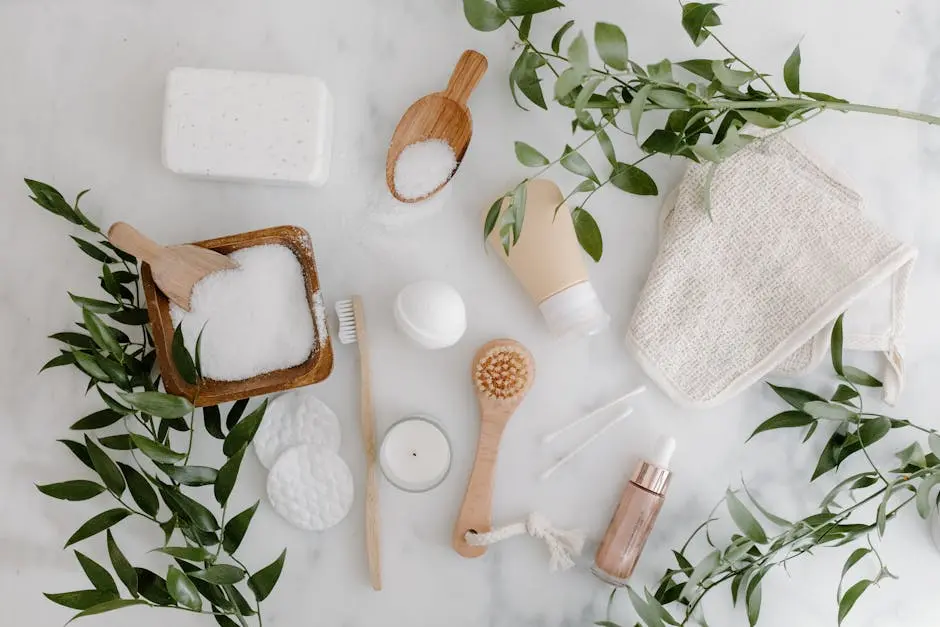
Cosmetic raw materials are the basic substances used to manufacture cosmetic and personal care products. These materials are combined in specific proportions to create the final product.
In simple words:
Raw materials are the building blocks of cosmetics.
Every cosmetic product is made using multiple raw materials, such as:
- Water
- Oils
- Active ingredients
- Cleansing agents
- Preservatives
- Fragrances
Each raw material has a specific function, and no ingredient is added without a reason.
Why Are Raw Materials Important in Cosmetics?
Raw materials are important because they directly affect:
- Product performance
- Skin and hair safety
- Texture and feel
- Shelf life
- Stability of the formulation
If incorrect or low-quality raw materials are used:
- The product may not give results
- Skin irritation or allergies may occur
- The product may separate or spoil quickly
That is why professional cosmetic brands invest heavily in raw material selection and testing.
What Is the Role of Raw Materials in Cosmetic Products?
Each raw material plays a defined role in a cosmetic formulation. Below are the main functions they perform:
1. Creating the Base of the Product
Some raw materials form the main body of the product, such as water, oils, or butters. These ingredients give volume and structure.
2. Delivering Results
Active ingredients are responsible for visible benefits like moisturising, brightening, anti-aging, or acne control.
3. Improving Texture and Feel
Emulsifiers, thickeners, and conditioning agents improve smoothness, spreadability, and absorption.
4. Cleaning and Foaming
Surfactants remove dirt, oil, and impurities in shampoos, face washes, and body washes.
5. Protecting the Product
Preservatives prevent microbial growth and make the product safe for long-term use.
How Are Cosmetic Raw Materials Used?
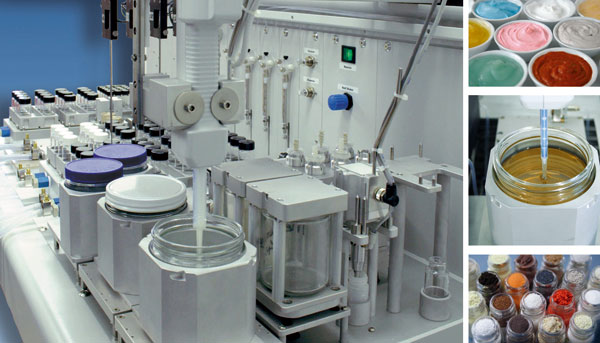
Cosmetic raw materials are not used randomly. They are used through a process called formulation.
Step-by-Step Use of Raw Materials:
- Selection of ingredients based on product purpose
- Measuring exact percentages
- Mixing at controlled temperature
- Maintaining correct pH level
- Stability and safety testing
Even a small change in raw material quantity can change the final product completely. That is why formulation is considered both science and skill.
Types of Cosmetic Raw Materials
1. Base Ingredients
These ingredients form the foundation of a cosmetic product.
Examples:
- Purified water
- Natural oils
- Butters and waxes
Function:
- Provide volume
- Carry active ingredients
- Decide basic texture
2. Active Ingredients
Active ingredients are the most important part of any cosmetic product.
Examples:
- Vitamins
- Plant extracts
- Acids and peptides
Function:
- Provide real skin or hair benefits
- Define product claims
Active ingredients are always used in controlled amounts to avoid irritation.
3. Surfactants
Surfactants are cleansing agents.
Used in:
- Shampoos
- Face washes
- Body cleansers
Function:
- Remove dirt and oil
- Create foam
- Clean skin and hair
Modern cosmetics focus on mild surfactants to reduce dryness.
4. Emulsifiers
Oil and water do not mix naturally. Emulsifiers help bind them together.
Function:
- Maintain product stability
- Prevent separation
- Improve texture
Without emulsifiers, creams and lotions would break down within days.
5. Preservatives
Preservatives protect products from bacteria, yeast, and mold.
Function:
- Ensure safety
- Increase shelf life
- Prevent contamination
Preservatives are essential, even in natural cosmetics.
Natural vs Synthetic Raw Materials
Natural Raw Materials
Natural ingredients are obtained from plants, minerals, or animals.
Benefits:
- Skin-friendly
- Strong marketing appeal
- Preferred by conscious consumers
Limitations:
- Higher cost
- Shorter shelf life
- Variation in quality
Synthetic Raw Materials
Synthetic ingredients are produced in laboratories under controlled conditions.
Benefits:
- Consistent quality
- Better stability
- Longer shelf life
Limitations:
- Negative perception if misunderstood
- Overuse may cause irritation
👉 Most successful cosmetic brands use a balanced combination of natural and synthetic raw materials.
Benefits of Using the Right Cosmetic Raw Materials
Using high-quality and suitable raw materials provides multiple benefits:
- Better product performance
- Improved customer satisfaction
- Reduced risk of skin reactions
- Strong brand reputation
- Compliance with safety regulations
Good raw materials also reduce product complaints and returns.
What Should Be Considered While Choosing Raw Materials?
Before selecting cosmetic raw materials, manufacturers should check:
- Safety certifications
- Supplier reliability
- Compatibility with formulation
- Regulatory approval
- Stability data
Choosing cheap or unverified raw materials can damage both the product and the brand.
Conclusion
Cosmetic raw materials are the heart of every cosmetic product. From texture and effectiveness to safety and shelf life, everything depends on the quality and selection of these ingredients.
Understanding raw materials helps not only manufacturers but also consumers make better choices.
In the cosmetic industry, a strong product always starts with strong raw materials.
If you want to grow in cosmetic manufacturing, formulation, or private labeling, mastering raw material knowledge is the first and most important step.