cosmeticgyaan

🧴 What is Kaizen in the Cosmetics Industry?

Kaizen = Kai (change) + Zen (good) → “Change for the better”

In the cosmetics industry, Kaizen is used to:

Continuously improve production processes

Ensure customer satisfaction

Eliminate unnecessary steps (waste)

Maintain Good Manufacturing Practices (GMP)

🏭 Where is Kaizen Applied in Cosmetics?

Area How Kaizen Helps

🧪 R&D Lab Faster and more accurate product testing
🧴 Production Line Reduces downtime and material waste
🧼 Packaging More efficient and eco-friendly methods
🧽 Cleaning/Sanitation Standard hygiene procedures with less time
📋 Documentation Simplified and error-free batch records
🧑‍🤝‍🧑 Team Efficiency Improves collaboration and accountability

1. Continuous Improvement – Every small step matters.


2. Employee Involvement – All staff contribute ideas.


3. Standardization – Create best practices for every task.


4. Waste Elimination – Remove what doesn’t add value (Time, Movement, Defects).


5. Customer Focus – Improve product quality and satisfaction.

✅ Benefits of Kaizen in the Cosmetics Industry

Benefit Description

🌟 Better Product Quality Fewer defects, more consistency
⏱️ Increased Efficiency Faster manufacturing and fewer delays
💸 Cost Savings Reduces material, labor, and time waste
🧽 Clean & Organized Workspace Supports 5S and GMP
🙌 Motivated Employees Involves workers in problem-solving
📈 Competitive Advantage Faster innovation and customer trust

🧼 Real-Life Cosmetic Example:

Imagine a cream production unit where:

Containers are often misaligned

Labels are placed manually and take time

Raw materials are stored far from the mixing unit


By applying Kaizen:

Labeling process is automated

Raw materials are relocated closer

SOPs are created for filling to reduce error


➡️ Result: 30% faster production, less waste, and higher consistency

📌 Conclusion

Kaizen is not a one-time project — it’s a daily practice. In the cosmetic industry, it ensures:

High-quality skincare and makeup products

Safe, clean, and efficient processes

A culture of innovation and teamwork

🧴 What is 5S in the Cosmetics Industry? | Benefits, Uses & Implementation

The cosmetics industry demands high standards of cleanliness, efficiency, and organization. That’s where 5S methodology plays a vital role. Originating from Japan, 5S is a systematic workplace organization technique that ensures safety, quality, and productivity — essential for manufacturing high-quality cosmetic products.

🧠 What is 5S?

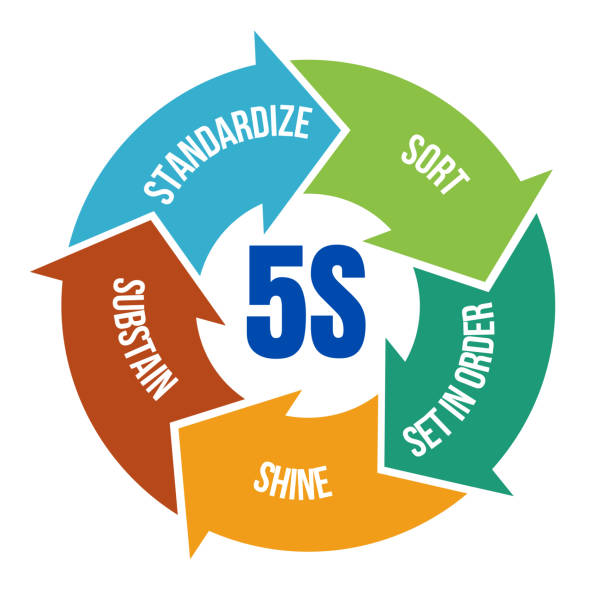
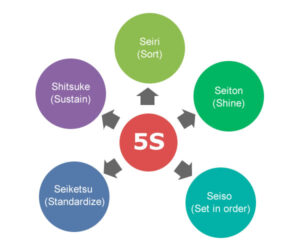
5S stands for 5 Japanese words that describe a step-by-step process to organize any workspace efficiently:

Japanese English Meaning

Seiri Sort Remove unnecessary items
Seiton Set in Order Arrange items systematically
Seiso Shine Clean the work area
Seiketsu Standardize Create consistent procedures
Shitsuke Sustain Maintain discipline & improvement

5S

💄 Why 5S is Important in the Cosmetics Industry?

In the cosmetic manufacturing environment — whether it’s creams, lotions, shampoos, or makeup products — hygiene, safety, and process flow are critical. 5S ensures:

✅ GMP compliance (Good Manufacturing Practice)

✅ Cleanliness and contamination control

✅ Improved production speed and workflow

✅ Enhanced employee safety

✅ Reduced errors and wastage

🛠️ 5S Implementation in Cosmetic Manufacturing

1. Sort (Seiri) – हटाओ जो ज़रूरी नहीं

Remove expired raw materials

Eliminate duplicate or unused tools

Dispose of outdated packaging

🔬 What is R&D in the Cosmetics Industry? Career, Scope, and Education Guide

2. Set in Order (Seiton) – हर चीज़ की जगह तय हो

Label ingredients & store in clear bins

Organize measuring tools and molds

Place daily-use items near workstations

3. Shine (Seiso) – हर रोज़ सफाई जरूरी

Regular cleaning of mixers, tanks, and floors

Use disinfectants to prevent microbial growth

Daily sanitation checklists

4. Standardize (Seiketsu) – हर कार्य का एक ही तरीका हो

SOPs (Standard Operating Procedures) for filling, labeling, packaging

Define quality check steps at every stage

Maintain uniform cleaning schedules

5. Sustain (Shitsuke) – आदत बनाओ सुधार की

Train employees regularly

Display posters/reminders at workstations

Perform 5S audits every week/month

🌟 Benefits of 5S in Cosmetics Manufacturing

Benefit Description

🧼 Cleanliness Reduces contamination risks
⏱️ Efficiency Faster production, less downtime
✅ Quality Maintains consistency in products
📦 Space Management Maximizes use of available space
🔐 Safety Minimizes chemical exposure and accidents

what is CAPB and uses in cosmetics ?

CAPB stands for Cocamidopropyl Betaine — a mild, amphoteric surfactant derived from coconut oil.

Full Name:

Cocamidopropyl Betaine

What It Is:

  • A gentle cleansing agent made by reacting coconut fatty acids with dimethylaminopropylamine

  • Commonly used in mild shampoos, body washes, face cleansers, and even baby products

Uses in Cosmetics & Personal Care:

  • Cleansing:

    • Helps remove oil, dirt, and impurities

    • Often combined with harsher surfactants (like SLS) to reduce irritation

  • Foaming Agent:

    • Boosts foam quality and stability in shampoos and body washes

  • Thickening Agent:

    • Helps improve the texture and viscosity of formulas

  • Conditioning Effect:

    • Leaves a soft, non-stripping feel on hair and skin

Benefits:

Conclusion:

CAPB is a versatile, mild surfactant widely used to enhance mildness, foam, and conditioning in cosmetic products. It’s especially useful in formulations where reduced irritation is important.

Benefits:

  • Mild and less irritating than SLS or other harsh surfactants

  • Biodegradable and generally considered environmentally safer

  • Often used in “sulfate-free” or “sensitive skin” products

  • Suitable for baby care and gentle facial cleansers

What is SLS?

Sodium Lauryl Sulfate is a surfactant — a substance that helps products like shampoos, body washes, and facial cleansers to foam, lather, and remove oils and dirt from the skin and hair.

.

Common Uses:

  • Shampoos

  • Toothpastes

  • Body washes

  • Facial cleansers

  • Bubble baths

Safety Overview:

  • Approved by:

    • U.S. FDA (Food and Drug Administration)

    • EU Cosmetics Regulation

    • Cosmetic Ingredient Review (CIR) Expert Panel

  • Common Concentration:

    • Typically used at <2% in rinse-off products (like shampoo or face wash)

    • Up to 10–30% in industrial or specialty use, which can cause irritation

⚠️ Potential Issues:

  • Skin & Eye Irritation:

    • SLS can irritate skin, especially at high concentrations or with prolonged contact.

    • More likely to cause dryness or itching in people with sensitive skin, eczema, or rosacea.

  • Misconceptions:

    • SLS is not proven to be carcinogenic (i.e., it doesn’t cause cancer).

    • Many online claims are misleading or based on confusion with industrial-grade SLS.

When Is It Safe?

  • In shampoos, soaps, and cleansers that are rinsed off within minutes

  • When used in low concentrations (under 1–2%)

  • On normal, non-sensitive skin

https://cosmeticgyaan.com/what-is-capb-and-uses-in-cosmetics/

Alternatives:

  • Sodium Laureth Sulfate (SLES): Milder than SLS

  • Cocamidopropyl Betaine: Gentle surfactant often used in baby shampoos

  • Sulfate-free products: Increasingly popular for sensitive skin and curly hair types

https://cosmeticgyaan.com/best-sunscreen-for-oily-skin/

top 5 sulphate free shampoo in india

Here are the uses and benefits of sulphate-free shampoos, including specific benefits for each of the top 5 shampoos in India mentioned earlier:

General Uses & Benefits of Sulphate-Free Shampoos

🔹 Gentle Cleansing

  • Cleans the scalp and hair without stripping away natural oils.

  • Ideal for daily use and sensitive scalps.

https://cosmeticgyaan.com/what-is-hyaluronic-acid-ha-uses-and-benefits-https-cosmeticgyaan-com/

🔹 Prevents Dryness

  • Maintains hair’s moisture balance.

  • Reduces frizz and keeps hair softer and shinier.

🔹 Color-Safe

  • Doesn’t strip artificial hair color, making it perfect for color-treated hair.

🔹 Reduces Scalp Irritation

  • Free from harsh detergents like SLS/SLES, lowering the risk of itching, redness, or flakiness.

🔹 Safe for Chemically Treated Hair

  • Works well with keratin, rebonding, or smoothing treatments.

🧴 Benefits of the Top 5 Sulphate-Free Shampoos in India

1. Pilgrim Mild Sulphate Free Shampoo

Uses:

  • Daily gentle cleansing

  • Nourishing weak, frizzy, or brittle hair

Benefits:

  • Contains Argan Oil (mo

  • isturizes) and Camellia (adds shine)

  • Reduces dandruff and strengthens roots

  • Budget-friendly and ideal for both men and women


2. Moroccanoil Moisture Repair Shampoo

Uses:

  • Repairing and restoring damaged or colored hair

Benefits:

  • Rich in keratin and argan oil

  • Restores elasticity and softness

  • Adds shine without buildup

  • Great for brittle, over-processed hair


3. WOW Skin Science Apple Cider Vinegar Shampoo

Uses:

  • Detoxing scalp

  • Controlling dandruff and buildup

Benefits:

  • Balances scalp pH

  • Reduces frizz and breakage

  • Apple cider vinegar clarifies scalp naturally

  • Silicone & paraben free


4. TRESemme Pro Pure Damage Recovery Shampoo

Uses:

  • Repairing heat-styled or chemically treated hair

Benefits:

  • Infused with fermented rice water (strengthens) and ceramide (seals moisture)

  • Reduces breakage

  • Salon-like results at home


5. Kama Ayurveda Bringadi Hair Cleanser

Uses:

  • Ayurvedic hair cleansing and treatment

Benefits:

  • Reduces hair fall

  • Promotes hair growth with Bhringraj and Amla

  • Natural, Ayurvedic ingredients without sulphates or parabens

  • Calms and cools scalp

https://cosmeticgyaan.com/best-sunscreen-for-oily-skin/

What is MSDS in cosmetics

MSDS data sheet? MSDS in Cosmetics: Meaning and Importance

MSDS stands for Material Safety Data Sheet. In the cosmetics industry, it is a critical document that provides detailed information about the chemical ingredients used in cosmetic products. It helps ensure the safe handling, storage, transport, and disposal of cosmetic raw materials and finished goods.

Key Contents of an MSDS:

1. Product Identification:

Name of the substance or mixture

Manufacturer details

Recommended uses

2. Hazard Identification:

Potential health hazards (e.g., skin irritation, allergic reactions)

Environmental hazards

3. Composition/Information on Ingredients:

List of ingredients

Concentration of each chemical

CAS (Chemical Abstracts Service) numbers

4. First-Aid Measures:

What to do in case of accidental exposure (eye contact, ingestion, skin contact)

5. Fire-Fighting Measures:

Suitable extinguishing methods

Fire hazards associated with the substance

6. Accidental Release Measures:

How to handle spills or leaks safely

7. Handling and Storage:

Safe storage conditions

Precautions for handling

8. Exposure Controls / Personal Protection:

Required protective equipment (gloves, goggles)

Workplace exposure limits

9. Physical and Chemical Properties:

Appearance, odor, pH, melting/boiling point, etc.

10. Stability and Reactivity:

Chemical stability

Conditions or materials to avoid

11. Toxicological Information:

Data on toxicity and health effects

Why MSDS Is Important in Cosmetics:

Ensures compliance with regulations (e.g., EU Cosmetics Regulation, OSHA, REACH)

Helps in product safety assessments

Used by manufacturers, formulators, transporters, and emergency responders

Assists in labeling and packaging decisions

Example Use Case:

If a cosmetic formulator is using Phenoxyethanol as a preservative, the MSDS will tell them about:

Its safe concentration limit

Toxicity

Protective measures to use while handling

Proper disposal methods

Difference Between Organic, Natural.

Understand how these ingredient types affect product performance, safety, and consumer appeal.*

Introduction

Cosmetic products are often labeled as organic, natural, or synthetic, but many consumers—and even professionals—are confused about what these terms truly mean. Understanding the difference between them is essential not just for compliance and marketing, but also for product development and consumer education. In this blog, we will explore the definitions, benefits, and concerns associated with each category of cosmetic ingredients.

Cosmetics gyaan
Best three products information

1. Natural Ingredients

Definition:
Natural ingredients are derived directly from plants, minerals, or animals and are minimally processed. They are typically found in nature and used in cosmetics without synthetic modification.

Examples:

Aloe Vera

Coconut Oil

Honey

Clay

Shea Butter


Benefits:

Biodegradable and eco-friendly

Often gentle on the skin

Perceived as safer and healthier by consumers


Limitations:

May cause allergies

Shorter shelf life

Prone to contamination if not preserved properly

2. Organic Ingredients

Definition:
Organic ingredients are natural substances that are grown without the use of synthetic pesticides, fertilizers, or genetically modified organisms (GMOs). They must be certified by recognized bodies (like USDA, COSMOS, or ECOCERT).

Examples:

Certified Organic Jojoba Oil

Organic Rose Water

Organic Green Tea Extract


Benefits:

Safer for the environment and farm workers

May contain higher nutrient content

Marketed as premium and pure


Limitations:

More expensive to source

May still require preservatives

Limited availability in large-scale production


3. Synthetic Ingredients

Definition:
Synthetic ingredients are man-made compounds, often created in laboratories to mimic or improve upon natural substances.

Examples:

Parabens (Preservatives)

Silicones (e.g., Dimethicone)

Synthetic Fragrances

PEGs (Polyethylene Glycols)


Benefits:

More consistent quality

Longer shelf life

Cost-effective and scalable

Can be tailored for specific functions (e.g., anti-aging, UV protection)


Limitations:

May cause irritation or allergic reactions

Environmental concerns (e.g., non-biodegradability)

Negative perception among “green” consumers

Key Differences Table

Feature Natural Organic Synthetic

Source Nature Certified Organic Farming Laboratory
Processing Minimal Minimal + Certified Chemically processed
Shelf Life Short Short Long
Cost Medium High Low
Consumer Appeal High Very High Low to Moderate


Conclusion

Choosing between organic, natural, and synthetic ingredients depends on your brand’s goals, target audience, and formulation needs. While organic and natural products appeal to eco-conscious and health-aware consumers, synthetic ingredients offer stability and innovation. A balanced approach often works best—combining safe synthetics with high-quality natural extracts.

LED Light Therapy Masks

LED Light Therapy Kya Hota Hai?

LED (Light Emitting Diode) therapy ek non-invasive skincare treatment hai jisme specific light wavelengths ka use karke skin concerns jaise acne, pigmentation, aging aur inflammation ko target kiya jata hai. Ye technology pehle sirf dermatologists ke clinic mein milti thi, lekin ab at-home LED face masks ke zariye ye har kisi ke liye accessible ho gayi hai.

Har Light Color Ka Apna Role Hota Hai

LED masks alag-alag color ki lights use karte hain, jinka specific skincare function hota hai:

Light Color Purpose

Red Light Boost collagen, reduce wrinkles
Blue Light Kill acne-causing bacteria
Green Light Reduce pigmentation & redness
Yellow Light Brightening & improve skin texture
Purple Light Repair cells & calm skin

Ghar Baithe LED Therapy Mask Kaise Kaam Karta Hai?

1. Cleanse: Skin ko ache se clean karo


2. Apply: Mask ko face par set karo (5–20 mins)


3. Mode Choose Karo: Skin concern ke hisaab se light color choose karo


4. Relax: Treatment ke baad regular skincare apply karo


✅ Yeh poora process pain-free aur time-saving hota hai — perfect for busy logon ke liye.

Top Trending LED Masks (2025 ke Favorite Brands)

Brand Features Price Range

Dr. Dennis Gross Medical-grade, FDA-cleared ₹30,000+
Foreo UFO 2 LED + facial massage ₹25,000+
CurrentBody Skin Used by celebrities ₹30,000–₹40,000
Masktini India Budget-friendly ₹8,000–₹12,000


💡 Pro Tip: Always buy FDA-approved masks for safety and effectiveness.

LED Therapy Mask Ke Fayde (Benefits)

✅ Acne aur pimples ka effective solution

✅ Wrinkles aur fine lines me improvement

✅ Collagen boost karta hai (skin tightening)

✅ Safe for daily or alternate day use

✅ Ghar baithe salon jaisa glow

LED Mask Use Karne Se Pehle Ye Dhyan Dein


👁️ Eyes pe direct light na padne dein — protect with goggles

⏱️ Usage time limit: 10–20 mins (zyada na karein)

🚫 Pregnant women ya photosensitive skin wale log doctor se consult karein

LED Therapy Future of Skincare Kyun Hai?

LED technology ek safe, science-backed aur sustainable skincare solution hai. As awareness grows, zyada se zyada brands AI-integrated smart LED devices bhi launch kar rahe hain jo skin ko scan karke customized light mode suggest karte hain.


✍️ Final Thoughts

LED light therapy masks ek naye zamane ka skincare solution ban gaye hain — jahan aapko na costly salon jaane ki zarurat hai, na invasive treatments ki. Bas mask pehno, relax karo aur apni skin ko self-heal karne do — woh bhi apne ghar ki comfort mein.

FDA-Approved Cosmetic

FDA-Approved Cosmetic Ingredients in India – What’s Allowed?

While the U.S. FDA regulates cosmetics in the United States, in India, the approval and regulation of cosmetic ingredients are handled by:

  • CDSCO – Central Drugs Standard Control Organization

  • BIS – Bureau of Indian Standards

🧴 Who Regulates Cosmetic Ingredients in India?

1. CDSCO (Central Drugs Standard Control Organization)

  • India’s national regulatory authority for cosmetics, drugs, and medical devices.

  • Enforces the Drugs and Cosmetics Act, 1940 and the Cosmetic Rules, 2020.

  • All imported cosmetic products must be registered with CDSCO before being sold in India.

2. BIS (Bureau of Indian Standards)

  • Sets safety and quality standards for cosmetic ingredients.

  • IS 4707 (Part 1 & 2) defines the approved colorants, preservatives, UV filters, and their limits and restrictions.

🌍 Use of Internationally Approved Ingredients

Certain ingredients approved by global regulators like the U.S. FDA, European Union, or Japan may be used in India — but only if they meet CDSCO and BIS standards.

Example:
Ethyl Lauroyl Arginate (LAE) is approved in the US, EU, Canada, and Asia-Pacific countries as a cosmetic preservative. However, its use in India must still follow BIS/CDSCO guidelines.

❌ Important Note

India does not maintain or follow a list of FDA-approved ingredients. Instead:

  • India has its own approval framework.

  • Ingredients must meet Indian regulations, not just international ones.


✅ Summary Table

AspectUnited States (FDA)India (CDSCO & BIS)
Main RegulatorFDACDSCO (Regulator), BIS (Standards Body)
Ingredient ApprovalBased on FDA safety guidelinesBased on Indian BIS IS 4707 Standards
Requirement for SaleNo need for CDSCO registrationMandatory CDSCO registration for imports
Global IngredientsCan be used if proven safeMust be listed/approved by CDSCO or BIS

What is a Certificate of Analysis (COA)?

What is a Certificate of Analysis (COA)?

A Certificate of Analysis (COA) is an official document issued by a manufacturer, supplier, or quality department that confirms a product meets its predefined specifications. It usually includes test results for certain parameters, methods used, and compliance with regulatory or customer requirements.

📋 What Information Does a COA Contain?

Typical elements of a COA include:

  • Product name and code

  • Batch/lot number

  • Manufacture and expiry date

  • Specifications and test methods

  • Actual test results (e.g., pH, purity, microbiological limits)

  • Approval or release status

  • Signature and date of responsible Quality representative

https://cosmeticgyaan.com/fda-approved-cosmetic/

🧪 Uses of COA in Quality Department

  • Product Release Decision

    • Ensures that each batch meets quality standards before release.

  • Customer Assurance

    • Provides proof to customers that the product meets the required specs.

  • Regulatory Compliance

    • Essential for compliance with standards like FDA, GMP, ISO, etc.

  • Traceability

    • Allows for tracking of batch quality and helps in root cause analysis during complaints or recalls.

  • Internal Audits and Documentation

    • Serves as evidence of quality control during inspections and audits.

  • Supplier Quality Management

    • Used to evaluate raw materials or components supplied by third parties.

🏭 Common Industries That Use COAs
  • Pharmaceuticals

  • Food & Beverage

  • Cosmetics

  • Chemicals

  • Medical Devices