High-Search Skincare & Haircare Ingredients for R&D, Formulation & Brand Growth 2026
Introduction
The cosmetic industry in 2026 is evolving rapidly, with a strong shift toward ingredient transparency, science-backed formulations, and performance-driven products. Consumers today are more informed than ever. Before buying any skincare or haircare product, they actively search ingredient names such as niacinamide, hyaluronic acid, or sulfate-free surfactants on Google.
Because of this trend, cosmetic brands, R&D professionals, and manufacturers must understand not only what ingredients are used, but also why they are used, how they behave in formulations, and how they impact product stability, safety, and efficacy.
This blog is designed to serve as a complete cosmetic ingredient guide for:
- R&D and formulation teams
- Cosmetic manufacturers
- Brand owners and marketers
- Students and professionals in cosmetic science
Table of Contents
- What Are Cosmetic Ingredients?
- Active Ingredients in Cosmetics (10 Key Actives)
- Humectants: Hydration-Boosting Ingredients
- Oil Phase & Emollients in Cosmetics
- Surfactants: Cleansers & Shampoo Base
- Emulsifiers: Cream & Lotion Stability
- Preservatives: Product Safety & Shelf Life
- Thickeners & Rheology Modifiers (Detailed)
- Botanical Extracts in Cosmetics
- Fragrance & Sensory Ingredients
- Ingredient Selection: R&D Golden Rules
- Conclusion
What Are Cosmetic Ingredients?
osmetic ingredients are raw materials used to manufacture skincare, haircare, and personal care products. These ingredients perform specific functions such as cleansing, moisturizing, conditioning, preserving, thickening, or delivering active benefits.
A typical cosmetic formulation contains 15 to 40 ingredients, broadly classified into:
- Active ingredients
- Functional ingredients (surfactants, emulsifiers, thickeners)
- Sensory and stability ingredients
From an R&D perspective, every ingredient must meet safety, stability, compatibility, and regulatory requirements before being approved for commercial use.
Read More : Skin Barrier Damage: Causes, Symptoms, and the Best Ingredients to Repair It (2026 Guide)
Active Ingredients in Cosmetics (High-Search & High-Value)
Active ingredients are the core performance drivers of cosmetic products. These ingredients directly address skin or hair concerns and are the most searched terms on Google.
Top 10 Active Ingredients in 2026
- Niacinamide
Improves skin barrier function, reduces pigmentation, controls oil production, and enhances overall skin tone. Widely used in serums, creams, and lotions. - Hyaluronic Acid
A powerful hydration ingredient that binds water to the skin. Used in moisturizers, serums, and haircare products for moisture retention. - Salicylic Acid
A beta-hydroxy acid mainly used for acne-prone and oily skin. Helps in exfoliation and unclogging pores. - Glycolic Acid
An alpha-hydroxy acid that improves skin texture, brightness, and cell turnover. Commonly used in exfoliating products. - Lactic Acid
A milder AHA suitable for sensitive skin. Provides gentle exfoliation and hydration support. - Vitamin C (Derivatives)
Used for brightening, antioxidant protection, and collagen support. Stable derivatives are preferred in cosmetic formulations. - Retinol (Cosmetic Grade)
Supports anti-aging benefits such as wrinkle reduction and skin renewal. Used at low, controlled concentrations. - Panthenol (Vitamin B5)
Improves skin hydration, soothes irritation, and strengthens hair fibers. - Ceramides
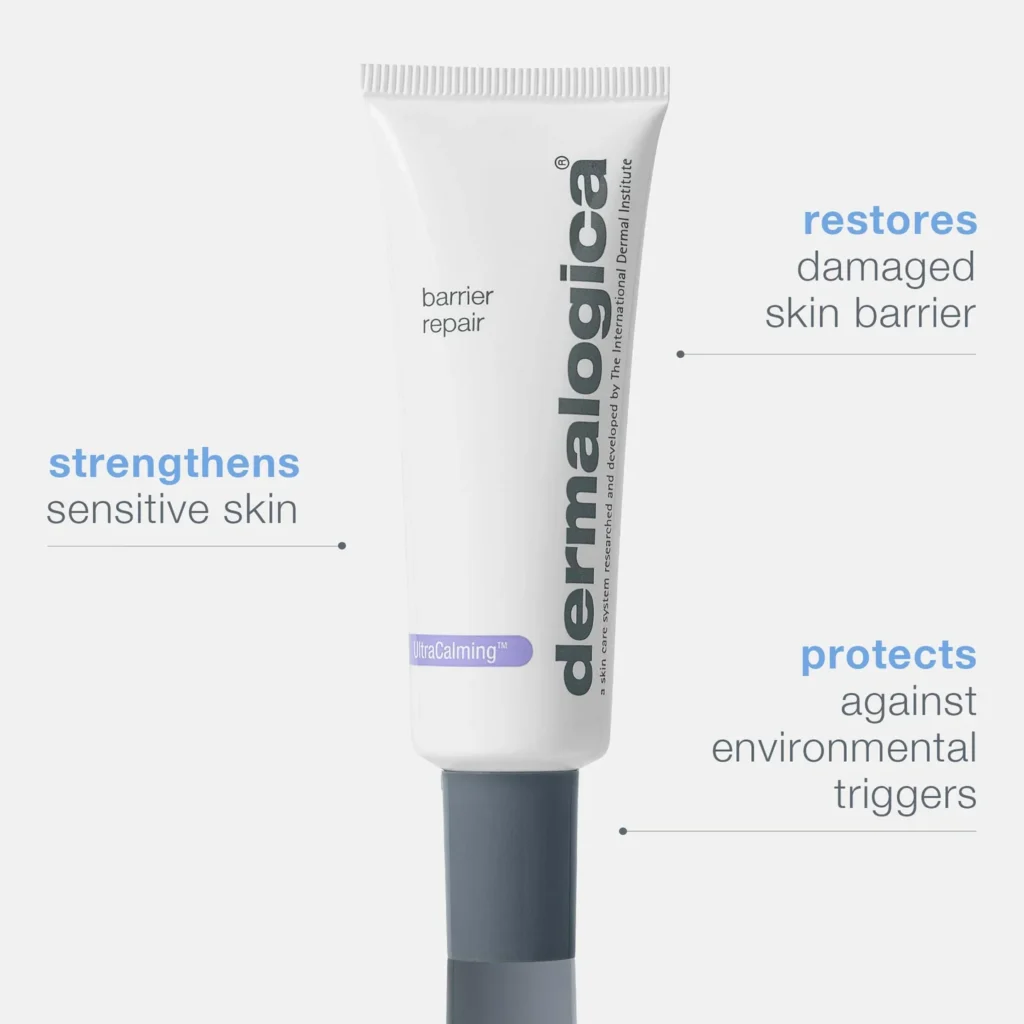
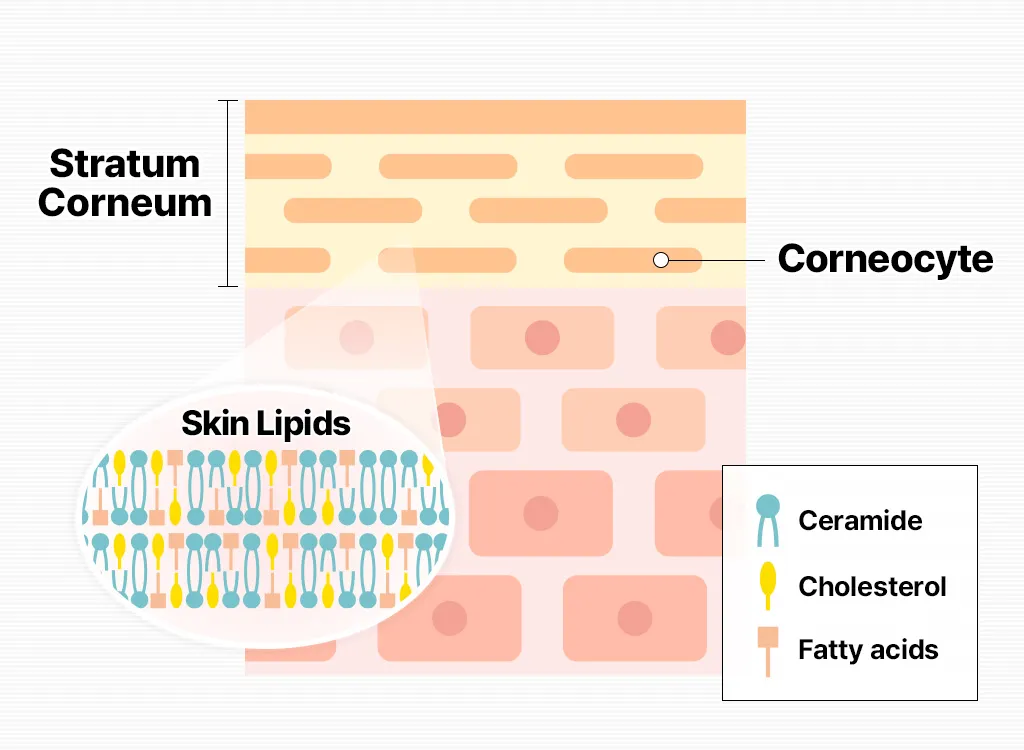
Strengthen the skin barrier and reduce moisture loss. Essential in barrier repair formulations. - Peptides
Used for anti-aging and skin-firming claims. Peptides support collagen signaling and skin elasticity.
R&D Note:
Active ingredients require strict control of pH, temperature, and compatibility to maintain stability and efficacy.
Read More : Cosmetic Raw Materials – What They Are, Why They Matter, and How They Are Used
Humectants: Hydration-Boosting Ingredients
Humectants attract moisture from the environment or deeper skin layers into the outer skin and hair shaft.
Common humectants used in cosmetics:
- Glycerin
- Hyaluronic Acid
- Propanediol
- Sorbitol
- Panthenol
In R&D, humectants are balanced carefully to avoid stickiness, excessive tackiness, or dehydration in low-humidity conditions.
Oil Phase & Emollients in Cosmetics (Expanded)
The oil phase plays a critical role in skin feel, barrier repair, and product richness. Emollients soften the skin and reduce transepidermal water loss.
Common oil phase ingredients:
- Caprylic/Capric Triglyceride
- Shea Butter
- Cocoa Butter
- Sweet Almond Oil
- Jojoba Oil
- Squalane (plant-derived)
R&D Importance of Oil Phase:
- Determines product texture and spreadability
- Impacts absorption and after-feel
- Supports barrier repair and nourishment
- Influences stability of emulsions
Modern formulations focus on lightweight, non-greasy emollients to match consumer preferences.
Read More : ग्लिसरीन के उपयोग Glycerine Uses
Surfactants: Cleansers & Shampoo Base
Surfactants are responsible for cleansing action in face washes, body washes, and shampoos.
Mild surfactants trending in 2026:
- Sodium Cocoyl Isethionate
- Cocamidopropyl Betaine
- Sodium Lauroyl Sarcosinate
- Decyl Glucoside
R&D teams aim to balance cleansing efficiency, foam quality, and skin mildness, especially for sulfate-free products.
Emulsifiers: Cream & Lotion Stability
Emulsifiers allow oil and water to combine into a stable system.
Common emulsifiers:
- Glyceryl Stearate
- Cetearyl Alcohol & Ceteareth-20
- Polyglyceryl-based emulsifiers
Incorrect emulsifier selection can cause phase separation, instability, or poor texture.
Preservatives: Product Safety & Shelf Life
Preservatives protect cosmetic products from bacteria, yeast, and mold.
Common preservative systems:
- Phenoxyethanol
- Ethylhexylglycerin
- Sodium Benzoate
- Potassium Sorbate
Preservation is mandatory for consumer safety and regulatory compliance.
Read More : Disodium EDTA in cosmetics uses
Thickeners & Rheology Modifiers (Detailed)
Thickeners control viscosity, texture, and product flow.
Widely used thickeners:
- Carbomer
- Xanthan Gum
- Hydroxyethyl Cellulose
- Acrylates Copolymer
- Guar Hydroxypropyltrimonium Chloride (haircare)
R&D Role of Thickeners:
- Improve product appearance
- Control pourability and spread
- Enhance suspension of actives
- Improve packaging compatibility
Rheology modifiers also impact consumer perception and stability.
Botanical Extracts in Cosmetics
Botanical extracts support natural and clean beauty claims.
High-search botanical extracts:
- Aloe Vera
- Green Tea Extract
- Neem Extract
- Onion Extract
- Licorice Extract
Botanicals offer mild functional benefits and strong marketing value.
Fragrance & Sensory Ingredients
Fragrance and sensory feel significantly influence repeat purchases.
- IFRA-compliant fragrances
- Essential oils (low concentration)
- Cooling and soothing agents
R&D teams must ensure sensory appeal without skin irritation.
Ingredient Selection: R&D Golden Rules
Professional formulators select ingredients based on:
✔ Safety profile
✔ Stability
✔ Compatibility
✔ Regulatory compliance
✔ Cost-performance balance
Conclusion
In 2026, ingredient knowledge is the backbone of successful cosmetic products. Brands and professionals who understand formulation science, ingredient behavior, and consumer expectations gain a strong competitive advantage.
Mastering cosmetic ingredients is essential for long-term growth in R&D, manufacturing, and brand development.