cosmeticgyaan

Safety Standards and Certifications

ISO, FDA, BIS: Full Explanation

In the cosmetics industry, product safety, quality, and compliance are extremely important. Every cosmetic product must meet certain safety standards and certifications to ensure it is safe for human use and complies with national and international regulations. Major authorities like ISO, FDA, and BIS play a crucial role in setting these standards.

Let’s understand each of these certifications and their importance in the cosmetics industry.

Why Safety Standards Are Important in Cosmetics?

Ensure consumer safety

Maintain product quality and consistency

Prevent harmful side effects

https://cosmeticgyaan.com/

Build consumer trust and brand reputation

Meet legal and export requirements

Key Safety Certifications in the Cosmetics Industry

1. ISO Certification (International Organization for Standardization)

What is ISO?

ISO is a global organization that develops international standards for product quality, safety, and efficiency.

Common ISO Standards in Cosmetics:

ISO 22716: Good Manufacturing Practices (GMP) for cosmetics

ISO 9001: Quality management system

ISO 16128: Guidelines for natural and organic cosmetic ingredients

Importance:

Ensures cosmetic products are manufactured under hygienic and controlled conditions.

Reduces the risk of contamination and production errors.

https://cosmeticgyaan.com/

ISO certification builds international credibility and market acceptance.

2. FDA (Food and Drug Administration - USA)

What is FDA?

FDA is the United States authority that regulates food, drugs, and cosmetics to ensure public safety.

Key Cosmetic Regulations:

The Federal Food, Drug, and Cosmetic Act (FD&C Act) governs cosmetic safety.

Labelling, advertising, and product claims must be truthful and not misleading.

All color additives must be approved by FDA.

Cosmetic products must not contain harmful substances.

Importance:

Essential for selling cosmetic products in the USA.

Helps in gaining international consumer trust.

Ensures that the product does not cause harm when used as directed.

3. BIS (Bureau of Indian Standards - India)

What is BIS?

BIS is the national body of India responsible for standardization, certification, and quality assurance.

BIS Standards for Cosmetics:

IS 4707: List of permitted cosmetic ingredients.

IS 6608: Labelling and packaging requirements.

IS 9875: Guidelines for safety testing of cosmetics.

BIS ensures that Indian cosmetic products meet health, safety, and performance standards.


Importance:

Mandatory for selling cosmetics in the Indian market.

Ensures consumer safety by regulating harmful chemicals.

BIS certification builds trust among Indian buyers.

Other Important Certifications in Cosmetics

Allows smooth export to international markets.

Increases customer confidence.

Protects brand reputation.

Minimizes product recalls and legal risks.

Conclusion

For any cosmetic brand or manufacturer, safety certifications like ISO, FDA, and BIS are essential. They guarantee that the products meet legal, ethical, and quality standards. Whether you are planning to sell locally or globally, getting your cosmetics certified is the most critical step towards building a successful and trustworthy brand.

Always ensure your products are safe, compliant, and tested.

What is Gel in the Cosmetics Industry?

Types, Uses, and Benefits Explained

The cosmetics industry is full of versatile products, and one such essential formulation is gel. Gels are widely used in skincare, haircare, and personal care products because of their light texture, non-greasy feel, and fast absorption. In this blog, we will explore what gel is, how it is made, its types, and its key benefits in the cosmetics industry.

What is Gel?

In the cosmetics industry, a gel is a semi-solid system consisting of a liquid phase thickened by a gelling agent to form a three-dimensional structure. Gels are known for their smooth texture, transparency, and water-based composition, making them ideal for various skin and hair applications.

Gels are typically easy to spread, provide quick absorption, and give a cooling sensation upon application, which makes them highly preferred in modern cosmetic formulations.

Key Characteristics of Gels:

Lightweight and non-greasy

Fast absorbing

Provide a cooling and soothing effect

Usually water-based

Transparent or translucent appearance

Types of Gels in the Cosmetics Industry

The cosmetics industry uses various gels, each serving unique functions and benefits. Here are the most common types:

1. Hair Gels

Hair gels are styling products that help to hold hair in place, give shape, and control frizz. They are used to create various hairstyles, from sleek looks to spiked textures.

Benefits:

Strong hold

Long-lasting styling

Adds shine or matte finish based on formulation


2. Aloe Vera Gels

Aloe vera gels are soothing gels used for skin hydration, sunburn relief, and healing minor skin irritations.

Benefits:

Deep skin hydration

Anti-inflammatory properties

Suitable for sensitive skin


3. Facial Gels

Facial gels include moisturizers, cleansers, and serums that have a gel-like consistency. They are lightweight and quickly absorbed by the skin.

Benefits:

Non-comedogenic (do not clog pores)

Suitable for oily and acne-prone skin

Provide a refreshing feel


4. Shaving Gels

Shaving gels offer lubrication between the skin and the razor, reducing the risk of cuts and irritation.

Benefits:

Smooth razor glide

Less skin irritation

Transparent formula allows precision


5. Hand Sanitizer Gels

These alcohol-based gels are used for disinfecting hands quickly without the need for water.

Benefits:

Quick-drying

Effective against germs

Convenient for on-the-go use

Key Ingredients in Gels

Water: Main solvent providing hydration.

Gelling Agents: Such as Carbomer, Xanthan Gum, or Hydroxyethylcellulose for thickening.

Active Ingredients: Aloe Vera, Salicylic Acid, Vitamins, Herbal Extracts.

Preservatives: To prevent microbial growth.

Fragrances and Colors: For sensory appeal (optional).

Benefits of Gel-based Products in Cosmetics

Non-Greasy: Perfect for oily and combination skin.

Quick Absorption: Ideal for fast-paced lifestyles.

Hydration: Provides moisture without heaviness.

Cooling Effect: Excellent for sensitive or sun-exposed skin.

Versatile: Suitable for hair styling, skincare, body care, and hand hygiene.

Conclusion

Gels are an integral part of the cosmetic and personal care industry due to their unique texture, easy application, and skin-friendly properties. Whether in the form of hair gel, aloe vera gel, facial gel, or hand sanitizer, gels offer quick action, light feel, and effective results.

If you are someone who prefers lightweight, fast-absorbing products, gel-based cosmetics can be a great addition to your skincare or haircare routine.

What is a Body Scrub?

A body scrub is a skincare product designed to exfoliate the skin by removing dead skin cells from the surface. It typically contains abrasive particles like sugar, salt, coffee grounds, or crushed nutshells mixed with moisturizing agents like oils or creams.

Types of Body Scrubs

1. Sugar Scrub – Gentle exfoliation, suitable for sensitive skin.


2. Salt Scrub – Strong exfoliation, good for rough areas like elbows and knees.


3. Coffee Scrub – Improves blood circulation, reduces cellulite appearance.


4. Herbal Scrub – Contains natural herbs for soothing and detoxifying skin.


5. Charcoal Scrub – Helps in deep cleansing and removing impurities.


6. Fruit-based Scrub – Enriched with fruit extracts for glowing skin.


7. Cream-based Scrub – Provides mild exfoliation with intense hydration.

Uses of Body Scrub

Exfoliates the skin by removing dead cells.

Cleanses clogged pores and prevents ingrown hairs.

Prepares the skin for better absorption of moisturizers and skincare products.

Enhances skin smoothness and softness.

Improves blood circulation when massaged properly.

Helps in evening out skin tone and texture.

Removes tanning and rough patches.

Benefits of Body Scrub

1. Smooth and Soft Skin

Regular exfoliation helps in achieving baby-soft, smooth skin by clearing away the rough, dead skin layer.

2. Brightens Skin Tone

It removes dull skin cells, promoting a fresh, radiant appearance.

3. Prevents Acne and Bumps

By unclogging pores and removing buildup, body scrubs help prevent body acne, blackheads, and keratosis pilaris (chicken skin).

4. Reduces Cellulite Appearance

Coffee and salt scrubs can temporarily reduce the look of cellulite by tightening the skin and improving circulation.

5. Better Moisture Absorption

Exfoliated skin can absorb lotions, oils, and serums more effectively, enhancing their benefits.

6. Prepares Skin for Shaving

Using a scrub before shaving can result in a smoother shave and fewer ingrown hairs.

7. Stress Relief

The massaging action during scrubbing helps in relaxation and reducing stress, especially with aromatic scrubs.

How to Use a Body Scrub Properly


1. Wet your body with warm water.


2. Take a small amount of scrub in your palm.


3. Gently massage it on the skin in circular motions for 5-10 minutes.


4. Focus on rough areas like elbows, knees, and feet.


5. Rinse thoroughly with warm water.


6. Pat your skin dry and apply a moisturizer.

Precautions

Do not use on broken, irritated, or sunburned skin.

Limit usage to 2-3 times a week to avoid over-exfoliation.

Always moisturize after scrubbing to maintain skin hydration.

Test on a small area if you have sensitive skin.

Conclusion

A body scrub is a simple yet powerful addition to your skincare routine. It not only gives you glowing, healthy skin but also provides a relaxing self-care experience. Choose the right scrub for your skin type and use it correctly for the best results.

What is Cream?

Cream is a semi-solid cosmetic or pharmaceutical product applied to the skin to provide moisture, nourishment, protection, or medicinal effects.
It usually contains water, oils, emulsifiers, and active ingredients.

🌼 Types of Creams in Cosmetics

1. Moisturizing Creams

Purpose: Hydrate and soften the skin.

Examples: Nivea Soft, Pond’s Moisturizing Cream

Use: Daily hydration for dry, normal, or oily skin.

2. Sunscreen Creams

Purpose: Protect the skin from harmful UV rays.

Examples: Lotus Herbals Safe Sun, Neutrogena Ultra Sheer

Use: Apply before sun exposure to prevent tanning and sunburn.

3. Anti-Aging Creams

Purpose: Reduce signs of aging like wrinkles and fine lines.

Examples: Olay Regenerist, L’Oréal Revitalift

Use: Night or day creams to improve skin elasticity and texture.

4. Fairness or Brightening Creams

Purpose: Improve skin tone, reduce dark spots.

Examples: Fair & Lovely, Garnier Bright Complete

Use: Daily application to reduce pigmentation.

5. Medicinal/Healing Creams

Purpose: Treat skin problems like rashes, infections, or acne.

Examples: Betnovate, Clobetasol, Fucidin

Use: Prescribed by doctors for specific skin issues.

6. Night Creams

Purpose: Repair and nourish skin overnight.

Examples: Pond’s Age Miracle, Olay Night Cream

Use: Applied before sleeping for better skin regeneration.

7. BB/CC Creams (Beauty/Color Correcting Creams)

Purpose: Light makeup coverage + skincare benefits.

Examples: Garnier BB Cream, Lakmé CC Cream

Use: Quick solution for daily makeup and hydration.

8. Hand & Foot Creams

Purpose: Moisturize rough skin on hands and feet.

Examples: Vaseline Hand Cream, Himalaya Foot Care Cream

Use: Applied to keep extremities soft and crack-free.

9. Cold Creams

Purpose: Provide moisture and protection in winter.

Examples: Pond’s Cold Cream

Use: Ideal for dry skin in cold weather.

🌟 General Uses of Cream:

Hydration – Prevents dryness and flakiness.

Protection – Shields skin from sun, wind, and pollution.

Treatment – Medicinal creams help in treating infections and acne.

Nourishment – Provides essential nutrients to keep skin healthy.

Cosmetic Enhancement – Improves skin texture and tone.

✅ Benefits of Using Cream:

Softens and smoothens the skin.

Delays signs of aging.

Protects skin from environmental damage.

Reduces skin issues like dryness, irritation, and blemishes.

Provides a polished, glowing appearance.


🎯 Quick Summary Table:

Type of Cream Use Benefit

Moisturizing Cream Daily hydration Soft skin, prevents dryness
Sunscreen Cream Sun protection Prevents tanning & sunburn
Anti-Aging Cream Wrinkle care Youthful, firm skin
Fairness Cream Brightening Even skin tone
Medicinal Cream Skin treatment Heals rashes, acne
Night Cream Overnight care Repairs skin
BB/CC Cream Light makeup Quick coverage
Hand/Foot Cream Hand & foot care Prevents cracks
Cold Cream Winter protection Deep moisture

What is Cream Cheese

Cream cheese is a soft, fresh cheese made from a combination of milk and cream. It has a mild, slightly tangy flavor and a smooth, spreadable texture.

✅ Common Uses of Cream Cheese:

1. Spreads

Used on bagels, toast, crackers, and sandwiches.

Popular in breakfast and snack items.

2. Baking

Essential for making cheesecakes, pastries, and muffins.

Used in frosting (especially cream cheese frosting for cakes like carrot cake and red velvet).

3. Cooking

Added to pasta, soups, and sauces for a creamy texture.

Used in stuffed dishes like stuffed chicken breasts and stuffed peppers.

4. Dips and Sauces

A base ingredient for creamy dips, both sweet and savory.

Blends well with herbs, garlic, and other seasonings.

5. Desserts

Key ingredient in desserts like cheesecake, cream cheese brownies, and no-bake sweets.

https://cosmeticgyaan.com/

6. Snacks

Combined with vegetables, fruits, or smoked salmon for easy snacks.

🌟 Benefits of Cream Cheese:

Benefit Explanation

Rich in Fat and Energy Provides a good source of calories and fat for quick energy.
Good Source of Vitamin A Supports skin, vision, and immune health.
Calcium Content Helps maintain healthy bones and teeth.
Probiotic Potential Some cream cheeses may contain beneficial bacteria for gut health (if not highly processed).

https://cosmeticgyaan.com/
Versatile in Cooking Enhances both sweet and savory dishes with creamy texture.

⚡ Things to Remember:

Cream cheese is high in fat, so it should be consumed in moderation, especially if you’re managing weight or cholesterol.

Low-fat options are available for health-conscious individuals.

Should be stored in a refrigerator and consumed before the expiry date.

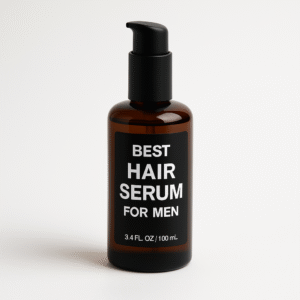
💇‍♂️ Best Hair Serum for Men – पुरुषों के लिए बेस्ट हेयर सीरम की पूरी गाइड

आज के समय में पुरुषों के लिए बालों की देखभाल उतनी ही ज़रूरी हो गई है जितनी महिलाओं के लिए। बढ़ता प्रदूषण, तनाव, और गलत खान-पान बालों को नुकसान पहुँचा सकता है। ऐसे में एक अच्छा हेयर सीरम न सिर्फ आपके बालों की खूबसूरती को बनाए रखता है, बल्कि उन्हें मज़बूत भी बनाता है।

इस ब्लॉग में हम बात करेंगे:

  • हेयर सीरम क्या होता है?

  • पुरुषों के लिए हेयर सीरम के फायदे

  • 2025 में मिलने वाले टॉप 5 बेस्ट हेयर सीरम

  • और कैसे चुनें अपने लिए सही हेयर सीरम

हेयर सीरम क्या होता है?

हेयर सीरम एक लिक्विड हेयर केयर प्रोडक्ट है जो आपके बालों पर एक प्रोटेक्टिव लेयर बनाता है। यह बालों को:

  • फ्रिज़-फ्री बनाता है

  • स्मूद और शाइनी लुक देता है

  • हीट प्रोटेक्शन प्रदान करता है

  • बालों को टूटने से बचाता है

✅ पुरुषों के लिए हेयर सीरम के फायदे

  1. बालों की चमक बढ़ाता है

  2. फ्रिज़ और ड्राइनेस से राहत

  3. हीट और पोल्यूशन से सुरक्षा

  4. बालों को टूटने से बचाता है

  5. हेयर ग्रोथ में मददगार

🏆 2025 के टॉप 5 बेस्ट हेयर सीरम फॉर मेन

l oreal oil serumbeard do hair serum

1. Beardo Hair Serum with Argan Oil

  • विशेषता: ड्राय और फ्रिज़ी बालों के लिए बेस्ट

  • फॉर्मूला: नॉन-स्टिकी और लाइट

  • कीमत: ₹350 – ₹500*


2. L’Oreal Paris Extraordinary Oil Serum

  • विशेषता: सभी बालों के प्रकार के लिए

  • फायदा: हीट प्रोटेक्शन + स्मूदनेस

  • कीमत: ₹600 – ₹800*

3. Mamaearth Onion Hair Serum

  • विशेषता: हेयर फॉल कम करने में मददगार

  • इंग्रीडिएंट्स: प्याज़, बायोटिन, सल्फर फ्री

  • कीमत: ₹350 – ₹450*

4. Ustraa Hair Growth Vitalizer

  • विशेषता: हेयर ग्रोथ को प्रमोट करता है

  • इंग्रीडिएंट्स: 17 नेचुरल एक्टिव्स

  • कीमत: ₹700 – ₹900*

5. The Man Company Hair Serum (Argan + Almond Oil)

  • विशेषता: शाइनी और मुलायम बाल

  • फायदा: पोषण + हेयर रिपेयर

  • कीमत: ₹400 – ₹550*

💡 कैसे चुनें अपने लिए सही हेयर सीरम?

समस्यासलाह
ड्राय और रूखे बालArgan Oil या Almond Oil युक्त सीरम
हेयर फॉल की शिकायतOnion Extract या Biotin वाला सीरम
स्टाइलिंग करते हैंSilicone-based हीट प्रोटेक्शन सीरम
डैंड्रफ की समस्याTea Tree Oil या Neem वाला सीरम

📝 कैसे इस्तेमाल करें हेयर सीरम?

  1. सबसे पहले बालों को धो लें (शैम्पू के बाद)

  2. हल्के गीले बालों में 2-3 बूंद सीरम लें

  3. हथेलियों में रगड़ें और बालों के सिरों से लगाना शुरू करें

  4. स्कैल्प पर न लगाएं (जब तक वो स्कैल्प-फोकस्ड न हो)

  5. अब आप बालों को कंघी करके सेट कर सकते हैं

🔚 निष्कर्ष (Conclusion)

हेयर सीरम एक ज़रूरी हेयर केयर स्टेप है, खासकर जब आप अपने बालों को फ्रिज़, टूटने और डलनेस से बचाना चाहते हैं। ऊपर बताए गए हेयर सीरम ब्रांड्स न केवल प्रभावी हैं, बल्कि आपके बजट और जरूरतों के अनुसार भी फिट बैठते हैं।

अब बालों की देखभाल बनाएं आसान – सही सीरम से पाएं दमकते और हेल्दी बाल!

Difference Between Cosmetics and Pharmaceuticals

Difference Between Cosmetics and Pharmaceuticals: A Detailed Analysis

Beauty and health are two of the most important aspects of human life. Where cosmetics aim to enhance external appearance and beauty, pharmaceuticals aim to treat, prevent, and cure diseases. Many people often confuse these two industries, but in reality, there are several fundamental differences between them.

In this blog, we’ll explore cosmetics and pharmaceuticals in depth and highlight their key differences.

1. Definition

Cosmetics:
Cosmetics are products used for cleansing, beautifying, or altering the appearance of the body’s external parts such as skin, hair, lips, and nails. Their primary purpose is to improve appearance, not to cure or prevent disease.

Pharmaceuticals:
Pharmaceuticals are medicinal products designed to diagnose, treat, and prevent diseases. These products work inside the body and are backed by scientific research, clinical studies, and regulatory approval.

2. Purpose

  • Purpose of Cosmetics:

    • Enhance beauty

    • Improve skin, hair, and nail care

    • Boost self-confidence

    • Examples: Face cream, lipstick, shampoo, perfume

  • Purpose of Pharmaceuticals:

    • Prevent illnesses

    • Cure diseases and restore health

    • Improve quality of life

    • Examples: Antibiotics, pain relievers, vaccines

3. Legal Definition & Regulation

  • Cosmetics:
    Cosmetic products are regulated, but not as strictly as pharmaceuticals. In most countries, cosmetics fall under acts similar to the Food, Drug, and Cosmetic Act. They are required to be safe for external use but do not require rigorous proof of effectiveness through clinical trials.

  • Pharmaceuticals:
    Pharmaceuticals are subject to strict regulations. Before being released in the market, drugs undergo pre-clinical studies, clinical trials, and safety tests. Every ingredient must be scientifically validated.

4. Mode of Action

  • Cosmetics:
    Work only on the surface of the body. For example, a foundation cream can even out skin tone but does not change how skin cells function.

  • Pharmaceuticals:
    Work internally by affecting biological systems. For example, antibiotics kill bacteria, and painkillers influence the nervous system to reduce pain.

5. Examples

  • Cosmetics:

    • Lipstick, nail polish

    • Face wash, moisturizer

    • Deodorant, perfume

    • Hair dye, hair oil

  • Pharmaceuticals:

    • Paracetamol, Ibuprofen

    • Antibiotics (Amoxicillin, Azithromycin)

    • Antivirals (Oseltamivir)

    • Insulin, vaccines

6. Safety & Side Effects

  • Cosmetics:
    Generally, cosmetics don’t cause serious side effects. However, people with sensitive skin may develop allergies, rashes, or irritation.

  • Pharmaceuticals:
    Medicines can have both minor and major side effects. Some side effects may be serious, such as nausea, headaches, or organ damage. Therefore, pharmaceuticals should always be taken under medical supervision.

7. Industry Outlook

  • Cosmetic Industry:
    Driven largely by glamour, fashion, and marketing. It is more connected to lifestyle, image, and trends.

  • Pharmaceutical Industry:
    Driven by science and research. Developing a new drug can take years of effort, multiple stages of testing, and billions of dollars of investment.

8. Pricing

  • Cosmetics:
    Prices are influenced more by brand value, packaging, and marketing strategies than by the cost of ingredients.

  • Pharmaceuticals:
    Prices are based on the cost of research, clinical trials, manufacturing, and regulatory approvals.

9. Marketing Strategy

  • Cosmetics:
    Relies heavily on advertising, endorsements by celebrities, and the fashion industry. Emotional appeal and aspirational marketing are key.

  • Pharmaceuticals:
    Relies on medical certifications, scientific research, and recommendations by doctors. The focus is credibility, not glamour.


10. Similarities

Despite their differences, cosmetics and pharmaceuticals share some commonalities:

  • Both improve the quality of human life.

  • Both are multi-billion-dollar industries with a global presence.

  • Both are used routinely — cosmetics for external care, pharmaceuticals for internal health.

11. Key Differences at a Glance

AspectCosmeticsPharmaceuticals
PurposeEnhance beauty & appearancePrevent and cure diseases
Mode of ActionWorks on surfaceWorks internally
RegulationLess strictHighly strict
ExamplesCreams, lipsticks, shampoosAntibiotics, painkillers
Side EffectsMild (allergies, irritation)Can be severe
Industry FocusFashion & lifestyleScience & health


Conclusion

Both cosmetics and pharmaceuticals are integral to human life. Cosmetics make us look attractive and boost our confidence, while pharmaceuticals protect us from diseases and save lives.

Where cosmetics belong to the world of beauty and lifestyle, pharmaceuticals belong to the world of science and medicine. One deals with enhancing external appearance, while the other deals with internal health and survival.

Both industries are essential in their own way, but it’s important to understand their differences so that consumers use the right product for the right purpose.

🌟 Best Body Lotion for Glowing Skin

हर कोई चाहता है कि उसकी त्वचा हेल्दी और नेचुरल तरीके से दमकती रहे। हम अक्सर चेहरे की स्किनकेयर पर ध्यान देते हैं, लेकिन बॉडी स्किन भी उतनी ही महत्वपूर्ण है। बॉडी लोशन न केवल त्वचा को हाइड्रेट करता है, बल्कि उसे पोषण देकर अंदर से चमक भी लाता है।

इस ब्लॉग में हम बात करेंगे टॉप बॉडी लोशनों की जो त्वचा को ग्लोइंग और हेल्दी बनाए रखने में आपकी मदद करेंगे।

✨ बॉडी लोशन से ग्लोइंग स्किन कैसे पाएं?

ग्लोइंग स्किन केवल बाहरी सुंदरता का विषय नहीं है, बल्कि यह आपके हेल्दी स्किन बैरियर, मॉइस्चर लेवल और स्किन टोन पर निर्भर करता है। एक अच्छा बॉडी लोशन:

  • त्वचा की खोई नमी वापस लाता है

  • डलनेस को कम करता है

  • स्किन टोन को सुधारता है

  • नैचुरल इंग्रीडिएंट्स से स्किन में जान डालता है

🏆 Top 7 Best Body Lotions for Glowing Skin

1. Vaseline Healthy Bright Daily Brightening Body Lotion

  • मुख्य इंग्रीडिएंट्स: Vitamin B3 और Triple Sunscreen

  • फायदे: डार्क स्किन पैचेस को हल्का करता है, धूप से प्रोटेक्शन देता है और नियमित उपयोग से निखार लाता है।


2. Nivea Extra Whitening Cell Repair Lotion

  • मुख्य इंग्रीडिएंट्स: Vitamin C और Camu Camu Extract

  • फायदे: Sun-damaged स्किन को रिपेयर करता है, और स्किन को visibly bright बनाता है।


3. mCaffeine Coffee Body Lotion

  • मुख्य इंग्रीडिएंट्स: Pure Arabica Coffee, Caffeine, Shea Butter

  • फायदे: Dull स्किन को एनर्जी देता है, ब्लड सर्कुलेशन को बूस्ट करता है जिससे स्किन में नेचुरल ग्लो आता है।


4. Aveeno Daily Moisturizing Lotion

  • मुख्य इंग्रीडिएंट्स: Colloidal Oatmeal

  • फायदे: Sensitive स्किन के लिए gentle है, खुजली और रूखापन कम करता है, और स्किन को सॉफ्ट बनाकर प्राकृतिक चमक लाता है।


5. Mamaearth Ubtan Body Lotion

  • मुख्य इंग्रीडिएंट्स: Turmeric, Saffron, Shea Butter

  • फायदे: स्किन को हल्का और ब्राइट करता है, डेड स्किन को हटाता है और टैनिंग कम करता है।


6. The Body Shop Vitamin E Body Lotion

  • मुख्य इंग्रीडिएंट्स: Vitamin E और Hyaluronic Acid

  • फायदे: स्किन को डीपली हाइड्रेट करता है, जिससे स्किन फुल और ग्लोइंग दिखती है।


7. CeraVe Moisturizing Lotion

  • मुख्य इंग्रीडिएंट्स: Ceramides और Hyaluronic Acid

  • फायदे: स्किन बैरियर को मजबूत करता है और स्किन को लंबे समय तक हाइड्रेटेड और स्मूद रखता है।

🛍 बॉडी लोशन कैसे चुनें?

1. स्किन टाइप पहचानें:

  • Dry Skin: Shea Butter, Cocoa Butter युक्त लोशन

  • Oily Skin: Lightweight और non-comedogenic लोशन

  • Sensitive Skin: Fragrance-free, hypoallergenic options

2. मौसम का ध्यान रखें:

  • गर्मियों में हल्के और कूलिंग लोशन

  • सर्दियों में रिच और गाढ़े लोशन

3. इंग्रीडिएंट्स पढ़ें:

  • Vitamin C, E, Hyaluronic Acid और Botanical Extracts स्किन को हेल्दी और ग्लोइंग बनाते हैं।

🧴 बॉडी लोशन लगाने का सही तरीका

  1. नहाने के तुरंत बाद लगाएं जब स्किन थोड़ी नम हो – इससे लोशन जल्दी अब्ज़ॉर्ब होगा।

  2. रोज़ाना इस्तेमाल करें, खासकर सर्दियों में।

  3. Exfoliation हफ्ते में 1-2 बार करें ताकि लोशन अच्छे से असर करे।

📝 निष्कर्ष

ग्लोइंग स्किन के लिए केवल महंगे प्रोडक्ट्स की जरूरत नहीं होती, बल्कि सही इंग्रीडिएंट्स और सही स्किनकेयर रूटीन ज़रूरी होता है। ऊपर बताए गए बॉडी लोशन न केवल आपकी त्वचा को मॉइस्चराइज करते हैं, बल्कि उसमें नैचुरल ब्राइटनेस और चमक भी लाते हैं। चाहे आपकी स्किन ड्राई हो, सेंसिटिव हो या नॉर्मल – इन लोशनों में से कोई न कोई आपके लिए परफेक्ट रहेगा।

🌸 Best Body Lotion for Female

हर महिला चाहती है कि उसकी त्वचा कोमल, हाइड्रेटेड और चमकदार बनी रहे। लेकिन बदलते मौसम, प्रदूषण और तनाव भरे जीवन में त्वचा की देखभाल करना एक चुनौती हो सकता है। बॉडी लोशन एक ऐसा स्किन केयर प्रोडक्ट है जो आपकी त्वचा को नमी प्रदान करता है और उसे रूखेपन से बचाता है।

इस ब्लॉग में हम जानेंगे महिलाओं के लिए सबसे बेहतरीन बॉडी लोशन कौन से हैं, और आप अपनी स्किन टाइप के हिसाब से कौन सा लोशन चुन सकती हैं।

🔍 बॉडी लोशन क्यों ज़रूरी है?

त्वचा हमारे शरीर का सबसे बड़ा अंग है, और उसे पर्याप्त नमी और पोषण की आवश्यकता होती है। जब त्वचा ड्राई हो जाती है, तो वह खिंचती है, फटती है और असहज महसूस होती है। बॉडी लोशन न केवल त्वचा की नमी को बनाए रखता है, बल्कि:

  • त्वचा को सॉफ्ट और स्मूद बनाता है

  • ड्राइनेस और खुजली से राहत देता है

  • स्किन को प्रोटेक्ट करता है बाहरी प्रदूषण से

  • उम्र बढ़ने के लक्षणों को कम करता है

💁‍♀️ महिलाओं के लिए टॉप 10 बेस्ट बॉडी लोशन

1. Vaseline Intensive Care Deep Restore Body Lotion

  • बेस्ट फॉर: ड्राई स्किन

  • खासियत: इसमें माइक्रो ड्रॉपलेट्स ऑफ वैसलीन जेल और ग्लिसरीन होता है जो स्किन में गहराई तक नमी पहुंचाता है।

  • फायदे: सस्ती कीमत, तेजी से असर, रोज़ाना के उपयोग के लिए उपयुक्त।


2. Nivea Body Lotion Essentially Enriched

  • बेस्ट फॉर: बहुत अधिक ड्राई स्किन

  • खासियत: बादाम के तेल से भरपूर, यह लोशन त्वचा को नरम और मुलायम बनाता है।

  • फायदे: लंबे समय तक हाइड्रेशन, हल्की खुशबू, सर्दियों के लिए परफेक्ट।


3. Aveeno Daily Moisturizing Lotion

  • बेस्ट फॉर: सेंसिटिव स्किन

  • खासियत: कोलाइडल ओटमील से बना यह लोशन स्किन को आराम देता है और खुजली से राहत देता है।

  • फायदे: बिना खुशबू के, एलर्जी-फ्री, डर्मेटोलॉजिस्ट-टेस्टेड।


4. The Body Shop Shea Body Butter

  • बेस्ट फॉर: नॉर्मल से ड्राई स्किन

  • खासियत: शीया बटर से बना यह बटर जैसा लोशन स्किन को गहराई से पोषण देता है।

  • फायदे: शानदार खुशबू, लग्ज़री फील, लंबे समय तक असरदार।


5. eos Shea Better 24H Moisture Body Lotion

  • बेस्ट फॉर: सेंसेटिव स्किन (फ्रेगरेंस-फ्री)

  • खासियत: यह लोशन त्वचा को 24 घंटे तक मॉइस्चराइज़ करता है और फ्रेगरेंस-फ्री है।

  • फायदे: हल्का, त्वचा में आसानी से समाने वाला, बिना चिपचिपाहट के।


6. CeraVe Moisturizing Lotion

  • बेस्ट फॉर: डर्मेटोलॉजिक यूज़ और एक्ज़िमा

  • खासियत: सेरामाइड्स और हयालुरोनिक एसिड से भरपूर यह लोशन स्किन बैरियर को मजबूत करता है।

  • फायदे: क्लिनिकली टेस्टेड, बिना सुगंध के, सभी स्किन टाइप्स के लिए।


7. Cetaphil Moisturising Lotion

  • बेस्ट फॉर: ऑयली और सेंसिटिव स्किन

  • खासियत: हल्का फॉर्मूला जो त्वचा को बिना ऑयली बनाए हाइड्रेट करता है।

  • फायदे: नॉन-कॉमेडोजेनिक, डेली यूज़ के लिए बेहतरीन।


8. mCaffeine Sweet Escape Body Lotion

  • बेस्ट फॉर: नॉर्मल स्किन और फ्रेगरेंस लवर्स

  • खासियत: इसमें कैफीन, कारमेल और शीया बटर होता है जो त्वचा को सॉफ्ट और एनर्जाइज करता है।

  • फायदे: इंडियन ब्रांड, यूनिक खुशबू, परबेन-फ्री।


9. Mamaearth Aloe Refresh Hydrating Body Lotion

  • बेस्ट फॉर: गर्मियों के लिए

  • खासियत: इसमें एलोवेरा और ककड़ी है जो त्वचा को ठंडक और हाइड्रेशन देती है।

  • फायदे: नेचुरल इंग्रीडिएंट्स, नॉन-स्टिकी फॉर्मूला।


10. Necessaire The Body Lotion – Multi-Peptide Eucalyptus

  • बेस्ट फॉर: लग्ज़री स्किन केयर

  • खासियत: मल्टी-पेप्टाइड और विटामिन्स से भरपूर यह लोशन त्वचा की मरम्मत में मदद करता है।

  • फायदे: क्लीन फॉर्मूला, लग्ज़री एक्सपीरियंस।

🌿 बॉडी लोशन कैसे चुनें? (Buying Guide)

1. अपनी स्किन टाइप को जानें:

  • ड्राई स्किन के लिए Shea Butter या Glycerin आधारित लोशन

  • ऑयली स्किन के लिए नॉन-कॉमेडोजेनिक, लाइटवेट लोशन

  • सेंसिटिव स्किन के लिए फ्रेगरेंस-फ्री और हाइपोएलर्जेनिक

2. मौसम का ध्यान रखें:

  • सर्दियों में हेवी लोशन

  • गर्मियों में हल्का, कूलिंग फॉर्मूला

3. इंग्रीडिएंट्स पर ध्यान दें:

  • सेरामाइड्स, हयालुरोनिक एसिड, ओटमील, एलोवेरा जैसे नेचुरल और स्किन-फ्रेंडली इंग्रीडिएंट्स चुनें।

4. बजट:

  • ₹200 से ₹2000 तक हर बजट में अच्छे लोशन उपलब्ध हैं।

📝 निष्कर्ष (Conclusion)

महिलाओं के लिए बेस्ट बॉडी लोशन चुनना आपकी त्वचा के प्रकार और जरूरतों पर निर्भर करता है। यदि आप नियमित रूप से लोशन का उपयोग करती हैं, तो आपकी त्वचा लंबे समय तक कोमल और हेल्दी बनी रहती है। चाहे आप बजट-फ्रेंडली प्रोडक्ट चाहती हों या कोई लग्ज़री ब्रांड, इस ब्लॉग की सूची में सभी के लिए कुछ न कुछ है।

Production Manager Role, Responsibilities

Production Manager: Role, Responsibilities, Qualification, and Salary


✅ 1. Key Responsibilities of a Production Manager:

The Production Manager ensures the smooth and efficient manufacturing of products while maintaining safety, quality, and cost standards.

Core Responsibilities:

Production Planning:
Creating detailed production schedules based on demand forecasts and raw material availability.

Process Management:
Ensuring the manufacturing processes meet company standards, Good Manufacturing Practices (GMP), and regulatory guidelines.

Team Supervision:
Managing and guiding the production team, machine operators, and shift supervisors.

Quality Coordination:
Working closely with Quality Assurance (QA) and Quality Control (QC) to ensure all products meet quality standards.

Inventory & Material Management:
Coordinating raw material procurement, managing stock levels, and reducing wastage.

Process Improvement:
Implementing Lean Manufacturing, 5S, Kaizen, and other efficiency improvement techniques.

Health & Safety Compliance:
Ensuring that safety protocols are strictly followed within the production area.

Documentation:
Maintaining detailed batch records, production logs, and compliance documents.

✅ 2. Educational Qualification:

Qualification Level Details

Minimum Diploma in Mechanical, Chemical, or Production Engineering
Preferred B.Tech/B.E in Chemical/Production/Pharmaceutical Engineering OR B.Sc/M.Sc in Chemistry, Cosmetic Science, Pharmaceutical Sciences
Specialized Courses GMP, Six Sigma, Lean Manufacturing, Safety Training


✅ 3. Required Skills:

In-depth knowledge of GMP, SOPs, and Regulatory Requirements (especially in Pharma)

Strong leadership and team management

Process optimization and problem-solving skills

Ability to handle production machinery

Inventory management skills

Effective communication and reporting

✅ 4. Salary Range in India:

Industry Experience Monthly Salary (₹) Annual Package (₹)

Cosmetics 0-3 Years ₹25,000 – ₹40,000 ₹3 LPA – ₹5 LPA
4-7 Years ₹40,000 – ₹65,000 ₹5 LPA – ₹8 LPA
8+ Years ₹65,000 – ₹1,00,000+ ₹8 LPA – ₹15 LPA+
Pharmaceuticals 0-3 Years ₹30,000 – ₹50,000 ₹4 LPA – ₹6 LPA
4-7 Years ₹50,000 – ₹80,000 ₹6 LPA – ₹10 LPA
8+ Years ₹80,000 – ₹1,50,000+ ₹10 LPA – ₹20 LPA+

✅ 5. Growth Path:

Production Officer → Production Executive → Assistant Manager → Production Manager → Plant Head → Operations Head

✅ Differences in Cosmetics vs. Pharma:

Factor Cosmetics Industry Pharma Industry

Regulations Moderate (Focus on GMP, FDA, BIS) Highly Strict (FDA, WHO, GMP, GLP)
Salary Moderate Higher due to more critical processes
Process Precision Medium Very High (Sterility, Potency, Dosing)
Growth Steady Fast if skilled in compliance and audits