Introduction
Oily skin is one of the most common skin types, yet also one of the trickiest to manage. If you have oily skin, you’re probably familiar with problems like excess shine, clogged pores, acne breakouts, and an uneven complexion. While genetics and lifestyle play a role, the foundation of clear and balanced skin starts with the right cleansing routine.
Using a face wash specifically designed for oily skin can make a world of difference. Unlike regular soap or random cleansers, a proper face wash helps remove excess oil, dirt, and impurities without stripping away your skin’s natural moisture barrier. But here’s the catch—many people don’t know how to use face wash correctly, which often leads to dryness, irritation, or even more oil production.
This guide will walk you through everything you need to know about using face wash for oily skin—from why it matters to step-by-step instructions, expert tips, and the best skincare practices to keep your skin fresh, healthy, and shine-free.
What Is Face Wash and Why It Matters for Oily Skin
A face wash is a specially formulated cleanser designed to clean your facial skin gently but effectively. Unlike harsh soaps that can disrupt your skin’s natural balance, a face wash is milder, pH-balanced, and often enriched with ingredients tailored to different skin concerns.
For oily skin, face washes are designed to:
Remove excess sebum (oil).
Prevent clogged pores and breakouts.
Keep skin feeling fresh without over-drying.
Maintain the skin’s natural protective barrier.
Why You Shouldn’t Use Regular Soap on Oily Skin
One of the most common mistakes people with oily skin make is using regular bar soap. While it may give a “squeaky clean” feeling, it actually harms your skin in the long run.
Here’s why soap is bad for oily skin:
High pH (9–10): Disrupts skin’s natural pH (4.5–6.5).
Over-drying effect: Strips natural oils, causing skin to produce even more oil.
Irritation: Can lead to redness, tightness, and sensitivity.
Breakouts: Harsh ingredients may trigger acne.
On the other hand, a good oily-skin face wash maintains balance while tackling excess oil gently.
Types of Face Wash for Oily Skin
When choosing a face wash, it’s important to know the different types available:
1. Foaming Face Wash
Creates a light lather.
Best for very oily and acne-prone skin.
Helps deep clean pores.
2. Gel-Based Face Wash
Lightweight and refreshing.
Controls oil without over-drying.
Ideal for daily use.
3. Exfoliating Face Wash
Contains small beads or acids (like salicylic acid).
Removes dead skin cells and unclogs pores.
Use only 2–3 times a week to avoid irritation.
4. Clay or Charcoal Face Wash
Absorbs excess oil.
Detoxifies skin by drawing out impurities.
Great for evening use.
Step-by-Step Guide: How to Use Face Wash for Oily Skin
Step 1: Prepare Your Skin
Wash your hands to avoid transferring bacteria.
Splash your face with lukewarm water (not hot, not cold).
Step 2: Apply the Face Wash
Squeeze a pea-sized amount onto your palm.
Rub your hands gently to activate the formula.
Step 3: Massage Gently
Using fingertips, massage in circular motions.
Focus on oily areas like the T-zone (forehead, nose, chin).
Avoid scrubbing too hard—it can irritate your skin.
Step 4: Rinse Thoroughly
Rinse with lukewarm water until all product is gone.
Make sure no residue remains, especially around the nose and jawline.
Step 5: Pat Dry
Use a clean, soft towel.
Gently pat—don’t rub—to avoid irritation.
Step 6: Follow Up with Moisturizer
Always use an oil-free, non-comedogenic moisturizer.
Moisturizing prevents over-drying and controls oil production.
Important Tips for Oily Skin Care
1. Wash Twice a Day
Over-washing can strip your skin and increase oil production. Stick to morning and night cleansing.
2. Use Lukewarm Water
Hot water strips natural oils, while cold water doesn’t cleanse properly. Lukewarm water is ideal.
3. Don’t Over-Exfoliate
Exfoliation is good but too much can irritate oily skin. Limit to 2–3 times a week.
4. Choose Oil-Free Products
Look for labels like “oil-free,” “non-comedogenic,” and “mattifying.”
5. Avoid Touching Your Face
Hands carry bacteria and oils that can worsen acne and shine.
How to Choose the Right Face Wash for Oily Skin
For Acne-Prone Skin: Choose a face wash with salicylic acid or benzoyl peroxide.
For Sensitive Oily Skin: Go for fragrance-free, sulfate-free cleansers.
For Dull Oily Skin: Try a face wash with vitamin C or mild exfoliants.
For Men with Oily Skin: Men often have thicker, oilier skin—so gel-based or foaming cleansers work best.
Common Myths About Oily Skin and Face Wash
Myth 1: “Oily skin doesn’t need moisturizer.”
❌ Wrong! Skipping moisturizer can actually trigger your skin to produce even more oil to make up for lost hydration. The key is to use a lightweight, oil-free moisturizer.
Myth 2: “The harsher the cleanser, the better.”
❌ No. Harsh cleansers strip away your skin’s natural protective oils, leading to dryness, irritation, and even more breakouts.
Myth 3: “If I wash my face more often, my skin will be less oily.”
❌ Over-washing has the opposite effect. When you wash too often, your skin compensates by producing even more oil, which can clog pores and worsen acne.
Myth 4: “Face wash alone can cure oily skin problems.”
❌ Not true. While a face wash is essential for managing excess oil, it cannot solve oily skin on its own. A complete routine with moisturizer, sunscreen, and healthy lifestyle choices is necessary for long-term results.
Myth 5: “Natural oils on the skin are always bad.”
❌ False. Your skin’s natural oils help protect and hydrate your skin. The goal of a face wash is not to remove all oil, but to balance it so your skin stays healthy without becoming greasy.
Lifestyle Habits That Support Oil Control
Diet: Avoid excessive fried foods; eat more fruits and vegetables.
Hydration: Drink at least 8 glasses of water daily.
Sleep: Poor sleep increases stress and oil production.
Exercise: Sweating helps detoxify pores, but always wash your face after workouts.
Conclusion
Managing oily skin doesn’t have to be complicated. The key is to use a gentle yet effective face wash that removes excess oil without damaging your skin’s barrier. By following the correct technique—preparing your skin, applying the right amount, massaging gently, rinsing well, and moisturizing—you can maintain a fresh, balanced, and shine-free complexion.
Pair this with healthy lifestyle choices and the right skincare products, and your oily skin will not only look better but also feel healthier.
Remember: Consistency is everything. Stick to a proper routine, and you’ll notice the difference in just a few weeks.




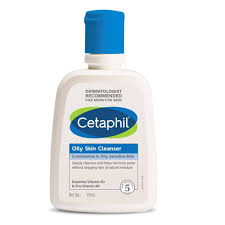

 Oil control karta hai
 Gentle yet effective cleanser