cosmeticgyaan

EUXYL™ PE 9010 Preservative: Uses, Benefits, INCI Name, Safety & Applications in Personal Care

In modern personal and home care formulations, effective preservation is critical for product safety, stability, and shelf life. One preservative system that has gained wide global acceptance is EUXYL™ PE 9010.

This blog provides a complete technical overview of EUXYL™ PE 9010, including its chemistry, INCI name, mechanism of action, benefits, applications, usage levels, regulatory status, and future relevance in cosmetic and personal care products.

What is EUXYL™ PE 9010?

EUXYL™ PE 9010 is a liquid, broad-spectrum preservative system designed for use in personal care and cosmetic products. It is especially valued for its mildness, stability, and effectiveness across a wide pH and temperature range. It is commonly used in:

Leave-on and rinse-off products

Hair care products

Skin care formulations

Wet wipes

Transparent gels

Chemistry & INCI Name of EUXYL™ PE 9010

Chemistry Type

  • Antimicrobials
  • Multifunctional preservative system
  • Phenoxyethanol-based blend

INCI / Chemical Name

Phenoxyethanol (and) Ethylhexylglycerin

This combination delivers synergistic antimicrobial action, making EUXYL™ PE 9010 more effective than single preservatives.

How EUXYL™ PE 9010 Works (Mechanism of Action)

EUXYL™ PE 9010 protects cosmetic products through a dual-action antimicrobial mechanism:

1. Phenoxyethanol

  • Disrupts microbial cell membranes
  • Highly effective against bacteria
  • Provides reliable preservation in water-based systems

2. Ethylhexylglycerin

  • Reduces interfacial tension at the microorganism cell membrane
  • Enhances penetration of phenoxyethanol
  • Boosts overall antimicrobial efficacy
  • Acts as a mild skin-conditioning agent

👉 Together, these two components offer strong broad-spectrum protection against:

  • Gram-positive bacteria
  • Gram-negative bacteria
  • Yeast
  • Mold

Key Features and Benefits of EUXYL™ PE 9010

✔ Strong Broad-Spectrum Efficacy

Effectively protects formulations from microbial contamination throughout their shelf life.

✔ Mild, Liquid Preservative Blend

  • Easy to handle
  • Easy to incorporate
  • Suitable for sensitive formulations

✔ Ideal for Transparent Gels

Does not affect clarity, making it an excellent choice for:

  • Clear shampoos
  • Hair gels
  • Face washes
  • Hand washes

✔ Excellent Stability

  • Stable to hydrolysis
  • Stable across temperature variations
  • Effective over a wide pH range (3–12)

✔ Microbiome-Gentle

Designed to be effective against harmful microorganisms while remaining gentle to the skin microbiome.

Applications of EUXYL™ PE 9010

EUXYL™ PE 9010 is suitable for a wide range of personal care applications.

Application Suitability Table

Application TypeSuitability
Leave-on products+++ Highly Recommended
Rinse-off products+ Suitable
Wet wipes+++ Highly Recommended

Common Product Categories

  • Shampoos
  • Conditioners
  • Hair serums
  • Face creams & lotions
  • Sunscreens
  • Body washes
  • Liquid soaps
  • Wet wipes
  • Transparent gels

Its flexibility makes it a go-to preservative system for formulators.

Recommended Use Levels

  • Typical use level: 0.5 – 1.0%
  • Exact dosage depends on:
    • Water activity
    • Product type
    • Microbial risk profile
    • Packaging
    • Always confirm dosage through preservative efficacy testing (PET / challenge test)

Processing Guidelines

Temperature

  • Maximum production temperature: below 120°C

Phase Addition

  • Can be added during the cool-down phase
  • Compatible with standard cosmetic manufacturing processes

pH Compatibility

  • Effective in pH range 3 – 12
  • Suitable for acidic, neutral, and mildly alkaline formulations

Regulatory & Global Compliance

EUXYL™ PE 9010 complies with major global cosmetic regulations.

Approved Regions

  • Brazil
  • Canada
  • China
  • European Union
  • Japan
  • Mexico
  • United States

This makes it ideal for international brands and export-oriented formulations.

Technology & Formulation Philosophy

EUXYL™ PE 9010 aligns well with modern “cleaner” formulation requirements.

Free From:

  • Formaldehyde donors
  • Halogens
  • Isothiazolinones
  • Parabens

Technology Highlights:

  • Multifunctional ingredient system
  • Phenoxyethanol-based preservation
  • Modern paraben-alternative approach

Why Formulators Choose EUXYL™ PE 9010

Formulators prefer EUXYL™ PE 9010 because it offers:

  • Reliable microbial protection
  • Ease of formulation
  • Broad compatibility with ingredients
  • Minimal impact on color, odor, and clarity
  • Regulatory confidence across markets

It is particularly useful when:

  • Developing transparent products
  • Formulating leave-on cosmetics
  • Creating export-ready products

Cost Impact on Finished Products

From a manufacturing perspective, EUXYL™ PE 9010 is cost-efficient.

Cost Advantages:

  • Low effective use levels
  • Reduces need for multiple preservatives
  • Minimal impact on final product cost
  • Helps avoid reformulation costs due to instability

For brands, it offers excellent value-to-performance ratio.

EUXYL™ PE 9010 in Hair Care Products

In hair care formulations, EUXYL™ PE 9010 is especially valuable because:

  • Shampoos and conditioners are water-rich
  • Hair products face high microbial exposure
  • Transparent hair products require clarity

It helps maintain:

  • Product safety
  • Shelf life
  • Consumer trust

Future Scope of EUXYL™ PE 9010

The demand for mild, globally accepted preservative systems is increasing due to:

  • Growth of sensitive skin products
  • Expansion of international cosmetic markets
  • Regulatory pressure on older preservatives

EUXYL™ PE 9010 is well-positioned to remain a long-term preservative solution in:

  • Hair care
  • Skin care
  • Wet wipes
  • Hybrid cosmetic formulations

EUXYL™ PE 9010 vs Traditional Preservatives

Compared to older preservative systems, EUXYL™ PE 9010 offers:

  • Better consumer acceptance
  • Improved formulation flexibility
  • Lower irritation potential (when used correctly)
  • Cleaner label positioning

This makes it a preferred choice for modern cosmetic science.

FAQs – EUXYL™ PE 9010

Is EUXYL™ PE 9010 safe for leave-on products?

Yes, when used within recommended limits and properly tested.

Can it be used in natural formulations?

It is commonly used in modern and hybrid formulations, though not certified natural.

Does it affect product clarity?

No, it is ideal for transparent formulations.

Is challenge testing required?

Yes, preservative efficacy testing is always recommended.

Final Conclusion

EUXYL™ PE 9010 is a high-performance, broad-spectrum preservative system that meets the demands of modern cosmetic and personal care formulations. Its mildness, stability, global regulatory acceptance, and formulation flexibility make it a reliable choice for both small manufacturers and large brands.

As the industry continues to evolve toward safer, smarter, and globally compliant products, EUXYL™ PE 9010 will remain a key preservative solution in the personal care sector.

🌿 What is Decyl Glucoside?

Decyl glucoside is a mild, plant-derived, non-ionic surfactant, primarily used in personal care and cleaning products for its gentle cleansing and foaming properties

In today’s beauty and skincare market, gentle yet effective ingredients are in high demand. Consumers are increasingly aware of what goes into their products, and harsh chemicals are being replaced with more skin-friendly, biodegradable, and non-toxic alternatives

In this blog, we’ll explore what Decyl Glucoside is, how it’s made, its uses in cosmetics, the benefits it offers for various skin types, and why it has become a go-to for natural and sensitive skincare formulations.

🔬 What is Decyl Glucoside?

Decyl Glucoside is a non-ionic surfactant derived from natural sources—specifically glucose (sugar) and decyl alcohol (which is obtained from coconut or palm kernel oil). In simple terms, it’s a plant-based cleansing agent that helps mix oil and water, allowing dirt and oil to be rinsed away easily.

It belongs to a group of surfactants known as alkyl polyglucosides (APGs), which are known for being mild, non-irritating, and environmentally friendly.

INCI Name: Decyl Glucoside
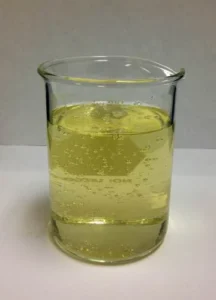
Appearance: Clear to slightly cloudy yellow liquid
Solubility: Water-soluble
pH Range: 5.5 – 12 (typically used in pH-balanced formulations)

🧪 How is Decyl Glucoside Made?

Decyl Glucoside is produced through a process called condensation. Here’s a simplified version of how it’s made:

  1. Glucose (usually from corn or wheat) is reacted with

  2. Decyl alcohol (derived from natural fatty alcohols in coconut oil).

This reaction creates a stable, biodegradable compound that retains the cleansing ability of surfactants without causing harm to the skin or the environment.

💧 Why Use Decyl Glucoside in Cosmetics?

With growing awareness around green beauty and clean ingredients, formulators are shifting towards ingredients like Decyl Glucoside for several reasons:

  • It’s mild enough for babies and people with sensitive skin.

  • It’s free of sulfates, which are often linked to dryness and irritation.

  • It is non-toxic and biodegradable, aligning with eco-conscious formulations.

  • It’s compatible with a wide range of pH levels, making it versatile.

🧴 Common Cosmetic Uses of Decyl Glucoside

Because of its mild nature and effective cleansing properties, Decyl Glucoside is used in a variety of skincare, haircare, and personal care products:

https://cosmeticgyaan.com/

1. Facial Cleansers

Decyl Glucoside gently lifts away dirt, makeup, and sebum without stripping the skin’s natural oils—making it ideal for daily facial cleansers, especially for dry or sensitive skin.

2. Shampoos & Baby Washes

It’s commonly used in sulfate-free shampoos and baby products, where a mild lather is sufficient, and scalp irritation must be avoided.

3. Body Wash & Shower Gels

Provides a creamy lather and effective cleansing while being non-drying and gentle on the skin.

4. Foaming Hand Soaps

Decyl Glucoside creates a rich foam and is less likely to cause dermatitis or dryness from frequent washing.

5. Micellar Waters & Makeup Removers

Its solubilizing ability helps remove oil-based makeup and sunscreen while maintaining skin balance.

6. Toothpastes & Mouthwashes

Its non-irritating nature also makes it suitable for oral care, though less common than other surfactants.

🌟 Key Benefits of Decyl Glucoside in Skincare

✅ 1. Gentle and Non-Irritating

One of the most important benefits of Decyl Glucoside is its non-irritating and non-sensitizing properties. It is often recommended for:

  • Eczema-prone skin

  • Rosacea

  • Post-procedure skincare (e.g., after chemical peels)

✅ 2. Biodegradable and Eco-Friendly

As a plant-derived, 100% biodegradable surfactant, it poses no risk to the environment. It is ideal for sustainable and vegan skincare lines.

✅ 3. Non-Comedogenic

Unlike some harsh surfactants, Decyl Glucoside does not clog pores, making it suitable for acne-prone skin.

✅ 4. Excellent Foaming Properties

While it’s milder than sulfates, it still produces a satisfying lather, offering the sensory experience people expect from cleansers.

✅ 5. Compatible with Other Ingredients

It works well with other mild surfactants (like Coco Glucoside or Lauryl Glucoside) and does not react with cationic or anionic ingredients, making it flexible for formulators.

🧬 Is Decyl Glucoside Safe?

Yes. According to the Cosmetic Ingredient Review (CIR) and European Union cosmetic regulations, Decyl Glucoside is considered safe for use in cosmetics.

However, as with all ingredients, patch testing is recommended, especially for individuals with very sensitive or allergy-prone skin. Though rare, some people may experience mild irritation when used in high concentrations or with prolonged exposure.

❓Decyl Glucoside vs Sulfates – What’s the Difference?

FeatureDecyl GlucosideSulfates (e.g., SLS, SLES)
OriginPlant-derivedSynthetic
GentlenessVery gentleCan be harsh
FoamingMild to moderateHigh
Environmental impactBiodegradableNot eco-friendly
Skin compatibilityGood for sensitive skinCan cause dryness or irritation

ग्लिसरीन के उपयोग Glycerine Uses

भूमिका (Introduction)

ग्लिसरीन एक पारदर्शी, गाढ़ा और मीठा स्वाद वाला तरल होता है, जो प्राकृतिक व सिंथेटिक दोनों रूपों में पाया जाता है। यह कॉस्मेटिक, औषधि, फूड इंडस्ट्री और घरेलू नुस्खों में बड़े पैमाने पर इस्तेमाल किया जाता है।

ग्लिसरीन का रासायनिक नाम Glycerol है और यह अपनी Moisturizing (नमी बनाए रखने वाली) और Healing Properties के लिए मशहूर है।

https://cosmeticgyaan.com/

ग्लिसरीन के मुख्य उपयोग (Top Uses of Glycerine)

1️⃣ त्वचा के लिए (For Skin)

✅ Moisturizer —
ग्लिसरीन स्किन में पानी को Lock करता है, जिससे त्वचा मुलायम और हाइड्रेटेड रहती है। Dry Skin वालों के लिए ये वरदान है।

✅ Anti-Aging Treatment —
यह Fine Lines aur Wrinkles को कम करने में मदद करता है क्योंकि यह स्किन को प्लंप और स्मूथ बनाता है।

✅ Acne aur Pimples —
ग्लिसरीन स्किन में नमी बनाए रखता है, जिससे Excess Oil नहीं बनता और Acne कम होते हैं।

✅ Skin Brightening —
Regular use से त्वचा में चमक आती है और दाग-धब्बे हल्के होते हैं।

✅ Cracked Heels & Dry Elbows —
ग्लिसरीन को नींबू के रस के साथ मिलाकर लगाने से फटी एड़ियों और रूखे हिस्सों में आराम मिलता है।

ग्लिसरीन एक पारदर्शी, गाढ़ा और मीठा स्वाद वाला तरल होता है, जो प्राकृतिक व सिंथेटिक दोनों रूपों में पाया जाता है। यह कॉस्मेटिक, औषधि, फूड इंडस्ट्री और घरेलू नुस्खों में बड़े पैमाने पर इस्तेमाल किया जाता है।ग्लिसरीन का रासायनिक नाम Glycerol है और यह अपनी Moisturizing (नमी बनाए रखने वाली) और Healing Properties के लिए मशहूर है।

https://cosmeticgyaan.com/

2️⃣ बालों के लिए (For Hair)

✅ Conditioner —
ग्लिसरीन बालों में Moisture Lock करता है, जिससे बाल Soft aur Manageable बनते हैं।

✅ Frizz Control —
Humidity में बाल Frizzy हो जाते हैं, ग्लिसरीन उन्हें Control करता है।

✅ Scalp Moisturizer —
ड्राई स्कैल्प और डैंड्रफ की समस्या में ग्लिसरीन बहुत फायदेमंद है।

3️⃣ औषधीय उपयोग (Medicinal Uses)

✅ Cough Syrup —
ग्लिसरीन गले की खराश और सूखी खांसी में आराम देने वाले सिरप में इस्तेमाल होता है।

✅ Wound Healing —
ग्लिसरीन से घाव को साफ करके लगाने पर यह हीलिंग में मदद करता है।

✅ Glycerine Suppositories —
यह कब्ज (Constipation) में बतौर मेडिसिन उपयोग होती है।

4️⃣ घरेलू उपयोग (Household Uses)

✅ Leather Conditioner —
पुराने जूते, बेल्ट, बैग में ग्लिसरीन लगाने से उनकी चमक वापस आती है।

✅ Mirror Fogging Control —
Bathroom mirrors पर ग्लिसरीन लगाने से Fog नहीं जमती।

✅ Handwash aur Soaps Mein —
ग्लिसरीन बेस्ड साबुन त्वचा को सूखने से बचाते हैं।

5️⃣ फूड इंडस्ट्री में (In Food Industry)

✅ Preservative —
खाद्य उत्पादों में ग्लिसरीन नमी बनाए रखने वाला एजेंट और प्रिज़र्वेटिव के रूप में इस्तेमाल होता है।

✅ Sweetener —
कुछ खाद्य पदार्थों में इसे हल्की मिठास देने के लिए भी उपयोग किया जाता है।

6️⃣ कॉस्मेटिक्स में (In Cosmetics)

✅ Face Wash, Moisturizers, Creams, Lotions, Lip Balms और Shampoos में ग्लिसरीन एक आम घटक है।

✅ यह Skin Care aur Hair Care Products में Hydrating Agent के रूप में प्रयोग होता है।

ग्लिसरीन इस्तेमाल करते समय सावधानियां

⚠️ हमेशा शुद्ध (Pure) ग्लिसरीन का ही उपयोग करें।
⚠️ Sensitive Skin वालों को Patch Test करना चाहिए।
⚠️ अत्यधिक मात्रा में ग्लिसरीन से चिपचिपाहट हो सकती है।

निष्कर्ष (Conclusion)

ग्लिसरीन एक Multi-Purpose और Budget Friendly उत्पाद है जो आपकी Skin Care, Hair Care और Daily Life के कई हिस्सों में काम आता है। चाहे आप त्वचा को मुलायम बनाना चाहते हों या बालों को फ्रिज से बचाना, ग्लिसरीन हमेशा उपयोगी रहेगा।

https://cosmeticgyaan.com/


Disodium EDTA in cosmetics uses

Walnut scrub kese use krte hai

In the modern cosmetic industry, product stability, shelf-life, and performance are directly linked to the ingredients used. One such indispensable ingredient is Disodium EDTA (Ethylenediaminetetraacetic acid disodium salt).
Though it might sound like a complex chemical, its role in your personal care products is crucial for both product safety and user experience.

In this blog, we’ll dive deep into:

What is Disodium EDTA?

Where is it derived from?

Why is it used in cosmetics and personal care products?

Its benefits for formulations

Common applications and uses

Is it safe?

Regulatory status globally

Myths and facts

What is Disodium EDTA?

Disodium EDTA is a water-soluble chelating agent, widely used in cosmetics and personal care products.

Chemical Formula: C₁₀H₁₄N₂Na₂O₈

Appearance: White, odorless, crystalline powder or granules

Solubility: Highly soluble in water

Chelating Agent — What Does It Mean?

A chelating agent binds with metal ions like calcium, magnesium, iron, and copper, preventing them from reacting with other ingredients.

Example:

It stabilizes shampoos, creams, or lotions by preventing metal contamination, thereby increasing shelf life and preventing spoilage.


Why is Disodium EDTA Used in Cosmetics?

1️⃣ To Improve Product Stability

Metal ions may be introduced through water, raw materials, or even packaging. Disodium EDTA inactivates these ions, preventing product degradation.

Example:

Prevents rancidity in creams and lotions

Stops discoloration in transparent or white products


2️⃣ Enhances Effectiveness of Preservatives

Disodium EDTA boosts the efficacy of common preservatives like parabens, phenoxyethanol, and formaldehyde releasers by weakening the cell walls of microbes.
This ensures better protection against bacteria, fungi, and molds.

3️⃣ Prevents Oxidation & Discoloration

In formulations containing sensitive ingredients like Vitamin C or plant extracts, Disodium EDTA prevents oxidation that could lead to color change or degradation.

4️⃣ Water Softening Property

It helps in controlling water hardness in formulations like shampoos, face washes, and liquid soaps — ensuring proper foaming and cleaning action.

Applications in Cosmetics & Personal Care

Disodium EDTA is a versatile ingredient used across multiple product categories:

Product Type Role of Disodium EDTA

Shampoos & Conditioners Prevents hard water ions from affecting foam quality
Creams & Lotions Stabilizes formulations & enhances preservative action
Facial Cleansers Prevents discoloration & maintains pH
Toothpaste Prevents tartar build-up & ensures consistency
Soaps & Liquid Hand Wash Enhances lather & shelf life
Makeup Products Maintains color integrity & improves shelf life
Serums & Toners Protects sensitive active ingredients

Benefits of Disodium EDTA in Formulations

✅ Extended Shelf Life
✅ Improved Product Efficacy
✅ Prevention of Microbial Growth
✅ Stable pH and Appearance
✅ Enhanced Customer Experience

Is Disodium EDTA Safe?

Safety Assessment by Global Authorities:

US FDA (Food and Drug Administration): Recognized as Generally Recognized As Safe (GRAS) when used in limited concentrations.

CIR (Cosmetic Ingredient Review): Safe at concentrations up to 2% in rinse-off and 0.2% in leave-on products.

EU Cosmetic Regulation: Approved with usage limits and specific labeling requirements.

Note:

✅ It is considered non-toxic, non-sensitizing, and non-carcinogenic in recommended cosmetic uses.

Common Myths & Facts about Disodium EDTA

Myths Facts

Disodium EDTA is harmful to skin ✅ Approved as safe for cosmetic use
It causes skin irritation ✅ No evidence at approved concentrations
It builds up in the body ✅ Not bioaccumulative in cosmetic usage
It is a preservative ✅ Not a preservative but boosts preservative efficacy

Environmental Impact

While Disodium EDTA is biodegradable under certain conditions, excessive industrial use can impact aquatic life due to its metal-binding properties. This is why some eco-friendly formulations avoid it or use biodegradable alternatives like GLDA.

Alternatives to Disodium EDTA

Alternative Uses

Sodium Gluconate Biodegradable chelating agent
GLDA (Tetrasodium Glutamate Diacetate) Eco-friendly and readily biodegradable
Sodium Phytate Plant-derived chelating agent.


Conclusion: Should You Worry About Disodium EDTA in Cosmetics?

Disodium EDTA is a time-tested, well-researched ingredient that plays a critical role in cosmetic formulations.

🛡️ It protects your favorite products from spoilage

🧴 Enhances the effectiveness of preservatives

🌸 Maintains the integrity, look, and feel of products

When used as per cosmetic regulations, Disodium EDTA is completely safe for consumers.

Quick Summary — Why is Disodium EDTA Popular in Cosmetic Formulation?

✔️ Stabilizes products

✔️ Enhances shelf life

✔️ Supports preservatives

✔️ Prevents oxidation

✔️ Safe & effective

Carbopol® Ultrez 20 Polymer

Carbopol Ultrez 20 polymer is a hydrophobically-modified, crosslinked acrylate copolymer. It's a white powder that's known for its self-wetting and dispersing properties, making it easy to use in formulations. It's a rheology modifier and stabilizer, providing electrolyte tolerance and unique sensory benefits in products like shampoos, body washes, and creams

Carbopol® Ultrez 20 polymer is a hydrophobically-modified, cross-linked acrylate copolymer that’s revolutionized the way formulators create creams, gels, shampoos, and lotions.

Carbopol Ultrez 20 polymer is a hydrophobically-modified, crosslinked acrylate copolymer. It's a white powder that's known for its self-wetting and dispersing properties, making it easy to use in formulations. It's a rheology modifier and stabilizer, providing electrolyte tolerance and unique sensory benefits in products like shampoos, body washes, and creams

Why It’s a Game-Changer

Core Functions in Personal Care

  • Rheology Modifier
    Tailors viscosity—from light gels to rich creams—while maintaining smooth flow and pumpability Reddit+15lubrizol.com+15treasureactives.com+15.

  • Thickener & Stabilizer
    Controls texture and ensures homogeneous appearance, especially under heat and freeze–thaw cycles www.personalcaremagazine.com.

  • Suspending Agent
    Keeps solid inclusions (e.g., titanium dioxide beads or botanical powder) evenly distributed.

🔬 Key Technical Highlights

AttributeDetail
AppearanceWhite, fluffy powder knowde.com+7ahualyn.com+7knowde.com+7
Effective Range0.1–1.5 wt% typical
Viscosity (1%)~47,000–67,000 cP
Clear Gel Percentage≥ 90% clarity in gels
Surfactant ToleranceUp to 10–12 wt% without viscosity loss


📦 Formulation Examples

Below are real-world applications showcasing Ultrez 20’s versatility:

1. Silkens™ Conditioning Shampoo

2. Ultra-Mild Shower Cream

  • Benefit: Delivers creamy, lotion-like texture without heavy oils.

  • Mechanism: Thickens surfactant blend while tolerating botanical extracts.

3. Hydroalcoholic Hand Sanitizer Gel

4. Exfoliating Facial Wash

  • Benefit: Maintains uniform suspension of exfoliant particles.

  • Result: Visible, premium-looking product with no settling.

🛠️ How to Formulate with Ultrez 20

  1. Dispersion
    Sprinkle onto water and allow self-wetting for ~5 minutes Dermafactors+2treasureactives.com+2knowde.com+2.

  2. Gentle Mixing
    Begin low-speed stirring—avoid foam to preserve clarity.

  3. Incorporate Surfactants
    Add after wetting to keep viscosity stable.

  4. Neutralization
    Use TEA, NaOH, or AMP to elevate pH (~6.5–7.5) and activate thickening knowde.comReddit.

  5. Add Oils/Actives
    Once neutralized, incorporate oils, botanicals, or humectants; viscosity remains stable.

  6. Adjust Final pH
    Keep within 4–9 to maintain thickening and clarity.

Benefit Insights

  • Fast Processing: Self-wetting eliminates need for prolonged mixing.

  • Clear vs. Creamy Flexibility: Adapt texture depending on product type (gel vs. lotion).

  • Improved Sensory Feel: Creates richer rubout in creams, more slip in body washes newdirectionsaromatics.caReddit+5Reddit+5treasureactives.com+5Dermafactors+7lubrizol.com+7knowde.com+7.

  • Stable with Humectants: Blends well in formulas with glycerin, sodium PCA, etc., thanks to strong electrolyte tolerance.

  • Actives Carriage: Great for suspending beads, microspheres, SPF particles—ideal for premium formulas.

💼 Marketed Products That Use Carbopol Ultrez 20

  • Premium Shampoos & Conditioners – offer hydrated sheen without stickiness.

  • Facial & Body Washes – deliver clear, luxurious cleansing gels.

  • Emollient Lotions & Creams – provide creamy texture and pleasant skin feel.

  • Styling Gels – deliver hold and clarity without flakiness.

  • Hand Sanitizers – provide clear, non-sticky finish.

https://cosmeticgyaan.com/

⚠️ Formulation Tips & Common Pitfalls

🌍 Regulatory & Clean-Label Considerations

Carbopol Ultrez 20 is compatible with:

This makes it suitable for global, ethical beauty brands seeking clarity without compromise.

https://cosmeticgyaan.com/

🧾 Summary: Why Choose Ultrez 20?

  • Self-wetting → simplifies manufacturing

  • Electrolyte & surfactant tolerant → perfect for modern cleansers

  • Clear gels or creamy lotions → multiple sensory finishes

  • Suspends particles → supports efficacy and visual appeal

  • Broad pH stability → versatile across product formats

  • Clean-label friendly → appeals to conscious consumers

Bottom Line

If you’re a formulator crafting shampoos, gels, lotions, creams, or clear hydrogels, Carbopol® Ultrez 20 polymer is a top-tier choice. Its combination of ease-of-use, performance, and sensory elegance make it indispensable in high-quality personal care products.

https://cosmeticgyaan.com/

What is Bio-Enzyme Preservative in Cosmetics?

🔬 1. Introduction to Preservatives in Cosmetics

Cosmetic products like creams, lotions, serums, and shampoos often contain water — which makes them prone to bacterial and fungal contamination. To prevent this, preservatives are added.

Traditionally, synthetic preservatives like parabens, phenoxyethanol, and formaldehyde releasers were used. However, rising consumer awareness has increased demand for natural and safer alternatives, leading to the development of bio-enzyme preservatives.

🍃 2. What Are Bio-Enzyme Preservatives?

Bio-Enzyme Preservatives are naturally derived compounds that help prevent the growth of microbes in cosmetic products using the power of enzymes.

They are eco-friendly, biodegradable, and non-toxic.

These preservatives are derived from plant sources, microbes, or fermentation processes.

🔍 3. Why Are Bio-Enzyme Preservatives Becoming Popular?

🌱 Green Beauty Movement: Demand for clean-label cosmetics is rising.

🚫 Avoiding Harmful Chemicals: Consumers want products free from parabens and formaldehyde.

♻️ Biodegradability: These preservatives break down easily in the environment.

🧬 Less Skin Irritation: Gentler on sensitive skin compared to synthetic preservatives.

⚙️ 4. How Do Bio-Enzyme Preservatives Work?

Bio-enzyme preservatives work by:

Disrupting microbial cell walls

Breaking down proteins or fats that bacteria need to survive

Creating an environment (e.g., altering pH) where bacteria can’t grow


Some also produce natural antimicrobial peptides that prevent mold, yeast, and bacteria.

✅ 5. Benefits of Using Bio-Enzyme Preservatives

Benefit Description

🌿 Natural & Safe Made from natural sources
🧴 Skin-friendly Less likely to cause irritation
🌏 Environmentally Safe Biodegradable & eco-conscious
🧫 Effective Broad-spectrum antimicrobial action
🧪 Compatible Can be used in creams, lotions, serums, shampoos

🌟 6. Common Bio-Enzyme Preservatives in the Market

Name Source Function

Leuconostoc/Radish Root Ferment Filtrate Fermented radish Antimicrobial
Lactobacillus Ferment Probiotic bacteria Preserves and conditions
Coconut Fruit Extract + Enzymes Coconut + enzyme blend Fights yeast and mold
Willow Bark Extract (Salix Alba) Tree bark Natural salicylates with antimicrobial activity

⚠️ 7. Challenges and Limitations

Less potent than synthetic preservatives — higher concentrations may be needed

Shorter shelf-life in some cases

May require specific storage conditions

Not always suitable for extremely humid or warm climates


However, with proper formulation, these challenges can be overcome.


🧾 8. Conclusion

Bio-enzyme preservatives are a breakthrough in clean cosmetic formulations. They offer a safer, greener, and skin-friendly alternative to harsh chemical preservatives — perfect for natural, organic, or sensitive-skin products.

As demand for clean beauty continues to rise, bio-enzyme preservatives will play a major role in the future of cosmetics.

❓ 9. FAQs

Q1: Are bio-enzyme preservatives 100% natural?
Yes, they are derived from natural sources through fermentation or enzyme extraction.

Q2: Can they be used in all types of cosmetics?
Yes, but they work best in water-based formulations like lotions, creams, and serums.

Q3: Are they safe for acne-prone or sensitive skin?
Generally, yes. Most bio-enzyme preservatives are gentle and non-irritating.

Q4: Do they have any smell or color?
Most are odorless and colorless, making them suitable for premium cosmetic formulations.

What is Hyaluronic Acid (HA)?

Hyaluronic Acid (often misspelled as “hylrounic acid”) is a naturally occurring substance in the body, especially in the skin, eyes, and joints. In skincare and health products, it’s used primarily for its powerful hydrating and plumping effects.

✅ What is Hyaluronic Acid (HA)?

  • Chemical type: A sugar molecule (polysaccharide) found naturally in connective tissue.

  • Key feature: Can hold up to 1000 times its weight in water, making it a super hydrator.

https://cosmeticgyaan.com/top-5-sulphate-free-shampoo-in-india/

🌟 Uses and Benefits

1. Skin Hydration

  • Draws moisture into the skin from the environment and deeper layers.

  • Keeps skin looking plump, smooth, and dewy.

https://cosmeticgyaan.com/what-is-salicylic-acid-uses-and-benefits-https-cosmeticgyaan-com/

2. Anti-Aging Effects

  • Reduces the appearance of fine lines and wrinkles by keeping skin moisturized.

  • Boosts skin elasticity when used consistently.

3. Healing and Soothing

  • Speeds up wound healing and helps calm irritated skin.

  • Often used in post-procedure or sensitive skin treatments.

4. Improves Skin Barrier Function

  • Strengthens the skin’s natural moisture barrier, making it more resilient.

  • Helps with conditions like dryness, eczema, or sensitive skin.

5. Joint and Eye Health (Medical Use)

  • Used in injections to treat osteoarthritis pain (joint lubrication).

  • Found in eye drops to relieve dryness and irritation.

💧 Types of Hyaluronic Acid in Skincare

  • High molecular weight: Stays on the surface for instant hydration.

  • Low molecular weight: Penetrates deeper for longer-lasting benefits.

⚠️ Precautions

  • Generally safe for all skin types, even sensitive skin.

  • For best results, apply to slightly damp skin, then seal with a moisturizer.

  • Using it without a moisturizer can dry out your skin in low-humidity environments.

What is Salicylic Acid?

Salicylic acid (often misspelled as “syliclic acid”) is a beta hydroxy acid (BHA) that is widely used in skincare and medicine. It is derived from willow bark, and is also synthetically produced.

What is Salicylic Acid?

  • Chemical formula: C₇H₆O₃

  • It is oil-soluble, which allows it to penetrate deep into pores.

  • Has keratolytic, anti-inflammatory, and comedolytic properties.

🔬 How It Works

  • Keratolytic: Softens and removes the outer layer of skin (stratum corneum).

  • Penetrates pores: Dissolves excess sebum and dead skin cells, reducing clogs.

  • Anti-inflammatory: Calms redness and swelling.

🌟 Uses and Benefits

1. Acne Treatment

  • Unclogs pores

  • Reduces blackheads and whiteheads

  • Helps treat active breakouts

2. Exfoliation

  • Removes dead skin cells

  • Improves skin texture and radiance

3. Dandruff and Scalp Conditions

  • Used in shampoos to treat seborrheic dermatitis and dandruff

  • Reduces flakiness and itching

4. Wart and Corn Removal

  • Softens thick, hardened skin

  • Often used in medicated pads or ointments for warts, corns, and calluses

5. Psoriasis and Keratosis Pilaris

  • Helps reduce scaling and redness

  • Smoothens bumpy skin

⚠️ Precautions

  • Can cause dryness, peeling, or irritation, especially for sensitive skin.

  • Not recommended in high concentrations during pregnancy (consult a doctor).

  • Always use sunscreen when using salicylic acid products, as it can increase sun sensitivity.

Paraben Kya Hota Hai?

Paraben ek chemical preservative hota hai jo cosmetic aur personal care products me use kiya jata hai taaki product jaldi kharab na ho aur usme bacteria ya fungus na bane.

Paraben Kin Products Me Use Hota Hai?

Face cream

Shampoo

Lotion

Makeup (foundation, compact powder)

Face wash

Deodorants


Paraben ka kaam hota hai product ki shelf life ko badhakar use lambe samay tak safe rakhna.


Common Types of Parabens:

1. Methylparaben


2. Propylparaben


3. Butylparaben


4. Ethylparaben


Inke naam aapko product ke ingredient label par likhe milenge, chhoti font me.

❓ Paraben Kyu Use Kiya Jata Hai?

Product me bacteria ya fungus na ho isliye.

Product 2–3 saal tak kharab na ho, isliye.

Ye ek sasta aur effective preservative hai.jo products ki self life increase karta hai .

⚠️ Paraben Ke Nuksan (Side Effects):

1. Hormonal problems:
Paraben estrogen hormone ki tarah behave karta hai, jisse hormonal imbalance ho sakta hai.


2. Skin irritation:
Sensitive skin wale logon ko rashes, redness, ya allergy ho sakti hai.


3. Cancer risk?
Kuch research me paraben breast cancer tissue me paya gaya, lekin abhi tak is par final proof nahi mila hai.

🌿 Paraben-Free Products Kya Hote Hain?

Aaj kal kai brands natural preservatives ka use karke Paraben-Free products bana rahe hain. In par aapko label dikhega:

“No Paraben”

“Paraben-Free”

“Free from harmful chemicals”etc.

🛍️ Popular Paraben-Free Brands in India:

Mamaearth

Plum

Minimalist

WOW Skin Science

The Moms Co.

Forest Essentials

Lorem ipsum dolor sit amet, consectetur adipiscing elit. Ut elit tellus, luctus nec ullamcorper mattis, pulvinar dapibus leo.

🧠 Toh Kya Karna Chahiye?

Agar aapki skin sensitive hai, ya aap long-term use ke liye safe option chahte ho, toh paraben-free products choose karna better hoga. Yeh thode mehange ho sakte hain, lekin long-term me aapki skin aur health ke liye safe hain.jis se apki skin safe rahegi.

Hyaluronic Acid Kya Hai?

Hyaluronic Acid Kya Hai? Aur Yeh Skin Ke Liye Kya Karta Hai?

Agar aapki skin dry, dull ya lifeless lagti hai, to Hyaluronic Acid ek aisa ingredient hai jo aapki skin me jaan daal sakta hai!
Chaliye samajhte hain ki yeh hai kya, kaise kaam karta hai aur iska use kaise karein 👇


Hyaluronic Acid – Skin Ka Natural Hydrator

Hyaluronic Acid (HA) ek aisa natural molecule hai jo hamari skin me already hota hai. Iska main kaam hota hai — pani ko hold karna, yaani hydration ko lock karna.

1 gram Hyaluronic Acid apne weight se 1000 times zyada pani hold kar sakta hai! 😲
Isliye skincare products me yeh super hydrator ke roop me use hota hai.

Top 6 Benefits of Hyaluronic Acid

1. 💦 Instant Hydration De

Dry aur dehydrated skin ko turant moisturize karta hai

Skin ko soft, plump aur glowing banata hai

2. 👶 Fine Lines Ko Reduce Kare

Jab skin hydrated hoti hai to fine lines aur wrinkles kam dikhte hain

3. 🌈 Skin Ko Smooth Banata Hai

Rough patches, dullness aur texture me improvement deta hai

4. ⚖️ Sabhi Skin Types Ke Liye Safe Hai

Sensitive, oily, dry — sabhi log use kar sakte hain

5. 🛡️ Skin Barrier Ko Strong Banata Hai

Pollution, sun damage aur dryness se bachata hai

6. 💫 Other Ingredients Ke Saath Achha Work Karta Hai

Vitamin C, Niacinamide, Retinol ke sath bhi use ho sakta hai

Hyaluronic Acid Kab Aur Kaise Use Karein?

Step Use Time Tips

1️⃣ Cleanser ke baad Damp (thodi geeli) skin pe lagayein
2️⃣ Serum form me 2–3 drops face pe gentle tap karein
3️⃣ Moisturizer ke niche Moisture lock karne ke liye zaroori hai

.Tip: Hyaluronic Acid hamesha moisturizer ke saath hi use karein, warna skin aur zyada dry ho sakti hai.

🚫 Common Mistakes Jo Log Karte Hain:

Sirf HA serum lagake moisturize nahi karte

Completely dry face pe lagate hain (wrong way)

Bahar jaate waqt sunscreen nahi lagate


📌 Final Thoughts

Hyaluronic Acid ek game-changer ingredient hai agar aap hydrated, healthy aur glowing skin chahte ho. Yeh aaj ke time ka must-have skincare product hai — chahe aap beginner ho ya pro!