
Healthy skin is not just about glow or fairness. It starts with a strong and balanced skin barrier. In recent years, especially moving into 2026, skin barrier damage has become one of the most common skincare concerns worldwide. Overuse of active ingredients, harsh cleansers, pollution, stress, and climate changes have pushed more people toward sensitive, irritated, and compromised skin.
This guide explains what skin barrier damage really is, how to identify it, why it happens, and which ingredients actually help repair it. The focus is practical, science-based, and easy to understand.
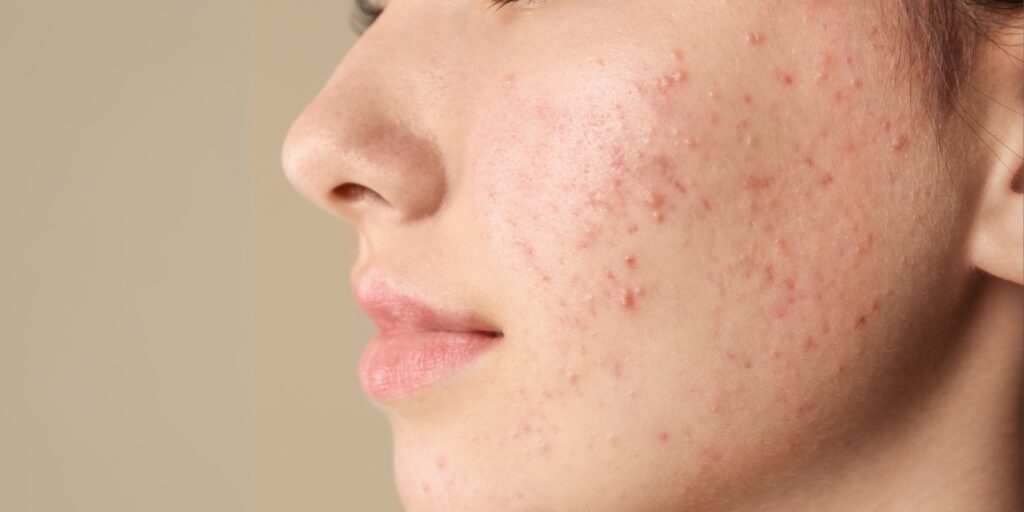
What Is the Skin Barrier?
The skin barrier is the outermost layer of the skin, also known as the stratum corneum. It acts as a protective shield between your body and the external environment. This barrier prevents excessive water loss while blocking harmful bacteria, allergens, and pollutants from entering the skin.
A healthy skin barrier maintains hydration, smooth texture, and resilience. When this barrier is weakened or damaged, the skin loses moisture quickly and becomes vulnerable to irritation and inflammation.
Read More : Cosmetic Raw Materials – What They Are, Why They Matter, and How They Are Used
Signs and Symptoms of Skin Barrier Damage
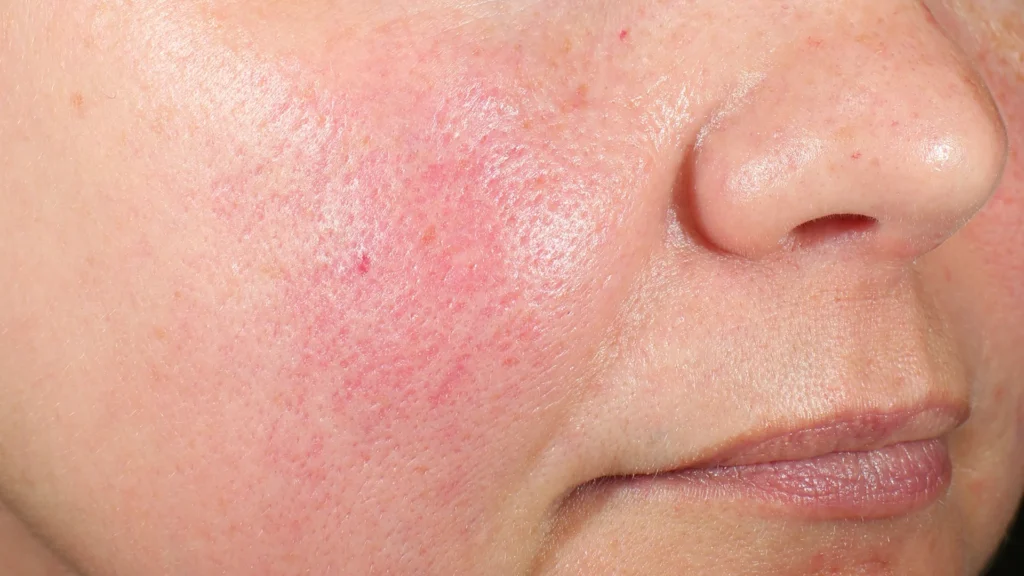
Skin barrier damage does not always appear overnight. It develops gradually and shows clear warning signs.
Common symptoms include persistent dryness even after applying moisturizer, redness or flushing without any clear reason, a stinging or burning sensation when using basic skincare products, sudden sensitivity to products that once worked well, flaky or rough texture, and increased breakouts or inflammation.
If your skin feels tight, uncomfortable, or reactive most of the time, your barrier may be compromised.
What Causes Skin Barrier Damage?
Modern skincare habits are one of the biggest reasons behind barrier damage. Excessive exfoliation, daily use of strong acids, frequent retinol application without proper recovery time, and over-cleansing strip the skin of its natural lipids.
Environmental factors also play a major role. Pollution, UV exposure, extreme weather conditions, and low humidity weaken the skin’s protective layer over time. Lifestyle factors such as stress, lack of sleep, dehydration, and poor diet further contribute to the problem.
Even using products that are not suitable for your skin type can silently damage the barrier over months.
Read More : Top 10 Face Washes for Pimples & Dark Spots in India
Why Skin Barrier Repair Is a Major Trend in 2026
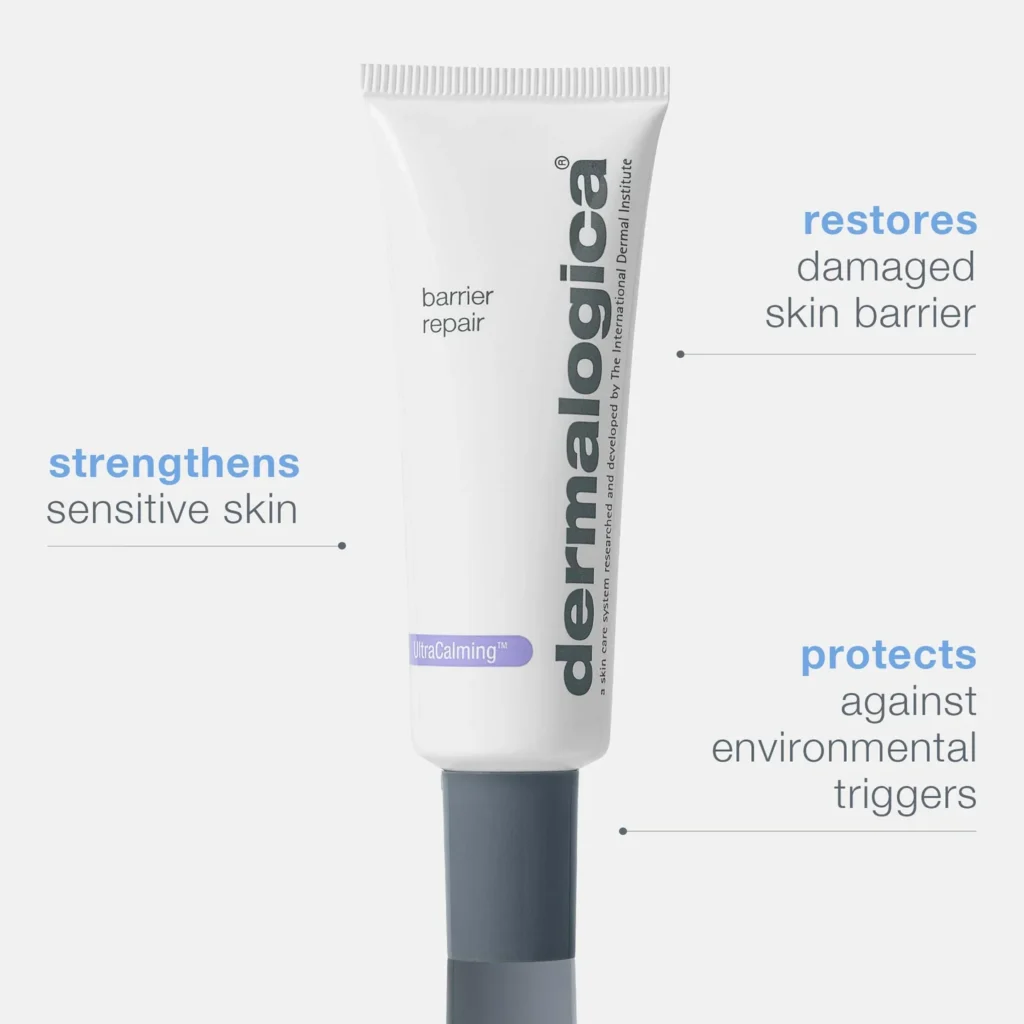
The skincare industry is shifting from aggressive treatment-based routines to skin recovery and barrier-first approaches. Consumers are now more educated and aware that healthy skin cannot exist without a strong barrier.
In 2026, dermatologists and skincare brands are emphasizing gentle formulations, microbiome-friendly products, and lipid-rich creams. The focus is on long-term skin health instead of quick results.
Barrier repair is no longer limited to sensitive skin. Even oily, acne-prone, and combination skin types require barrier support to function properly.
Key Ingredients That Repair the Skin Barrier
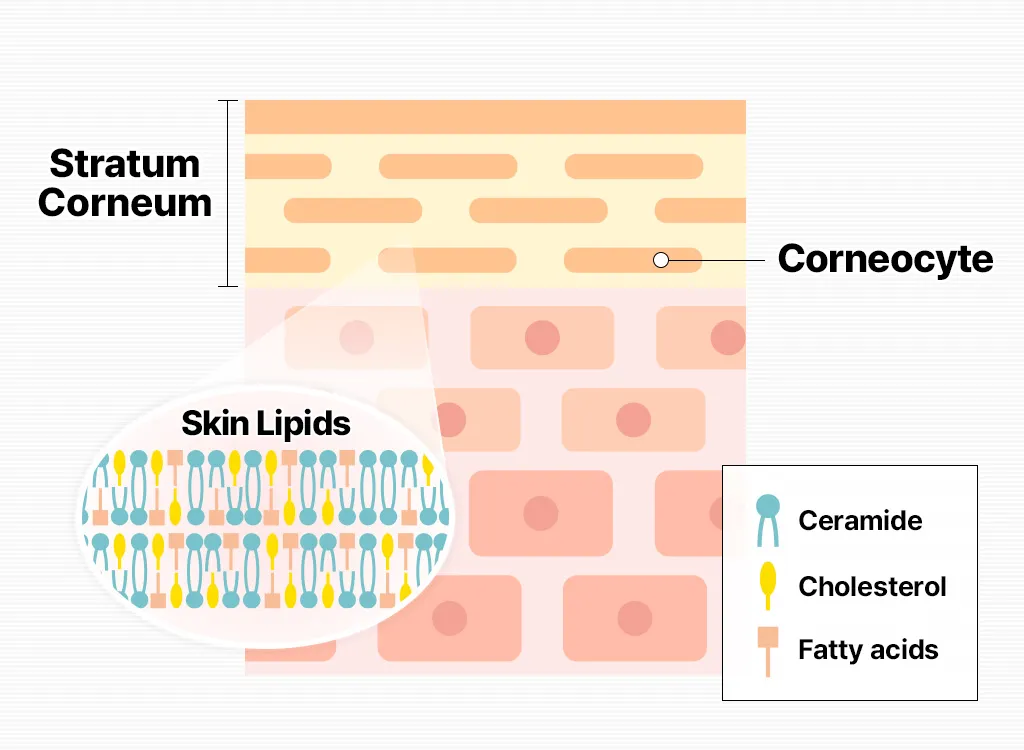
Not all skincare ingredients help in barrier repair. Some ingredients actively rebuild the skin’s natural defense system instead of just sitting on the surface.
Ceramides are the most important barrier-repair ingredients. They are naturally present in healthy skin and help hold skin cells together while preventing moisture loss. When ceramide levels drop, the skin becomes dry and sensitive.
Cholesterol and fatty acids work alongside ceramides to restore the natural lipid balance of the skin. Together, these three components mimic the skin’s natural structure and strengthen the barrier from within.
Panthenol, also known as provitamin B5, soothes irritated skin and supports barrier recovery by improving hydration and reducing inflammation.
Read More : EUXYL™ PE 9010 Preservative: Uses, Benefits, INCI Name, Safety & Applications in Personal Care
Niacinamide plays a dual role. It strengthens the barrier by boosting ceramide production while also calming redness and regulating oil production. When used in moderate concentrations, it is suitable for most skin types.
Glycerin and hyaluronic acid support the barrier by attracting and retaining moisture. While they do not rebuild lipids directly, they reduce stress on damaged skin by keeping it hydrated.
Centella asiatica and oat extract help calm inflammation and support skin repair, making them ideal for compromised or over-treated skin.
Ingredients to Avoid When Your Barrier Is Damaged
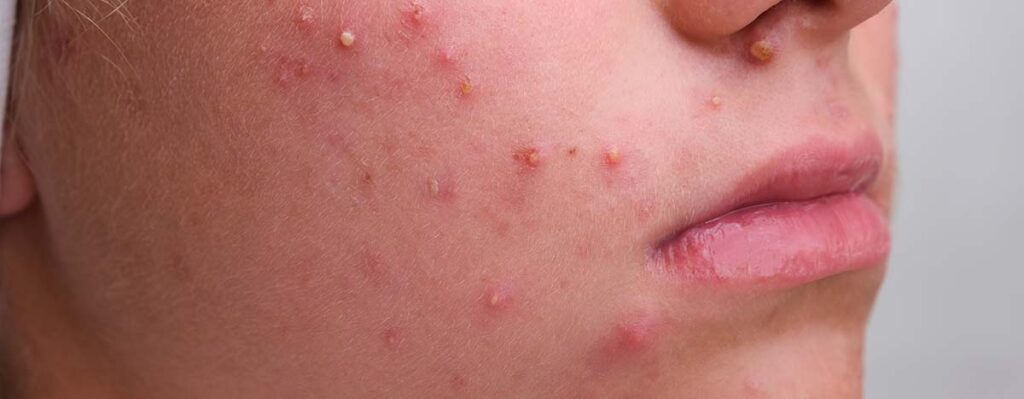
During barrier repair, certain ingredients can slow down healing or worsen irritation. Strong exfoliating acids, high-strength retinoids, alcohol-heavy formulations, and strong fragrances should be avoided.
Physical scrubs and frequent chemical peels can further disrupt the barrier. Even vitamin C in high concentrations may cause irritation during recovery.
Simplifying your routine and removing unnecessary actives is often more effective than adding more products.
How to Build a Barrier-Repair Skincare Routine
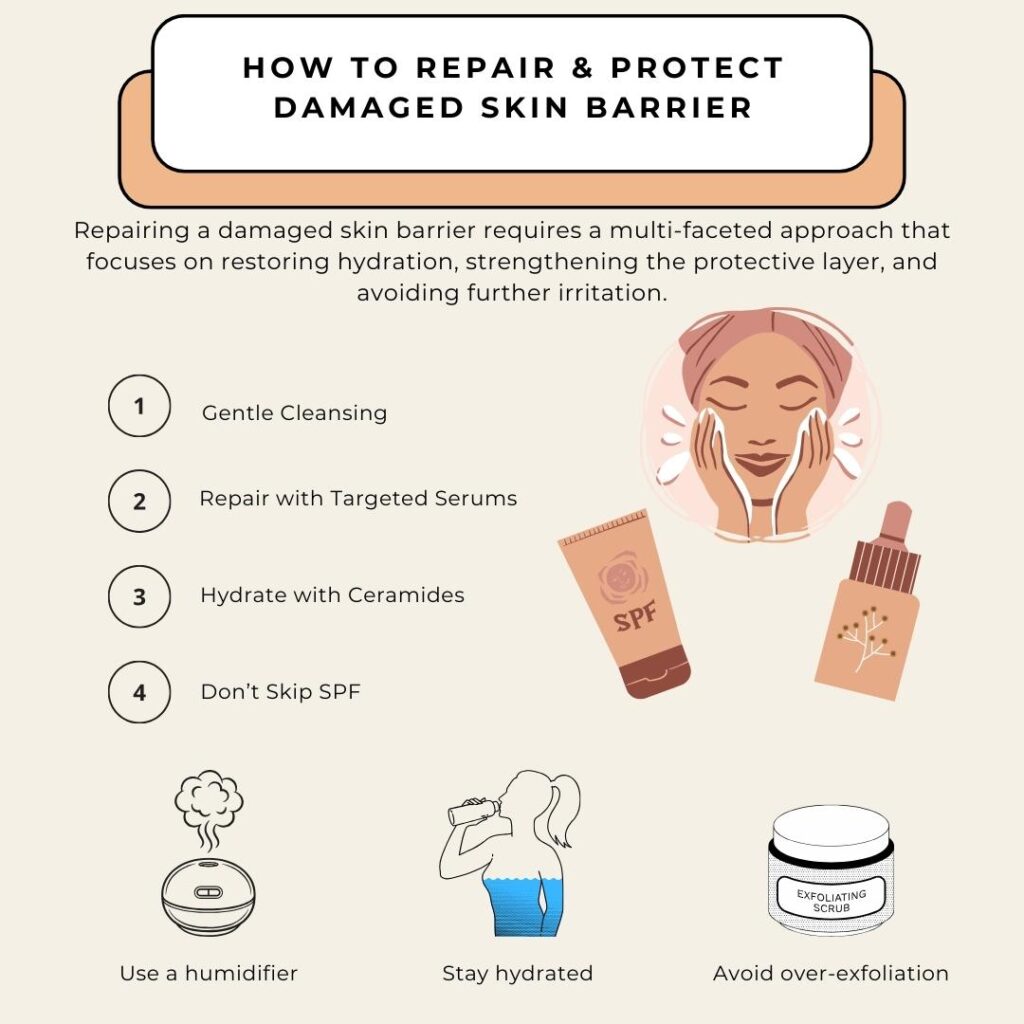
A barrier-repair routine focuses on gentle cleansing, deep hydration, and lipid replenishment. Cleansers should be mild, non-foaming, and free from harsh surfactants. Over-washing should be avoided.
Moisturizers should contain ceramides, fatty acids, cholesterol, and soothing agents. Applying moisturizer on slightly damp skin helps lock in hydration.
Sun protection is essential because UV damage weakens the barrier further. A gentle, non-irritating sunscreen supports long-term recovery.
Consistency matters more than quantity. Giving your skin time to heal is key.
Can Oily or Acne-Prone Skin Have Barrier Damage?
Many people assume barrier damage only affects dry or sensitive skin. In reality, oily and acne-prone skin are often more prone to barrier disruption due to frequent use of oil-control products and acne treatments.
When the barrier is damaged, oily skin may produce even more oil to compensate, leading to clogged pores and breakouts. Repairing the barrier often improves acne rather than worsening it.
Lightweight barrier-repair ingredients such as niacinamide, ceramides, and panthenol are suitable for oily skin types.
Read More : What Is Emulsion in the Cosmetic Industry? A Complete A–Z Guide
How Long Does Skin Barrier Repair Take?
Skin barrier repair is not instant. Mild damage may improve within one to two weeks, while deeper damage can take four to eight weeks or longer.
Results depend on how consistently you protect your skin and avoid triggers. Rushing the process by reintroducing strong actives too early can reverse progress.
Listening to your skin is more important than following trends.
Final Result
Skin barrier health is the foundation of effective skincare. Without a strong barrier, even the best products fail to deliver results. As skincare trends move into 2026, the focus is shifting toward balance, repair, and long-term skin resilience.
Understanding your skin barrier and supporting it with the right ingredients can transform not only how your skin looks but also how it feels. Healthy skin is calm, comfortable, and protected, and that starts with respecting the skin barrier.