
Introduction
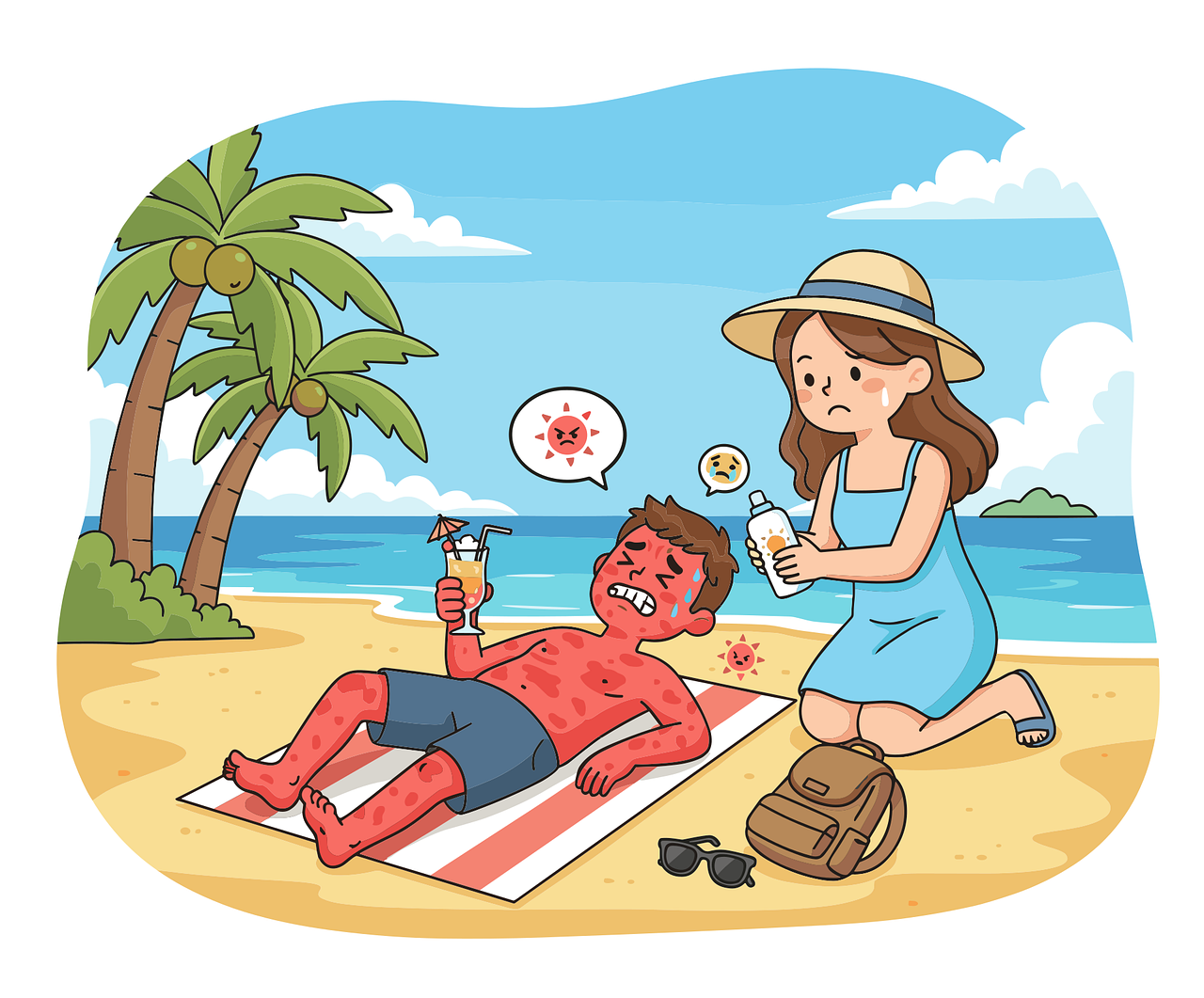
Sunscreen is more than just a summer essential—it’s your skin’s best defense against harmful ultraviolet (UV) rays all year round. Whether it’s a sunny day or a cloudy afternoon, your skin is constantly exposed to UV damage that can lead to premature aging, dark spots, and even skin cancer. Yet, many people still don’t know how to use sunscreen correctly.
In this complete guide, you’ll learn what sunscreen is, how and when to apply it, why it’s necessary, the right amount to use, and the key ingredients that make it effective. By the end, you’ll know exactly how to protect your skin the right way.
🌤 What is Sunscreen?
Sunscreen is a topical product that helps protect your skin from the sun’s ultraviolet (UV) radiation. It works by either absorbing, reflecting, or scattering UV rays before they penetrate your skin.
There are two main types of UV rays to know about:
UVA rays: Cause premature aging, wrinkles, and pigmentation.
UVB rays: Cause sunburn and can lead to skin cancer.
A good sunscreen protects against both UVA and UVB rays, which is why you should always look for the label “Broad-Spectrum SPF” on your sunscreen bottle.
🧴 How to Use Sunscreen Properly
Applying sunscreen properly is key to getting full protection. Here are the correct steps to follow:
1. Shake the Bottle
Always shake your sunscreen before using it. This ensures that all the ingredients are evenly mixed and effective.
2. Apply Generously
Use about 30 ml (a shot-glass amount) for your whole body. For your face, use about a 1-inch circle of product. Apply dots on your forehead, nose, cheeks, and chin, then tap gently to spread it evenly. Avoid rubbing harshly.
3. Don’t Miss Hidden Areas
Don’t forget commonly missed spots such as:
Ears
Neck and back of neck
Hands and feet
Behind the knees
4. Around the Eyes
Use a stick sunscreen or a gentle, fragrance-free formula to prevent irritation near the eyes.
5. For the Back
If you’re alone, apply using a long-handled brush or use a spray sunscreen for easier coverage.
When and How Often to Apply Sunscreen
1. Apply 15–20 Minutes Before Sun Exposure
Even though modern sunscreens act instantly, giving them a few minutes allows proper absorption into your skin.
2. Reapply Every 2 Hours
Reapply sunscreen every two hours, or immediately after swimming, sweating, or towel drying. Sunscreen effectiveness fades over time, especially outdoors.
3. Use It Daily
Yes, you need sunscreen every day, even indoors or during cloudy weather. UV rays can penetrate clouds and even glass windows.
Make sunscreen the last step of your skincare routine, right before makeup.
💧 Sunscreen or Moisturizer First?
This is a common question!
If you’re using a separate moisturizer and sunscreen, always:
Apply moisturizer first, then sunscreen.
Wait 5 minutes before applying sunscreen to allow your moisturizer to absorb.
If your moisturizer already contains SPF 30 or higher, that’s fine for short indoor exposure. But for outdoor protection, use a dedicated sunscreen on top.
Why Apply Sunscreen Before Makeup?
Makeup can create a barrier that prevents sunscreen from absorbing properly. So, apply sunscreen before makeup, let it sit for 5 minutes, and then apply your makeup.
If you need to reapply sunscreen over makeup, use:
A sunscreen mist spray, or
A makeup sponge to gently dab sunscreen without smudging.
Why You Should Use Sunscreen Daily
Using sunscreen daily is one of the simplest yet most powerful ways to protect your skin. Here’s why it’s essential:
1. Prevents Sunburn
UVB rays are the main cause of painful sunburn. Sunscreen blocks these rays effectively.
2. Reduces Premature Aging
UVA rays cause collagen breakdown leading to wrinkles, fine lines, and sagging. Regular sunscreen use helps maintain youthful, healthy skin.
3. Prevents Dark Spots and Pigmentation
Sunscreen helps in preventing uneven skin tone, melasma, and hyperpigmentation caused by prolonged sun exposure.
4. Reduces Risk of Skin Cancer
Regular sunscreen use is clinically proven to lower the risk of skin cancer, especially melanoma.
5. Supports Skin Barrier Health
Sunscreen protects your skin’s natural barrier from oxidative stress and inflammation caused by UV exposure.
🌿 Key Ingredients in Sunscreen
Sunscreens are made up of active ingredients that either absorb or block UV rays. They are divided into two main types:
1. Chemical Sunscreens (Organic Filters)
These absorb UV rays and convert them into heat.
Common ingredients include:
Avobenzone
Octocrylene
Octyl Methoxycinnamate (Ethylhexyl Methoxycinnamate)
Oxybenzone
Pros: Lightweight, blends easily, no white cast
Cons: May irritate sensitive skin
2. Physical or Mineral Sunscreens (Inorganic Filters)
These sit on the skin’s surface and reflect UV rays.
Common ingredients include:
Zinc Oxide
Titanium Dioxide
Pros: Gentle on sensitive skin, protects instantly
Cons: May leave a slight white cast
Some modern sunscreens combine both types for broader and more stable protection.
🌞 Benefits of Using Sunscreen Daily
Benefit Explanation
Prevents Sunburn Shields from UVB rays causing redness & pain
Anti-Aging Protects collagen, reduces wrinkles
Fades Pigmentation Prevents dark spots & uneven tone
Protects DNA Reduces cellular damage from UV
Enhances Skin Tone Keeps complexion smooth & glowing
Prevents Skin Diseases Lowers risk of photoallergic reactions & cancer
❓ FAQs About Sunscreen
Q1. Can I use sunscreen instead of moisturizer?
You can, but it’s not ideal. Sunscreen offers protection, not hydration. Always use both for complete care.
Q2. Can I use sunscreen indoors?
Yes. UV rays can penetrate through glass windows, so indoor exposure still causes damage over time.
Q3. What SPF is best for daily use?
Dermatologists recommend SPF 30 or higher for daily use. For outdoor or beach activities, use SPF 50 or higher.
Q4. Can I apply sunscreen on oily skin?
Yes, choose oil-free, mattifying or gel-based sunscreens specially made for oily or acne-prone skin.
Q5. Should kids use sunscreen?
Absolutely! Use kid-friendly, fragrance-free mineral sunscreens for children over six months old.
Q6. Can sunscreen cause pimples?
Heavy or comedogenic sunscreens can clog pores. Always choose non-comedogenic formulas if you have acne-prone skin.
Q7. How long does sunscreen last after opening?
Most sunscreens are effective for up to 12 months after opening. Check the expiry date before use.
🌺 Conclusion
Sunscreen isn’t just a product—it’s a daily habit that preserves your skin’s health and beauty. Applying it properly, using the right amount, and reapplying it regularly ensures complete protection against UV damage.
Whether you’re going to work, relaxing at home, or enjoying a sunny vacation, never skip your sunscreen. It’s your first line of defense against sun damage, aging, and skin concerns.
💡 Pro Tip: Keep a mini sunscreen in your bag so you can reapply every 2–3 hours. Your future skin will thank you!